The global creative and production industries have long thrived on a culture of high-stakes pitching, often romanticized as a fast-paced arena where brilliant ideas are born out of thin air. Yet behind the polished decks, tight deadlines, and eventual campaigns lies an invisible machinery of exhaustion, unrecognized labor, and systemic pressure. In the latest installment of his ongoing editorial series for Stash Magazine, Nerdo Executive Creative Director Claus Cibils turns a critical eye toward these hidden costs, offering a sharp critique of how the industry approaches the foundational phase of creative work.
Published on Friday, September 18, 2026, the piece—titled Part 17. We Keep Running Part II: Just Because You Don’t See It Doesn’t Mean It Doesn’t Exist—continues Cibils’ sustained exploration of agency and studio culture under the banner of his broader initiative, We Love Pitching. Through a mix of sharp observation and stark industry truths, the editorial dissects the normalization of emergency-driven workflows and challenges leaders across the creative sector to rethink how pitches are requested, evaluated, and executed.
The Illusion of Magic and the Reality of Exhaustion
Cibils opens the new chapter by addressing a scenario familiar to nearly every professional in the commercial arts, design, and production sectors: the sudden, high-pressure request to deliver a comprehensive pitch with a four-day turnaround, half a brief, little to no budget, and sparse communication from the client side. Despite these nearly impossible parameters, creative teams routinely pull off what feels like a miracle, delivering polished presentations on time.
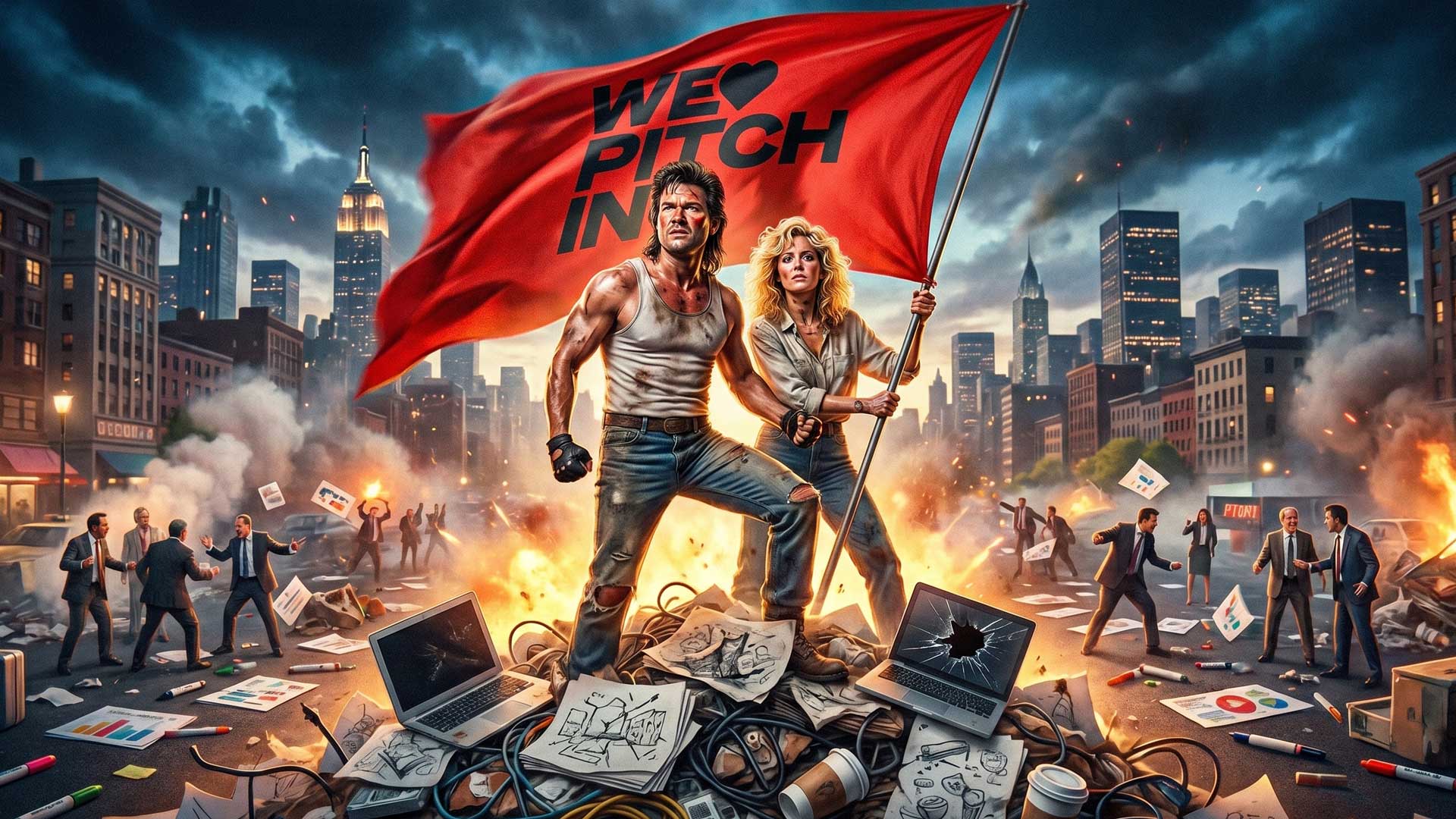
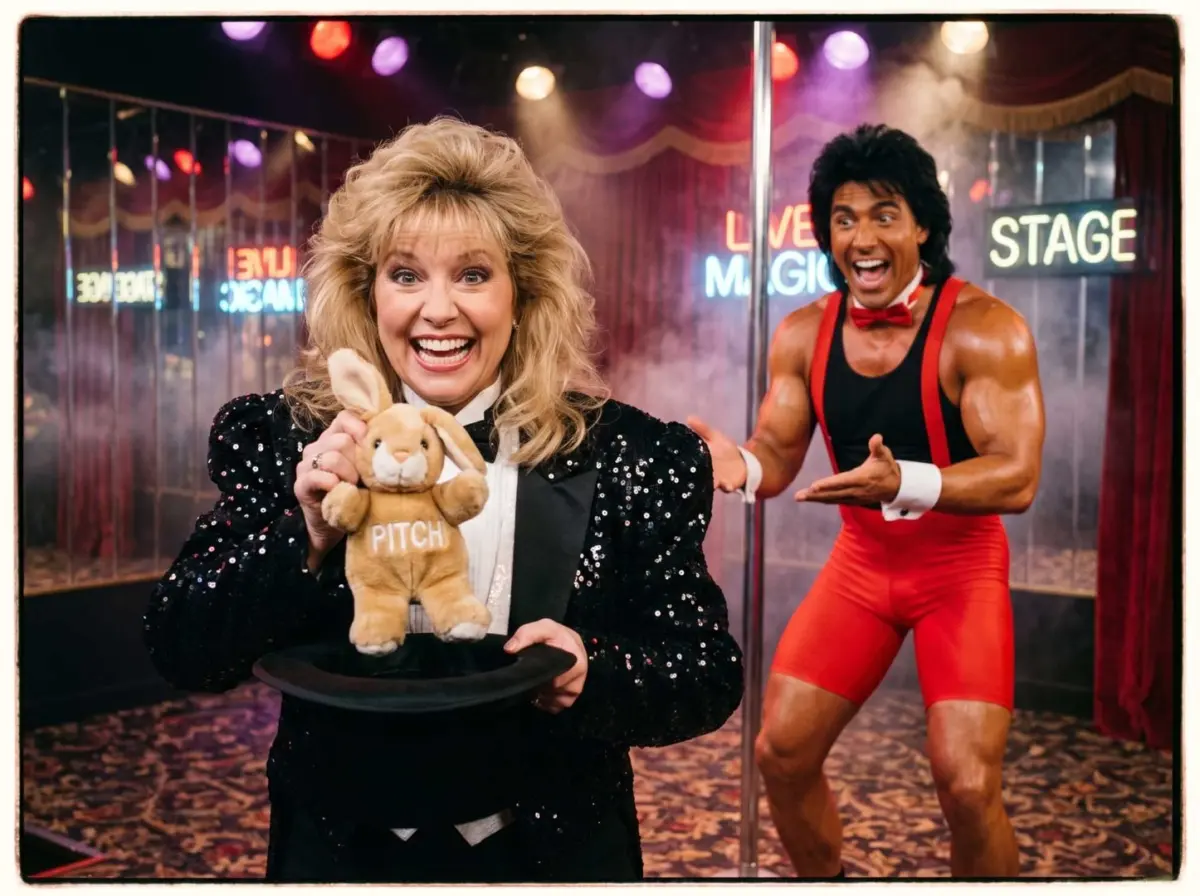
However, Cibils cautions against romanticizing these feats as genuine magic. Instead, he compares them to a magician’s stage illusion, pointing out that magic does not actually exist—only tricks, smoke, mirrors, and a dedicated team working desperately behind the scenes to make impossible conditions look routine.
The core issue, according to the editorial, is not merely that the work is successfully produced, but that an alarming amount of human effort simply disappears to make room for it. Because creative teams have repeatedly pulled off these last-minute escapes, clients and stakeholders have come to expect them as the baseline. The external trick works, but nobody sees the toll it takes on the people performing it.
The editorial exposes the real-world currency used to pay for these rapid turnarounds. The physical and emotional costs—including late nights, ruined weekends, sidelined projects, strained family lives, and deteriorating mental health—do not simply vanish. Instead, they migrate into rushed thinking, lowered creative risk-taking, and compromised work quality.

Crucially, Cibils points out that this intense stress frequently arrives before a project is even officially commissioned. It strikes before the work is awarded, before production begins, before contracts are signed, and long before the effort is formally recognized as billable labor. Consequently, creative professionals are often utterly fatigued by the time they are expected to be operating at their absolute peak.
This systemic exhaustion carries profound implications for the final product. Cibils argues that a team operating under constant emergency pressure thinks fundamentally differently than one working under structured pressure. One is actively solving complex creative problems, while the other is merely trying to survive. Survival mode inherently produces a specific creative signature—one characterized by safer routes, familiar visual references, and defensive options designed to minimize risk rather than maximize innovation. Work begins to prioritize easy completion over true creative depth because completion is vastly simpler to evaluate in a rushed environment.
The Asymmetry of Gratitude in Modern Pitching
The editorial highlights a striking paradox within the commercial creative ecosystem: these chaotic, under-resourced sprints routinely serve as the crucial first step for campaigns, films, major brand launches, and significant business decisions backed by serious capital and high-level corporate pressure. Yet, despite the immense stakes involved for the brands and agencies launching the initiatives, the essential elements of time, structural clarity, and adequate budget logic frequently evaporate before reaching the artists and designers tasked with shaping the initial concepts.
In this high-pressure environment, speed of response is frequently treated as the basic price of admission. Creative teams find themselves essentially funding the mere chance to potentially win the right to perform more work. Yet, despite absorbing immense risk, time, and financial exposure over a grueling multi-day sprint, the resulting presentation deck almost invariably begins with the standard industry courtesy: "Thank you for the opportunity."
Cibils is careful to note that politeness, manners, and professional relationships genuinely matter, and that genuine appreciation for an opportunity is not inherently wrong. However, when embedded into a broken system, that polite sentence takes on a much heavier, unintended meaning. The current industry structure has inadvertently trained creative professionals to express profound gratitude while simultaneously absorbing all the uncompensated risks and hidden costs of the process.
Left unspoken beneath the formal politeness are alternative interpretations of the dynamic: gratitude for an unclear brief, gratitude for an unpaid sprint, gratitude for sacrificed weekends, and gratitude for the distant possibility of consideration. In a genuinely healthy creative ecosystem, Cibils argues, gratitude must operate as a two-way street. While creative teams invited into a pitch can naturally appreciate the chance to showcase their talent, the entities requesting the pitch must simultaneously recognize the immense commitment, intellectual property, and labor being invested before a project officially exists.

When time, attention, original thinking, craft, and human care are freely given—often interrupting existing client work and stretching internal resources to their limits—that commitment deserves far more than institutional silence. Left unchecked, the system creates a self-fulfilling prophecy of burnout. Teams arrive at subsequent pitches pre-panicked, conditioned to run before they fully understand the contours of the race.
Cibils concludes with a sobering warning for the broader industry: if the pitching process continues to teach creative professionals that panic is the mandatory starting point, the most talented individuals will eventually stop viewing pitches as exciting opportunities. Instead, they will recognize them for what they truly have become—warning signs of a broken system in urgent need of reform.
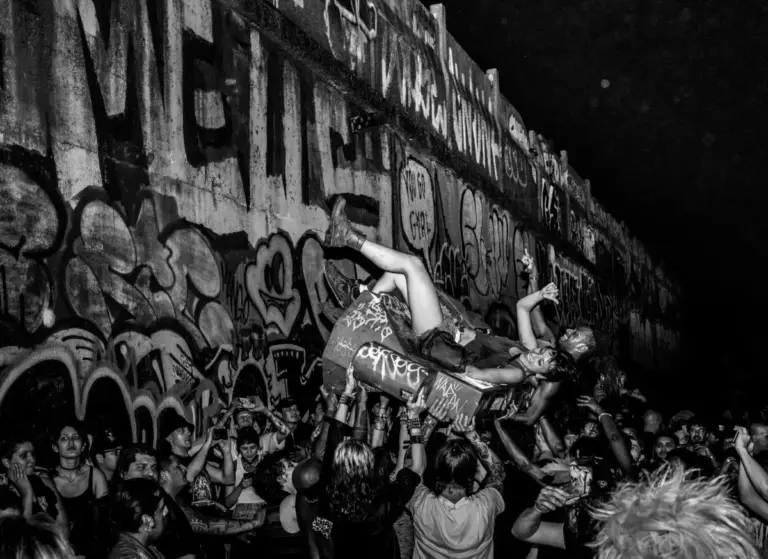
The ongoing We Love Pitching initiative, accompanied by thought-provoking AI-generated imagery that mirrors the surreal, uncomfortable, and occasionally ridiculous nature of modern agency life, continues to push for a fundamental reevaluation of how the creative world plays the game.