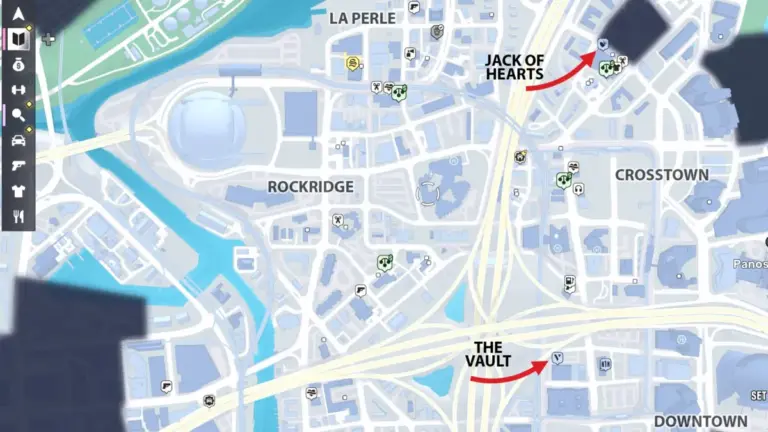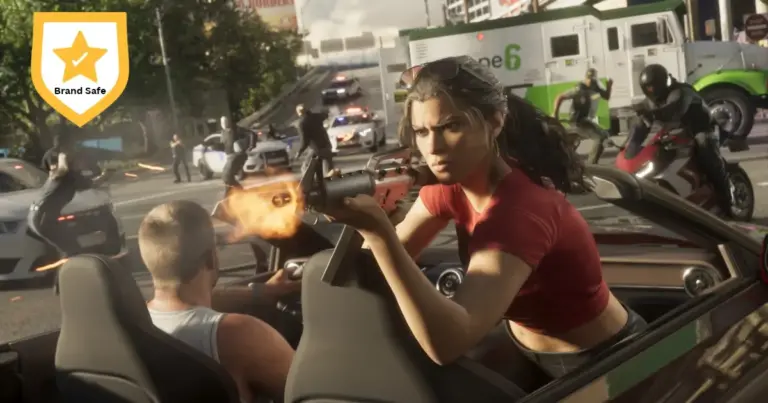
While the vast majority of the video game industry notoriously cleared its release calendars to avoid stepping into the colossal shadow cast by Grand Theft Auto 6, the community behind The Binding of Isaac: Rebirth found itself caught up in an entirely different kind of storm on launch day. Publisher Nicalis rolled out a free online DLC update for Repentance+, introducing a special Grand Theft Auto-themed daily challenge easter egg mode titled "Crime Mode"—accessible via the seed V1CE BSMT. The mode featured lighthearted nods to Rockstar Games’ blockbuster franchise, complete with a functional wanted rating system, guns, law enforcement encounters, and driveable minecarts standing in for the iconic vehicles of Los Santos.
However, what was ostensibly designed as a fun, topical PR win for the publisher quickly unraveled into a full-scale community crisis. Within hours of the update going live, players took to social media and community forums to point out that the background music accompanying Crime Mode bore the unmistakable hallmarks of artificial intelligence generation.
Keen-eared players immediately flagged the distinctive audio artifacts. Community members noted the characteristic "tinniness" and structural quirks commonly found in music produced by AI tools like Suno. Suspicion quickly turned into confirmation when curious players dug directly into the game’s local files. Sure enough, an inspection of the audio data revealed explicit Suno metadata buried deep within the file comments. Compounding the issue for an already frustrated player base, the DLC update and its store page featured no prior disclosure regarding the use of generative artificial intelligence, violating the transparency expectations that many PC gamers and platform holders now demand.

The discovery sparked an immediate and severe backlash within the community. Steam user reviews for The Binding of Isaac: Repentance+ plummeted rapidly, diving into "Overwhelmingly Negative" territory with a dismal 8% positive rating over the recent reviews period. The wave of negative feedback was heavily directed toward publisher Nicalis, which licenses the massively popular rogue-lite game from its original creator, Edmund McMillen. Frustrated fans flooded review sections and discussion boards, with many expressing deep concern over the direction of the beloved franchise and directly appealing to its original creator to step back in. "Edmund please take back control of the game," pleaded one prominent user review, capturing the widespread sentiment of a community feeling alienated by corporate handling.
The outcry did not take long to reach Edmund McMillen himself. Awakening to a digital uproar, McMillen took to the platform formerly known as Twitter to address the situation publicly, making it clear that he was entirely blindsided by the inclusion of the generative tracks. "Woke up to a shit show," McMillen wrote, expressing his frustration. He clarified that he had no prior knowledge that the daily run featured AI-generated music, adding that he was actively looking into how the situation occurred and working to ensure the content was promptly removed.
True to his word, the turnaround was swift. Subsequent updates to the game have completely scrubbed the controversial tracks from Crime Mode, removing the AI-generated elements that triggered the firestorm.
While the immediate crisis has been neutralized with the removal of the files, the incident has left a lingering bittersweet taste among long-time fans of the franchise. Reflecting on the broader implications for the industry, players noted the irony and disappointment of relying on automated tools when the franchise has historically prided itself on meticulous, human-crafted artistry and sound design. Some community members pointed out the stark contrast between the temporary AI inclusion and the exceptional, genuine audio work crafted by the game’s established sound designers, such as Joey Kuras’s celebrated contributions to Mewgenics. As players adjusted to the removal of the tracks, the consensus among the community was a resigned acknowledgment of the changing landscape of modern game development, where the line between human creation and automated shortcuts continues to spark fierce debate.