For many role-playing game enthusiasts, the prospect of waiting for the next major installment in Bethesda’s flagship fantasy franchise has long since turned into an exercise in quiet acceptance. With years passing between announcements and final launches, the timeline for future titles can feel dauntingly distant. Yet, this extended hiatus has fostered a surprising sense of liberation among players who have found themselves immune to the usual marketing hype cycles. Even more liberating is the reality that the gaming landscape already offers a substitute capable of satisfying those specific cravings for open-ended exploration, custom class building, and immersive first-person fantasy.
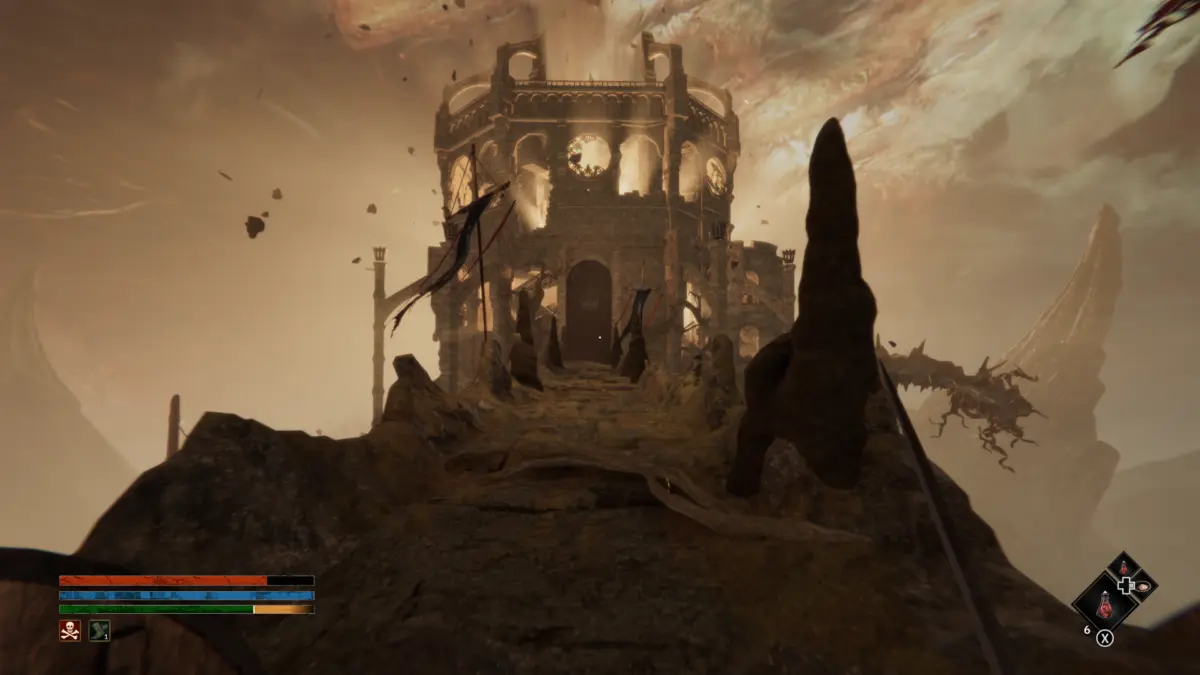
Entering the scene as a standout title, Tainted Grail: The Fall of Avalon captures the core essence of what makes classic first-person fantasy role-playing games endure. Developed by Questline and drawing inspiration from its tabletop role-playing roots, the game adopts an unabashedly familiar structural mould. It is a world where flexibility reigns supreme as a true superpower, allowing adventurers to chart their own unique courses and organically shape their capabilities simply through repetition and usage. Rather than feeling like a mere imitation, the title embraces the finest traditions of the genre and, in several notable aspects, manages to outpace industry heavyweights.
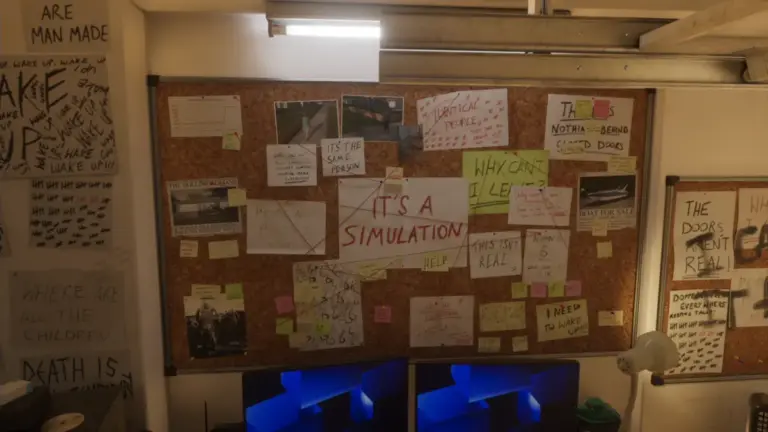
This design philosophy becomes apparent right from the opening moments. In true traditional fashion, the journey begins behind bars within a heavily guarded and ominous facility. This institution serves as both a prison and a research site dedicated to studying unfortunates afflicted by a creeping, unnatural plague—a condition that the player character also suffers from. Following the critical path early on introduces a fellow inmate, triggers a series of punishing combat encounters, and ultimately leads to a tense, hard-fought escape from the compound’s confines.
Yet, this initial island asylum is remarkably vast. It houses a labyrinth of locked doors, hidden chambers, expansive halls primed for chaotic brawls, and a sprawling subterranean underbelly ripe for deep exploration. Littered with dense lore and hidden secrets, the starting zone encourages extensive rummaging before players even consider the main objective. For many, wandering off the beaten path entirely transforms the experience. By the time the final barrier is cleared and the proper open-world adventure truly begins, the distinct identity and depth of the game have already firmly established themselves.
While Tainted Grail is populated by bespoke quests that dispatch players into the wider world on countless missions, these objectives primarily serve as a catalyst to push them out the door. Once exploring the broader environment, players inevitably stumble upon environmental storytelling and unexpected hazards: an enemy faction powerful enough to wipe out an unprepared traveler in seconds, a forgotten crypt concealing a devastating weapon, or an eccentric immortal entity seeking a dubious bargain. The emergent, unpredictable vibe closely mirrors a tabletop role-playing session, bringing a palpable sense of genuine tabletop dynamism to a digital realm.
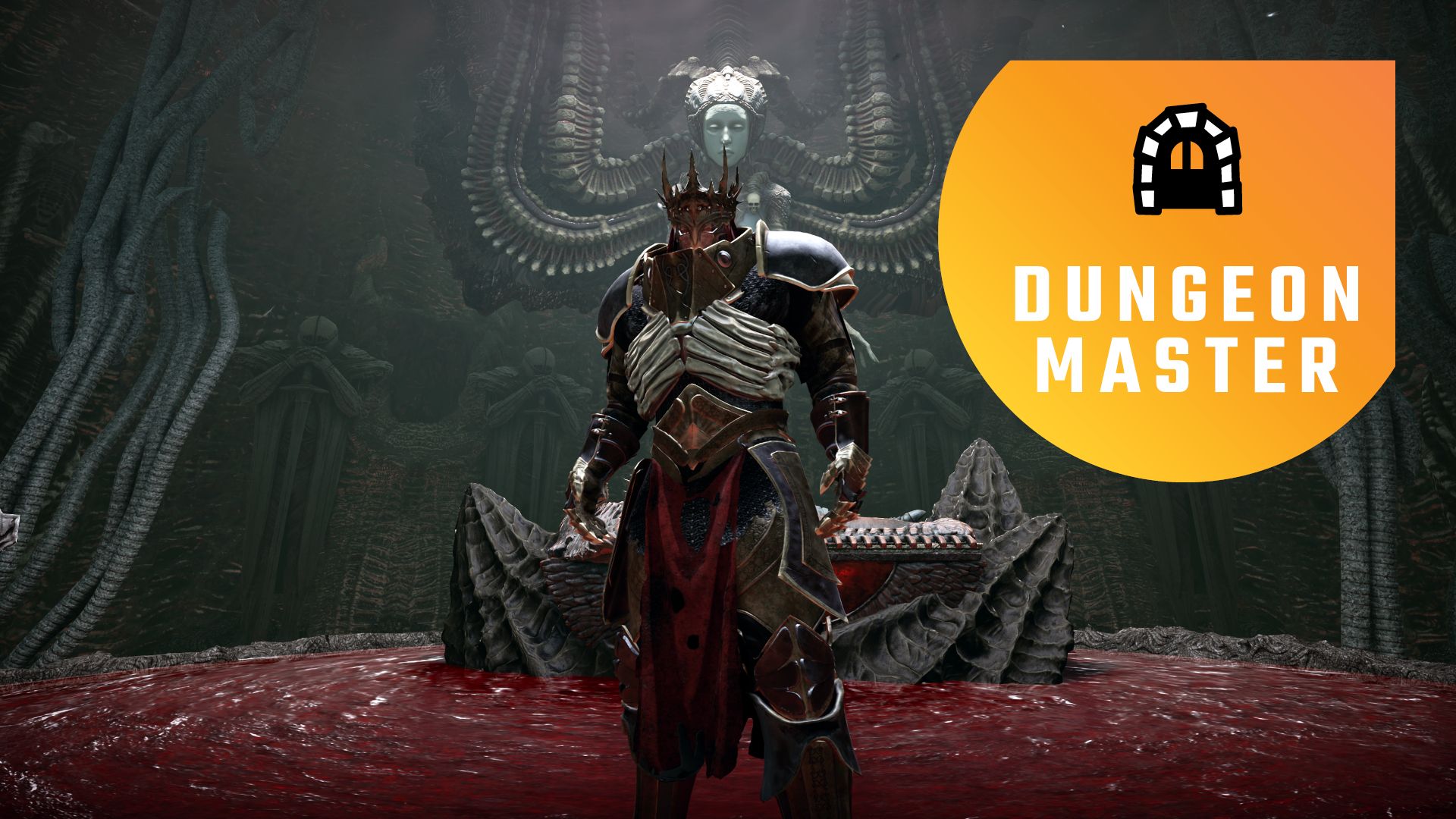
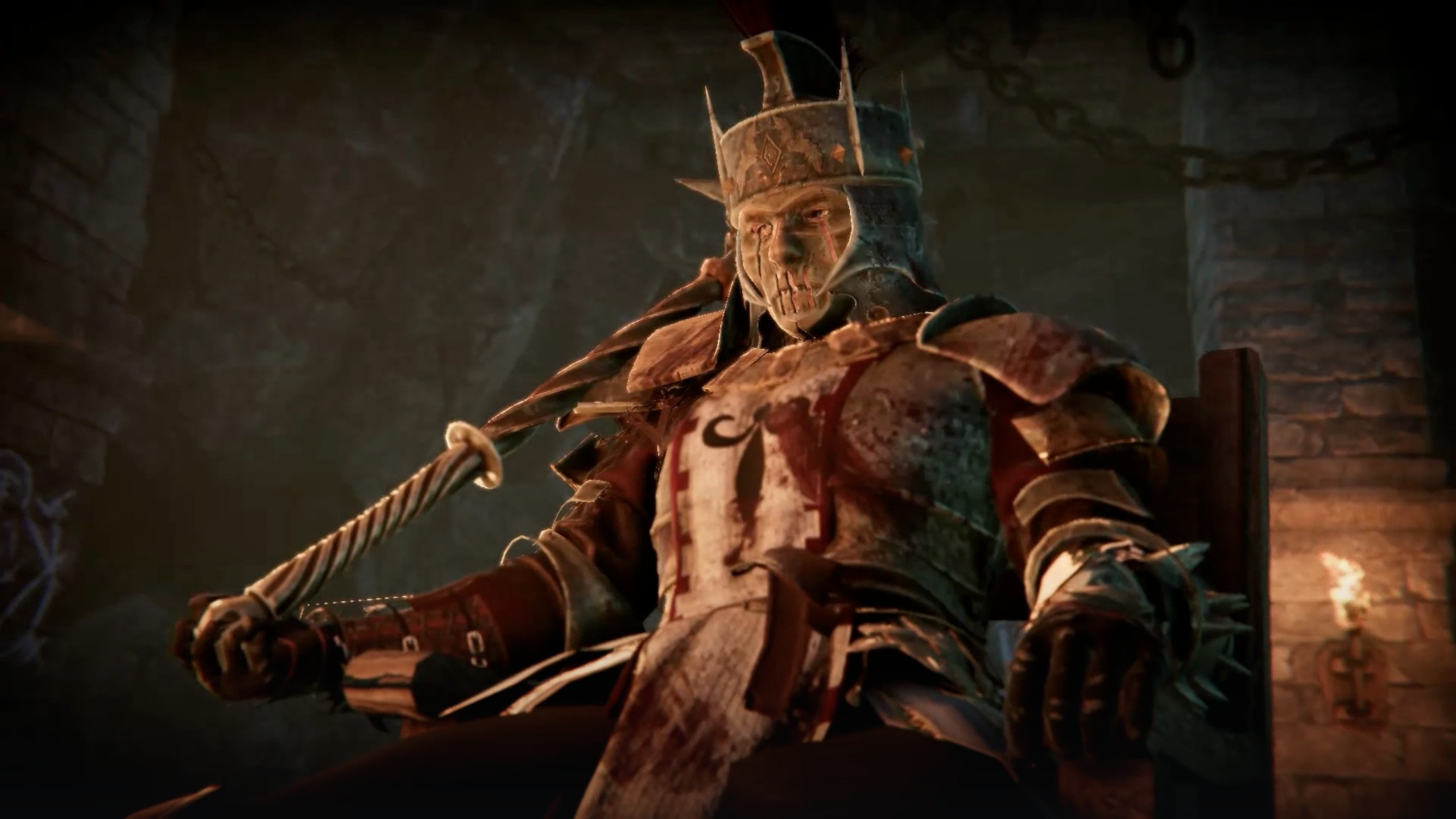
Crucially, these adventures carry real peril. The antagonists populating this grim setting hit with devastating force, ensuring that early-game vulnerability feels genuine and pressing. Basic highwaymen and skeletal horrors can easily spell swift doom for an unwary wanderer. Venturing out after dark compounds these dangers, as the cursed and plague-ridden realm of Avalon transforms into an even more hostile and punishing environment. Surviving requires constant vigilance, resource management, and strategic caution.
Rather than simply scaling up enemy lethality and calling it a day, developer Questline integrated a sophisticated, skill-based combat system that introduces genuine depth to every encounter. While it falls short of the punishing mechanics found in specialized action titles, it leans significantly closer to that style than traditional sandbox fantasy games. This elevated level of challenge feels thoroughly earned because the player is provided with a robust suite of tools, defensive options, and distinct combat styles to master over the course of the campaign.
The sheer variety of character paths can sometimes make final decisions difficult, particularly with the introduction of downloadable content options that allow players to traverse the Arthurian-inspired landscape as a formidable martial artist or specialized brawler. Many find success dabbling in spellblading, utilizing alchemy to shore up inherent vulnerabilities and adapt to shifting threats. However, the game ultimately demands commitment; surviving the harsher tiers of play leaves little room for a generalized jack-of-its-all-trades approach.
Though Bethesda remains widely recognized for crafting deeply reactive and simulated living environments, the world design of Tainted Grail deserves substantial praise in its own right. It occupies a more compact footprint, divided cleanly into three primary regions. While an exploratory player can easily spend hundreds of hours uncovering every hidden nook, the core experience can be thoroughly enjoyed within a roughly fifty-hour timeframe. Within that scope, however, Questline maximizes the potential of every single location, ensuring that environmental design feels dense, purposeful, and meticulously crafted.
Visually, the title leans heavily into an atmospheric art direction that compensates for any limitations in raw graphical fidelity. Finding beauty within the grim, decaying misery of a fantastical post-apocalyptic realm, the game revels in striking aesthetic juxtapositions. The arboreal blends seamlessly with the horrific, while the grounded and the uncanny exist in constant tension. Avalon feels wonderfully and unnervingly strange, elevating the act of exploration from a routine checklist into a genuinely thrilling pursuit.
In an era where many major digital releases continue to expand in scale and narrative bloat, the appreciation for focused, richly scoped worlds like Avalon has only intensified. This more contained approach should not be mistaken for a lack of ambition. Tainted Grail remains a complex, elaborate endeavor capable of consuming countless hours while continually introducing novel mechanics, hidden locations, and unexpected lore developments to those willing to delve into its depths.
The resonance of this design philosophy is reflected in its reception. The title has achieved notable commercial success, garnering more than 20,000 user reviews on Steam, where its overall score sits firmly at Very Positive. This widespread approval serves as a reassuring testament to the fact that developers do not necessarily require massive studio workforces and gargantuan publisher budgets to deliver a compelling, high-quality role-playing experience in the classic exploration-driven style.
While the precise headcounts for future massive fantasy projects remain largely under wraps, industry trends suggest development teams routinely exceed several hundred individuals. In contrast, Tainted Grail was brought to life by a team of roughly fifty developers, highlighting a remarkable achievement in resource efficiency and creative focus.
For players currently craving a side-quest-heavy sandbox adventure filled with intense sword fights and mystical spellcasting, Tainted Grail stands ready as a compelling destination. With a playable demo available for those wishing to test the waters before committing to the full journey, the threshold for entry has never been lower.