Once relegated to the rugged terrain of backyard patios, makeshift ice chests, and specialized home athletic facilities, cold plunges are rapidly carving out an entirely new niche in modern residential architecture and interior design. As the cultural momentum behind daily wellness practices continues to accelerate, homeowners are increasingly seeking ways to incorporate cold-water therapy directly into their primary living spaces. Rather than treating cold immersion as a standalone piece of heavy gym equipment that requires its own dedicated zone, contemporary design is shifting toward fully integrated features that blend seamlessly into bathrooms, master suites, and multifunctional recovery rooms.
This surging consumer interest extends far beyond the realm of professional athletic recovery and high-end training camps. Cold-water immersion has long been associated with a wide array of potential physiological and psychological benefits, ranging from the mitigation of delayed-onset muscle soreness after rigorous workouts to improved sleep quality and enhanced stress management. While clinical research into the broader, long-term health effects of routine cold plunging remains ongoing and limited in certain scopes, the consumer appeal is undeniable.
Market indicators vividly reflect this cultural pivot. According to data highlighted in Houzz’s 2024 Summer Trends Report, consumer searches for the term “cold plunge” experienced a dramatic 74% increase year over year, while searches for “indoor sauna” rose by a robust 69%. This momentum represents a much larger, foundational shift toward wellness-focused residential spaces that prioritize mental and physical health. The platform’s subsequent 2026 emerging trends data revealed an even more striking statistic: searches for “wellness room” skyrocketed by 164%, underscoring the reality that homeowners are thinking far more intentionally and holistically about how their built environments can actively support relaxation, restoration, and everyday well-being.
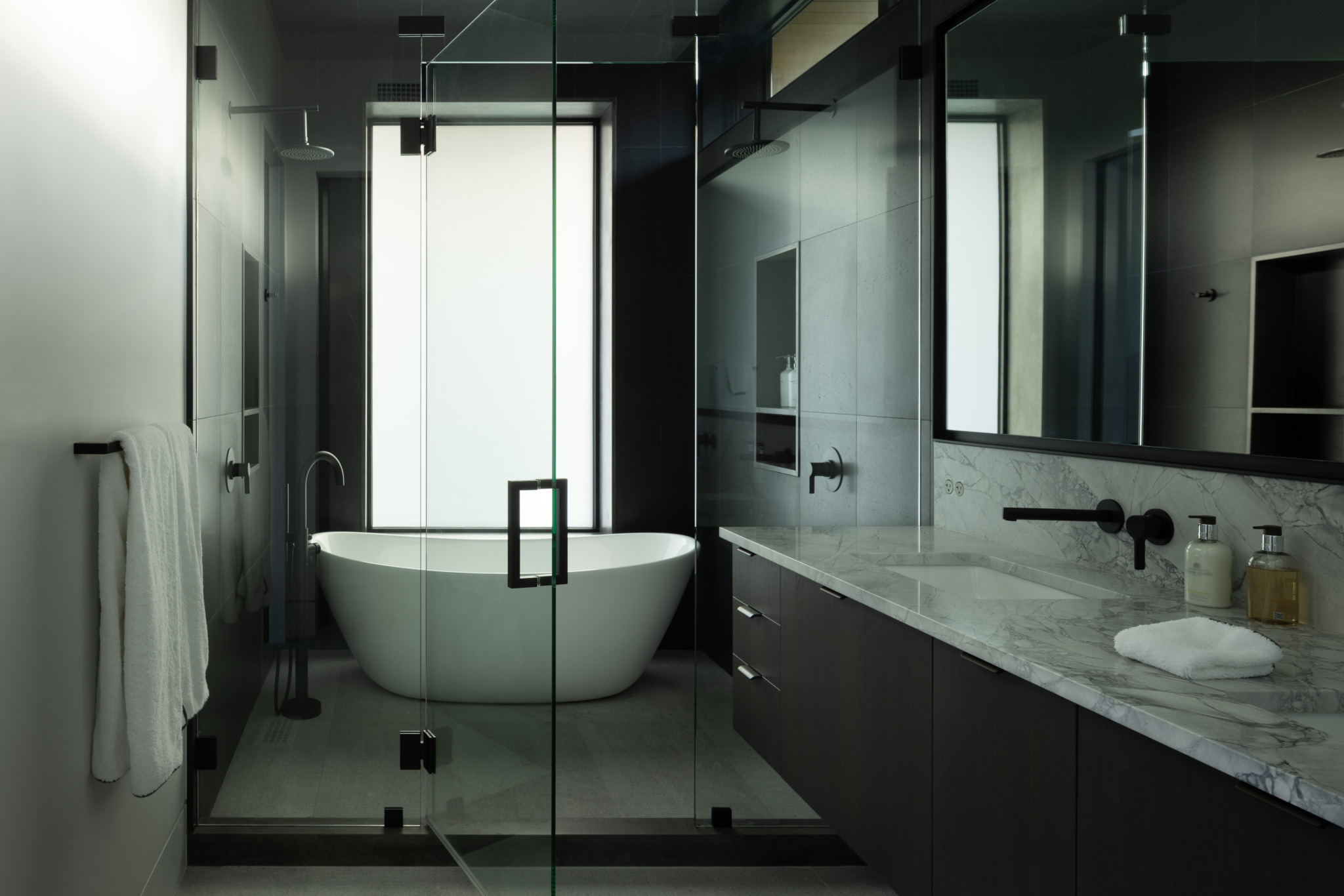
For interior designers, these evolving client priorities are introducing entirely new layers of technical and aesthetic consideration into residential projects. Arizona-based interior designer Stephanie Larsen, whose portfolio frequently incorporates residential cold plunges, infrared saunas, and integrated aromatherapy systems, has witnessed firsthand how client demands have shifted toward restorative spaces. Clients today are actively craving homes that heal, inspire, and provide sanctuary from the outside world, she notes, emphasizing that modern buyers want environments infused with sophisticated wellness technology.
Accommodating these elaborate requests requires architects and designers to think well beyond individual fixtures, examining how different wellness experiences function and interact with one another within a unified floor plan. Cold plunges, for instance, are very frequently paired with saunas to facilitate contrast therapy—a popular wellness regimen that alternates rapidly between extreme heat and cold exposure to stimulate circulation and nervous system recovery. Bringing both of these contrasting thermal elements into a residential setting requires meticulous planning regarding available square footage, specialized plumbing lines, heavy-duty electrical loads, and the sophisticated spatial relationship between disparate wet and dry zones.
In response to these complex architectural demands, manufacturers are actively developing more integrated, flexible systems. Ashley Steinhardt, Vice President of Sales at Hydro Systems, points out that the industry is witnessing wellness become a deeply intentional pillar of residential design, with dedicated spaces bringing together multiple hydrotherapy experiences into a single footprint—ranging from traditional cold plunging and whirlpool actions to advanced oxygenated microbubble therapy.

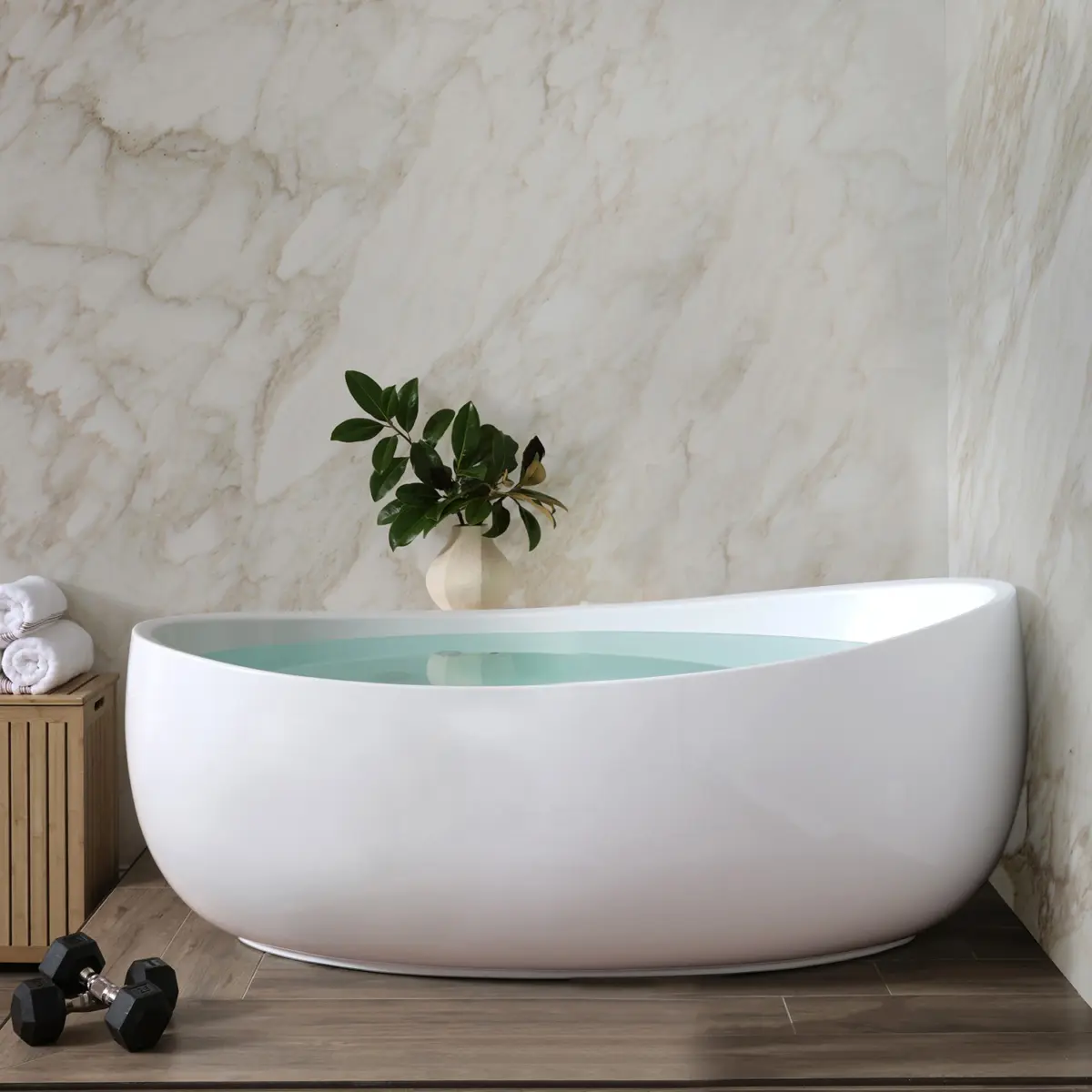
California-based bath manufacturer Hydro Systems has led much of this evolution through the development of its proprietary Hydro Chill technology. Designed to incorporate active cold-plunge capabilities directly into customizable, high-end bathtubs, the technology eliminates the cumbersome requirement for a completely separate, industrial-looking standalone fixture. The company’s latest iterations of the technology also introduce advanced smart-home functionality, granting users the ability to precisely adjust water temperatures, monitor chilling cycles, and schedule their daily plunges remotely via digital interfaces.
Furthermore, manufacturers are exploring how multiple hydrotherapy modalities can successfully share the exact same physical footprint without sacrificing performance. The company’s newer Hydro Chill Ultra system, for example, delivers both hot and cold water options through a self-contained unit capable of generating its own hot water on demand. Because this innovative setup bypasses the need for a traditional, high-capacity domestic hot-water connection, it offers unprecedented flexibility for unique residential installations, such as pool houses, guest casitas, and dedicated in-home wellness rooms where plumbing runs might otherwise present a major structural hurdle.
While expansive, luxury home spas provide ample square footage to accommodate separate saunas, massive plunge pools, multi-head shower systems, and relaxation lounges, integrating advanced hydrotherapy into an existing or conventional bathroom requires an entirely different design philosophy. Multifunctional fixtures play a critical role in reducing the spatial footprint required for these intensive thermal experiences, making them vastly easier to incorporate within standard residential layouts and urban floor plans. Wellness no longer needs to be strictly confined to a massive, isolated sanctuary room; rather, hydrotherapy can now be seamlessly woven into everyday bathroom routines, bringing high-end recovery directly into daily life.
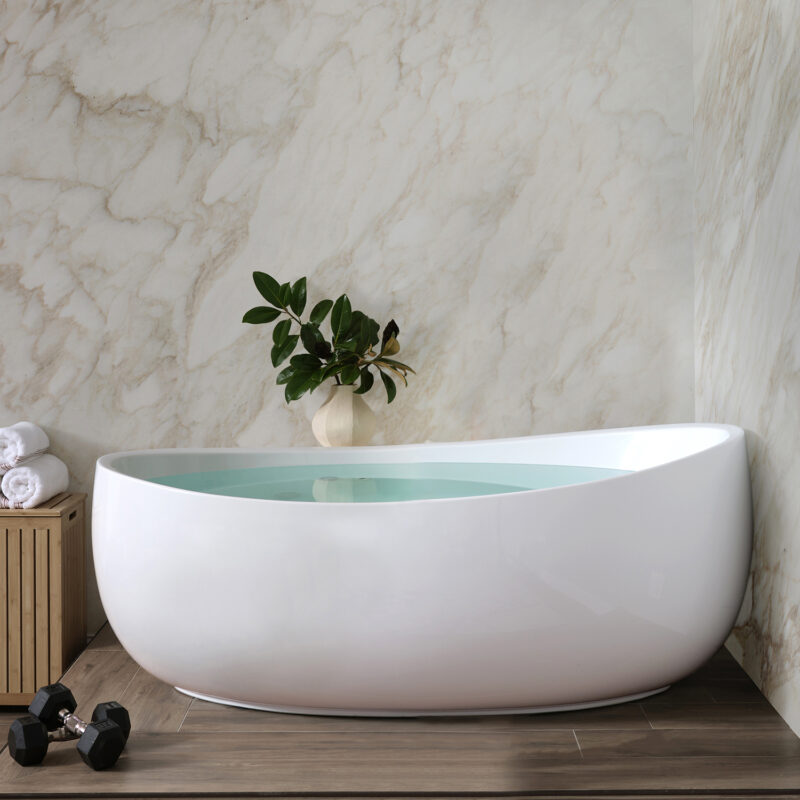
To demonstrate these possibilities, designers and manufacturers have increasingly showcased integrated units in prominent architectural exhibitions. At a recent Atlanta Homes Showhouse, a custom Slate bathtub featuring Hydro Systems’ integrated cold-plunge technology was paired directly with a sleek, glass-fronted, wood-paneled sauna on a warm wooden platform. Similarly, installations in private residences—such as a Heber, Utah, home designed by Berg Design Studio—have successfully integrated Hydro Systems’ Marquis bathtub against sprawling windows overlooking natural pine trees, demonstrating how traditional freestanding bathtubs can easily accommodate emerging wellness technologies without disrupting the surrounding aesthetic harmony. Other residential applications have seen cold-plunge tubs positioned inside sophisticated home gyms alongside heavy weight-training equipment and beverage refrigerators, anchoring a cohesive, multi-use fitness and recovery zone.
Although residential cold plunges remain a relatively specialized amenity compared to standard bathtubs or walk-in showers, their rapidly growing visibility is fundamentally prompting interior designers and architects to reconsider the baseline capabilities of the modern home. As wellness features continue their steady migration from commercial spas and elite athletic facilities into private residences, the primary design challenge moving forward will lie in seamless integration—ensuring that cutting-edge health technology enhances, rather than compromises, the functionality, structural integrity, comfort, and visual elegance of the living spaces around them.