In an era dominated by rapid technological shifts, barely a week passes without the announcement of a new artificial intelligence platform promising to revolutionize digital creation. Tools developed by industry giants such as Autodesk and Adobe continually push the boundary of automated design, offering creators the ability to generate complex textures, dynamic character models, and entire 3D environments from simple text prompts. Emerging generative technologies, including systems like NVIDIA’s Latte3D, aim to streamline asset creation by turning descriptive phrases into fully realized digital objects in a matter of seconds. To hear the marketing tell it, the future of world-building lies in automation, where bringing vast virtual realms to life requires little more than pressing a button or refining a prompt.
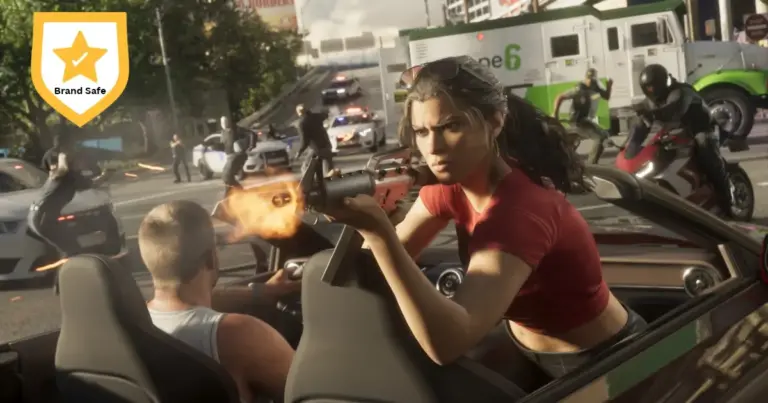
Yet, stepping into Rockstar Games’ fictional state of Leonida in Grand Theft Auto 6 provides a powerful counterpoint to this automated vision. Spending extended time exploring the vast, hyper-detailed world of Vice City and its surrounding territories offers a vivid reminder of why human craftsmanship, intentional design, and creative intuition remain fundamentally irreplaceable. While GTA 6 is undoubtedly a technical marvel in terms of graphics and performance, its true brilliance lies not in raw computational power, but in the countless deliberate choices made by thousands of artists, animators, designers, and writers.
Across every neighborhood, coastline, and interior in Leonida, the environment tells a story. From bespoke shopfront branding and localized graffiti to shelf-bound comic books and scattered promotional flyers that subtly guide players toward hidden character encounters, the game is saturated with human personality. Even the physical layout of Vice City reflects a distinct geographical rhythm: complex spaghetti junctions, tight back alleys, and neon-lit beachfront hotels contrast sharply with the quieter, eccentric atmosphere of the northern islands. These details do not exist simply to fill space; they are curated expressions of human intent that highlight the gap between algorithmic asset distribution and authentic artistic direction.
                     GEN-AI VS. HUMAN WORLD-BUILDING
 ┌───────────────────────────────────┬───────────────────────────────────┐
 │       Generative AI Tools         │     Human-Crafted Artistry      │
 ├───────────────────────────────────┼───────────────────────────────────┤
 │ • Rapid prompt-to-asset output    │ • Deep narrative intentionality   │
 │ • Automated pattern replication   │ • Contextual visual storytelling  │
 │ • Focus on speed and efficiency   │ • Emotional nuance & character    │
 └───────────────────────────────────┴───────────────────────────────────┘
Rockstar designs for the people who’d live there
The depth of Leonida’s world-building stems directly from a design philosophy centered on human empathy and role-playing. Rather than approaching architectural structures purely as functional assets or visual obstacles, Rockstar’s visual development team focuses on the lived history of every space.

"For every visual design, we are getting into the heads of the people who would have inhabited that place and role-playing how the final look would have come about," explains Miriam Bellard, Vice President of Art: Visual Development at Rockstar Games.
This methodology changes how virtual spaces are experienced. When an artist designs a building by imagining the specific individual who occupies it, every element gains purpose. A worn sofa placed in a particular corner, a chosen paint color peeling under the humid sun, or an overgrown front lawn cease to be random background details; they become subtle narrative clues about the resident’s habits, financial state, and daily routine.
This commitment to human specificity extends beyond architecture into character animation and environmental reactivity. Rockstar reportedly spent months perfecting a single, subtle animation detail: protagonist Lucia opening a door with the nudge of her hip. This level of dedication permeates the game’s non-player characters (NPCs) and ambient interactions. Background figures behave with unpredictable, recognizable human quirks. In one instance, a physically large resident giggles, stumbles, and accidentally tips over a railing into a river. In a local bar, a visibly intoxicated woman trails protagonist Jason, embodying the precise, awkward clinginess characteristic of real-world drunkenness.
Elsewhere, the game captures subtle psychological experiences, such as a disorienting sequence where a player must navigate a hotel after drinking heavily. The maze of uniform corridors mirrors the exact sense of confusion modern architectural design often induces when paired with impaired perception. Even the wilderness reflects quiet human observational study, such as the gentle moment when two wild deer nuzzle each other in the woods. These micro-interactions do not exist to drive the core narrative forward, but they ground the player in a world that feels undeniably alive.

The atmospheric systems operating across Leonida reinforce this sense of place. The game’s weather and lighting do far more than provide visual variety; they directly alter gameplay and sensory perception. Morning sunlight filtering through mist over wildflower meadows evokes a serene, painterly quality, while sudden storm clouds rolling in can completely swallow the Vice City skyline. Navigating an aircraft through heavy rain and violent turbulence becomes a stubborn, physically demanding ordeal, directly linking weather design to mechanical feedback. Inside crowded nightspots, thick ambient smoke combined with pulsating light reflections creates an authentic feeling of spatial disorientation.
Throughout Leonida, layers of environmental storytelling remain quietly hidden in corners that many players may never actively examine. The seamless integration of these elements highlights the immense labor and nuanced decision-making involved in crafting a world that responds logically and emotionally to the player’s presence.
                           LEONIDA'S DESIGN LAYERS
 ┌─────────────────────────────────────────────────────────────────────────┐
 │ Dynamic Environmental Systems (Mist, Storms, Aircraft Handling)         │
 ├─────────────────────────────────────────────────────────────────────────┤
 │ Architectural Micro-History (Overgrown yards, faded interior paint)     │
 ├─────────────────────────────────────────────────────────────────────────┤
 │ Behavioral Animation (Lucia's movement, NPC quirks, wildlife routines)  │
 └─────────────────────────────────────────────────────────────────────────┘
Why I care about Jason and Lucia
The technical and artistic effort invested in GTA 6 creates an unexpected emotional connection between the player and its main characters, Jason and Lucia. In a franchise historically defined by chaotic sandbox gameplay and satirical violence, the high level of realism and character fidelity introduces a new layer of player empathy.
This connection significantly alters how players interact with the game’s mechanics. The believability of the character models, expressive facial performance, and humanized writing can actively influence tactical choices during combat encounters. Players may find themselves deliberately aiming for non-lethal shots—targeting an enemy’s arms or legs rather than executing lethal headshots—simply out of a desire for Lucia to view Jason in a better light, or because hyper-realistic depictions of violence feel uncomfortably heavy in such a grounded setting.

Feeling uncomfortable with violent acts within a Grand Theft Auto title is a surprising reaction, yet it underscores the power of human-driven character development. When digital avatars, composed entirely of polygons and code, evoke genuine care and ethical hesitation from players, it is direct proof of successful artistic direction. The writing, character design, and physical performance capture subtle emotional nuances that cause players to view the protagonists as believable human beings rather than disposable digital tools.
                   PLAYER BEHAVIOR & REALISM FEEDBACK
 ┌─────────────────────────────────┐     ┌─────────────────────────────────┐
 │  Hyper-Realistic Character Art  │ ──> │ Enhanced Emotional Investment   │
 └─────────────────────────────────┘     └─────────────────────────────────┘
                                                          │
                                                          ▼
 ┌─────────────────────────────────┐     ┌─────────────────────────────────┐
 │ Non-Lethal Tactical Decisions   │ <── │ Reluctance Toward Brutal Action │
 └─────────────────────────────────┘     └─────────────────────────────────┘
Creativity is more than making things look good
The ongoing development of generative AI tools has ignited intense debates across the interactive entertainment industry. Promponents highlight the efficiency gains offered by text-to-3D generators like NVIDIA Latte3D and automated layout features in Adobe and Autodesk software suites, pointing out that such technologies can accelerate asset pipelines and reduce production costs.
However, creator sentiment within the industry remains deeply divided. According to research presented in industry reporting and survey data from the Game Developers Conference (GDC) and the Unity Gaming Report, 55% of game industry professionals surveyed express concern that generative AI is having a negative impact on the video game sector. Simultaneously, 40% of surveyed professionals report incorporating AI-based tools into their workflows in some capacity.
This tension underscores a critical distinction in modern game development: while there is undeniable interest in using technology to eliminate repetitive, labor-intensive tasks, there is widespread skepticism regarding AI’s ability to handle core creative vision.

                   INDUSTRY ATTITUDES ON GENERATIVE AI
 (Based on GDC / Unity Gaming Report Data)

 View AI as Having Negative Industry Impact: 55% [█████████████░░░░░░░░░░]
 Actively Utilizing AI in Workflows:         40% [██████████░░░░░░░░░░░░░]
Automating asset production is fundamentally different from exercising genuine artistic judgement. True creativity is defined by the intentional choices a team makes: deciding what details to emphasize, what to omit entirely, how a character subtly reacts to tension, when a comedic beat should land, and how minor environmental touches work together to evoke a specific emotional response. Algorithms can synthesize visual patterns based on existing data, but they lack the personal experience, cultural context, and narrative intentionality required to build environments that feel meaningful.
Technological evolution in digital art is not inherently negative; artists have continuously adopted new software and hardware to enhance their workflows. Generative technologies will likely find a lasting place in handling routine background tasks and technical optimization. However, assisting an artist’s workflow is vastly different from outsourcing the foundational creative decisions that make art resonate.
The world of Leonida stands as a testament to the power of collective human effort. Every corner of the map features thousands of deliberate artistic choices, ranging from custom-designed fictional advertisements and contemporary art sculptures to tailored vehicle logos and subtle breathing animations during quiet moments. Exploring GTA 6 demonstrates that while software can automatically assemble shapes and textures, the most captivating virtual worlds are created when human imagination, experience, and collaboration guide every detail.