The terminology surrounding environmental sustainability has grown increasingly complex, often leading to confusion between strategies that aim for a balance sheet of zero emissions and those that actively extract carbon from the atmosphere. Reducing energy demand, storing carbon within physical materials, and engineering products specifically for prolonged reuse address entirely different facets of the global climate crisis. Examining these distinctions through the lenses of housing, experimental construction materials, everyday consumer goods, and transportation reveals a crucial industry truth: reducing emissions and removing carbon are fundamentally distinct achievements.
Designers and researchers across multiple sectors are currently testing these principles in practice, ensuring that the physical objects and spaces shaping modern life contribute meaningfully to environmental restoration rather than mere damage mitigation.
Sustainable Urban Development
Lower-carbon housing begins long before the first resident steps through the front door. The raw inputs utilized for structural foundations, exterior walls, and roofing carry a profound environmental cost stemming from resource extraction, heavy manufacturing, and on-site construction. Successfully lowering this impact requires evaluating the ecological footprint of a building’s physical composition alongside the operational energy it will consume over its lifetime. International environmental bodies, including the United Nations Environment Programme, consistently identify responsibly sourced bio-based materials and heightened material reuse as critical pathways toward decarbonizing the construction sector.
At the neighborhood scale, these sustainable choices must operate successfully within ordinary housing budgets. A construction method successfully demonstrated in an expensive, custom private residence does not automatically answer the economic realities faced by municipal housing associations. Applying innovative techniques to rental housing tests a rigorous proposition: whether the specified materials, building processes, and ongoing maintenance requirements can genuinely serve residents who are not commissioning bespoke architecture.
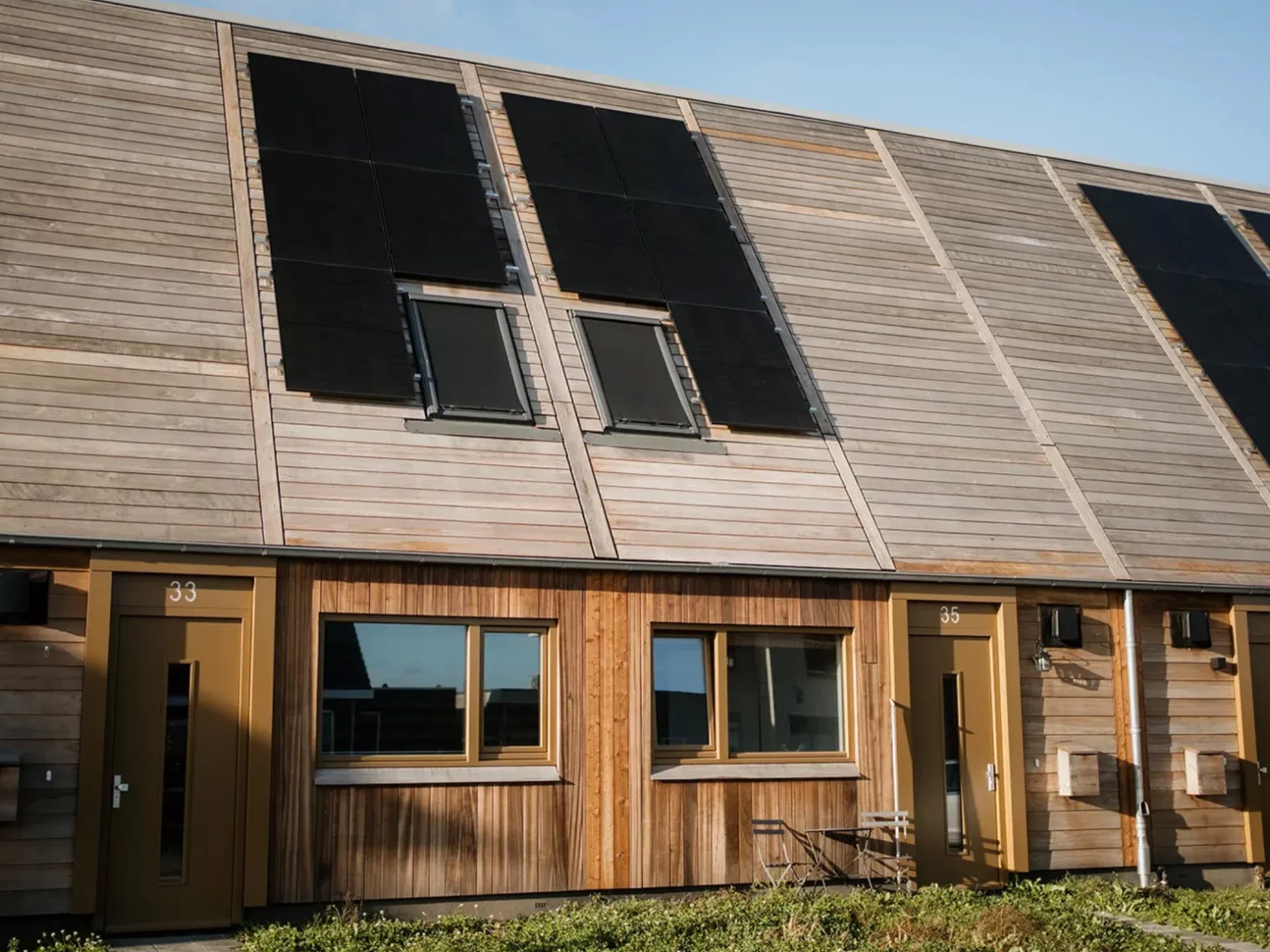
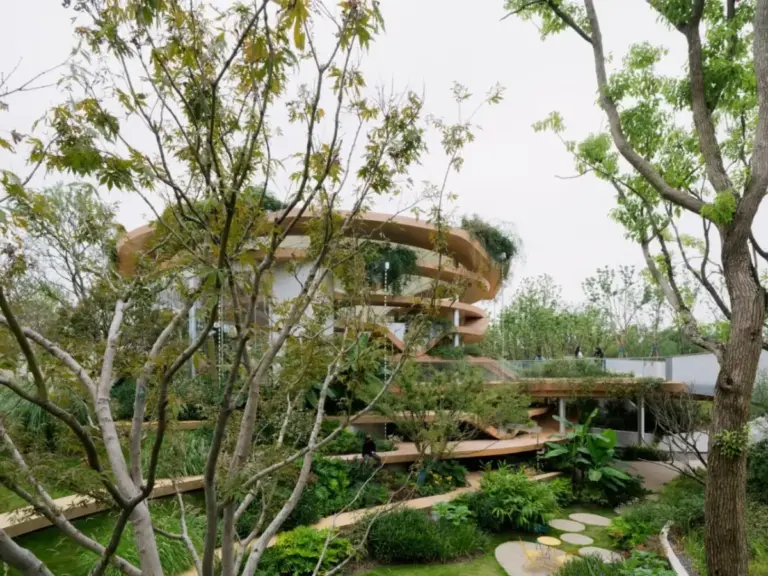
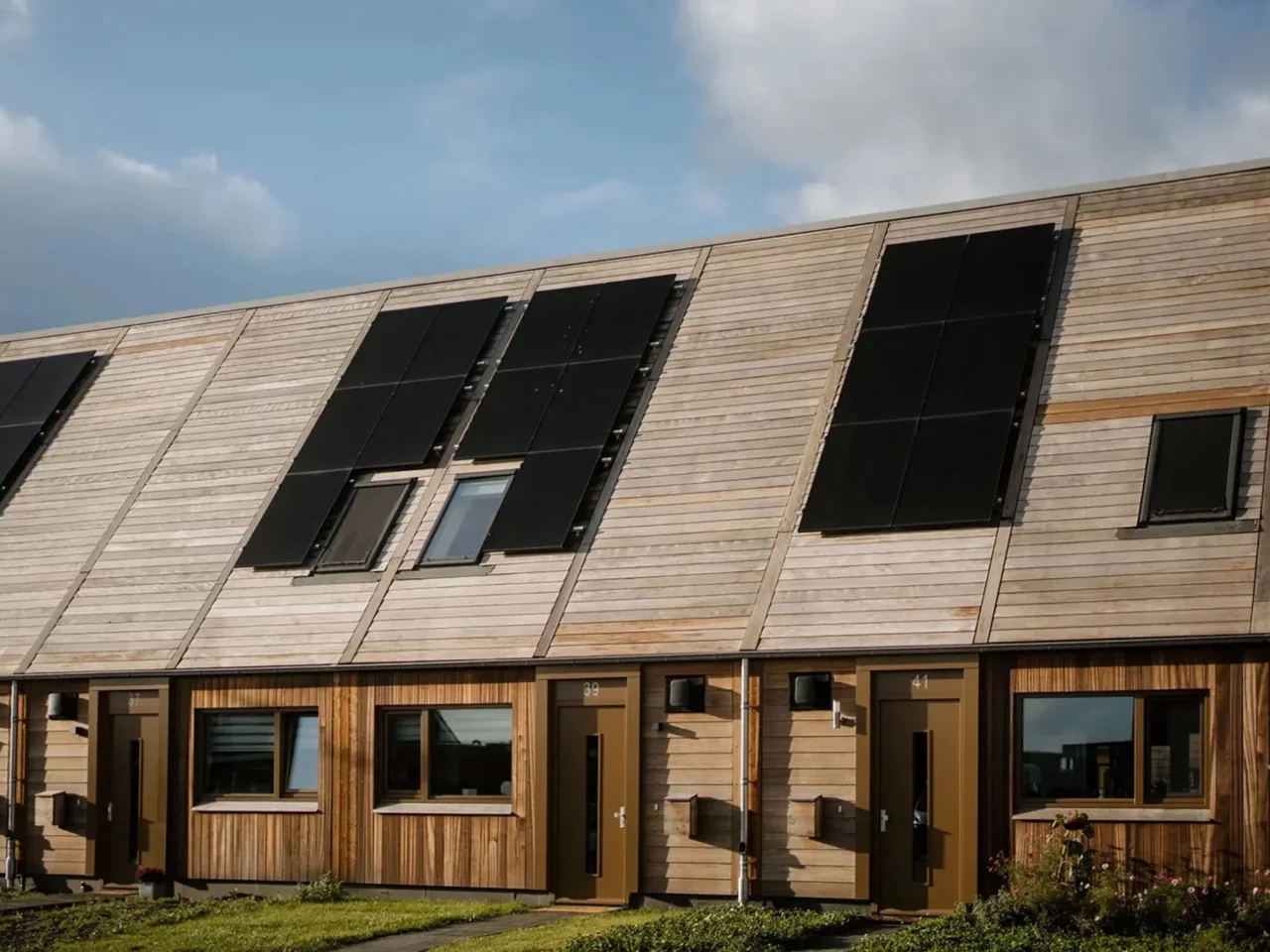
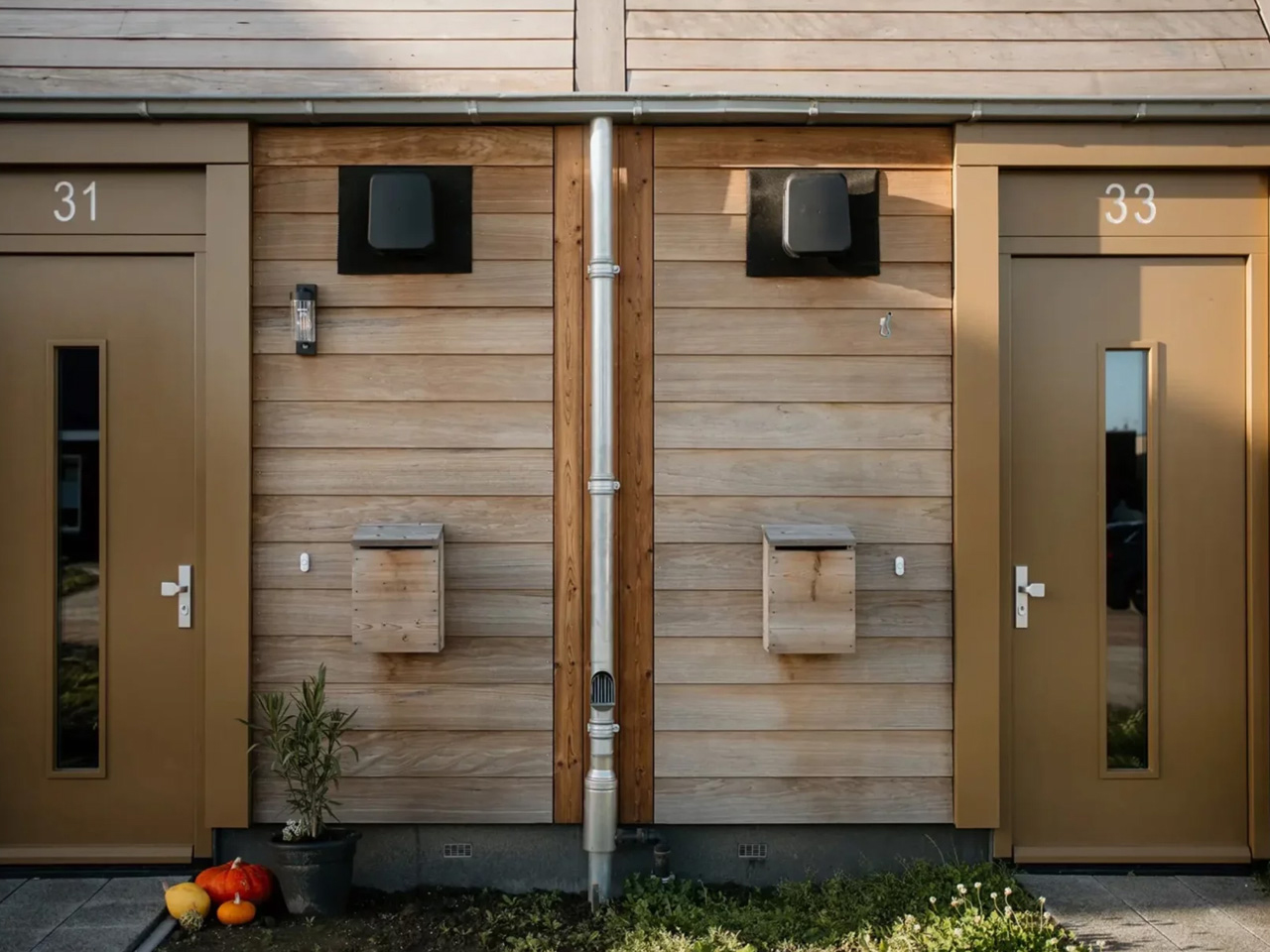
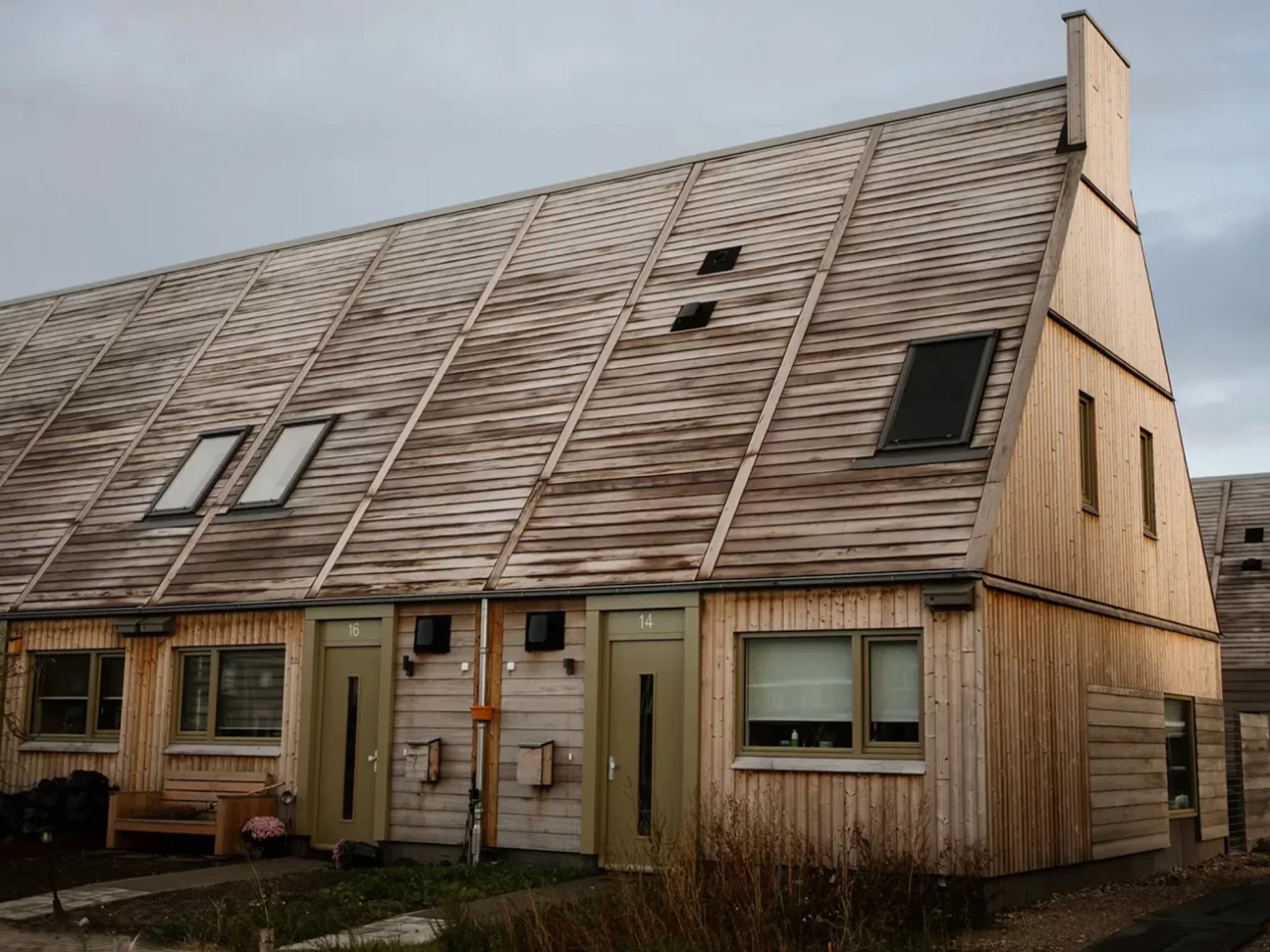
In the Netherlands, architecture studio ORGA has been working to redefine sustainable housing through a carbon-negative neighborhood prototype located in Marknesse. Developed on behalf of the housing association Mercatus, the project comprises twelve affordable rental homes intended primarily for first-time buyers and lower-income community members. Rather than treating ecological responsibility as an optional, added feature, the design team embedded sustainability into every layer of the development. Drawing inspiration from the region’s traditional "Delft Red" architectural character, the homes successfully reinterpret local design heritage using renewable, low-carbon materials that drastically curtail environmental impact while maintaining a cohesive connection to the surrounding community.
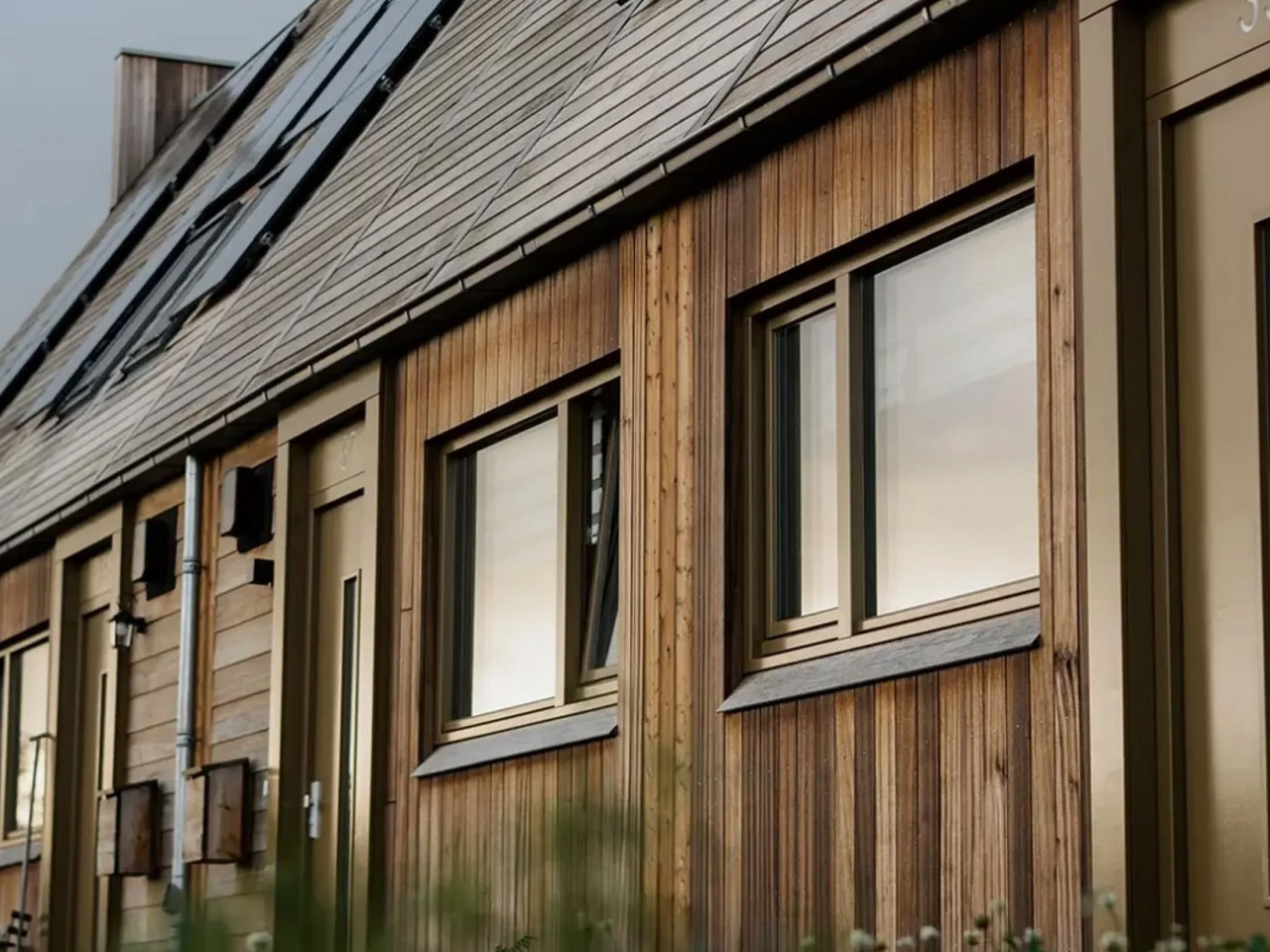
The development stands out for its extensive implementation of bio-based and circular materials, with seventy-six percent of the primary structure constructed from renewable resources. Prefabricated timber components significantly speed up the construction timeline while minimizing environmental disruption on the build site. Furthermore, natural insulation and breathable wall systems assist in regulating interior temperatures organically, reducing reliance on mechanical cooling systems. Each home is equipped with material passports that meticulously document every individual component to facilitate future reuse and maintenance. By blending economic accessibility, ecological responsibility, and forward-thinking construction methodologies, ORGA illustrates that carbon-negative housing can be practical, setting a powerful precedent for future residential architecture.
Carbon-Absorbing Construction Materials
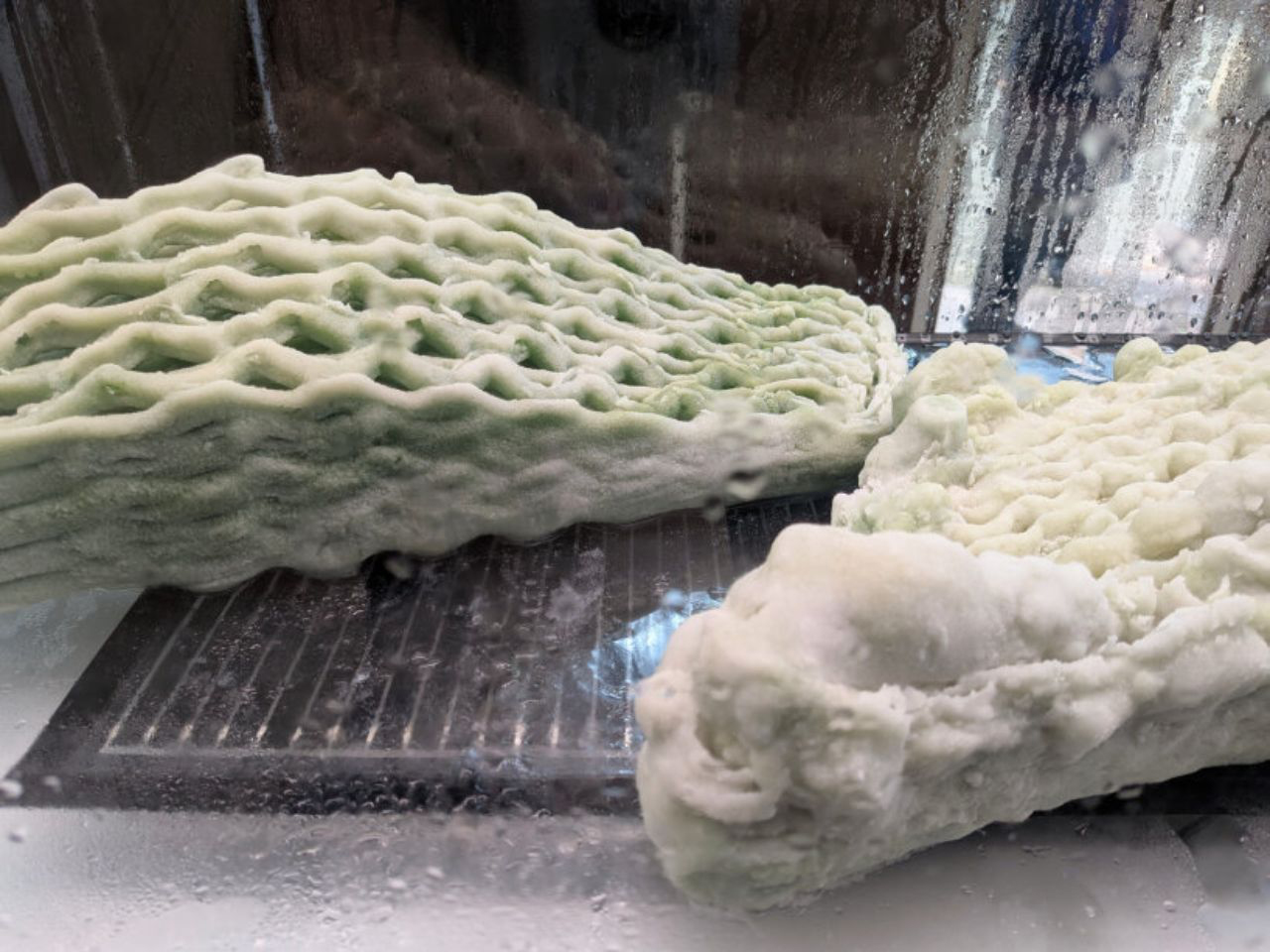
While bio-based timber stores carbon captured during a plant’s growth cycle, experimental construction materials are taking a far more active approach to environmental remediation. Researchers are actively incorporating photosynthetic microorganisms into printable structures, enabling these surfaces to absorb carbon dioxide continuously as they grow. Certain strains of cyanobacteria can also encourage the formation of stable carbonate minerals, locking carbon away in a more secure form than living biomass alone.
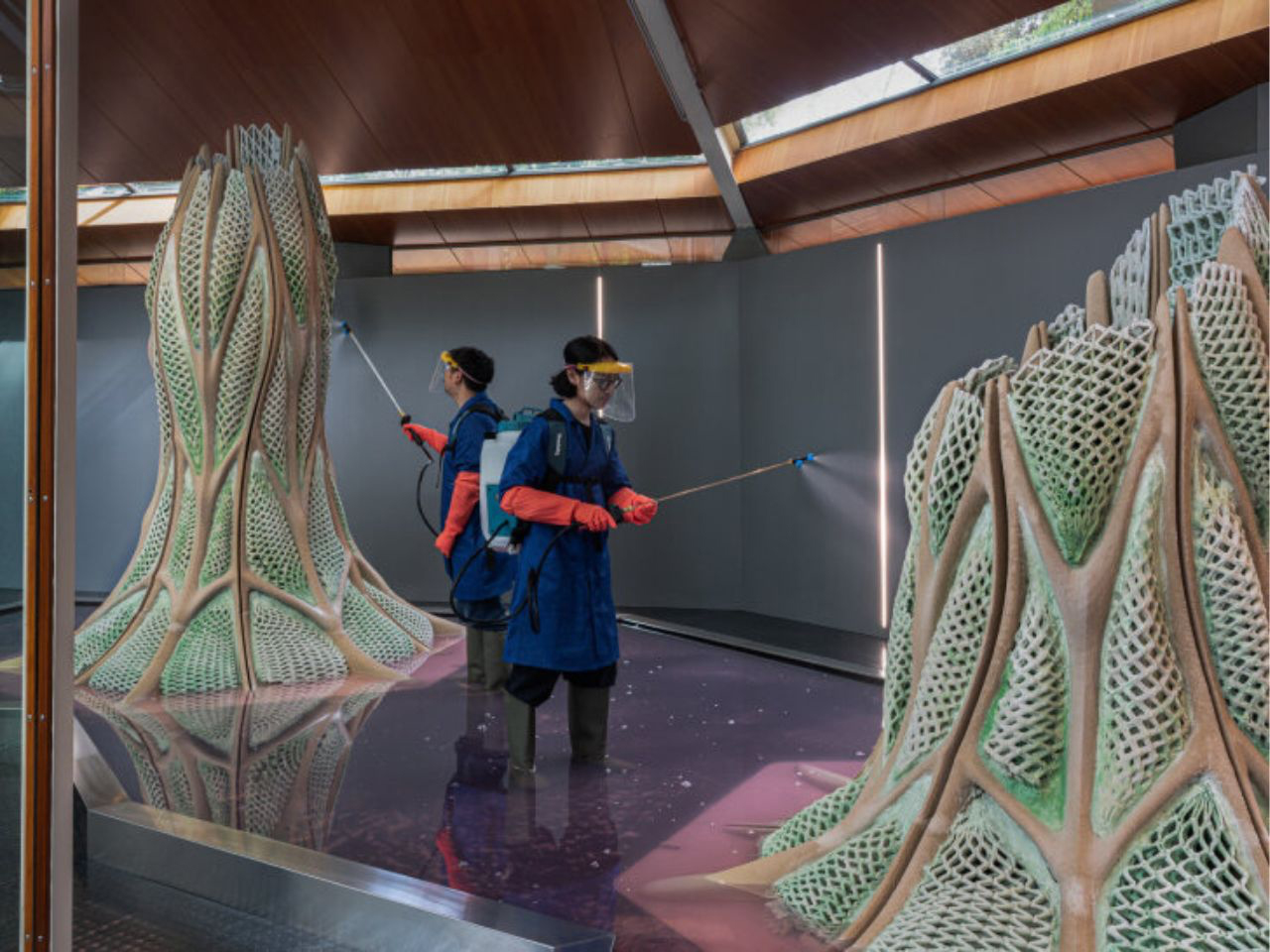
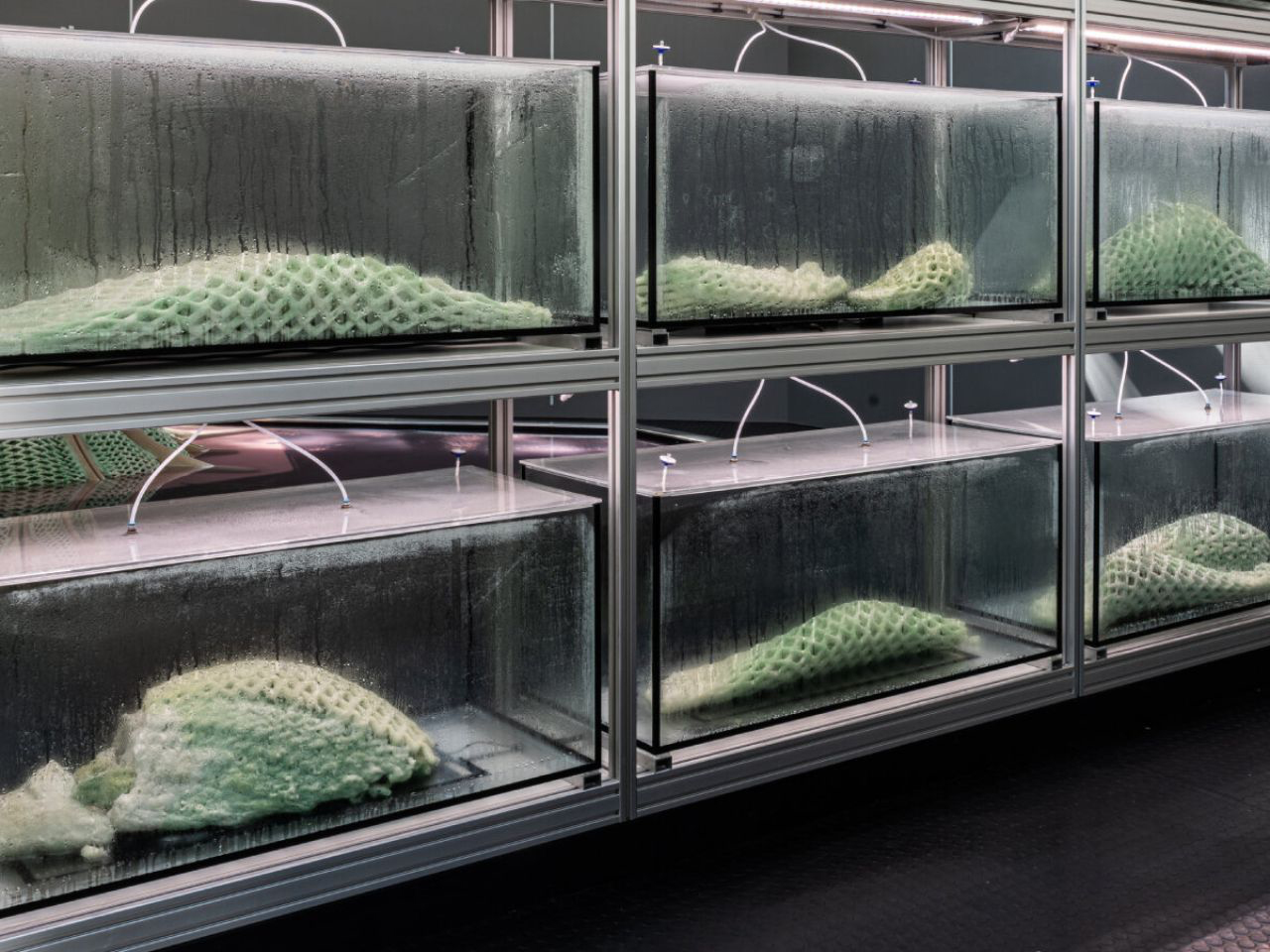
This introduced biological activity creates a novel design requirement: keeping the host material alive. Essential environmental factors such as ambient light, moisture levels, moisture retention, nutrient availability, and the precise geometry of the printed structure directly dictate how efficiently these organisms function. A promising laboratory result consequently gives rise to complex architectural questions regarding ongoing maintenance, physical placement, and structural load-bearing strength. A carbon-absorbing surface still requires reliable, suitable conditions to perform its intended atmospheric work.
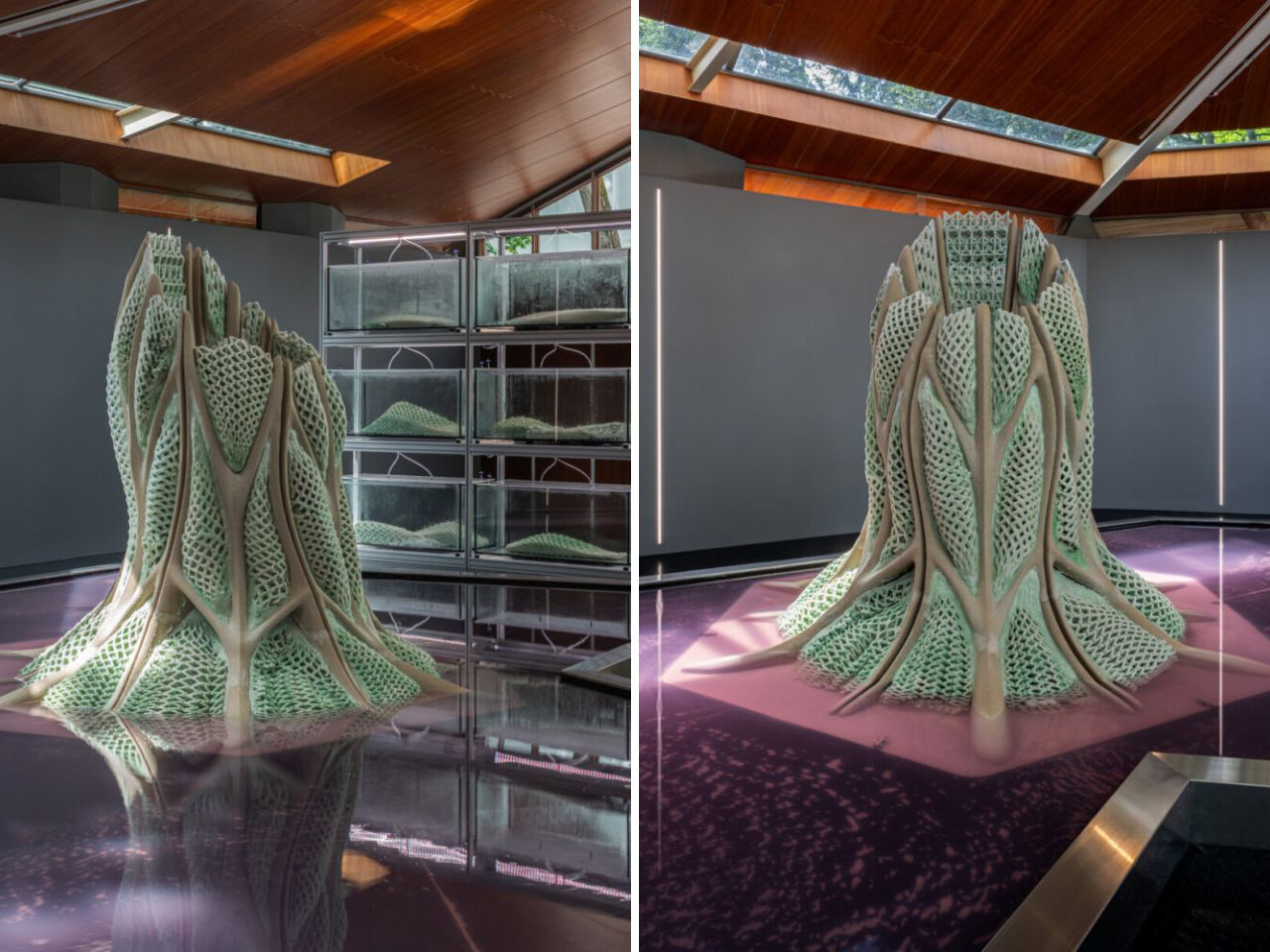
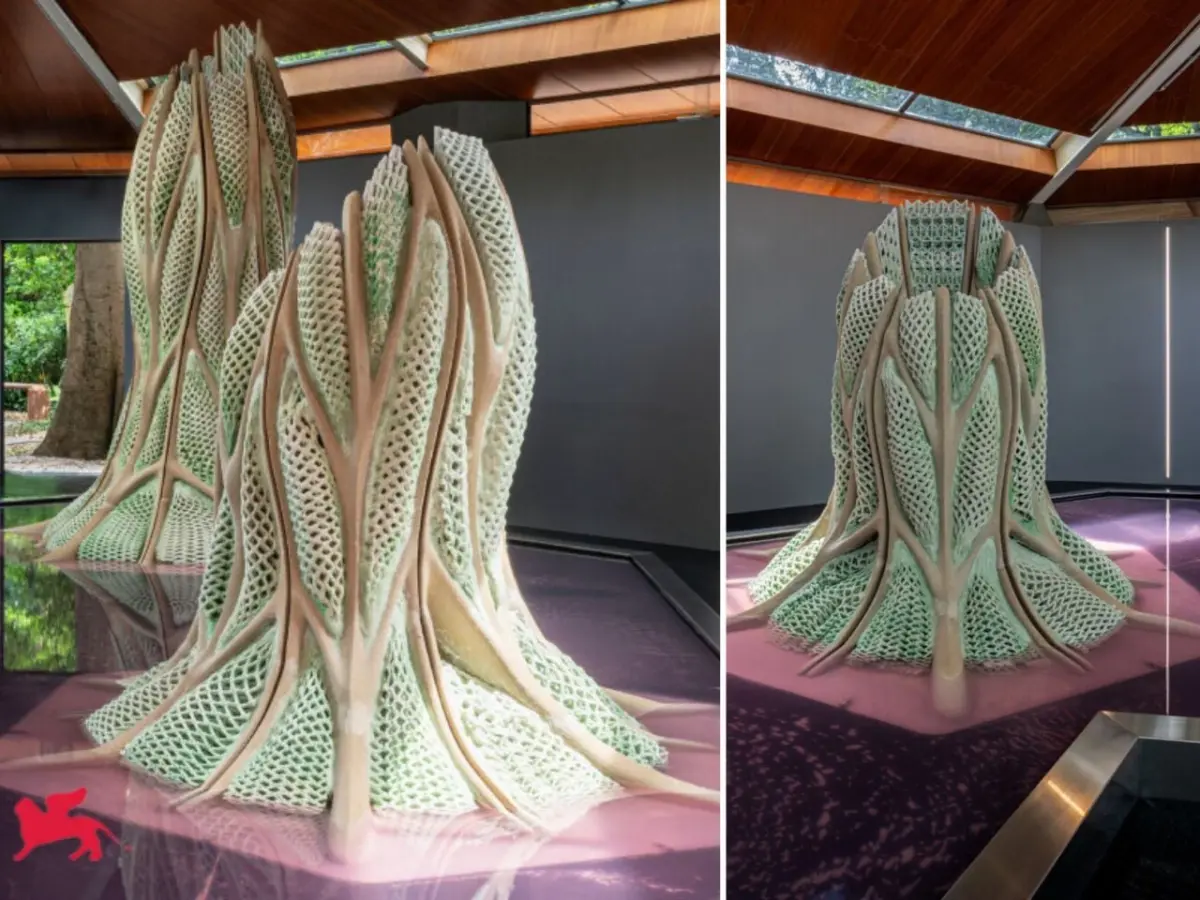
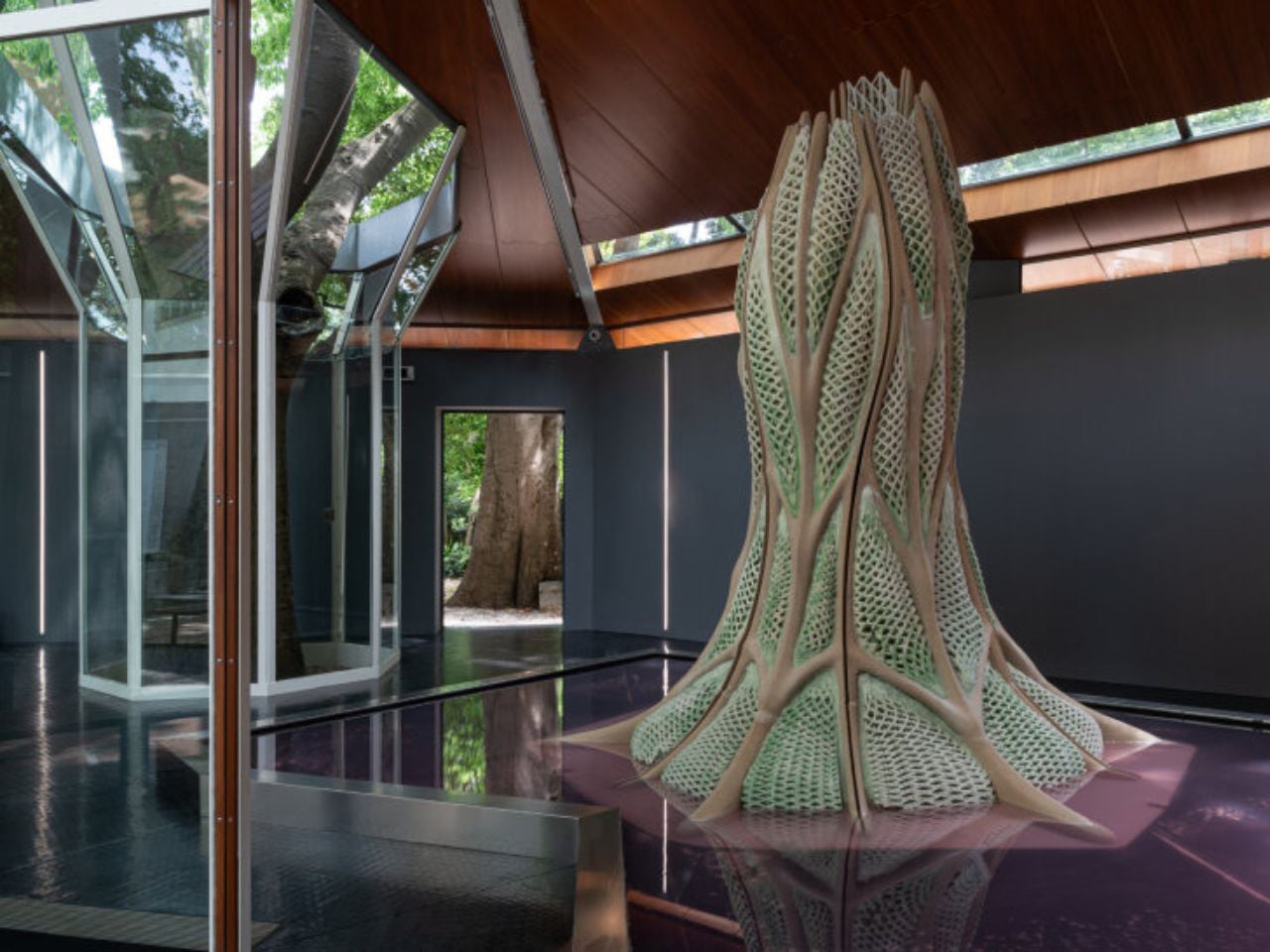
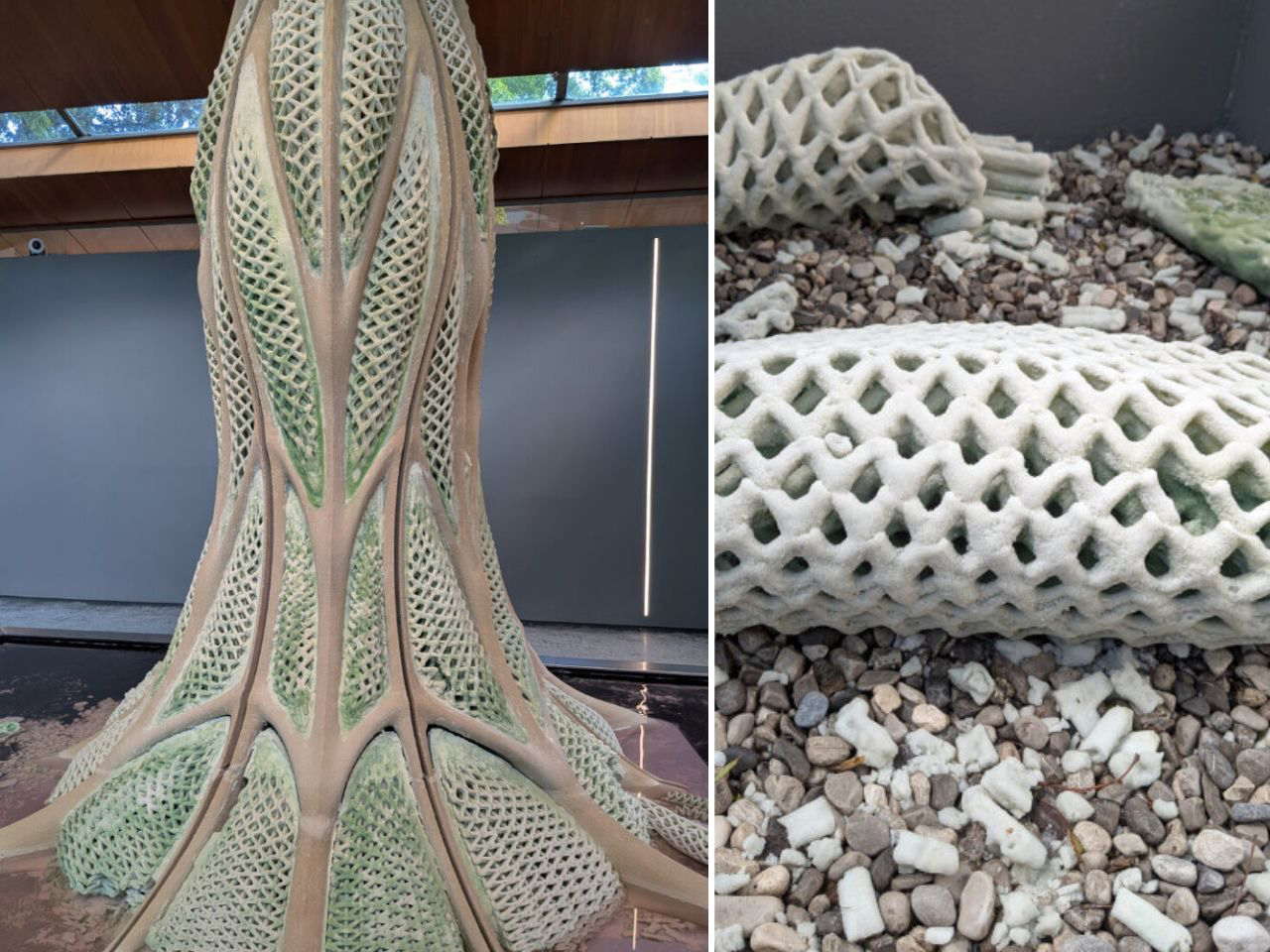
Picoplanktonics represents an innovative architectural product that challenges conventional ideas of how buildings can contribute to a climate-positive future. Developed by the Living Room Collective and spearheaded by architect and biodesigner Andrea Shin Ling, the initiative incorporates living cyanobacteria into three-dimensional printed biostructures that actively capture carbon dioxide from the surrounding air. Unlike traditional building supplies that merely attempt to minimize environmental harm, these living materials actively remove carbon while simultaneously releasing oxygen, transforming static architecture into a regenerative ecological system. By merging biology, advanced technology, and spatial design, Picoplanktonics demonstrates how the built environment can play a direct, active role in mitigating climate change.
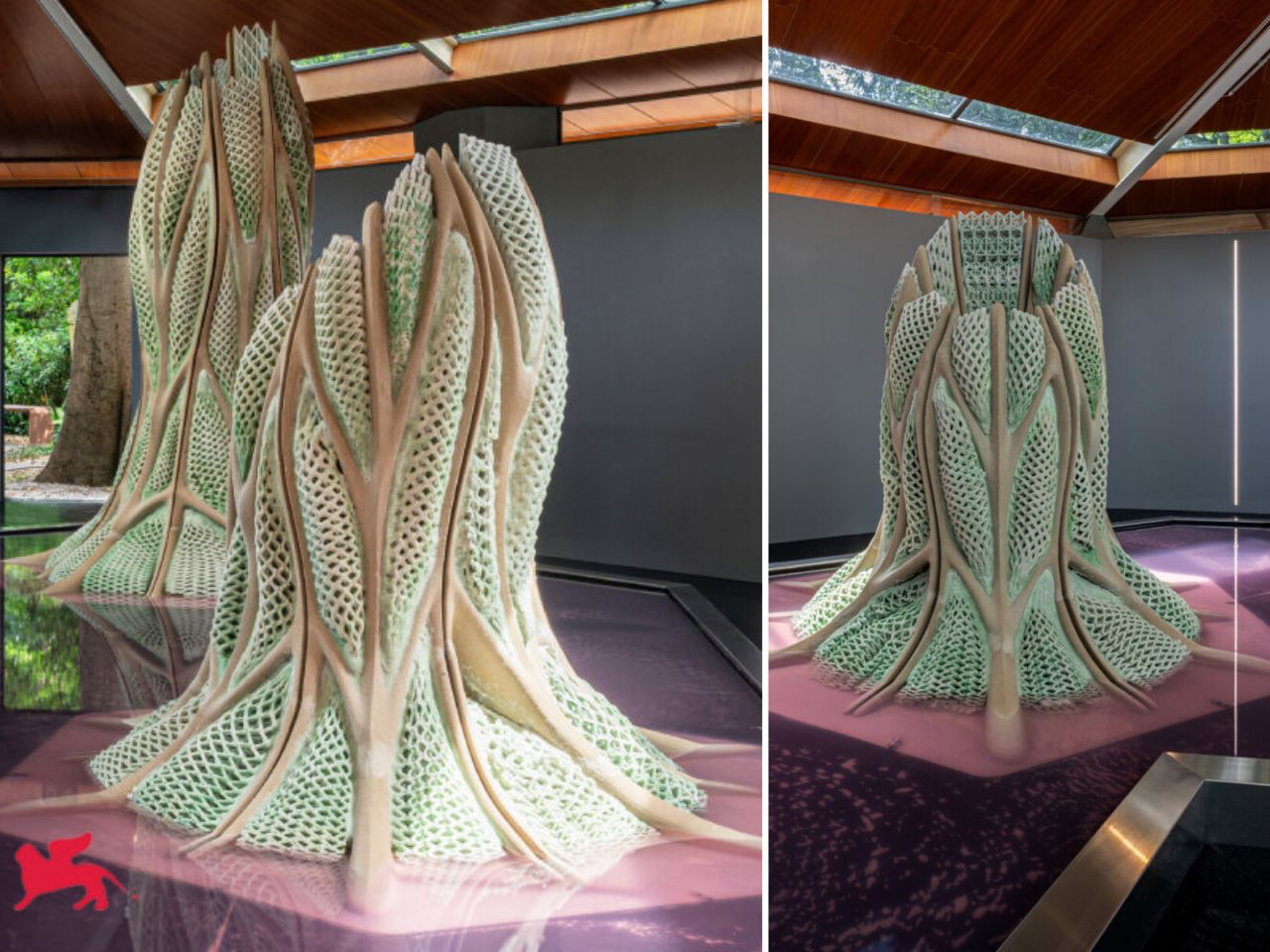
The product successfully integrates photosynthesis and biocementation, allowing captured carbon to be converted into stable mineral compounds that are permanently stored within the physical framework. This biochemical process yields carbon-negative materials that offer a sustainable alternative to traditional Portland cement, which remains one of the largest industrial sources of construction-related greenhouse gas emissions. Through its capacity to absorb, store, and permanently lock away carbon, Picoplanktonics introduces a compelling solution for future construction, highlighting how buildings might one day function as living carbon sinks that support healthier ecosystems.
Reusable Consumer Products
When examining everyday consumer objects, material selection and repeated utility must be evaluated in tandem. Replacing a petroleum-based feedstock with a plant-based alternative alters the origin of the raw material, but it does not automatically guarantee that the finished product is biodegradable or fully compatible with existing municipal recycling systems. Those critical properties depend entirely on complex polymer chemistry and the availability of specialized processing infrastructure.
Product reuse addresses a completely separate question regarding the duration of service an object provides before reaching the end of its lifecycle. A container intended for frequent refilling must remain structurally sound and hygienic beyond its initial use, while its ultimate disposal requires transparent, straightforward instructions for the consumer. Frameworks such as the United States Environmental Protection Agency’s materials-management hierarchy consistently prioritize source reduction and active reuse ahead of traditional recycling, serving as a reminder that recyclability should not be the sole benchmark for sustainable design.
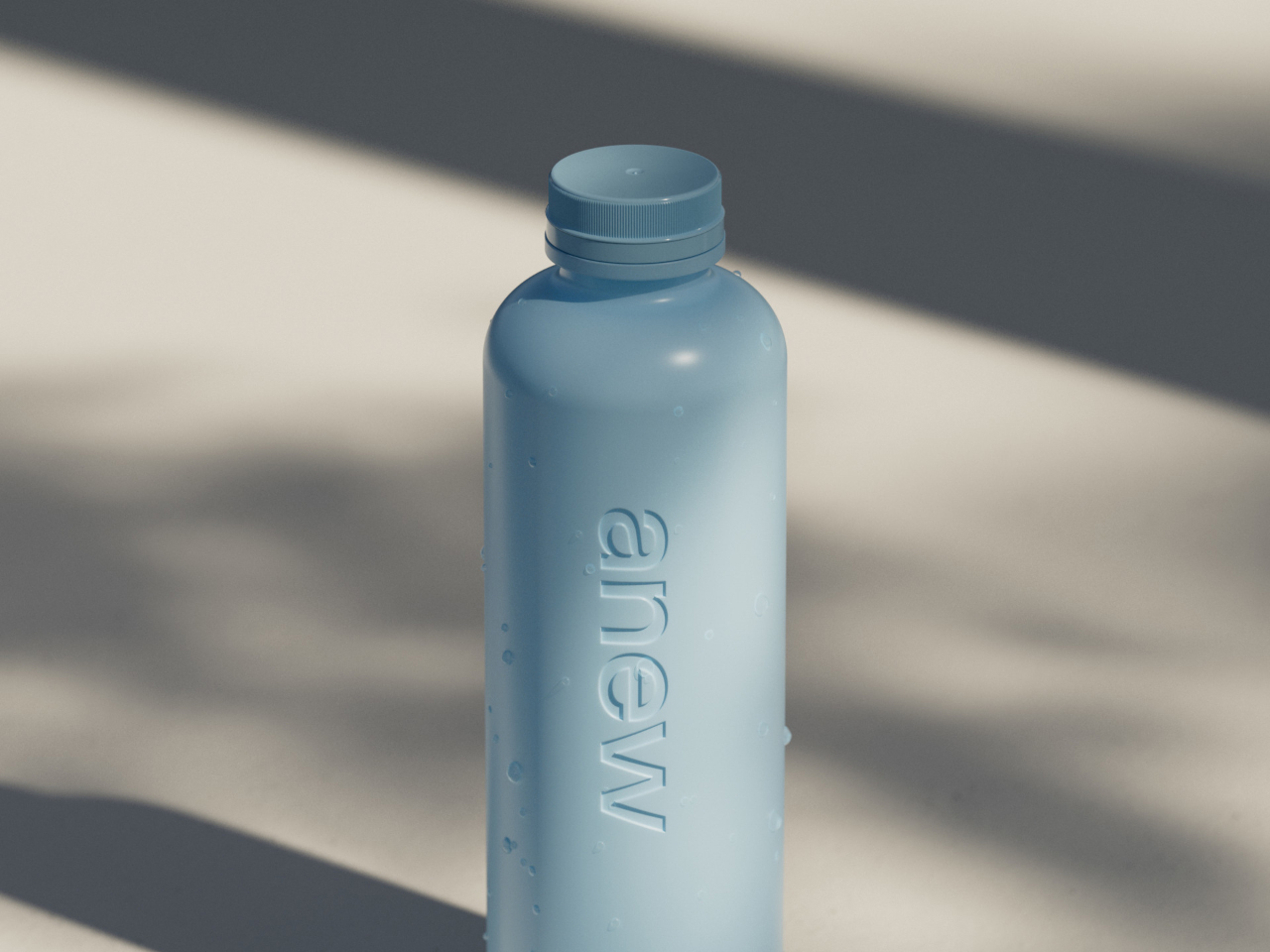
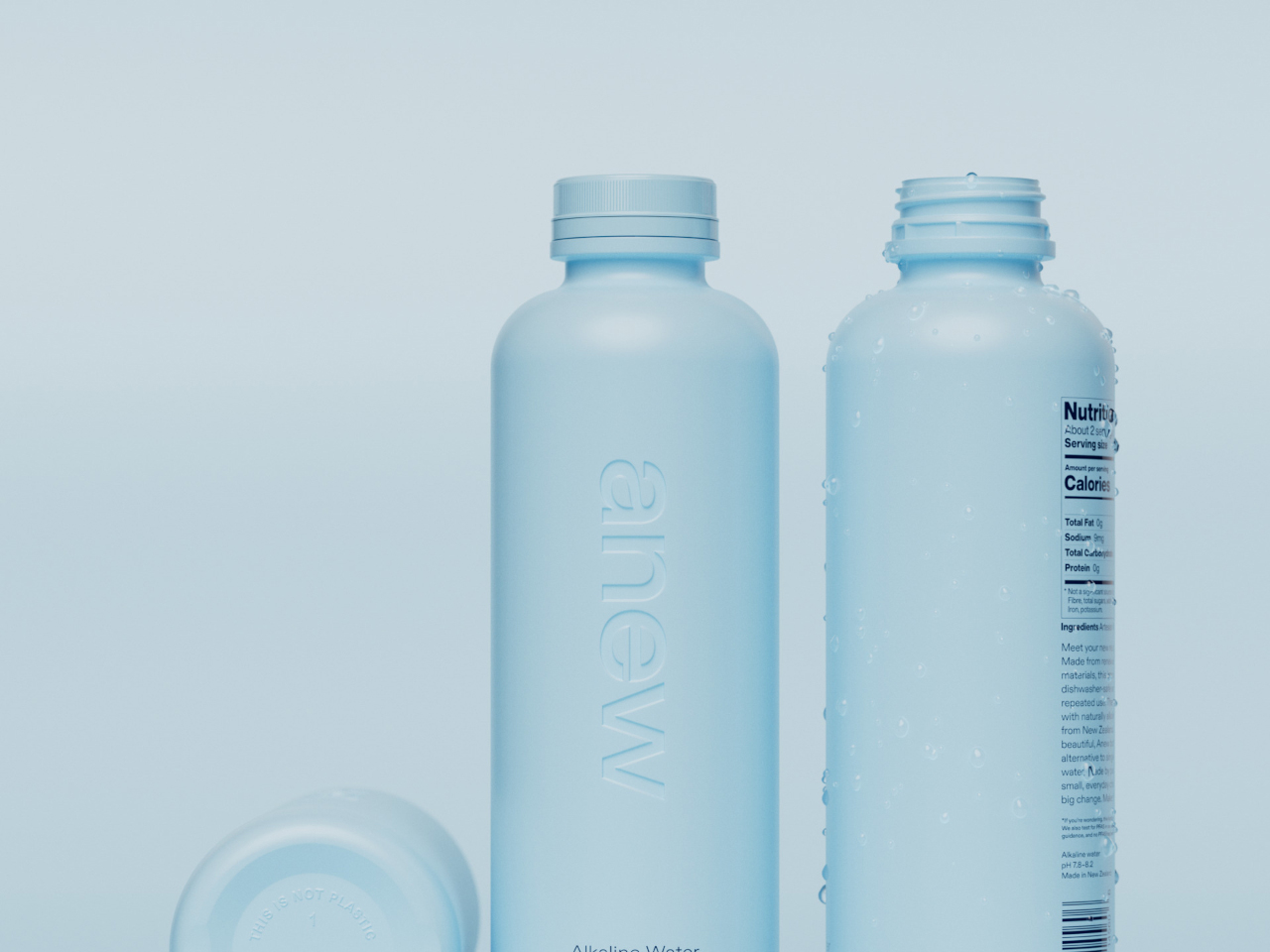
Anew is a plant-based water bottle engineered to support net-zero and carbon-negative objectives without forcing compromises on user convenience or structural performance. Fabricated entirely from renewable plant materials, the bottle looks and functions similarly to conventional single-use plastics while carrying a markedly lower environmental footprint. As the underlying raw crops grow, they absorb a volume of carbon dioxide that surpasses the emissions generated during manufacturing, yielding a genuinely carbon-negative product. Each individual bottle removes approximately 0.0765 pounds of carbon dioxide from the atmosphere, contributing directly to broader greenhouse gas reduction efforts.

The vessel utilizes a mono-material design philosophy, wherein both the cap and the main body are manufactured from the identical plant-based material, simplifying and improving the efficiency of the recycling process. Completely free from bisphenol-A, bisphenol-S, per- and polyfluoroalkyl substances, and microplastic shedding, it provides a safer alternative for consumers. Conceived within a circular economic model, these bottles can be reused over multiple years and reintroduced into established collection networks at the end of their lifecycle to form new products. By substituting fossil-fuel-based plastics with renewable inputs, Anew presents a scalable model for responsible consumption and the transition toward a net-zero economy.

Net-Zero Energy Homes
A net-zero energy home is designed to balance its total annual energy consumption with an equivalent amount of renewable energy generation on-site. The emphasis on an annual balance is critical; the designation does not imply that the building draws zero electricity from the grid at every single moment, but rather that its net consumption over a full year equals zero. Achieving this status requires a dual strategy of aggressively reducing energy demand while integrating renewable generation systems.
This dynamic renders the building envelope just as vital as the renewable equipment installed on the roof. High-performance insulation, rigorous airtightness, advanced glazing specifications, and thoughtful shading strategies belong in the exact same design conversation as photovoltaic solar panels. The fundamental objective is to minimize the energy loads of the house prior to sizing the mechanical systems required to supply them. Furthermore, achieving net-zero energy performance must not be conflated with eliminating the embedded carbon emissions associated with the materials utilized during construction.
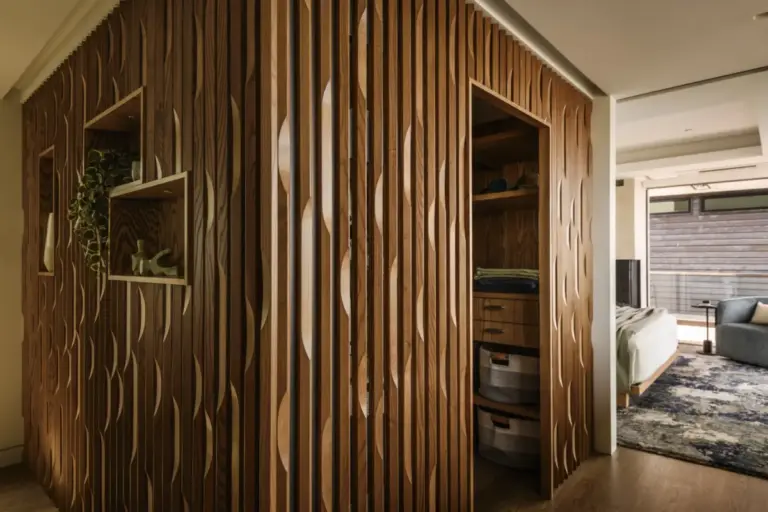
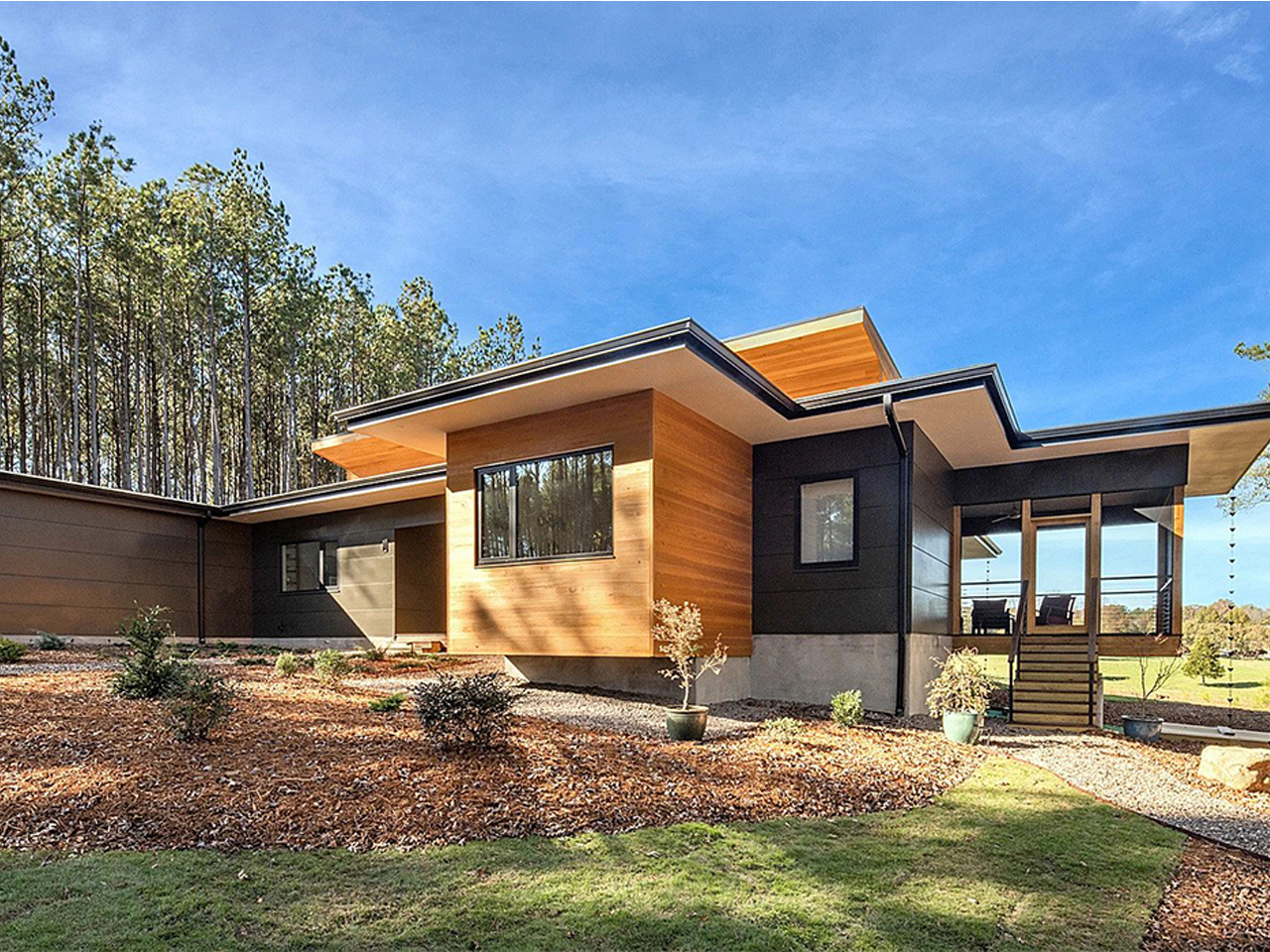
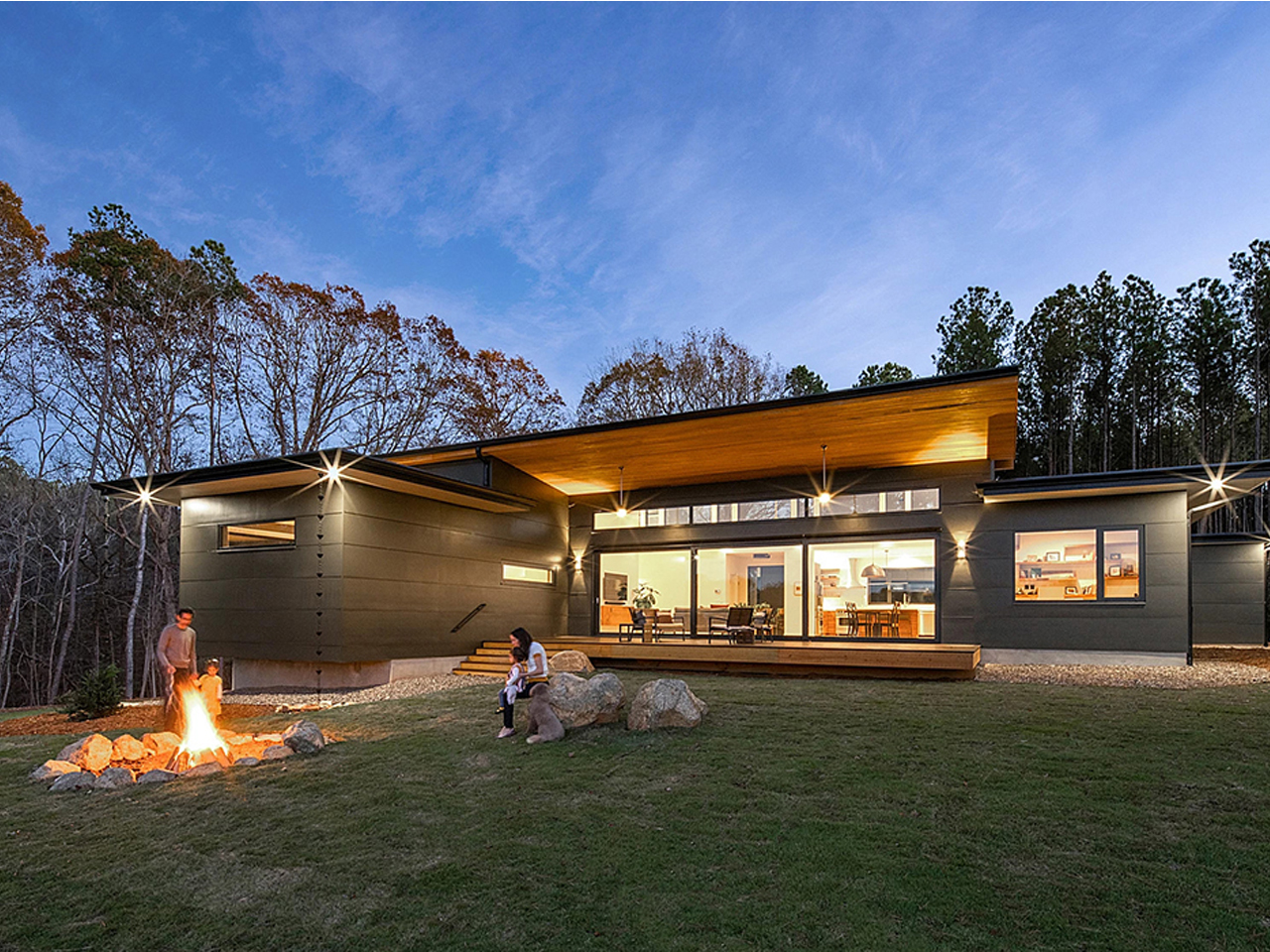
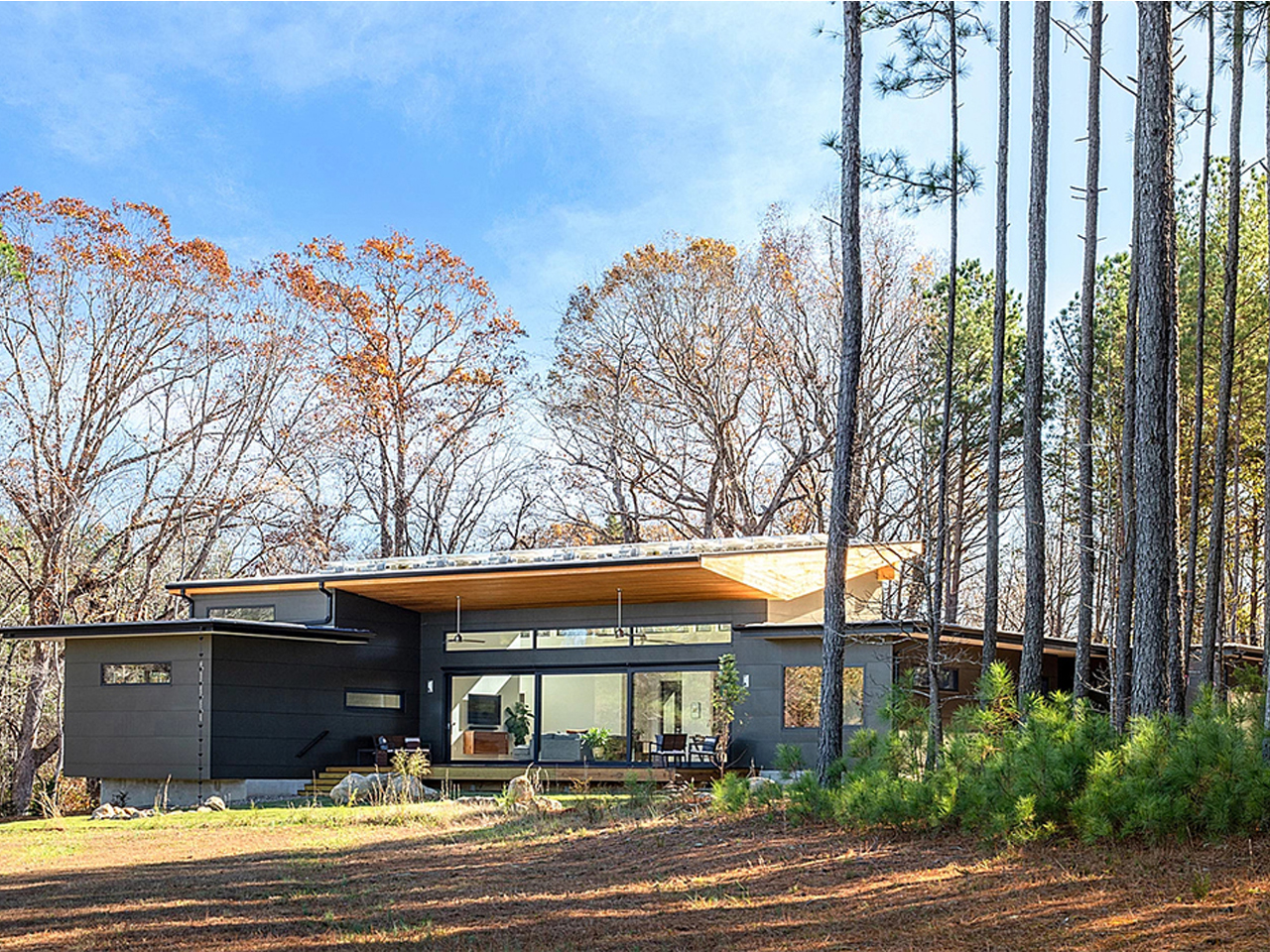
The Baboolal House stands as an example of a residential net-zero building, illustrating how contemporary architecture can drastically minimize its environmental footprint without sacrificing interior comfort or spatial utility. Conceived by architect Arielle Condoret Schechter, the residence generates renewable energy matching its annual consumption profile. Key structural features include rooftop solar arrays, a heavily insulated and airtight building envelope, triple-glazed windows, and a reflective cool-roof membrane designed to mitigate heat gain during warmer months.

Beyond its mechanical and thermal performance, the residence is organized to enhance the daily well-being of its occupants. Informed by the traditional architectural concept of the "borrowed landscape," the interior layout maximizes visual connections to the surrounding natural environment, strengthening the relationship between indoor and outdoor spaces. Open-plan living zones, efficient glazing, and deliberate spatial transitions combine to deliver a luminous, comfortable domestic environment.

Solar-Powered Transportation Concepts
Solar-powered aviation makes the complex relationship between mechanical energy and aerodynamic form acutely visible. An aircraft requires adequate surface area to capture sufficient sunlight, yet it must simultaneously manage total weight and the continuous power required to maintain stable flight. Solar generation, propulsion mechanisms, and onboard energy storage cannot be treated as isolated components; they must be engineered as an integrated whole. Research conducted by organizations like NASA into solar-powered uncrewed aircraft thoroughly documents these tightly coupled physical constraints.
Energy storage remains a persistent challenge during periods when direct sunlight is unavailable. Heavy battery systems add substantial weight, which directly alters an aircraft’s payload capacity and flight endurance. While a conceptual design featuring expansive panel-covered wings can effectively communicate a studio’s approach to clean mobility, its visual presentation alone cannot guarantee operational range, payload capacity, or real-world flight performance.
Falcon Horizon is a conceptual solar-powered aircraft intended to explore the future of zero-emission aviation through renewable energy integration. Drawing inspiration from the aerodynamic efficiency observed in birds of prey, the aircraft features a falcon-inspired flying-wing configuration designed to maximize lift while minimizing aerodynamic drag. Extensive solar panels span the dorsal surfaces of the wings, capturing sunlight to generate the electricity required for propulsion. By substituting conventional jet fuel with solar generation, the concept aims to eliminate direct carbon emissions and chart a viable course toward sustainable air travel.
The conceptual aircraft also integrates boundary-layer control technology, utilizing solar-generated power to manipulate airflow, improve aerodynamic performance, and enhance overall efficiency. This strategy reduces reliance on heavy battery arrays while optimizing energy consumption. Although the project remains conceptual, Falcon Horizon underscores the potential of combining advanced industrial design, renewable energy capture, and biomimicry to envision clean aviation solutions. As the broader aerospace industry investigates pathways to achieve net-zero emissions, such concepts illustrate how future aircraft might successfully harmonize environmental stewardship with high-performance engineering.