MILAN — As fashion and luxury brands continue to venture further into the realms of food and hospitality, the central challenge remains translating their distinct brand identity and core values into an entirely different setting without diluting the original message or alienating discerning consumers.
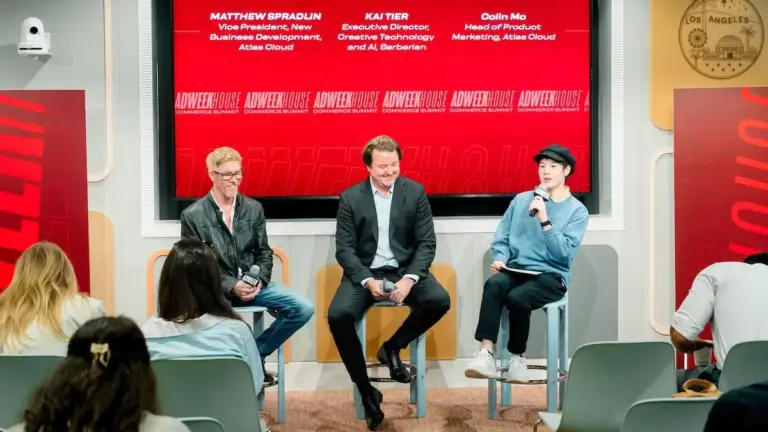
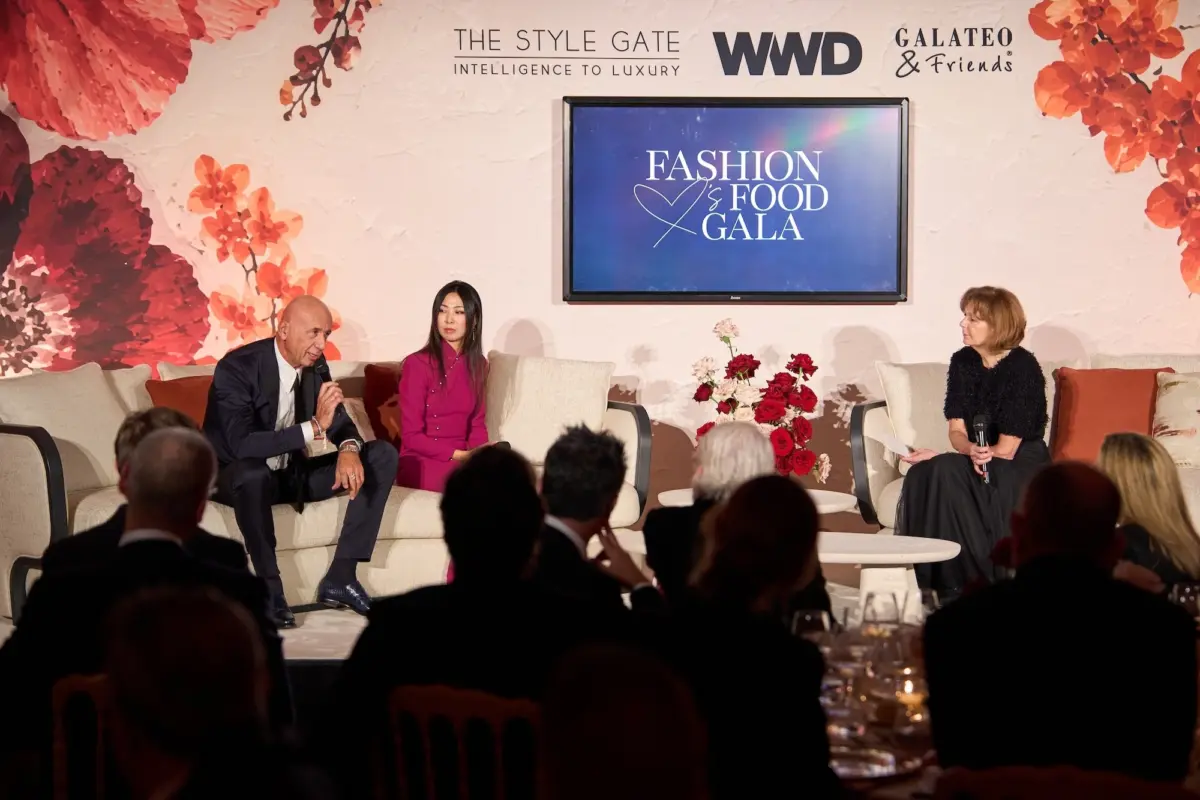
This dynamic intersection of lifestyle, culture, and commerce took center stage in Milan during the fourth edition of the Fashion Loves Food gala. Hosted jointly by WWD, The Style Gate, and Galateo & Friends at the prestigious Palazzo Parigi Hotel and Grand Spa, the event brought together industry veterans to discuss how luxury, aesthetics, and gastronomy increasingly overlap.
Among the featured voices was Giulia Liu, founder and owner of Gong Oriental Attitude, a high-profile Asian restaurant situated in Milan. During a panel discussion moderated by WWD Milan bureau chief Luisa Zargani, Liu offered her unique perspective on how to successfully blend disparate worlds.
“Fashion and food both have the power to create an identity and make people dream,” Liu told the audience. “A beautiful dress can make us special, just as a dinner can give us a memory we’ll cherish for years.”
That philosophy has served as Liu’s guiding mission since she opened Gong Oriental Attitude in 2015. Born in Wenzhou, located in China’s Zhejiang province, and raised in Italy, Liu studied at Milan’s renowned NABA, or Nuova Accademia di Belle Arti. She eventually ventured into the restaurant business with the distinct ambition of bringing together Asian culinary traditions, high-quality Italian ingredients, and international aesthetics.
Sharing the stage with Liu was Marco Bizzarri, the former president and chief executive officer of Gucci. Since his departure from the Kering-owned luxury powerhouse in 2023, Bizzarri has steadily built a sizable and diverse portfolio of investments spanning the hospitality and design sectors.
Bizzarri is currently an investor in Forel, the entity that controls Italian luxury interior design brand Visionnaire, as well as its plant-based restaurant concept, Linfa. Furthermore, his family office, Nessistudio, boasts strategic investments across a variety of industries, supporting companies such as Golden Goose, Goat, Genies, and several distinct hospitality ventures.
Reflecting on his transition from the upper echelons of global fashion to the more intimate world of gastronomy, Bizzarri noted that his fascination with creative directors has always driven his professional curiosity.
“I’ve always wanted to be close to the creativity and sensibility of fashion’s creative directors. They’re fascinating to me — very different from me, complementary, and often challenging to work with,” Bizzarri said. He added that what has consistently captivated him is their unique ability to conceptualize a product or a dish by seamlessly bringing together raw materials or ingredients, visualizing what they could become long before anyone else can see the potential.

Interestingly, Bizzarri explained that many of his investments in food and hospitality came about largely by chance, often rooted in a deep sentimental attachment to specific geographic locations. These ventures include Osteria del Viandante, located in Rubiera within Italy’s Emilia-Romagna region—the very place where the executive and his wife were married. Another notable property is the Michelin-starred Dalla Gioconda, perched dramatically on a hill in the town of Gabicce Monte. That establishment is owned by his son, Stefano Bizzarri, alongside his wife Allegra Tirotti Romanoff and chef Davide di Fabio.
Recalling the acquisition of Dalla Gioconda with a chuckle, Bizzarri explained the personal motives behind the business move. “We bought the restaurant because we had a home just below it and wanted to protect the place we loved. We didn’t want someone else to buy it and disrupt our retreat,” he said.
For Bizzarri, stepping into the hospitality landscape is less about aggressive corporate expansion and more about cultivating a tangible relationship with the environments that shaped his life. “My connection to hospitality is really about creating a bond with the places I’m attached to — the town where I was born and the place where I spent much of my childhood,” he reflected. “It’s an attention to roots that isn’t nostalgic. It’s about bringing back the kind of beauty that’s so characteristic of Italy.”
While major luxury conglomerates often approach food and beverage through calculated global rollouts and branded cafés, Bizzarri’s investment philosophy embraces a more organic, localized approach. “If I’d been thinking only about making a financial investment, I probably would have done something else,” he admitted. “These are unique places. You can’t replicate them. There’s no rollout model, but the businesses are profitable, and they make us happy.”
This theme of personal authenticity and cultural storytelling was echoed by Liu, who emphasized that Gong Oriental Attitude is similarly rooted in an intimate family narrative.
“My husband and I are a Chinese family raised in Italy, and the restaurant carries that story,” Liu explained. The establishment deliberately draws inspiration from Eastern culinary roots while reinterpreting them through a contemporary sensibility that remains open to cultural dialogue.
“I feel a bit like an ambassador between East and West,” Liu said. “I believe we have a responsibility to carry this message of connection between the two worlds.”
As fashion brands increasingly look to dining spaces as physical extensions of their runways and marketing campaigns—transforming temporary retail moments into permanent lifestyle destinations—both Liu and Bizzarri underscored that the underlying integrity of the experience remains paramount. Whether dealing with haute couture or haute cuisine, the ultimate measure of success relies on alignment between the brand’s core identity and what the consumer actually encounters.
“A brand’s strength comes from the consistency between what it promises and what people actually experience,” Liu concluded.