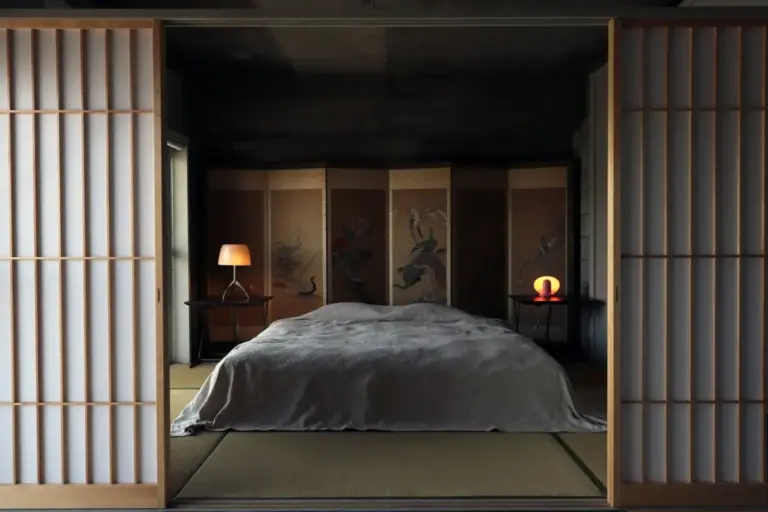
As the autumn air turns crisp and the calendar points toward shorter, darker days, the home naturally transforms into a cocoon of comfort. There is a distinct, grounding pleasure in knowing a warm and welcoming bed awaits at the end of a long day, promising a deep night of restorative sleep followed, ideally, by a slow and languorous morning. If ever there was a season that actively invites lingering under the covers, it is this one, making it the ideal moment to reevaluate and refine the ultimate domestic sanctuary.
Achieving a bed that feels both deeply inviting and visually compelling requires more than simply pulling up a comforter. While making a bed is a rudimentary task mastered in early childhood, elevating the practice to professional, hotel-quality standards requires a careful orchestration of texture, color, and proportion. It is the subtle difference between a bed that is merely functional and one that genuinely transforms the bedroom into a daily luxury.
According to Patrick Williams, founder of the design studio Berdoulat, the philosophy of bed styling relies heavily on immediate emotional resonance. You want the bed to welcome you the moment you walk into the room, he notes. Williams believes that the secret lies in striking a delicate balance between a considered juxtaposition of fabric and color on one hand, and an inviting, relaxed, and laissez-faire look on the other. Too much perfection can feel clinical, while too little structure can appear unkempt; the sweet spot is an effortless aesthetic that draws you in.
To understand how to successfully navigate this balance, a number of leading interior designers have weighed in on what truly works, what to avoid, and how to transition the bedroom from an afterthought into a curated masterpiece.

Reconsidering the Duvet in Favor of Thoughtful Layering
For many homeowners, the traditional duvet is an unquestioned staple of bedroom decor. However, industry insiders suggest that parting ways with the classic comforter might be the key to unlocking a more elevated, texturally rich look. Heidi Caillier, a celebrated interior designer known for her layered, collected aesthetic, takes a firm stance against standard duvets. She notes that she does not use duvets or comforters because she dislikes how lumpy they tend to become and personally finds them uncomfortable to sleep under.
Instead, Caillier relies on a strategy of multi-layered warmth. Her preferred setup begins with a crisp, high-quality bottom sheet, upon which she builds depth and tactile interest using a combination of quilts and blankets in a harmonious mix of colors and subtle patterns. This approach yields an end result that feels collected over time rather than purchased off a shelf as a matching set, exuding a quiet confidence and timeless elegance.
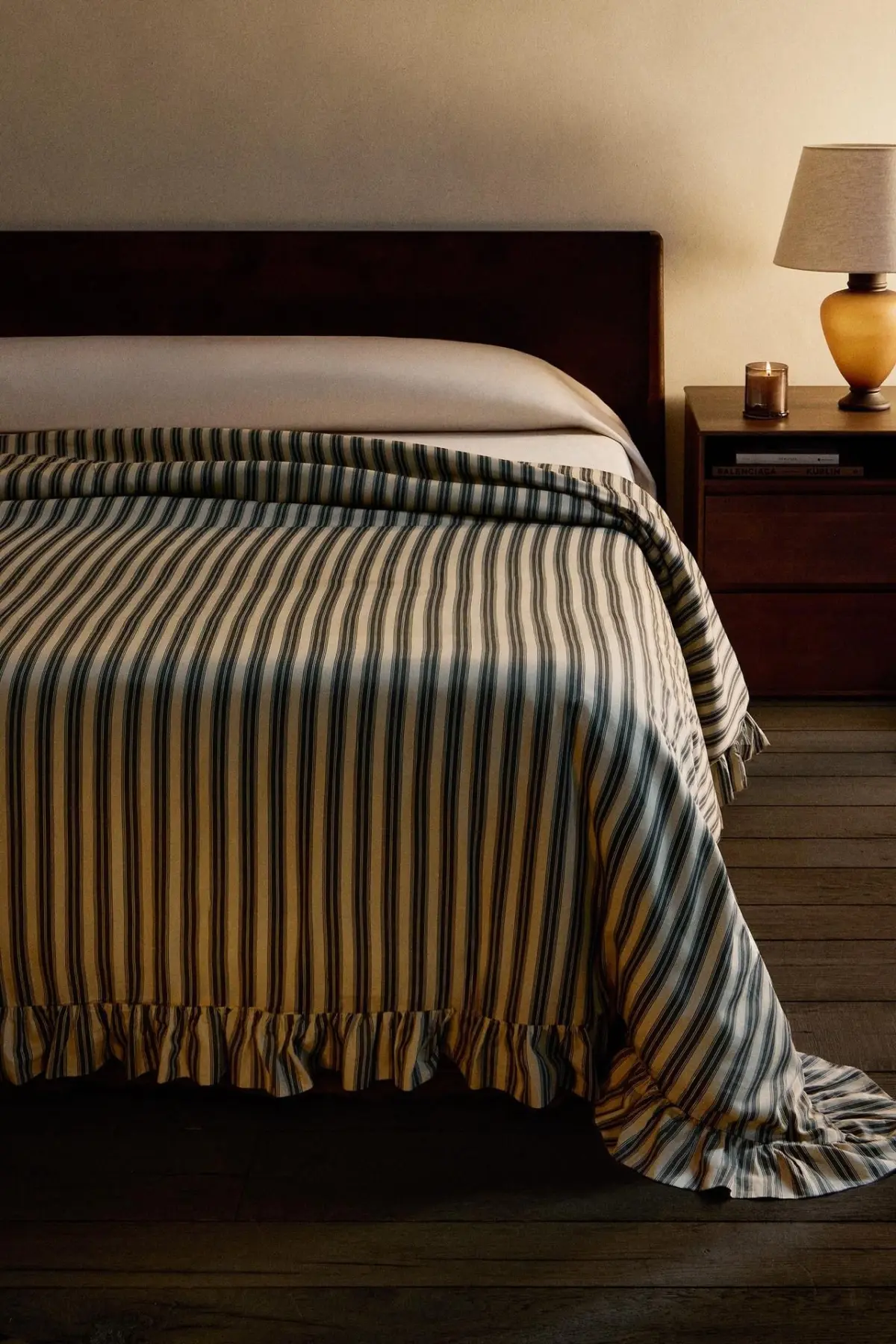
For those who are not yet prepared to completely abandon their duvet, designers recommend introducing visual intrigue through pattern clashing and tonal layering. Williams points out that a bed featuring solely one-colored bedding can sometimes feel rather ominous and stark. Instead, he advocates for varying textures and tones, creating a delightful moment of discovery when getting into bed. For instance, catching a glimpse of a pink-and-blue ticking stripe sheet beneath a neutral ochre linen set adds an unexpected layer of design sophistication. Floral prints, such as delicate rose-patterned sheets, can achieve a similarly charming effect when paired with earthy solids.
The Architecture of Pillows
When it comes to the perennial debate over pillow styling, design consensus strongly favors restraint over excess. While the temptation to pile high-end cushions across the head of the bed can be strong, experts agree that an over-endowed pillowscape quickly crosses the line from luxurious to fussy.

For a standard double bed, Caillier outlines a specific formula: four sleeping pillows arranged with two on each side, stacked one on top of the other, accompanied by a single decorative pillow positioned prominently in front. She expresses a distinct preference for keeping these accent pieces smaller, noting a strong aversion to oversized European square pillows that tend to dominate the bed frame.
A single long lumbar cushion is another designer-approved favorite, offering a clean, architectural line across the breadth of the bed. Whether rendered in a rich velvet or a textured vintage fabric, a lumbar pillow adds a sophisticated focal point without cluttering the sleeping surface. Katie Monkhouse, another prominent interior designer, keeps things minimal for her clients by utilizing just one large lumbar pillow paired with a single throw blanket draped across the foot of the bed. According to Monkhouse, this specific combination is usually enough to make the space feel both stylish and deeply inviting. She suggests pulling the top blanket up and over the sleeping pillows before resting the long lumbar cushion in front, creating a clean, minimal, and tailored look.
The Resurgence of Quilts, Bedspreads, and Eiderdowns
Traditional textiles such as quilts, bedspreads, and eiderdowns are currently experiencing a significant design renaissance, prized equally for their exceptional warmth and their profound aesthetic impact. American interior designers have long held an affinity for English country style, favoring spaces that feel layered, cozy, and gently nostalgic—qualities that eiderdowns and quilts embody effortlessly.
Cinny Aumonier, a specialist in bespoke soft furnishings, explains that the unique combination of down fill and intricate, detailed stitching creates a plump, sculptural quality that grants the bed a genuine physical presence in the room. Whether selected in a minimal solid color or a punchier, modern pattern, these textiles bridge the gap between historic craftsmanship and contemporary interior design. Designers frequently source vintage quilts to introduce a sense of history, noting that mismatched layers are often the secret to making a bedroom feel genuinely lived-in and authentic rather than overly staged.

Introducing Drama Through Canopies and Curtains
For those looking to make a more permanent architectural statement, framing the bed with fabric canopies or dramatic curtains can fundamentally alter the atmosphere of a room. Buchanan Studio famously utilized this technique in a Belgravia bedroom project, installing curtains on an oversized curved curtain pole to soften the rigid geometry of a symmetrical master bedroom while introducing a profound sense of calm and sensuality. When drawn, the curtains create an intimate room within a room, and when open, they maintain a cocooned and private world within the broader space.
While custom curtain installations require careful planning, achieving a similar atmosphere can be accomplished with simpler methods. Fabric canopies offer an equally impactful way to infuse texture and warmth into the sleeping quarters. By hanging a curtain rail behind the bed—directly above the headboard—and draping soft cotton or linen fabric from it, homeowners can replicate the dramatic effect with surprising ease. For the truly ambitious, a classic four-poster bed remains the ultimate expression of bedroom opulence.
Knowing Where to Draw the Line
Despite the myriad ways to dress a bed, the universal warning from design professionals is clear: do not overcomplicate the process. Excessive decorative elements can easily render a bed fussy, overly staged, and impractical for actual living. Williams emphasizes that he is not a fan of overly dressed beds where one must laboriously deconstruct and remove towering piles of cushions simply to gain entry at night. Ultimately, blankets, quilts, and cushions are intended for daily use and comfort, not merely for visual display.
To achieve the ultimate hotel-worthy experience, designers stress that styling must be supported by a foundation of exceptional basics. The Buchanan design duo recommends starting with a high-quality mattress and a supportive mattress topper measuring between two and three inches thick to secure a cloud-like foundation. Paired with reliable, breathable sheet sets crafted from quality linen or percale, these foundational elements ensure that the bed looks as magnificent as it feels, perfectly bridging the gap between everyday practicality and refined luxury.