MILAN — There is a new frontier in the world of high-end tasting, moving beyond the well-established realms of fine wine, aged whiskey, and extra-virgin olive oil: sophisticated chocolate sampling.
While connoisseurs around the world have long developed a sophisticated vocabulary and deep cultural appreciation for viticulture and spirits, the culinary world is only beginning to scratch the surface when it comes to understanding and appreciating the nuances of chocolate and cocoa. According to industry experts, a significant educational gap remains, even among culinary professionals.
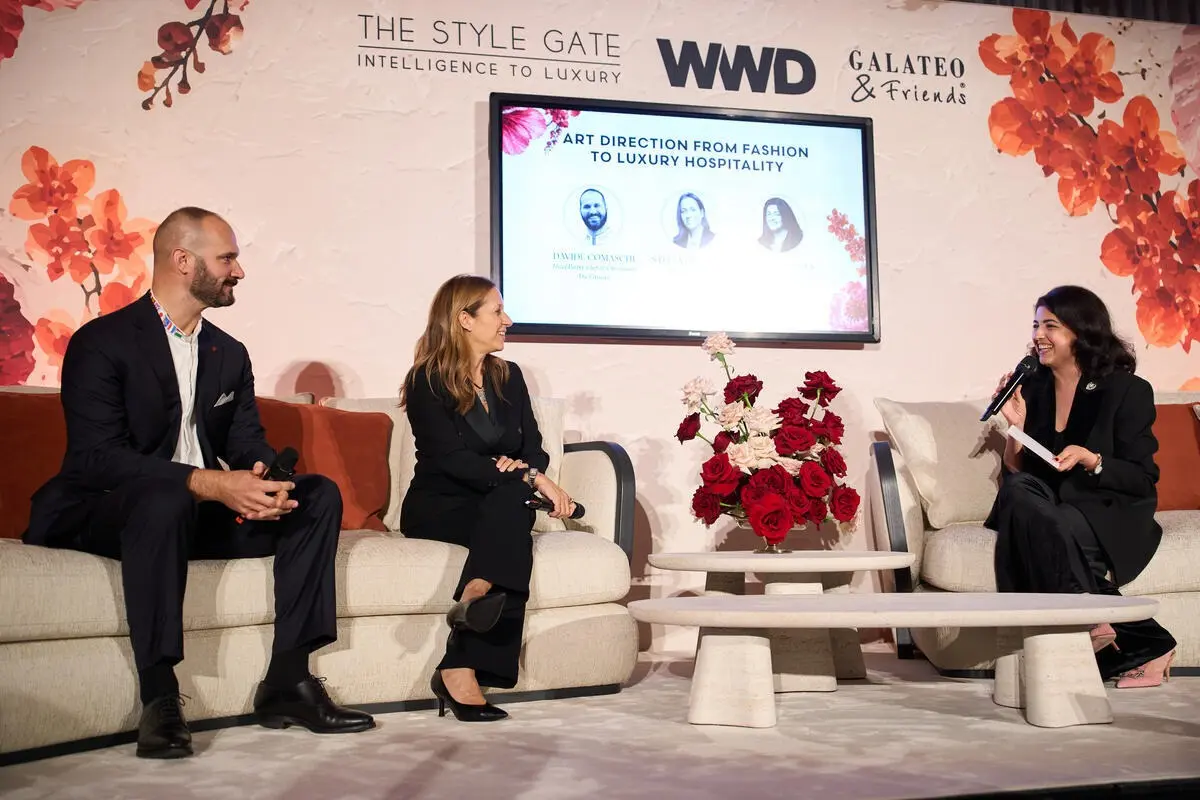
“While there is a general knowledge and culture of wine, there is still a very big gap to fill on how you choose chocolate and cocoa — even among professionals,” contended Davide Comaschi, head pastry chef and chocolatier at the renowned Da Vittorio group.
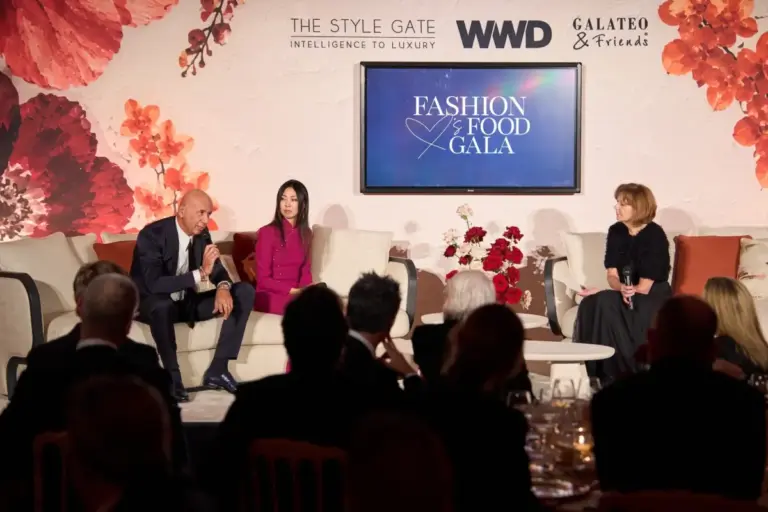
Comaschi elaborated on this evolving perspective during a high-profile conversation with Stefania Valenti, managing director of Istituto Marangoni. The discussion was moderated by Sandra Salibian, WWD Milan’s fashion, beauty, and business editor, during the fourth edition of the Fashion Loves Food gala. The prestigious event was jointly hosted by WWD, The Style Gate, and Galateo & Friends, bringing together luminaries from the worlds of luxury, design, and gastronomy in the heart of Italy’s fashion capital.
“Chocolate is not just about taking hold of a bar and eating it on the sofa in five minutes. It’s something that needs to be understood and tasted and it’s especially important to communicate how this should be done, creating sensorial experiences because chocolate is really part of an enormous world,” Comaschi explained to the attentive audience of industry leaders, designers, and tastemakers.
Stefania Valenti readily concurred with the celebrated chocolatier, emphasizing that elevated chocolate tasting represents a definitive concept of excellence that aligns seamlessly with the values of modern luxury.
Known globally for its elite experience in training creative professionals in the fields of fashion, art, and design, Istituto Marangoni has increasingly looked toward adjacent luxury sectors. In 2025, the institution made a strategic expansion by debuting specialized postgraduate master’s degrees dedicated to hospitality.
Reflecting on the genesis of this academic pivot, Valenti revealed that when she first proposed expanding into the hospitality sector during a Fashion Loves Food event two years ago, the initiative “seemed a bit of a crazy idea” to the institution’s shareholders. As is often the case “any time you choose a new path that is a bit lateral,” skepticism was natural. However, Valenti chose to persist with her visionary approach.
“I thought it was legitimate for Marangoni to approach the high-end range of the hospitality spectrum, not in the traditional sense but by trying to apply fashion’s best practices,” she noted, outlining a philosophy that bridges creative design management with guest experiences.
During this year’s gala, Valenti addressed Alessandro Sartori, artistic director of Zegna, who was seated attentively in the audience. She pointed to creative leaders of his caliber as prime examples of how modern luxury operates, noting that such designers “know how to create a vision, a language of aesthetic codes and not only a collection.”

“So why can’t we apply these best practices to high-end hospitality, thinking beyond the boutique hotel or the international chains, with an all-around artistic direction?” Valenti asked, framing the future of luxury hospitality through the lens of comprehensive creative direction.
To realize this ambitious vision, Valenti proudly touted the introduction of a new three-year course developed in strategic partnership with the famed Da Vittorio fine dining restaurant, a culinary institution synonymous with the highest standards of Italian gastronomy.
“We don’t pretend to create chefs or maître chocolatiers, but we want to teach our students to understand the complexity of this world from within,” she explained, detailing the immersive nature of the curriculum.
The synergy between fashion and high-end gastronomy is rooted in a shared evolution of consumer expectations. Comaschi, who made history in 2013 by becoming the first Italian chef to win the prestigious World Chocolate Masters competition among a multitude of other international accolades, noted how dramatically the culinary landscape has transformed over the decades. He currently collaborates closely with the Cerea family of the three-Michelin-starred Da Vittorio restaurant while also driving his own eponymous brand, Davide Comaschi Milano, which unites meticulous design, exceptional raw ingredients, and multi-sensory experiences.
“Our sector has changed very much because today we study collections and we have taken inspiration from fashion, which has taught us a lot about what people require,” Comaschi said.
Reflecting on the creative process behind modern pastry and confectionery, the master chocolatier emphasized that the days of straightforward presentation are long gone. “Today, you can’t present a chocolate, a pastry, or a cake as you did 30 years ago. You have to offer an experience that must be shared but also unique, which is the beauty of our job — not seeking ideas that are completely new, but to render the traditions of our cuisine unique.”
As a concrete example of this design-forward philosophy, Comaschi cited a new line of artisanal chocolates infused with lemon and orange zests. Rather than relying on traditional packaging, the collection was presented with “an entirely different design, very elegant, that can give you a visual emotion through the shape and packaging inspired by a cigar box or a pastel case.”
In the pastel case presentation, the vibrant zests are arranged meticulously in a row displaying a sophisticated gradient of colors. “These are beautiful, so the unboxing is an experience of the senses, but also visual,” he added.
Providing further context on Istituto Marangoni’s expansion into hospitality, Valenti explained that the move stemmed from observing a distinct market trend: students with backgrounds from prestigious Swiss hospitality schools were increasingly enrolling in Marangoni’s master’s courses in fashion, luxury, and brand management. When one of those esteemed Swiss institutions approached Marangoni looking for institutional synergies, Valenti and her academic team realized they had the unique capability to forge ahead on their own terms.
They saw an opportunity to provide students with an education fortified by the school’s signature cross-pollination of art, design, and fashion principles.
Valenti also highlighted the truly global footprint that supports these educational initiatives, noting the institution’s established network of schools spanning Milan, Florence, Paris, London, Dubai, and Riyadh, positioning the academy at the very crossroads of international luxury education and industry innovation.