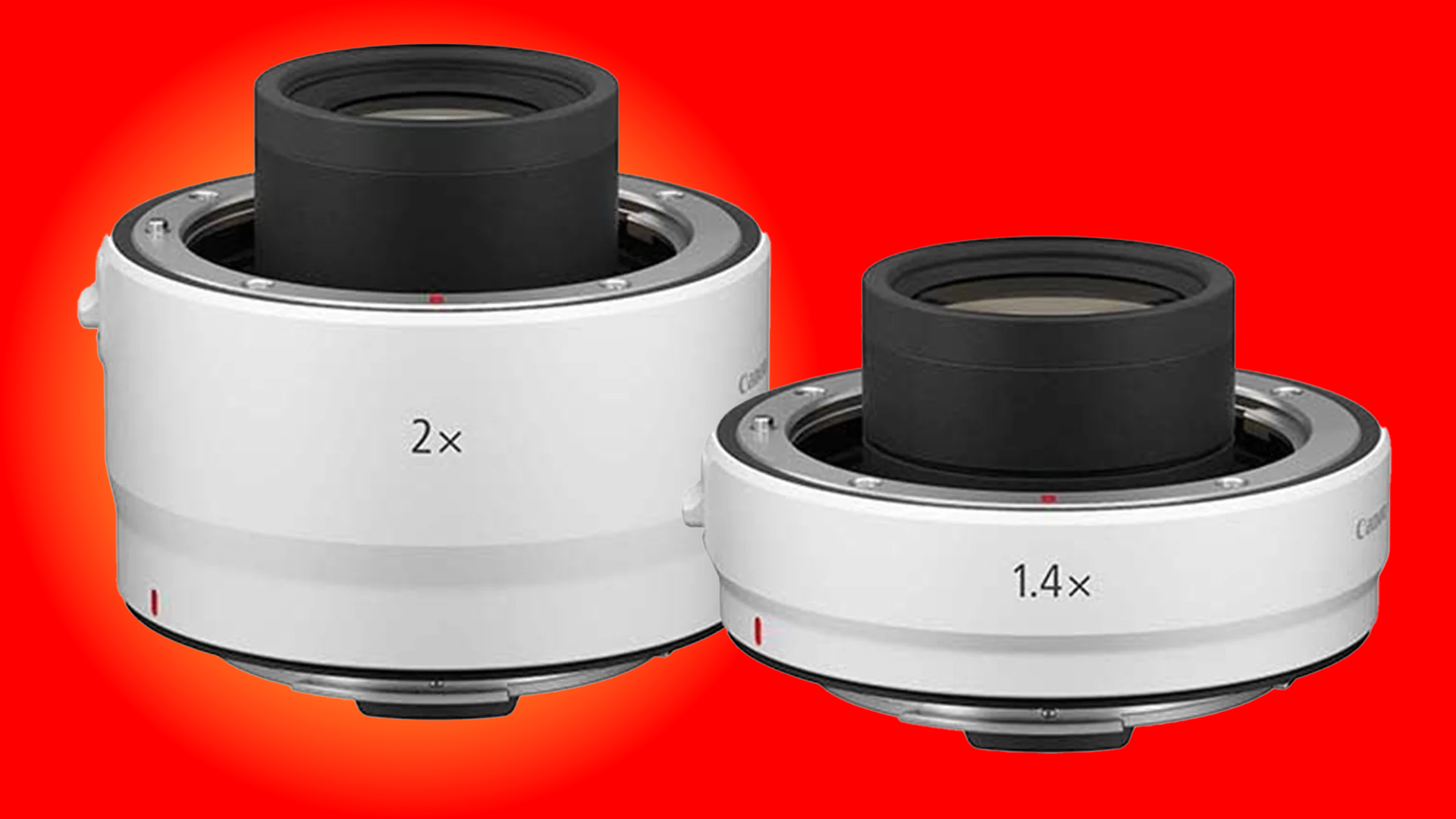
Canon has issued an important global service notice for owners of its RF 1.4x and RF 2x teleconverters, warning photographers of a potential issue with the locking mechanism that could, in worst-case scenarios, cause an attached lens to become detached.
It is the kind of warning that naturally sends a cold shiver down the spine of any professional or enthusiast photographer. Teleconverters are precision optical instruments designed to bridge the gap between a photographer and their subject by magnifying the focal length of a master lens. In the Canon EOS R ecosystem, the RF 1.4x Extender and RF 2x Extender are frequently paired with some of the manufacturer’s most prestigious, specialized, and expensive telephoto glass. These high-end lenses are cornerstones of wildlife, sports, aviation, and photojournalism setups, often representing investments running into thousands or even tens of thousands of dollars.
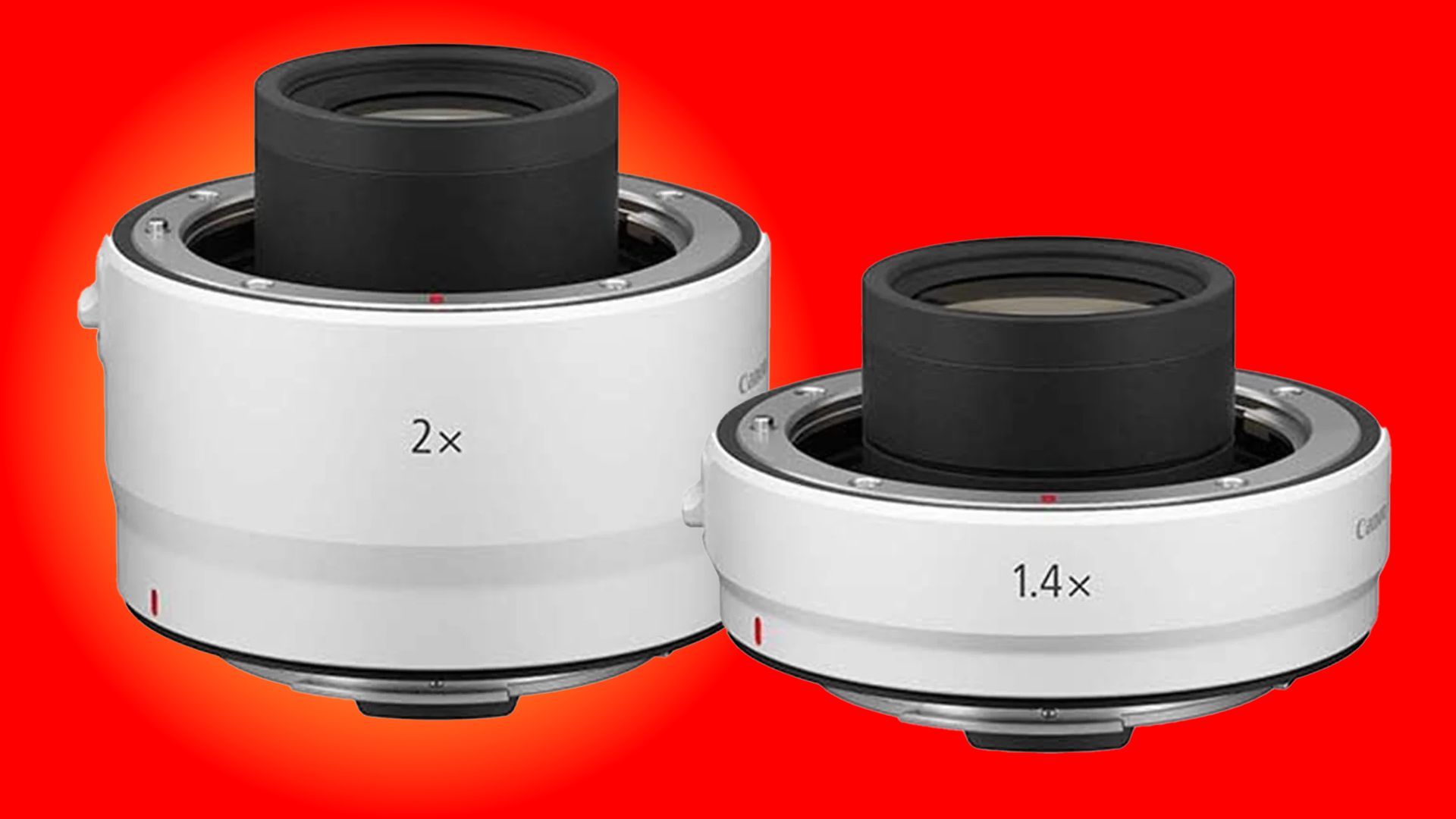
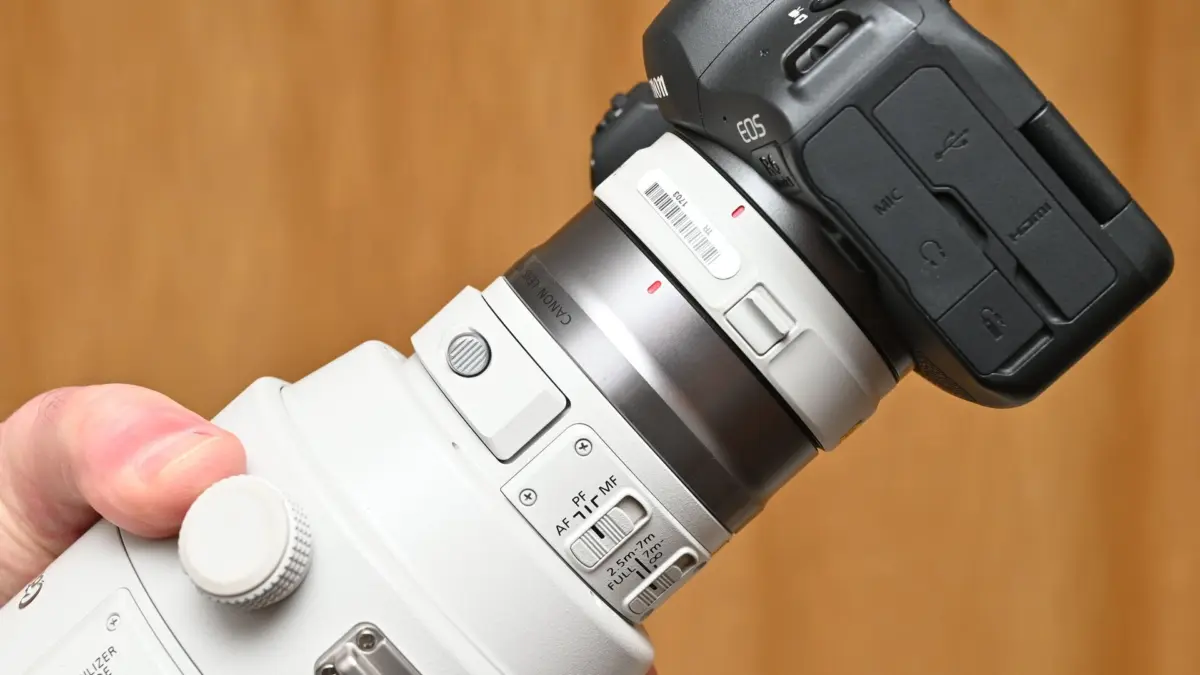
According to official advisories released by the manufacturer, the root of the concern centers on the lens release lever found on the extenders. Under certain conditions, this mechanism may exhibit stiffness, sluggishness, or a failure to operate smoothly and return to its proper resting position. If the lever does not engage correctly, the mounted RF lens may fail to lock securely into place. While the lens might initially feel attached, the compromised locking mechanism creates a vulnerability where the heavy optical assembly could potentially come loose during active shooting conditions.
Canon is strongly advising all owners of the RF 1.4x and RF 2x extenders to perform a manual check of their equipment before heading out into the field. Photographers are urged to verify that their lenses are firmly mounted and that the release lever moves freely without catching, sticking, or showing any unusual resistance. Although this physical check is a relatively simple precaution, it is an essential step that could prevent a catastrophic and expensive accident, particularly for professionals working rapidly in high-mobility environments.
The RF 1.4x and RF 2x teleconverters have quickly established themselves as indispensable accessories for users of the Canon EOS R mirrorless camera system. By effectively increasing the focal length of a lens—adding a 40 percent magnification boost with the 1.4x model and doubling the reach with the 2x version—these tools allow photographers to draw distant subjects closer without the need to purchase, transport, and handhold massive, dedicated super-telephoto prime lenses. This balance of portability and enhanced reach has made them immensely popular among mobile wildlife and sports shooters who must frequently react in fractions of a second.
However, the physical realities of modern telephoto photography mean that extenders are subjected to significant mechanical stress. Heavy lenses exert substantial torque and rotational pressure on the mount interface, especially when mounted on monopods, tripods, or when being actively tracked and panned during fast-moving action sequences. The thought of a heavy telephoto lens unexpectedly separating from an extender mid-shoot is understandably concerning for the photographic community. While Canon has not publicly disclosed the exact prevalence of the issue or estimated how many units might be affected globally, the issuance of a formal service notice emphasizes that the manufacturer is treating the matter with appropriate seriousness.
Importantly, Canon has confirmed that affected customers can request an official product inspection and necessary repairs. For users in the United States, repair services for this specific issue are being explicitly offered free of charge through official Canon service channels. At this stage, the situation is being handled as a service advisory rather than a broad consumer product recall, and the company has not published a specific batch range or list of serial numbers associated with the locking mechanism anomaly.
Photographers who notice any unusual mechanical behavior, stiffness, or hesitation in the release lever of their RF 1.4x or RF 2x extenders are strongly advised to cease using the equipment immediately. Instead of risking continued field use, owners should contact their regional Canon authorized service center to arrange for professional evaluation and servicing.

Detailed information regarding the advisory, including specific guidance on how to identify potential resistance in the locking mechanism and instructions on setting up a repair service request, can be found directly on Canon’s official support and product advisory portals. For professionals and hobbyists alike, taking an extra moment to inspect gear before a shoot is a minor inconvenience when weighed against the alternative of watching a premier-grade RF lens detach and drop to the ground.