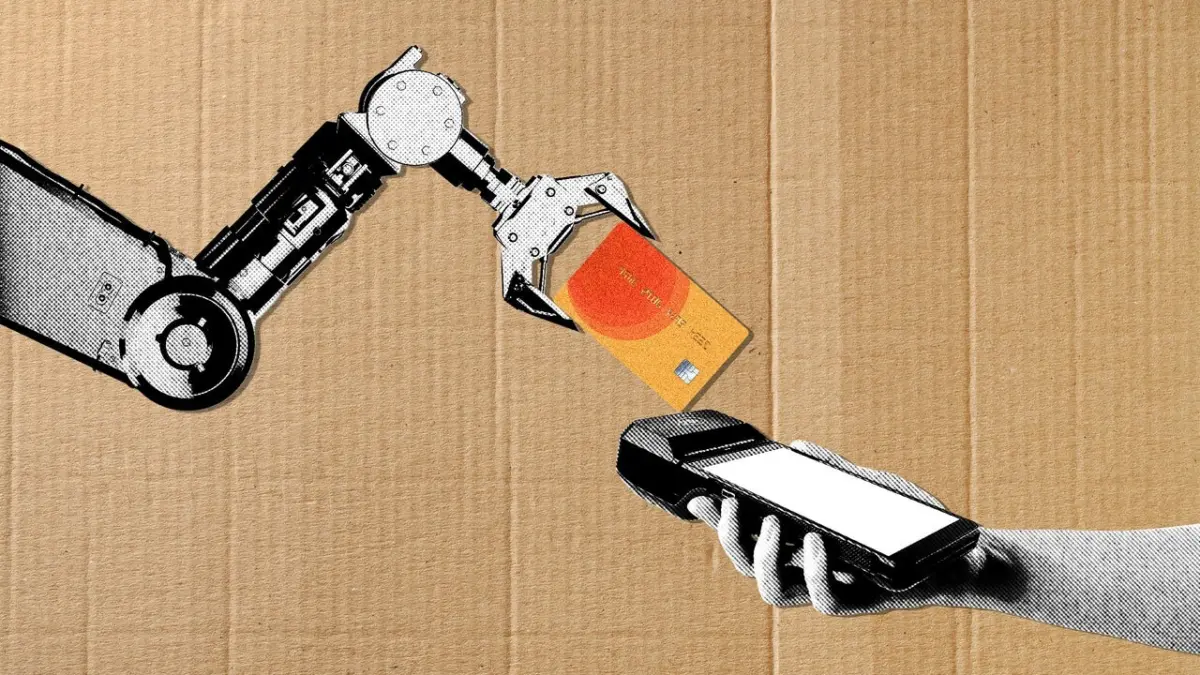
A shopper sits at a desk and asks an artificial intelligence assistant to recommend a pair of stylish sneakers for a 23-year-old. Elsewhere, a traveler uses Google to search for a boutique hotel nestled in the heart of Rome. Before either consumer ever lays eyes on a picture of a shoe or a digital gallery of a hotel room, artificial intelligence has already quietly performed the heavy lifting, analyzing vast amounts of data to decide which specific brands deserve to make the final cut for consideration.
In the modern digital economy, traditional mental availability is no longer formed directly through traditional marketing communications and direct shopper experiences. Instead, a powerful new intermediary has stepped firmly into the middle of the consumer journey. Artificial intelligence is increasingly acting as an indispensable gatekeeper standing squarely between businesses and their prospective customers.
Crucially, modern shoppers do not even have to intentionally open a dedicated chatbot for artificial intelligence to heavily influence their daily purchasing choices. This technology is already seamlessly embedded into the most familiar everyday services. Consider the standard search engine experience on Google, where sophisticated AI-generated answers now appear prominently before a user ever has the opportunity to visit an individual brand’s official website.
The financial stakes of this shift are immense. According to market projections from Morgan Stanley, agent-influenced shopping could account for anywhere from $190 billion to $385 billion in United States e-commerce spending by the year 2030. This staggering figure represents roughly 10% to 20% of the entire domestic e-commerce market. In this rapidly evolving landscape, while remaining genuinely memorable and appealing to human consumers is still unquestionably essential for long-term survival, corporate leaders now face a vital secondary imperative: they must seriously consider whether their brand is clearly understood by algorithms and artificial intelligence, not just by people.
Human psychology operates differently than machine logic. People possess a remarkable capacity to accommodate changing, fragmented, or even contradictory messages over time, often bridging the gaps by relying on an existing emotional attachment to a brand. Machines, however, do not share that vital human emotional attachment. When a company presents fragmented messaging or relies on unsupported claims across the digital ecosystem, it leaves artificial intelligence systems with conflicting, murky information. Ultimately, this friction makes the underlying algorithms far less likely to recommend the brand to users seeking reliable answers.
Even the biggest, most historically dominant names in global commerce can no longer safely assume they will automatically appear in AI-generated recommendations. Illustrating this new reality, authors writing in the Harvard Business Review in 2026 uncovered a fascinating dynamic during tests of AI recommendations for running shoes. In their empirical findings, established footwear brand Brooks appeared far more reliably than athletic giant Nike when artificial intelligence systems were tasked with surfacing top running shoe options.
Responding to this shifting power dynamic requires far more than simply trying to game the system or figure out where artificial intelligence looks for its answers. Across industries, brands are currently rushing to adopt search engine optimization (SEO), generative engine optimization (GEO), and strategic approaches involving platforms like Reddit. Yet, because the underlying technological landscape is continually and rapidly evolving, these tactical fixes alone are insufficient.
To remain viable and secure sustained consideration by both human audiences and algorithmic gatekeepers, brands must go back to their foundational roots, closely examine their core identities, and exercise much greater discipline in their everyday execution. Companies must sharpen their focus on the core idea that the brand fundamentally stands for, ensuring that this essential meaning comes across with absolute consistency wherever and however the brand appears across the digital sphere.