Announced by BBC Children’s and Education, the upcoming series is titled Doctor Who: TARDIS Crew and has been specifically developed for the broadcaster’s preschool-oriented channel, CBeebies. While Doctor Who has previously dabbled in animated formats—most notably through short-form content and animated reconstructions of lost classic episodes from the 1960s—this new venture represents a much more significant and sustained creative undertaking. The BBC has ordered an initial run of 52 episodes, each with a runtime of 11 minutes, which are scheduled to begin broadcasting in late 2027 or early 2028.
The production of Doctor Who: TARDIS Crew has been handed to the acclaimed Blue Zoo Animation Studio. Tasked with translating the vast, complex lore of the Whoniverse into a format suitable for toddlers, the studio has enlisted Dominic Minns to serve as the series director. Minns is a seasoned veteran in the realm of children’s television, having previously directed popular CBeebies programs such as Mojo Swoptops and Supertato. Under his direction, the series aims to blend the hallmark high-energy adventure of the franchise with gentle, age-appropriate storytelling.
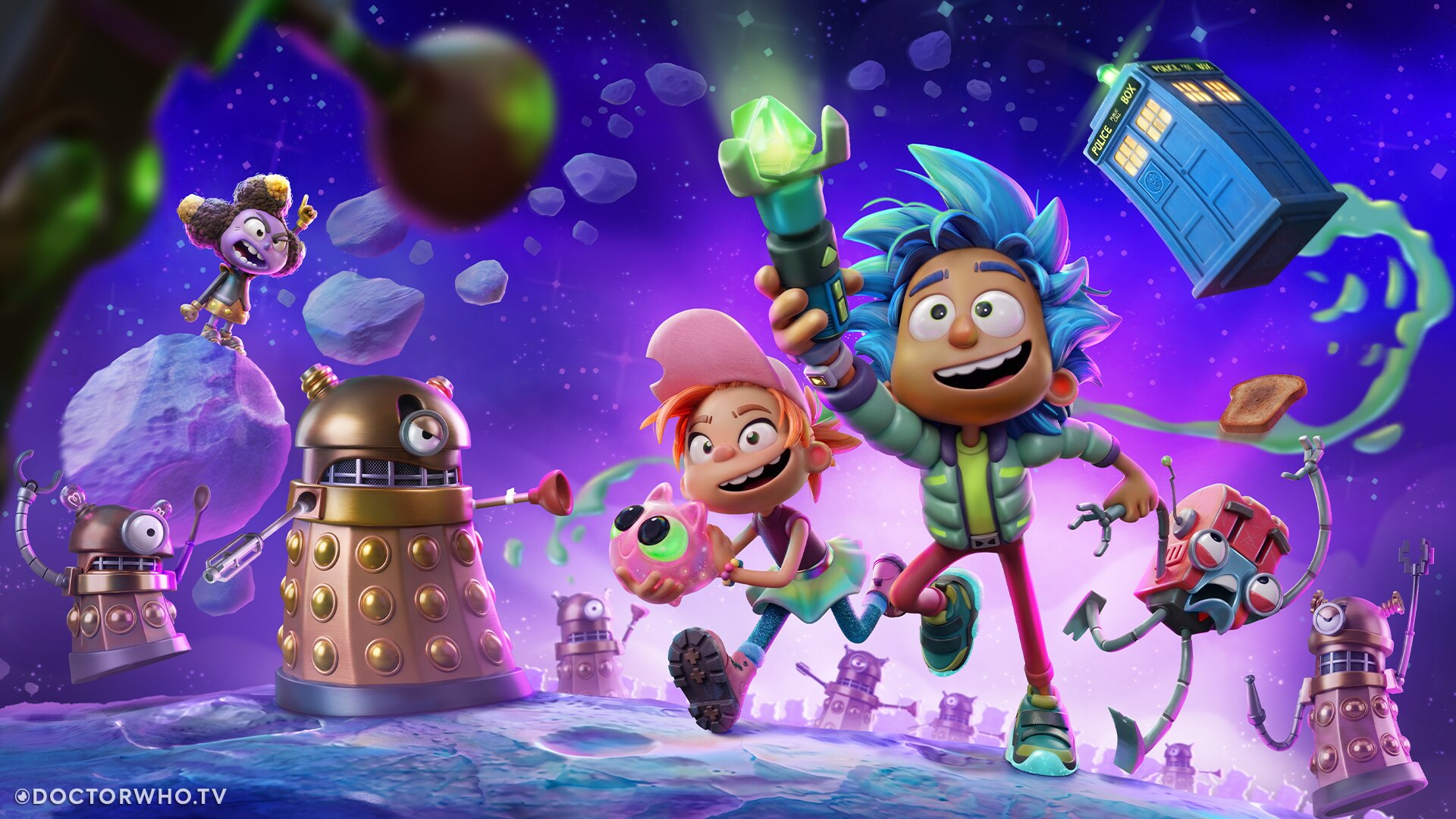
According to official statements from the BBC, the series is designed to celebrate fundamental values such as curiosity, courage, and kindness. Through action-packed, preschool-friendly stories, the show will encourage its young viewers to explore new ideas, solve problems, and embrace the unexpected. The narrative will center on a young, blue-haired incarnation of the Doctor, who travels through time and space alongside an eclectic group of friends: Hannah, Beastie, and a robotic companion named Toast-IE. Naturally, no iteration of the franchise would be complete without its most iconic adversaries, and the series will feature a redesigned, toddler-friendly version of the Daleks.
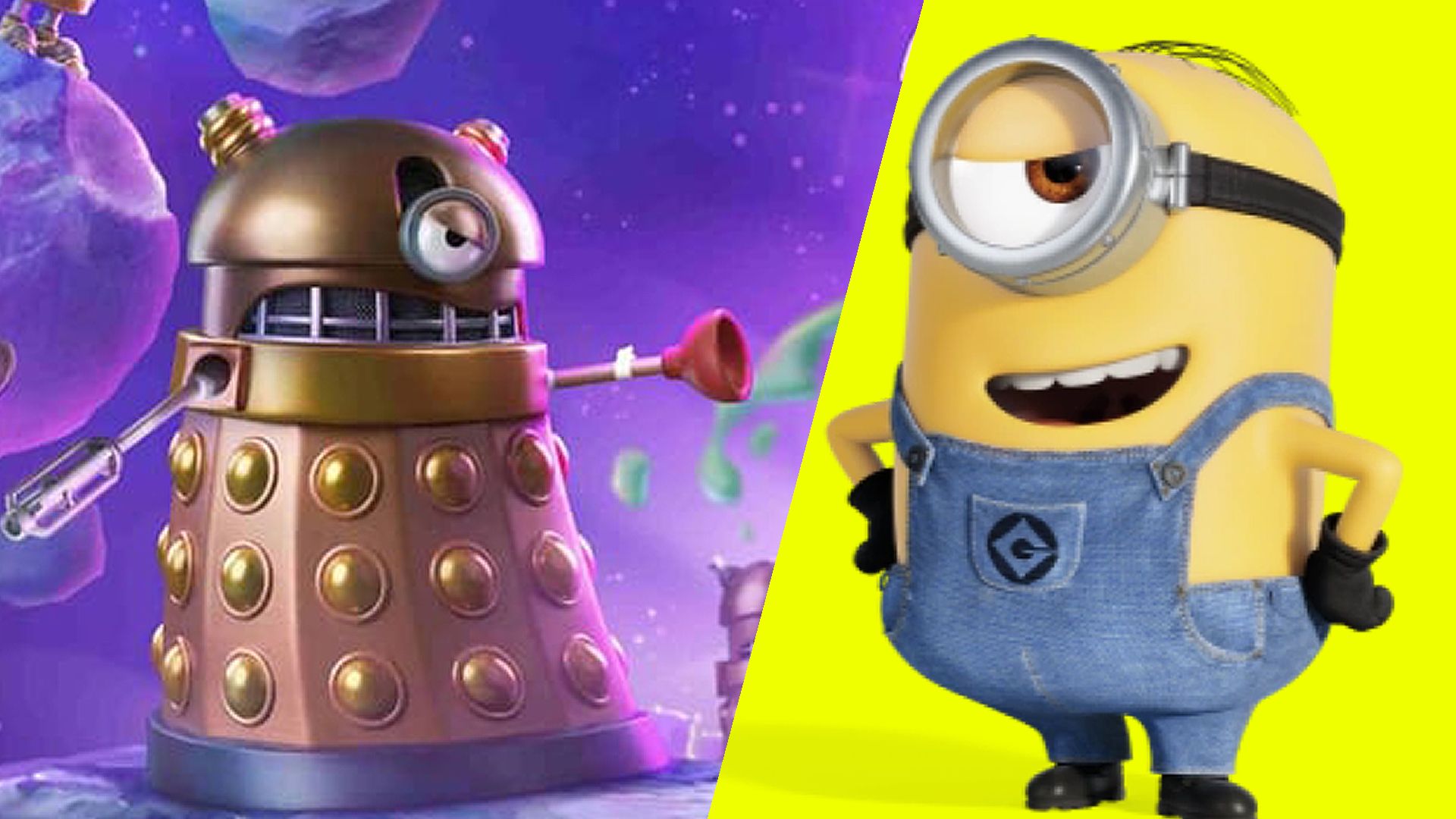
Despite the wholesome intentions behind the project, the release of the first promotional artwork for Doctor Who: TARDIS Crew has sparked an intense and highly polarized wave of discussion across social media. The initial reveal was met with immediate skepticism from sections of the traditional Doctor Who fanbase, who took to platforms like X to voice their concerns. Much of the online criticism appears to stem from older, dedicated Whovians who seem to have mistaken themselves for the target demographic of a program explicitly designed for children under the age of five.
Among the more unusual complaints circulating online was the assertion that the promotional artwork utilized "bisexual lighting." This critique was directed at the cosmic purple and pink gradient background featured in the teaser image—a visual choice that is incredibly common in modern science fiction and space-themed media, but which some commentators interpreted through a highly politicized lens. Other corners of the internet expressed concern over the potential inclusion of strong female characters, reflecting a broader, recurring pattern of modern culture-war grievances that often target long-running sci-fi franchises.
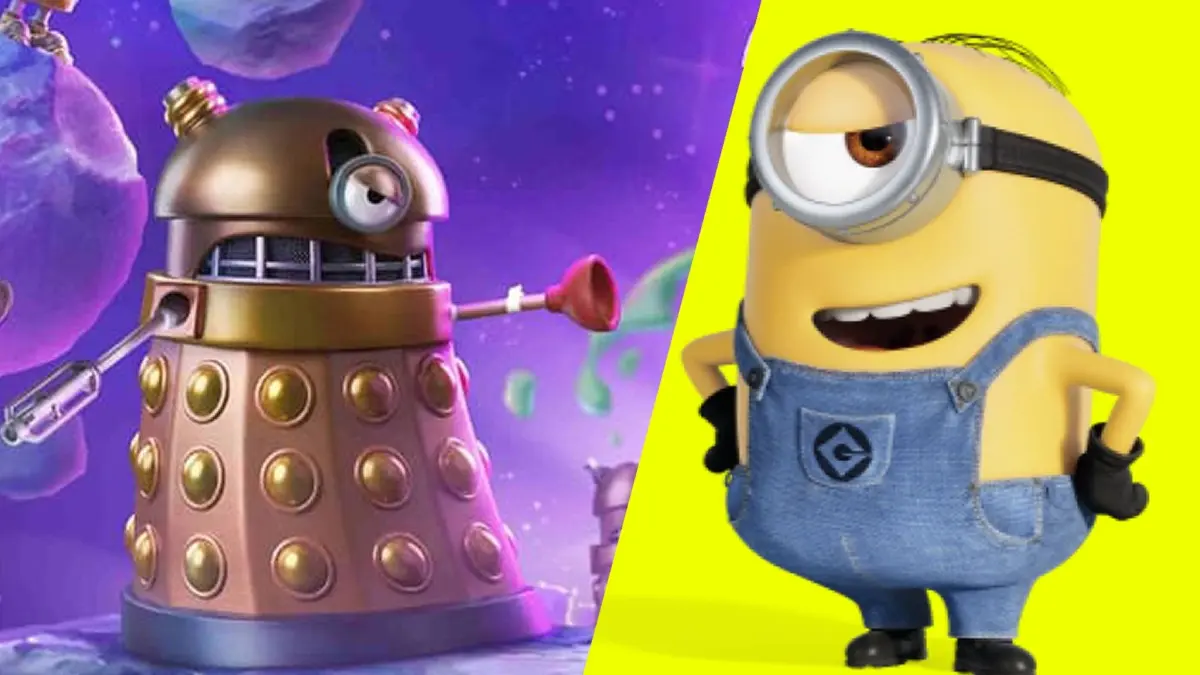
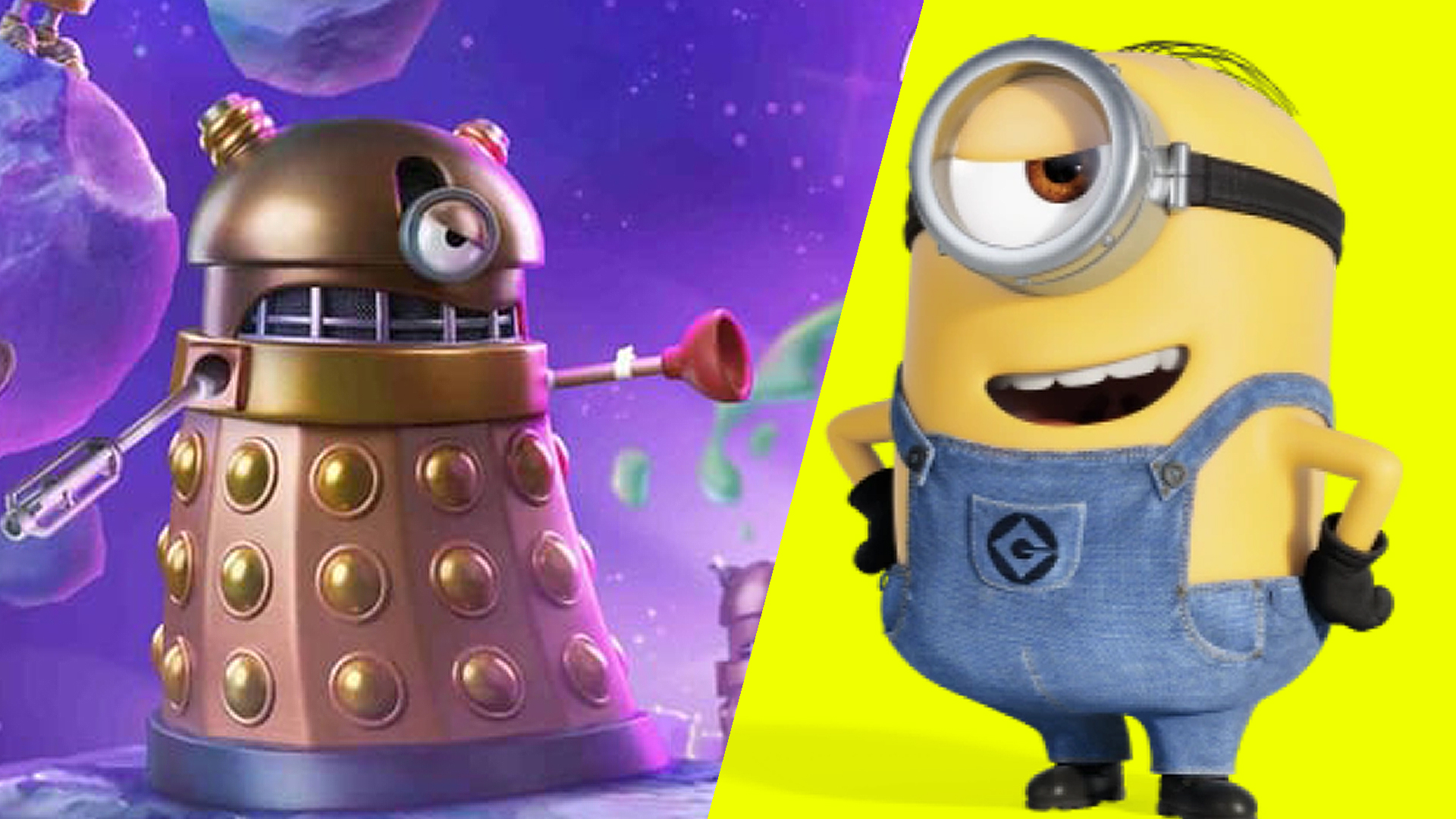
However, amidst the more eccentric online reactions, one particular observation quickly gained traction and proved difficult for many to ignore: the striking visual similarity between the newly redesigned Daleks and the Minions from Universal Studios’ Despicable Me franchise. In the promotional artwork, the toddler-friendly Dalek features a single, prominent, highly expressive eye and a metallic grille that mimics the shape of a mouth, giving the creature a distinctly goofy, wide-eyed expression.
While the classic Daleks of the live-action series are terrifying, armored tank-like mutants bent on universal extermination, the TARDIS Crew versions have been heavily softened to avoid frightening young children. The design cleverly leans into the inherent absurdity of the classic Dalek silhouette, which has long been affectionately compared to salt shakers or pepper pots. The animated redesign retains the iconic sink-plunger arms but adapts them to look like playful household utensils. While this approach makes the creatures highly appealing and accessible to preschoolers, the visual shorthand of a cylindrical, metallic body topped with a single, oversized, goggle-like eye makes the comparison to Gru’s yellow henchmen almost inevitable.
In addition to the Daleks, another design detail that raised eyebrows among sci-fi enthusiasts was the introduction of the character Toast-IE. Sporting a design that resembles an anthropomorphic, talking toaster, the character immediately drew comparisons to Talkie Toaster, the notoriously obnoxious, bread-obsessed appliance from the classic British sci-fi sitcom Red Dwarf. Talkie Toaster is famous among British comedy fans for relentlessly badgering the crew of the Red Dwarf with questions about whether they would like some toast, making the inclusion of a similarly themed character in TARDIS Crew feel like an accidental crossover.
Some fans online speculated that the concept of Toast-IE felt like something generated by an artificial intelligence algorithm tasked with inventing a quirky, comedy-relief robot companion for a children’s science fiction show. Many questioned why the production team chose to invent a completely new toaster-themed character when the Doctor Who franchise already possesses one of the most famous and beloved robotic companions in television history: the metallic canine companion, K9. Given K9’s established popularity and child-friendly appeal, his absence from the initial lineup left some purists scratching their heads.
The vocal online backlash highlights a recurring tension within major media franchises when legacy properties attempt to diversify their output to reach younger audiences. Doctor Who has survived for over sixty years precisely because of its ability to regenerate and adapt to changing cultural landscapes. While adult collectors and lore enthusiasts often feel a strong sense of ownership over the franchise, the survival of the brand depends on its ability to capture the imaginations of successive generations. By introducing the core concepts of the TARDIS, the Doctor, and the Daleks to preschoolers, the BBC is laying the groundwork for a future audience that will eventually transition to the main live-action series.
Furthermore, this is far from the first time the franchise has embraced animation to tell its stories. In recent years, the BBC has successfully used animation to recreate lost episodes from the classic era of the show, bridging the gap for fans who want to experience stories that were lost when the BBC routinely wiped its archives in the 1960s and 1970s. Additionally, the main series has occasionally incorporated animated segments into its broadcast episodes, such as the critically acclaimed animated sequences featured in last year’s Lux episode, which showcased how effectively the franchise’s visual style can translate to a cartoon format.
Ultimately, judging an entire 52-episode television series based on a single piece of promotional artwork is a premature exercise. While the aesthetic choices of Doctor Who: TARDIS Crew may not appeal to the franchise’s traditional, older demographic, the show is not being made for them. For its actual target audience of CBeebies viewers, the colorful characters, simplified Daleks, and playful companions like Toast-IE are likely to provide a fun, engaging, and imaginative entry point into one of television’s most enduring universes. When the series finally arrives on screens in late 2027 or early 2028, it will stand as a testament to the franchise’s remarkable capacity to reinvent itself for every generation, from the oldest fans to the very youngest.