Twenty years ago, National Geographic photographer Joel Sartore embarked on a deceptively simple yet monumental multi-year mission: to create a comprehensive photo archive of global biodiversity. Documenting approximately a thousand animals each year, his ultimate goal is to assemble a vast portrait catalogue showcasing more than 25,000 species. As this ambitious project continues to unfold, Sartore has successfully documented 18,567 animals, a milestone that notably includes a newly discovered species of wild cat recently identified in Bolivia. Operating across zoos, aquariums, and wildlife sanctuaries worldwide, he collaborates closely with conservationists and researchers to capture an awe-inspiring, albeit tiny, fraction of the incredible life shared across our planet.
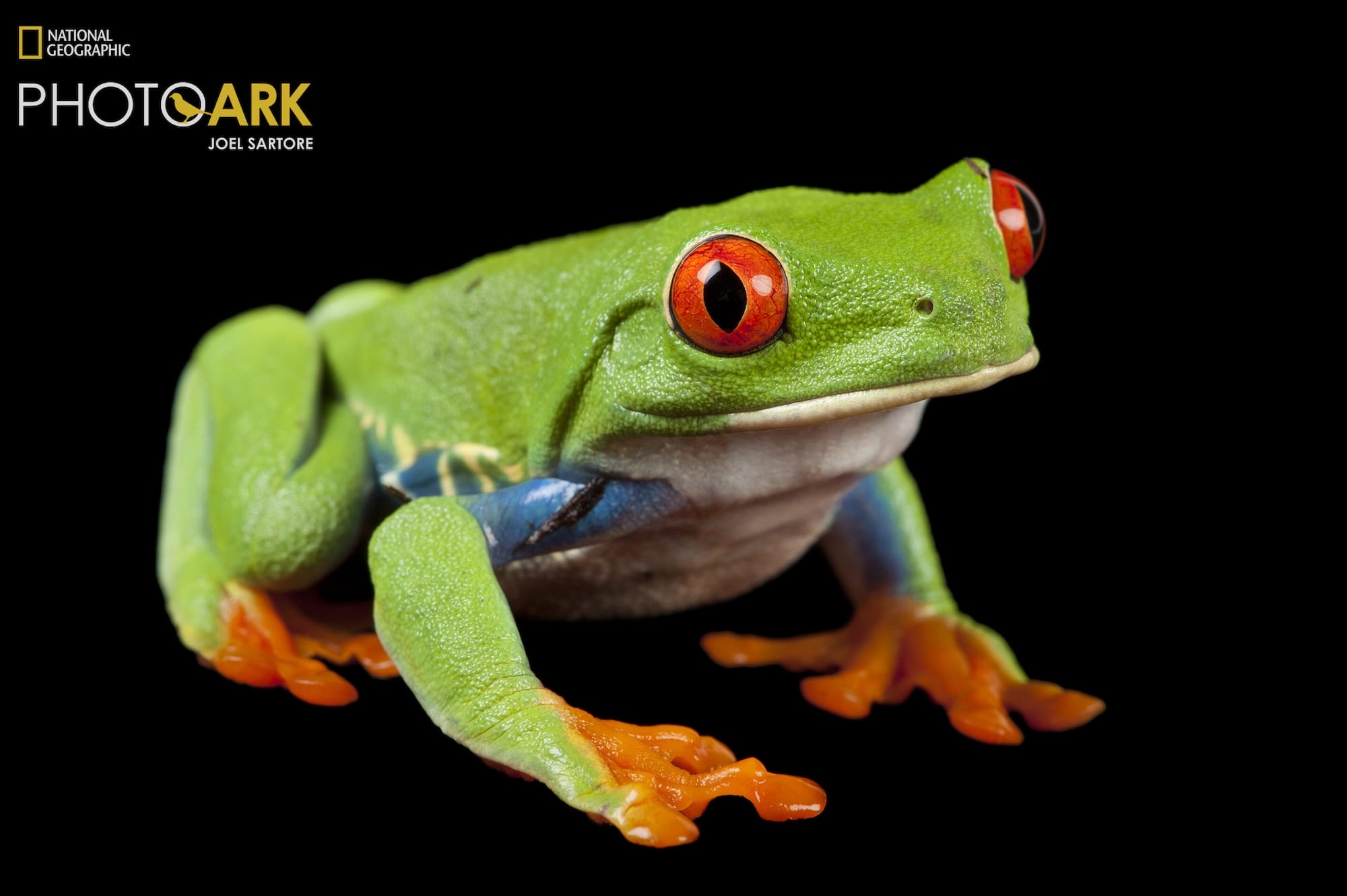
Sartore’s renowned Photo Ark project distinguishes itself by isolating animals against stark, plain black or white backgrounds. This intentional minimalist approach strips away distractions, highlighting each subject’s distinctive physical characteristics, textures, and subtle expressions in an intimate and remarkably relatable format. Rather than photographing animals amidst sprawling, distant wilderness habitats, Sartore brings his subjects into an up-close-and-personal setting that bridges the psychological gap between human viewers and the animal kingdom.
"It’s the eye contact that moves people," Sartore says, explaining the psychological anchor of his imagery. "It engages their feelings of compassion and a desire to help."
Those profound feelings of care, ideally paired with an urgent motivation to act, form the foundational ethos of what the Photo Ark represents. When Sartore initially began photographing animals in his hometown of Lincoln, Nebraska, back in 2006, he quickly recognized the undeniable power of bold, straightforward portraits to deeply connect with audiences. The resulting images do more than simply introduce viewers to the staggering array of creatures with which humanity coexists; they actively serve as a catalyst, spurring tangible conservation efforts designed to protect vulnerable populations before they slip into extinction. Sartore has consistently emphasized the ultimate emotional trajectory he hopes to inspire in those who view his work, stating, "I want people to care, to fall in love, and to take action."
Over the years, the scope of the project has expanded well beyond a standalone photography portfolio. In 2023, the Photo Ark Species Impact Initiative took the overarching mission a significant step further by actively awarding conservation grants to support field researchers and organizations dedicated to protecting imperiled wildlife on the front lines. Furthermore, the broader project has organically morphed into an all-ages educational initiative. National Geographic makes these rich resources readily available in classrooms around the globe, integrating them into standard publications and widespread broadcasts to foster early environmental stewardship among younger generations.
"No matter its size, each animal is treated with the same amount of affection and respect," National Geographic notes regarding the rigorous ethical and artistic standards of the endeavor. "The results are portraits that are not just stunningly beautiful, but also intimate and moving."
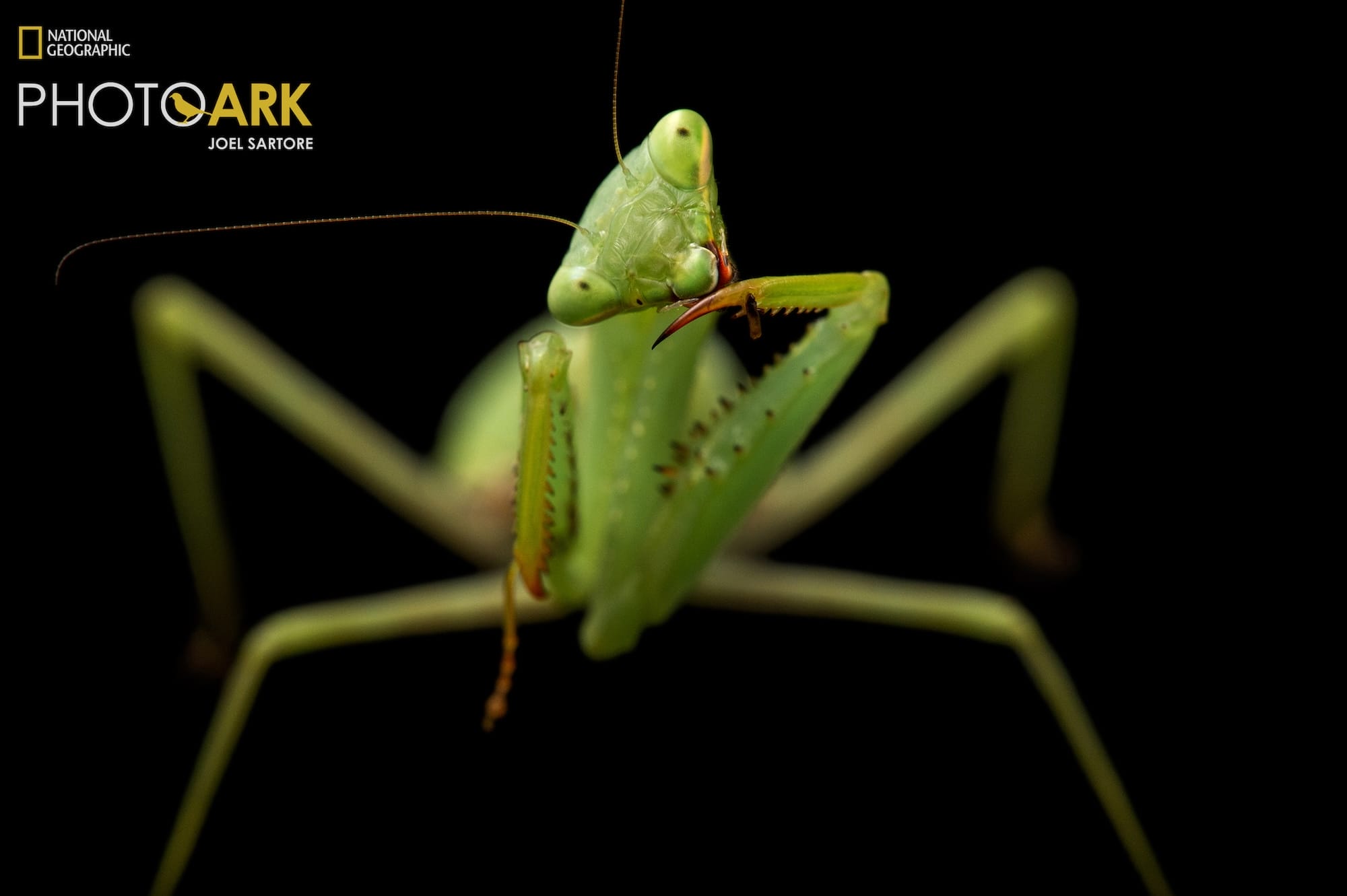
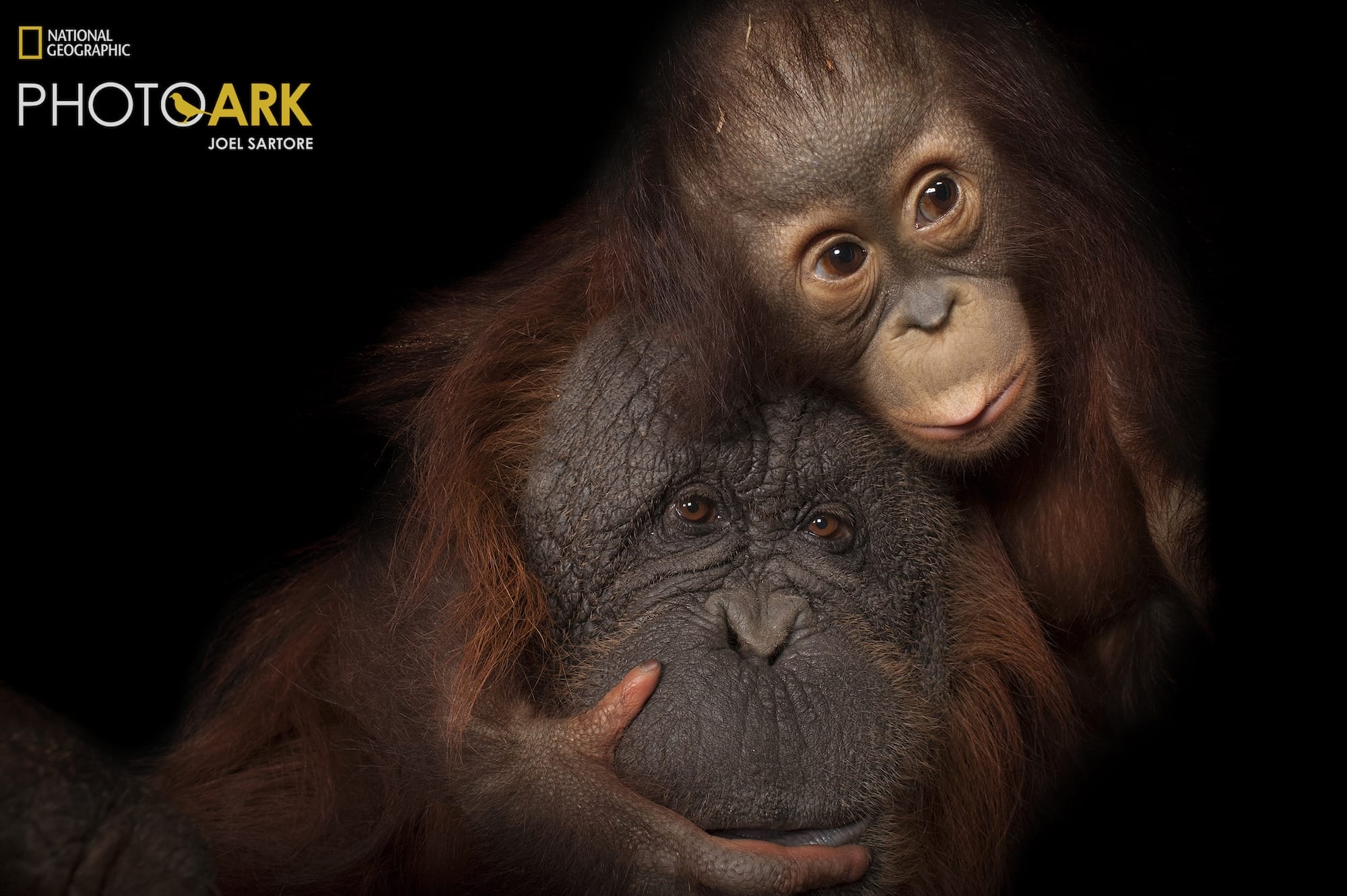
The vast scope of the archive encompasses an extraordinary diversity of life forms, ranging from the minuscule to the magnificent, and from the deeply familiar to the critically endangered. Among the striking subjects immortalized in the collection are the springbok mantis, scientifically known as Miomantis caffra, captured during a session at the Auckland Zoo. Another poignant portrait features an endangered baby Bornean orangutan, Pongo pygmaeus, named Aurora, pictured alongside her adoptive mother, Cheyenne, a Bornean and Sumatran cross residing at the Houston Zoo.
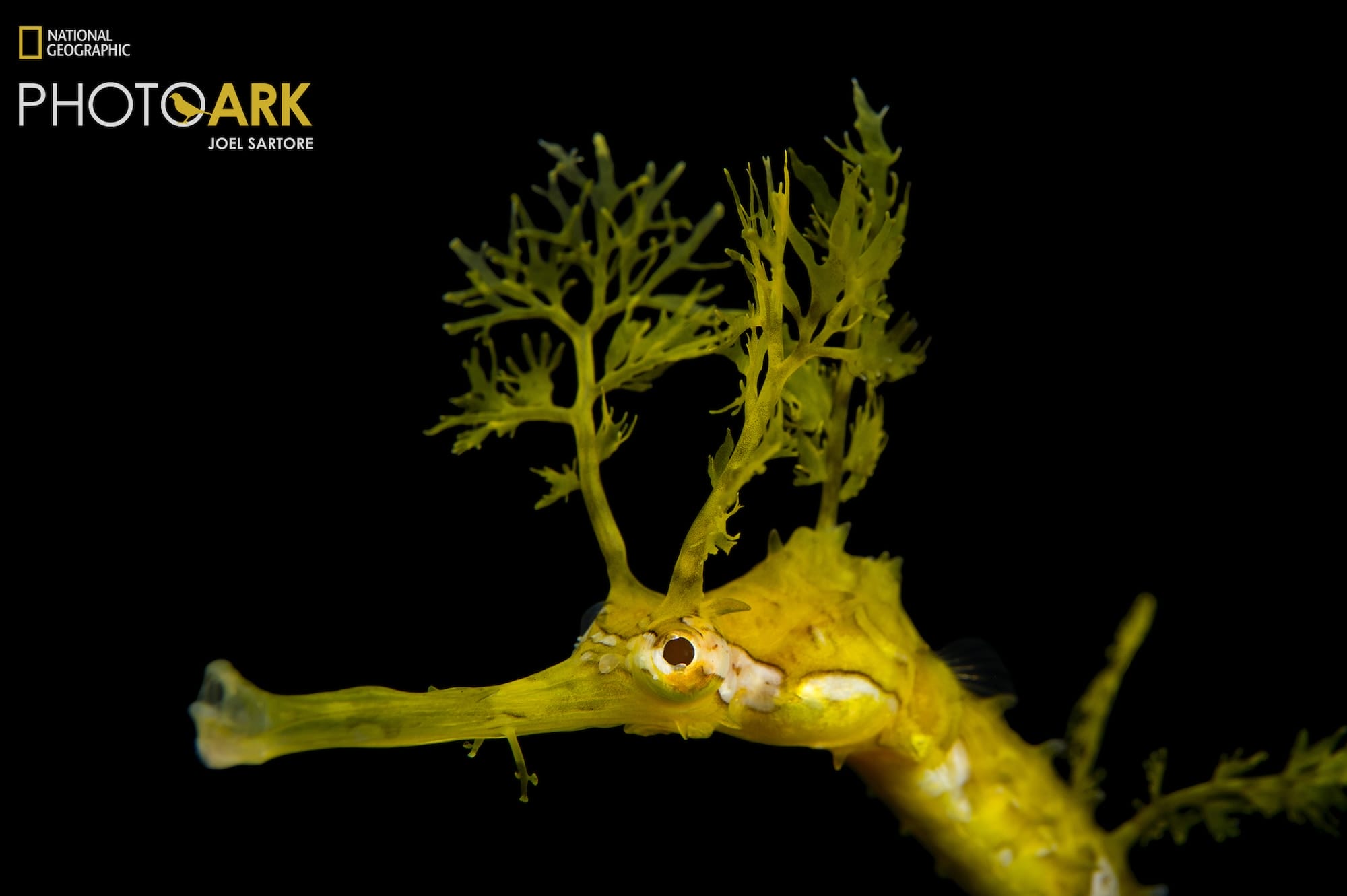
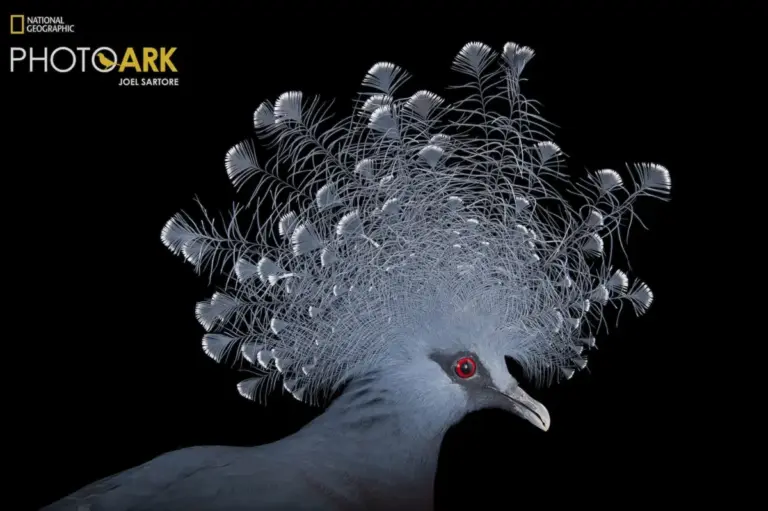
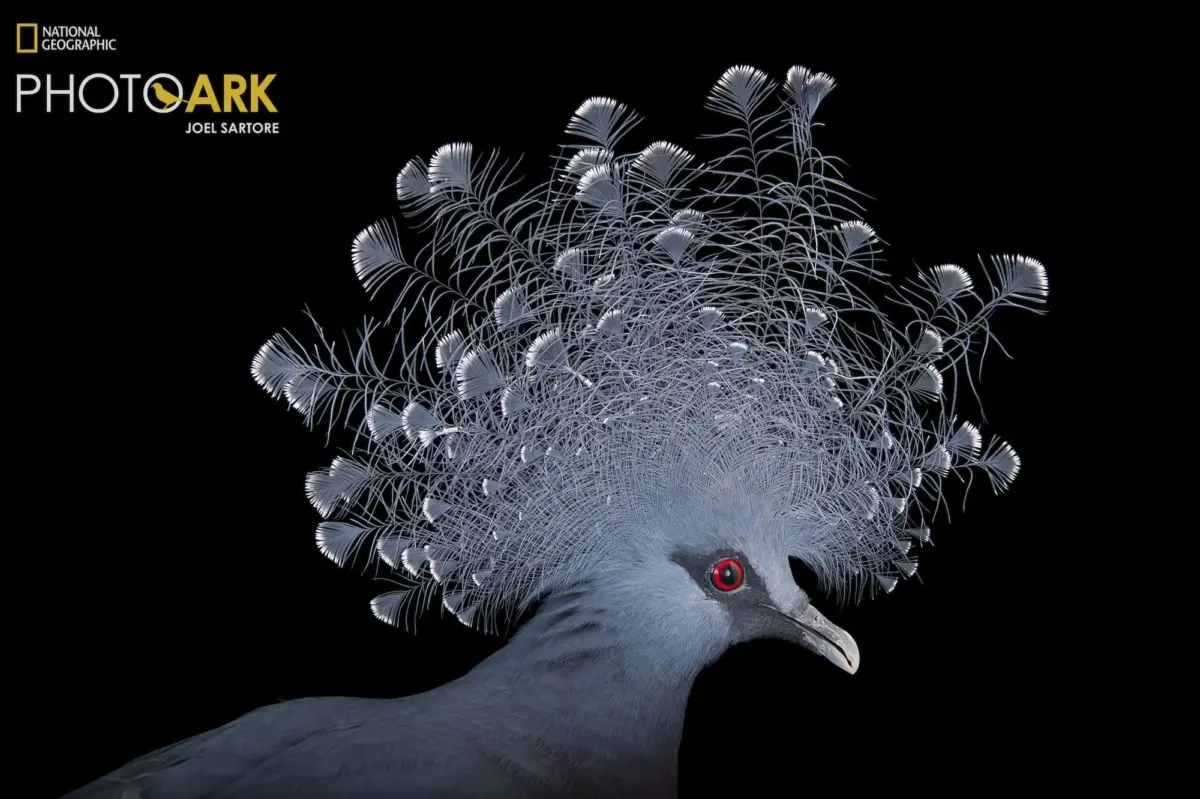
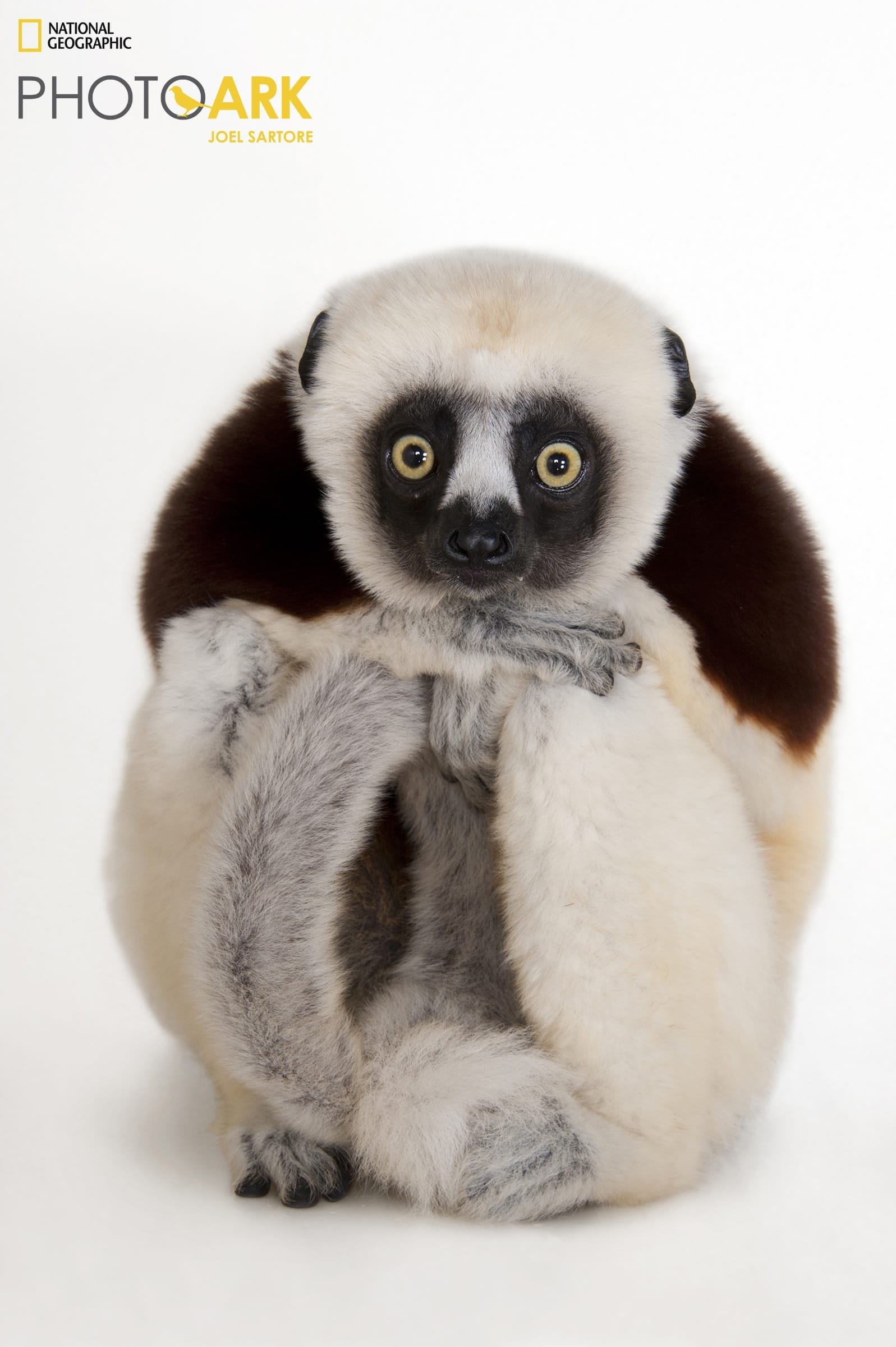
The archive also shines a light on elusive aquatic and terrestrial wonders alike, including the delicate ribboned pipefish, Haliichthys taeniophorus, photographed at the Dallas World Aquarium, and the endangered Coquerel’s sifaka, Propithecus coquereli, documented at the Houston Zoo with its distinct, expressive gaze directed straight toward the lens. From the vibrant pink hues of the Sierra Nevada ensatina salamander, Ensatina eschscholtzi platensis, to the elaborate, crown-like plumage of the vulnerable Victoria crowned pigeon, Goura victoria, at the Columbus Zoo, every frame is treated with equal artistic reverence.
Other memorable encounters within the archive include a veiled chameleon, Chamaeleo calyptratus, at Rolling Hills Wildlife Adventure, captured in a moment of curious confrontation with the camera lens, and a federally endangered Florida panther, Puma concolor coryi, photographed at Tampa’s Lowry Park Zoo. Behind these breathtaking images lies the meticulous process of the photographer himself, as seen in portraits of Sartore working inside portable white light boxes alongside subjects like a frill-necked lizard, Chlamydosaurus kingii, maintaining a quiet, respectful communion with the living world he seeks to preserve.
Nature enthusiasts, educators, and conservation supporters can discover thousands of these unique creatures by visiting the official Photo Ark platform, where resources are also available to learn how researchers are actively defending vulnerable and endangered species worldwide. Sartore’s ongoing daily work and behind-the-scenes documentation can likewise be followed through his official channels on Instagram.