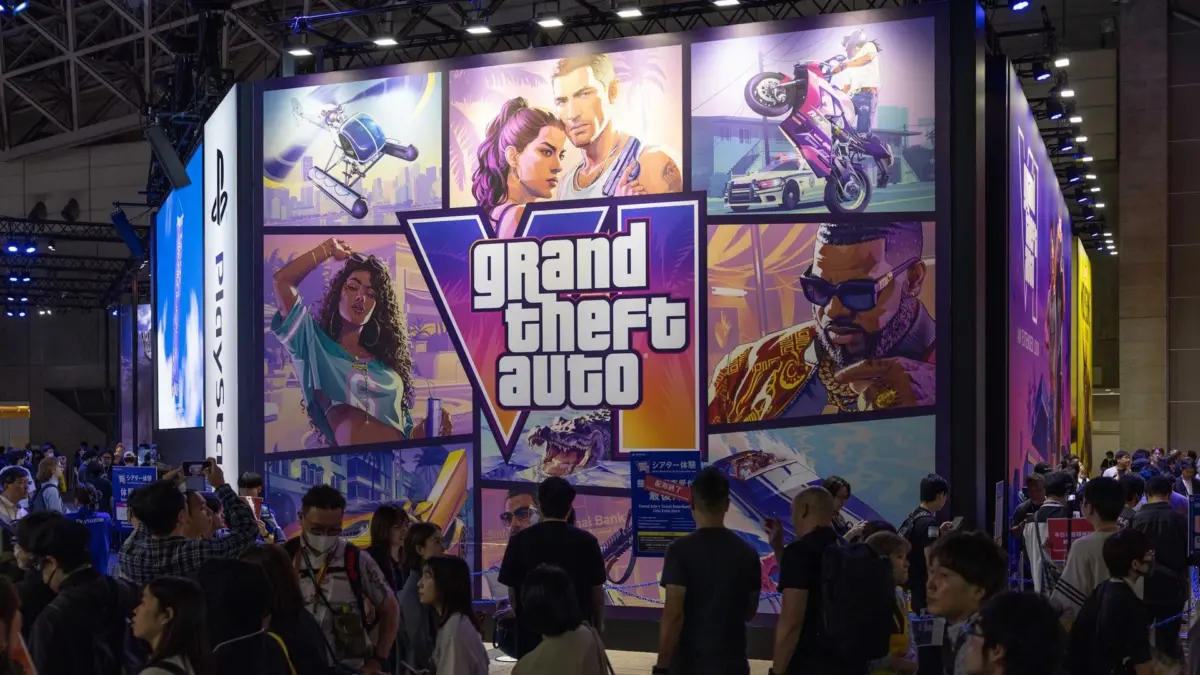
As the highly anticipated release date for Rockstar Games’ Grand Theft Auto 6 draws closer, the promotional campaign for the blockbuster title has collided head-on with local government politics. With Vice City and the broader fictional state of Leonida serving as virtual sandboxes heavily modeled after Miami and Florida, developers Rockstar Games and publisher Take-Two Interactive have aggressively leveraged real-world local aesthetics and geography to build momentum. However, this aggressive marketing blitz has not been without friction, drawing early warnings from law enforcement before nuanced clarifications smoothed over public partnerships.
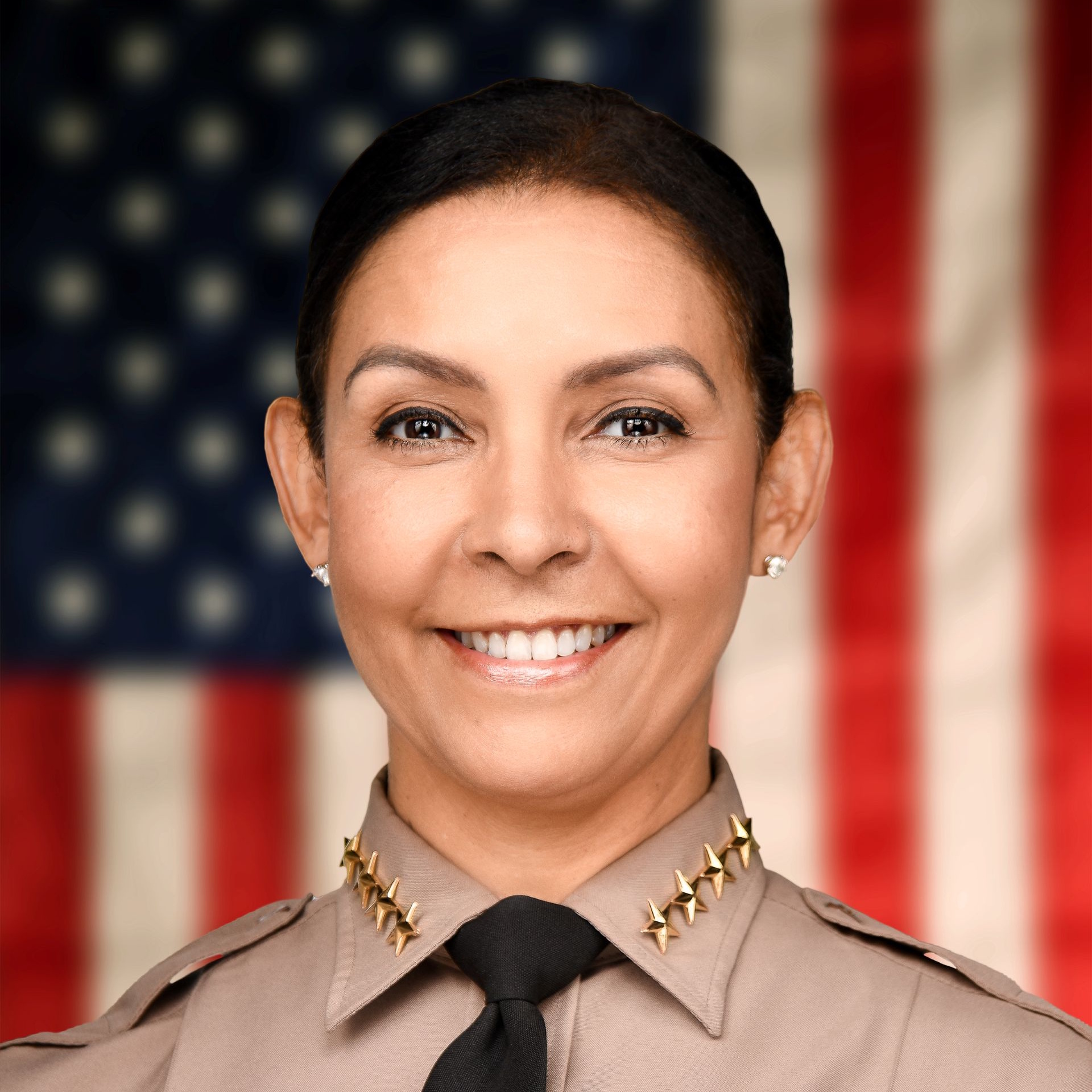
The tension initially flared in September when Miami-Dade County Sheriff Rosie Cordero-Stutz came out forcefully against a proposed promotional collaboration between the franchise and local authorities. Speaking candidly about the nature of the multi-billion-dollar video game series, the sheriff did not mince words regarding the core themes underpinning the virtual playground.
"Grand Theft Auto is a videogame franchise built around criminal activity," Cordero-Stutz said when the proposed partnership first came to light. "Its fictional world includes murder, robbery, drug trafficking, carjacking, violence against law enforcement, and other conduct that the men and women of the Miami-Dade Sheriff’s Office work every single day to prevent."
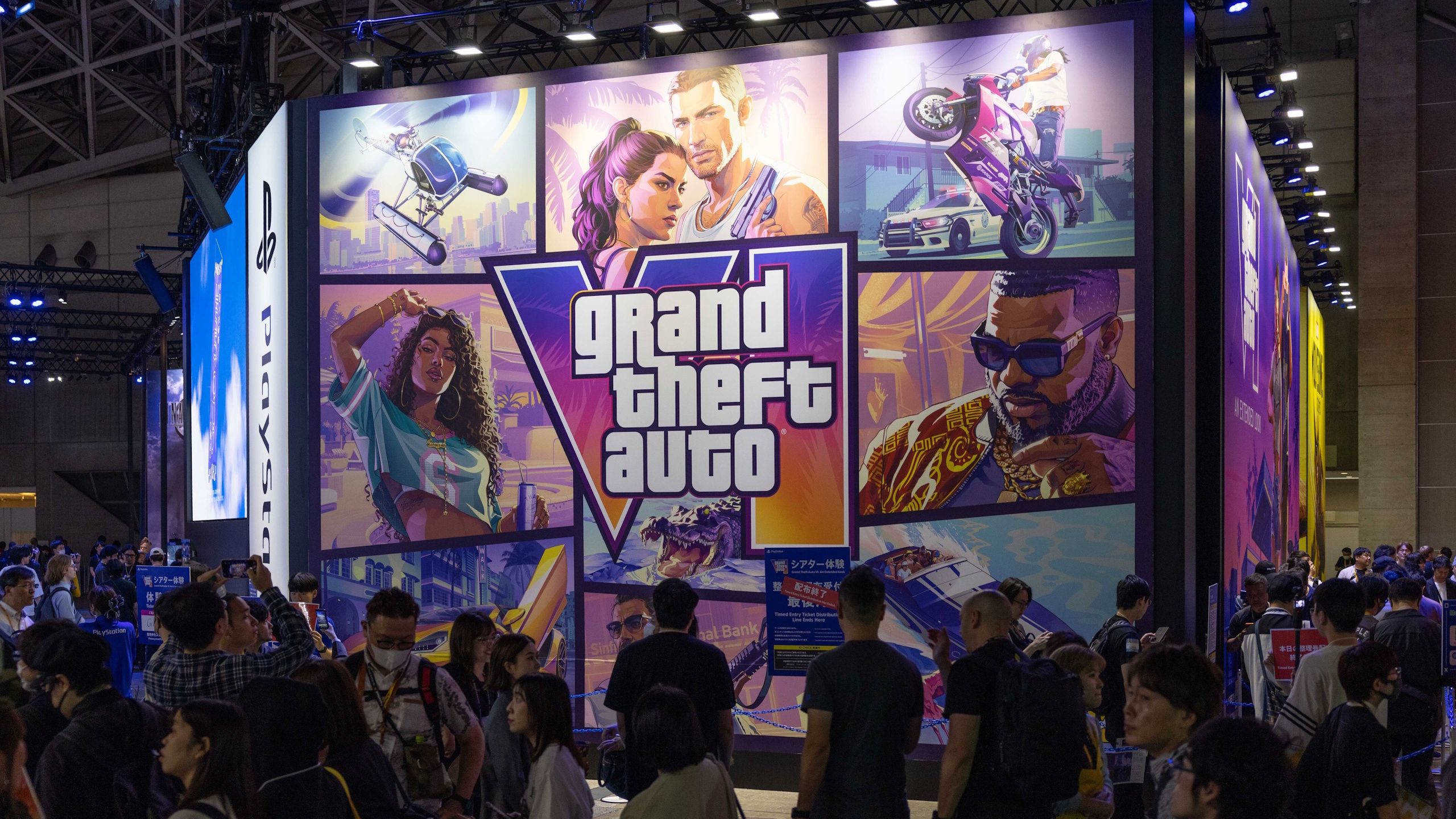
That initial statement established a hard line in the sand from county leadership, reflecting traditional law-and-order concerns about associating official municipal platforms with a brand defined by virtual lawlessness. Despite the clear disapproval from the sheriff’s office, however, the commercial promotional campaigns continued to advance across various other local municipalities and private enterprises.
Rather than grinding to a halt, the marketing rollout found fertile ground in neighboring jurisdictions. The City of Miami Beach voted in September to approve a more discreet promotional campaign. Managed by the Florida-based hospitality management company Boucher Brothers, this initiative relies on subtle brand placement rather than overt municipal endorsements, utilizing branded items such as beach chairs and umbrellas. While these items inevitably sit on public municipal properties, city officials defended the partnership, with one commissioner famously reassuring colleagues during debates by stating, "We’re not giving away pistols and cocaine to people."
Meanwhile, downtown Miami took a much louder and more visible route. The Kaseya Center, a premier downtown arena and home to the NBA’s Miami Heat, erected a massive "Welcome to Vice City" sign on its roof. Strategically positioned, the giant advertisement is easily visible to travelers flying into Miami International Airport, transforming the city skyline into an active billboard for the upcoming game.
The crossover reached a fever pitch in October when the Miami Heat—one of the highest-profile organizations in professional basketball—fully integrated themselves into the marketing push via the "Night in Vice City" campaign. This ambitious, one-night-only promotion saw both the arena and the storied NBA franchise temporarily rebranded in official Vice City livery, signaling an unprecedented corporate embrace of the video game’s aesthetic universe.
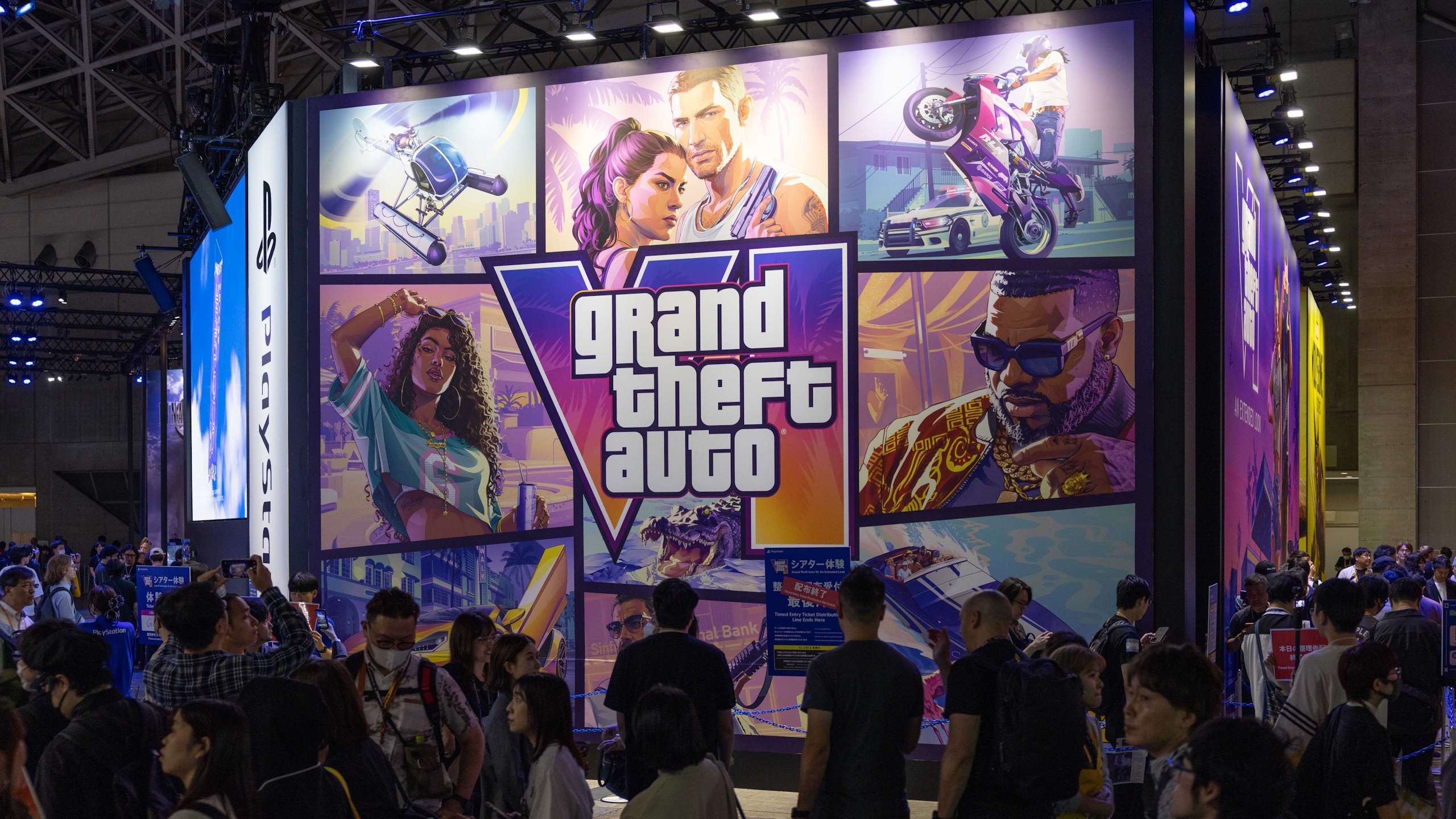
Given the sharp condemnation issued by Sheriff Cordero-Stutz just a month prior regarding official municipal tie-ins, observers naturally wondered how law enforcement would react to such a massive, highly visible corporate embrace of the franchise right in the heart of downtown. Surprisingly, the backlash never materialized, and the sheriff’s department subsequently offered a crucial clarification that drew a distinct line between public infrastructure and private enterprise.
A representative for the sheriff’s department explained to PC Gamer that the initial objections were narrowly tailored to specific proposals rather than a blanket condemnation of the franchise’s existence or private marketing efforts.
"Sheriff Cordero-Stutz’s comments focused on the proposed use of publicly owned facilities and infrastructure, including public transportation, transit stations, and Miami International Airport, to promote Grand Theft Auto 6," the department representative clarified. "Her concerns addressed the message conveyed through the use of those public assets. Those comments were not directed at promotional decisions by private businesses or organizations."
While the practical difference between public and private spaces can sometimes blur—especially when towering signs overlook public airspace or branded beach gear sits upon municipal sands—the distinction proved vital in allowing the broader cultural rollout to proceed unhindered.
This nuanced stance highlights a major shift in how civic leaders and law enforcement approach pop culture properties compared to historical controversies. Decades ago, during the infamous "Hot Coffee" scandal and the intense regulatory battles spearheaded by activist Jack Thompson, media properties like Grand Theft Auto routinely faced uniform condemnation, intense moral panic, and legislative pushback from politicians and police alike.
In contrast, the modern reception to Grand Theft Auto 6 reveals a much more pragmatic, relaxed attitude among contemporary officials. During the Miami Beach municipal debates, reports surfaced that local police officers largely laughed off concerns regarding the potential negative societal impacts of the game or its promotional materials, viewing it as entertainment rather than an existential threat to public safety.
While crass commercialism and virtual crime sprees may not align with every official’s personal tastes, the evolution in civic response suggests that modern leadership is increasingly comfortable letting popular culture and private commerce intersect, provided that taxpayer-funded public infrastructure remains distinct from commercial marketing campaigns. As Miami continues to lean into its status as the real-world muse for Vice City, the friction between virtual criminality and real-world hospitality appears to have settled into a workable coexistence.