As Capcom marks the monumental 30th anniversary of its flagship survival horror franchise, the studio’s leadership has begun pulling back the curtain on the long-term future of Resident Evil. While fans have been feasting on a steady stream of critically acclaimed modern reinterpretations of classic titles over the last several years, executive producer Jun Takeuchi has offered a rare glimpse into the publisher’s ultimate roadmap. Specifically, the development team is already looking far beyond the current remake cycle and planning for the day when the historical backlog is entirely exhausted and the past finally meets the present.
The current strategy for the Resident Evil franchise operates along two distinct yet parallel tracks. The numbered entries drive the ongoing, contemporary narrative forward into uncharted territory, while the remake series offers both veteran fans and newcomers a modernized window into the franchise’s storied past. This dual-track approach kicked off in earnest back in 2019 with the release of the ground-up remake of Resident Evil 2. That massive critical and commercial success paved the way for subsequent modernizations of Resident Evil 3 and Resident Evil 4, with subsequent classic titles like Code: Veronica frequently whispered about by eager fans waiting for their turn in the modern RE Engine.
However, simple math dictates that this relentless pace of remakes cannot continue indefinitely. With Capcom historically releasing a major remake roughly once every two years, the studio’s current slate of older titles will eventually dry up. According to Takeuchi, that inevitable convergence is something the development team has been anticipating for quite some time. Speaking as part of a special 30th-anniversary publication, Takeuchi explained that the studio has been quietly laying the groundwork for a massive overarching crossover for years, specifically planting narrative seeds since the launch of Resident Evil Village.
According to Capcom, Resident Evil 7: Biohazard served as a crucial turning point for the overarching series structure. Not only did the seventh main installment radically reinvent the gameplay perspective by shifting to a first-person survival horror format, but it also quietly reintroduced deep connective tissue to the broader lore of the universe. Initially, developers included certain legacy elements, corporate names, and historical references primarily as subtle fan service for longtime players. To the surprise of the team, however, the community’s reaction was far more enthusiastic and analytical than anticipated. Fans immediately began deep-diving into the lore, meticulously dissecting the hidden implications and speculating on the private intentions of the developers.
Encouraged by this overwhelming engagement, Capcom made the deliberate decision to lean into the players’ expectations, weaving these narrative setups even deeper into the fabric of Resident Evil Village and subsequent projects like Requiem. This has involved the strategic re-emergence of iconic foundational elements, such as references to the infamous Umbrella Corporation, the enigmatic Lord Ozwell E. Spencer, and even emotional returns to the haunted ruins of Raccoon City. All of these narrative maneuvers are reportedly serving a larger, calculated purpose designed to funnel the separate eras of the franchise into a massive, cohesive crossover event once the timeline catches up.
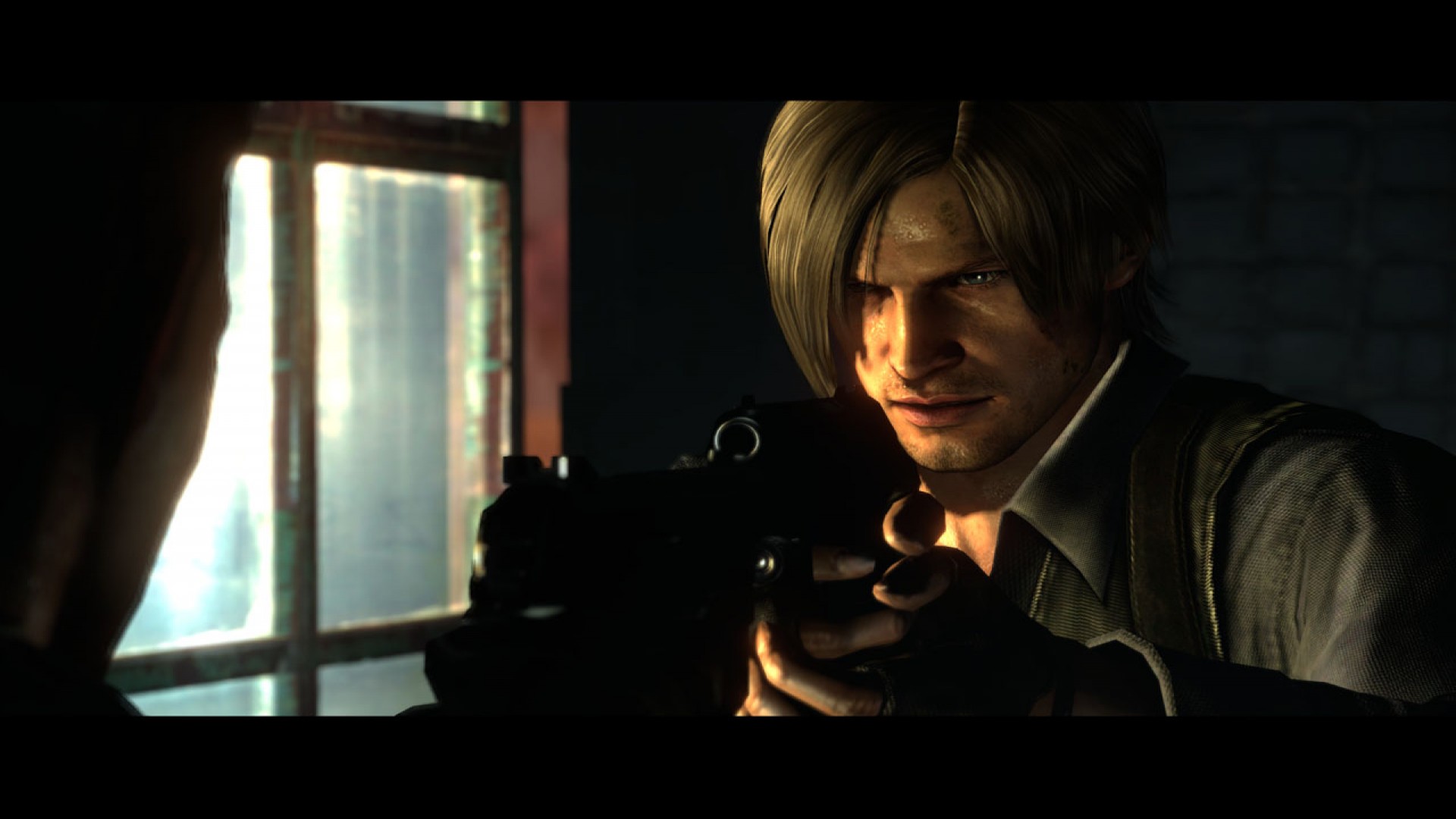
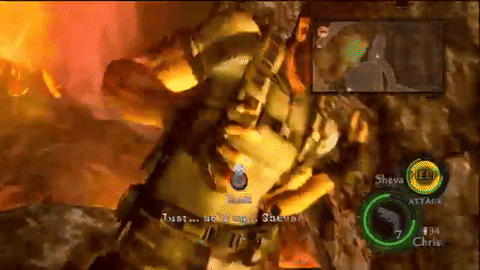
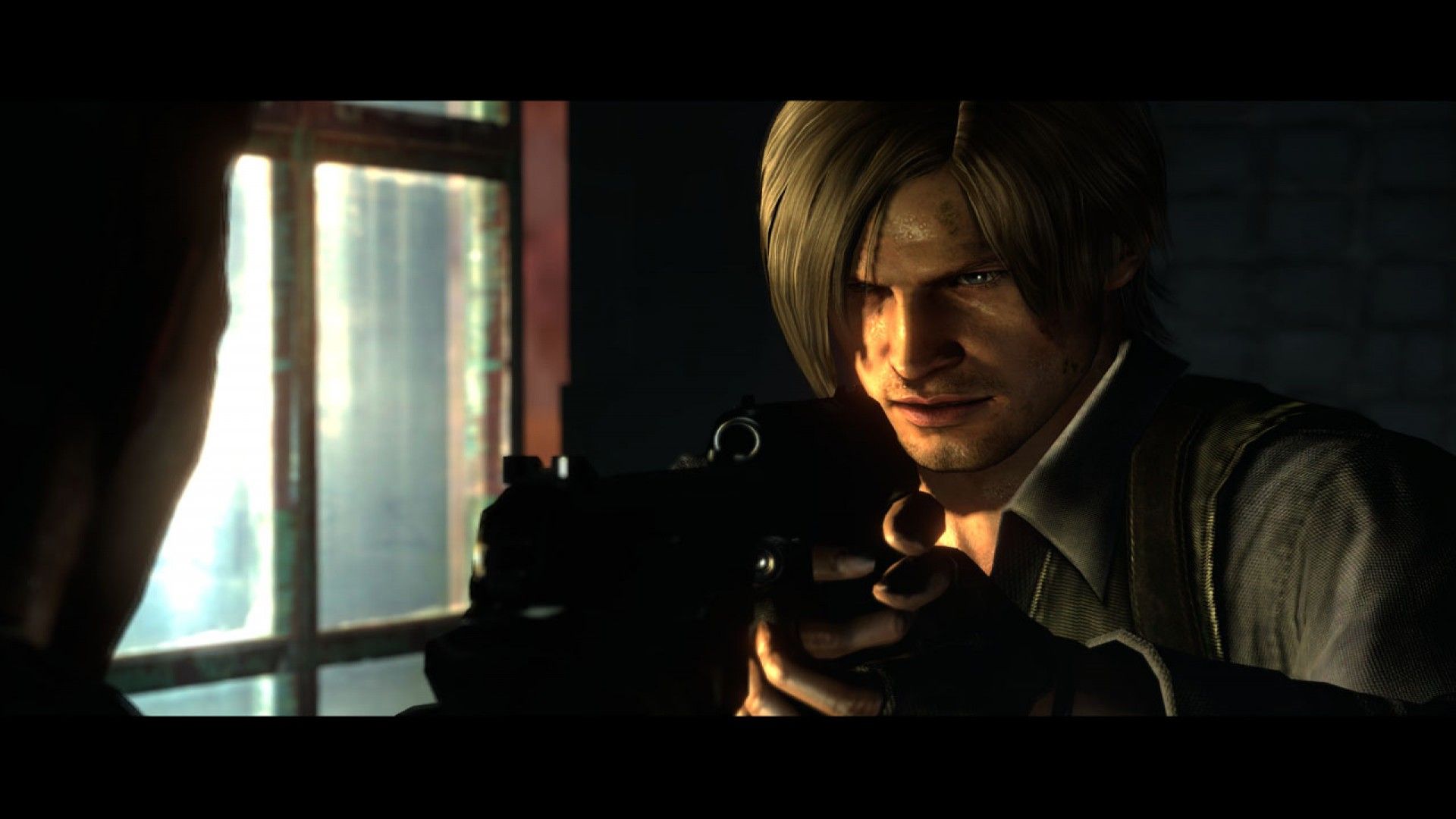
Assuming Capcom successfully navigates the eventual remakes of the more contentious middle-era entries, such as Resident Evil 5 and Resident Evil 6, the studio faces a fascinating dilemma. These two blockbuster, action-heavy titles represent a distinct departure from traditional survival horror, meaning any potential modern remake would require a monumental amount of creative restructuring and design refinement to satisfy contemporary sensibilities while honoring their legacy. If Capcom maintains its standard two-year development cadence, the remaining remakes will easily buy the studio another decade or more of production time. Yet, a dozen years is merely a blink of an eye in the lifespan of a multi-decade franchise, and the company clearly has no intention of letting its most valuable horror property fade into the shadows.
When the remake timeline finally overtakes the numbered series, the logical progression could theoretically loop right back around with a modernized version of Resident Evil 7, which by that point will be over two decades old. Alternatively, the studio may unleash entirely unprecedented concepts that take advantage of the narrative bridges currently under construction. For now, while the nostalgia-fueled journey through the archives remains a massive draw for the community, the ultimate destination of this long-term storytelling experiment remains the most compelling mystery for the future of survival horror.