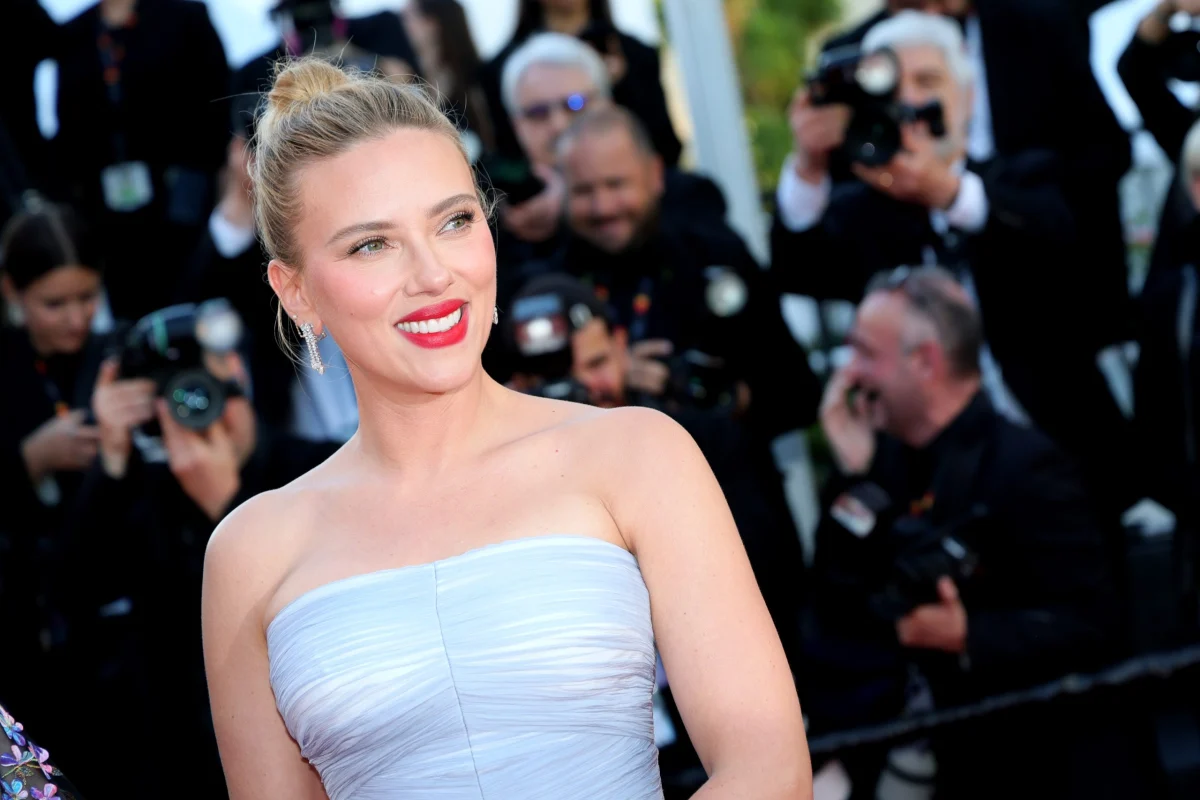
The clean beauty market is officially welcoming one less celebrity-backed enterprise as Scarlett Johansson’s skincare line, The Outset, announced on Wednesday that it is officially winding down its business operations. The high-profile brand, which entered the market with ambitious sustainability and allergen-free commitments, has decided to close its doors after roughly two years of trading, marking another casualty in the notoriously cutthroat beauty and personal care industry.
Johansson launched The Outset back in 2022, partnering with beauty industry veteran Kate Foster Lengyel to co-found a vegan, allergen-free skincare line designed to offer gentle, everyday essentials. The brand initially debuted as a direct-to-consumer digital operation, banking heavily on the growing consumer demand for transparent, clean formulations that avoided harsh chemicals and common skin irritants. Following its initial digital rollout, the company managed to scale its operations significantly, securing major retail distribution deals with prominent brick-and-mortar and e-commerce giants, including Sephora, Amazon, and Nordstrom.
Despite securing shelf space at some of the world’s largest beauty retailers, The Outset has yet to release official, detailed statements regarding the precise corporate or financial reasons behind the sudden closure. However, the brand’s official website has been updated to reflect the reality of the wind-down, greeting digital visitors with a direct and emotional farewell message to its loyal consumer base.
"After an incredible journey, The Outset has made the decision to wind down operations. We’re so grateful to everyone who welcomed us into their routines and supported us along the way," the official statement reads on the brand’s homepage.
While online shopping directly through The Outset’s web storefront has officially come to an end, the brand has moved to reassure its existing customer base that any pending or open orders will be processed, fulfilled, and shipped out as usual without disruption. Furthermore, shoppers may still spot The Outset products remaining on physical shelves at Sephora stores or available for purchase via Amazon for the time being, as these retail partners continue to clear out their remaining inventory of the line.
The demise of the brand highlights the immense economic pressures facing new entrants in the beauty sector, particularly those attempting to carve out market share amidst an overwhelming flood of competing labels. Given how crowded the skincare category is as a whole—and how frequently celebrities tend to dabble in various business ventures, lifestyle brands, and beauty lines—industry experts note that it is rarely a shock when a venture like The Outset ultimately goes under.
JP Kuehlwein, an adjunct associate professor of business at Columbia Business School, spoke to ADWEEK about the broader economic realities facing new beauty brands, pointing out the staggering failure rates inherent in modern retail. According to Kuehlwein, the overall failure rate for new products introduced into retail stores hovers at approximately 75 percent after three to five years in business. While that specific rate can certainly fluctuate across different consumer goods industries, the skincare category is notoriously difficult to break into by any standard, requiring massive capital, constant marketing innovation, and immediate consumer trust.
To truly make their mark and survive the grueling competition, a modern brand needs something distinctive that stands out in a sea of sameness. This differentiator might be a revolutionary new active ingredient, a deeply emotional backstory that connects with consumers, or perhaps the built-in marketing power of a globally recognized celebrity face. For brands built directly around celebrities or high-profile influencers, promotional power is usually an in-built advantage that eliminates massive initial advertising hurdles.
Kuehlwein pointed to wellness mogul Gwyneth Paltrow as a prime example of a celebrity who successfully serves as the absolute face and living embodiment of her brand, Goop, leaning entirely into her personal lifestyle and public persona to drive consumer interest. However, Johansson took a strikingly different, much more subdued approach when marketing The Outset during its launch and subsequent growth phases.
The Hollywood star was relatively invisible while marketing The Outset, rarely anchoring promotional campaigns around her own celebrity status or daily beauty routines. This approach appeared to be entirely intentional from the outset, as Johansson aimed to build an independent brand that did not solely rely on her famous name to generate sales and consumer credibility. Yet, in doing so, industry analysts argue that she may have inadvertently sacrificed the very believability and consumer connection that makes celebrity brands successful in the first place.
"We’re using that moisturizer in a way to become Scarlett," Kuehlwein told ADWEEK, analyzing the psychological relationship consumers form with celebrity-backed beauty products. "If that’s not credible, if there’s no strong link to that, then the proposition quickly loses interest, which seems like what happened here."
Ultimately, as the business winds down and retail inventories dwindle, analysts suggest that the brand’s fundamental undoing might stem from not having forefronted its celebrity spokesperson enough in a marketplace that demands immediate personal connection and star-powered validation.
Representatives for The Outset did not immediately respond to ADWEEK’s requests for comment regarding the closure or the future of the remaining inventory in the retail sector.