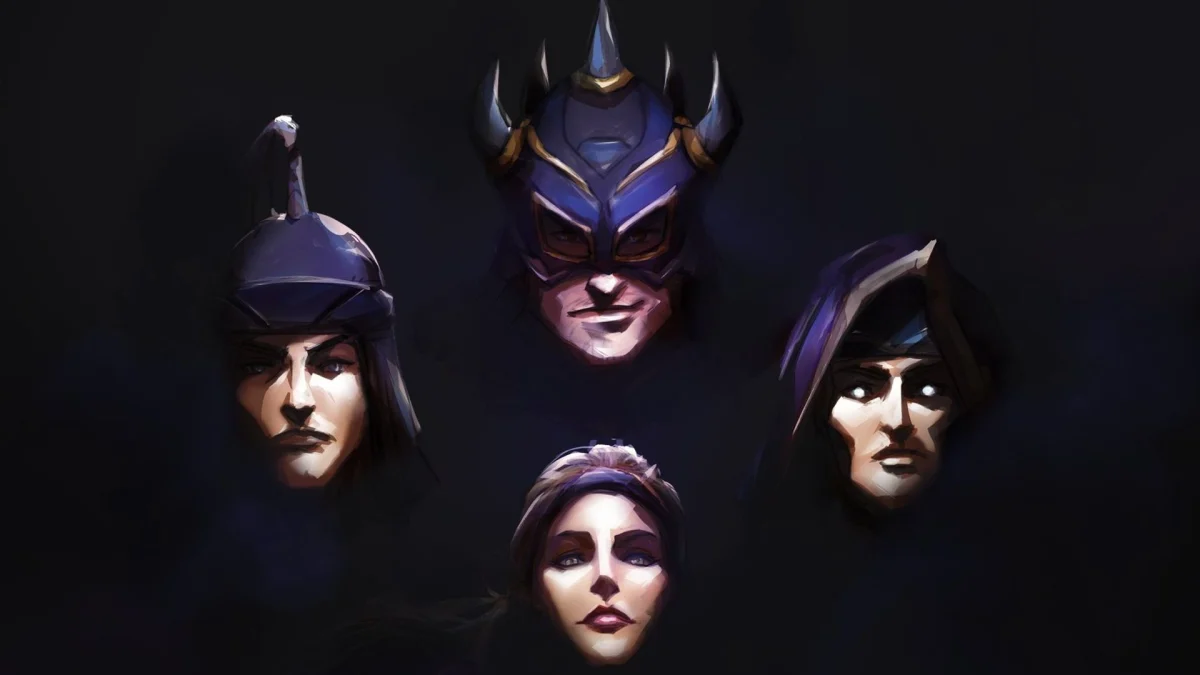
The original title in the long-running series, The Elder Scrolls: Arena, was not critically panned upon its release. In fact, contemporary reviews were generally favorable; critic Andy Butcher awarded the game an impressive 87 rating in his review for PC Gamer at the time. However, critical appreciation did not immediately translate into commercial dominance. In the fiercely competitive retail landscape of the early 1990s, Arena struggled to find its footing, plagued by production delays, shifting industry expectations, and an skeptical retail market that simply did not know what to make of Bethesda’s ambitious fantasy experiment.
In a recent comprehensive retrospective exploring the development of its successor, The Elder Scrolls II: Daggerfall, published by Time Extension, designer Ted Peterson shed light on the turbulent retail realities the team faced during Arena‘s rollout. Peterson, who contributed design work to both foundational entries in the series, recalled the severe logistical and sales hurdles that threatened the project’s viability right from the start. Game stores at the time would pre-order specific allocations of physical retail boxes, but when production hiccups meant the team could not ship on time, nervous retailers began canceling their orders wholesale.
To illustrate just how difficult those early days were, Peterson offered a stark comparison from his own career within the company. The very first project he ever worked on at the studio was a retail expansion pack for Terminator 2029, a sci-fi shooter that required players to own the original base game to function. According to Peterson, that niche expansion pack managed to comfortably ship more physical copies early on than Arena did during its initial retail run.
Despite the dismal start and the very real threat of commercial failure, the project was ultimately rescued by an old-fashioned phenomenon: organic word-of-mouth recommendations. As players took a chance on the sprawling fantasy title and began experiencing its unprecedented scope, positive sentiment rippled through the gaming community. Reflecting on the tumultuous journey, Peterson acknowledged the chaotic reality of those formative years, noting that while the project was a disaster in many operational and commercial ways, it somehow managed to lay the groundwork for a future multi-billion-dollar franchise.
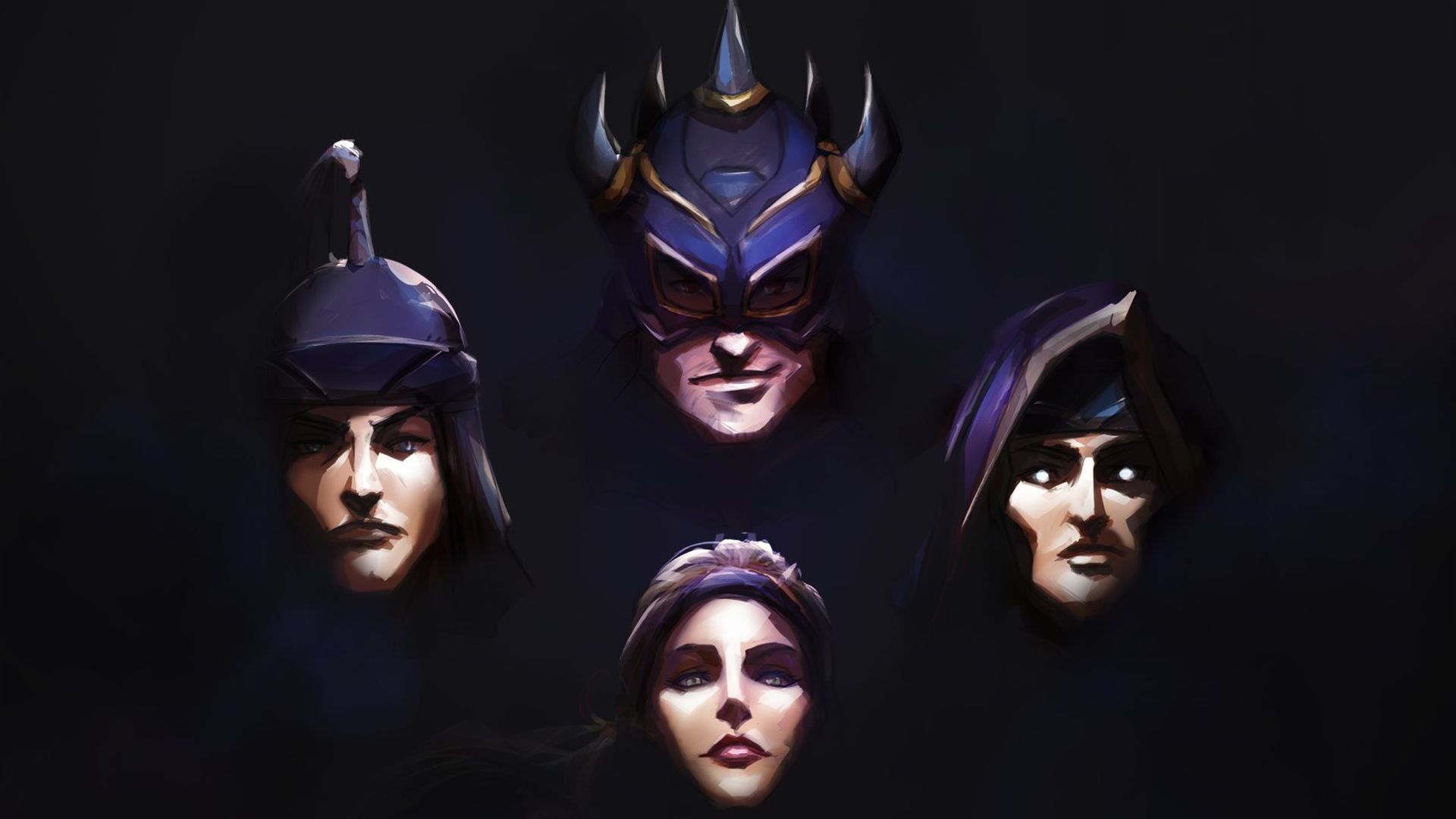
To help put those early struggles into proper historical perspective, Time Extension uncovered archival material from November 1995, featuring an interview with then-Bethesda president Christopher Weaver conducted by PC Gamer. In the vintage interview, Weaver candidly discussed the uncharted waters the company was navigating while trying to introduce Arena to a skeptical public. He explained that Bethesda was in completely unknown territory, as industry buyers and retail gatekeepers simply did not believe that a developer primarily recognized for its sports titles could successfully pivot into a genre as deeply insular and fiercely traditional as tabletop-style computer role-playing games.
According to Weaver, the prevailing feedback coming straight from retail buyers out in the field was blunt and discouraging, with industry insiders warning the studio that they simply could not pull off a project of that magnitude in a genre they had never touched before.
Looking back, that skepticism was entirely understandable given Bethesda’s actual corporate pedigree in the early 1990s. While the studio had certainly dabbled in other genres—including the aforementioned futuristic first-person shooter Terminator 2029—its strongest reputation was firmly rooted in the sports simulation market. Bethesda was the development house responsible for titles like Wayne Gretzky Hockey 3 and Gridiron!, a football game that caught the attention of Electronic Arts and led to a collaborative partnership where Bethesda was hired to help finish John Madden Football. That promising industry relationship, however, ultimately soured and ended up in a legal courtroom after Bethesda sued EA for allegedly failing to fulfill an agreement to publish a promised re-release of Gridiron!.
Transforming Bethesda’s corporate identity and public perception from a developer of sports simulations into the premier architect of massive western role-playing games required an immense amount of creative risk and persistence. Yet, Arena ultimately succeeded in cementing that new reputation, proving the doubters wrong and establishing a design philosophy centered on player freedom, sprawling worlds, and open-ended exploration.
The contrast between those precarious early years and the modern gaming landscape serves as a fascinating lens through which to view the industry today. One can only imagine the immense public outcry and social media shockwaves that would ripple across the gaming community if studio head Todd Howard were to step onto a stage today and announce that the long-awaited The Elder Scrolls 6 was being delayed indefinitely because the team wanted to finally wrap up and ship Wayne Gretzky Hockey 4 first. Instead, Bethesda stands as a giant of modern gaming, a status built entirely on a risky fantasy experiment that very nearly didn’t survive its first trip to store shelves.