In the vast and ever-expanding landscape of video game development, few genres have maintained their dominance quite like the traditional role-playing game. For decades, players have stepped into the boots of chosen heroes destined to vanquish ancient evils, save the universe from destruction, and romance a companion or two along the way. While this formula has reliably fueled the entertainment industry for generations, it has also occasionally bred a deep sense of fatigue among developers who spend their lives immersed in digital worlds.
According to Martin Klima, co-founder of Warhorse Studios, this exact brand of creative exhaustion was the primary catalyst behind the development of Kingdom Come: Deliverance, the studio’s critically acclaimed, historically grounded medieval RPG. In a recent interview with PC Gamer, Klima traced the origins of the hit franchise back to a simple, driving frustration with the cyclical nature of contemporary game design and the repetitive tropes that continue to define mainstream role-playing adventures.
Reflecting on his lifelong appreciation for the genre, Klima noted that his love for interactive storytelling coexists with a growing weariness toward standard narrative conventions. He explained that he plays a significant number of RPGs because he genuinely likes the genre, yet he remains profoundly tired of the ubiquitous narrative device where the protagonist is invariably framed as the chosen one saddled with the monumental task of saving the universe.
In Klima’s view, these titles frequently lean too heavily into straightforward power fantasies. While he was quick to clarify that there is nothing inherently wrong with power fantasies in principle—acknowledging that experiencing a sense of omnipotence and mastery has its place in gaming—he argued that the execution has simply become far too repetitive over the years to hold his interest.
To illustrate his point, Klima drew a sharp comparison between standard fantasy role-playing games and Progress Quest, a satirical 2002 computer game that famously lampooned early massively multiplayer online role-playing games like EverQuest. Progress Quest automated the entire RPG experience, reducing the genre’s core mechanics of grinding, questing, and looting to a passive visual display that mocked the time-sink nature of Skinner box design. Klima pointed to that satire as an accurate distillation of what the common RPG often boils down to underneath its high-budget presentation.
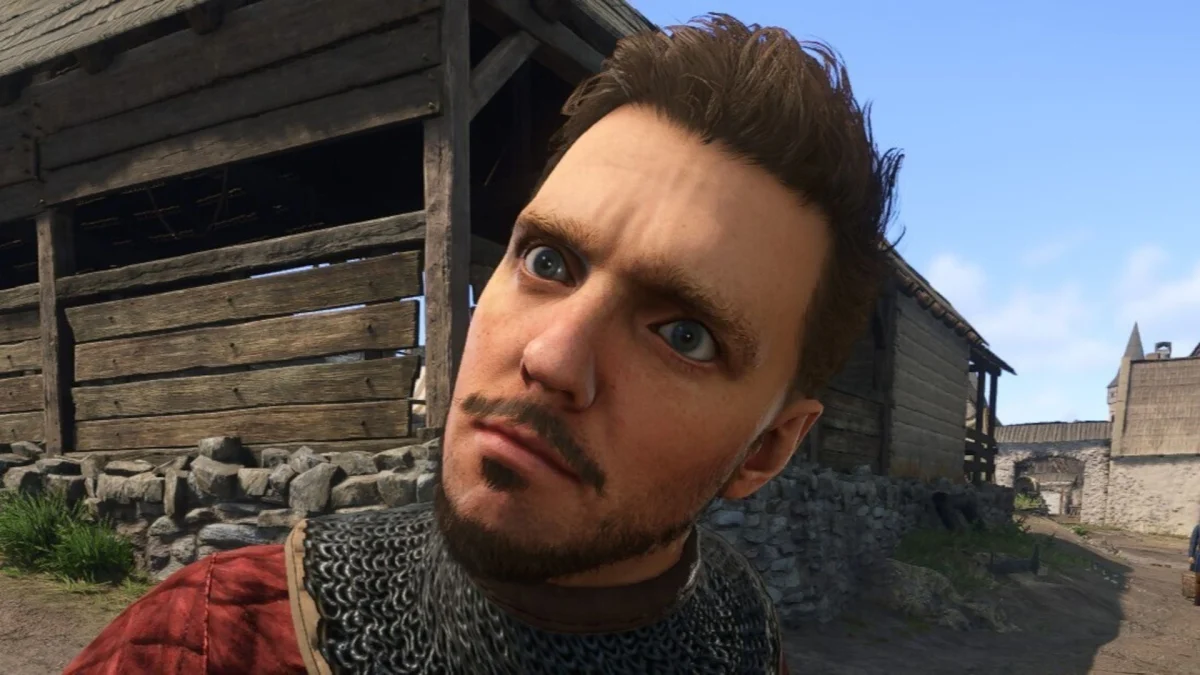
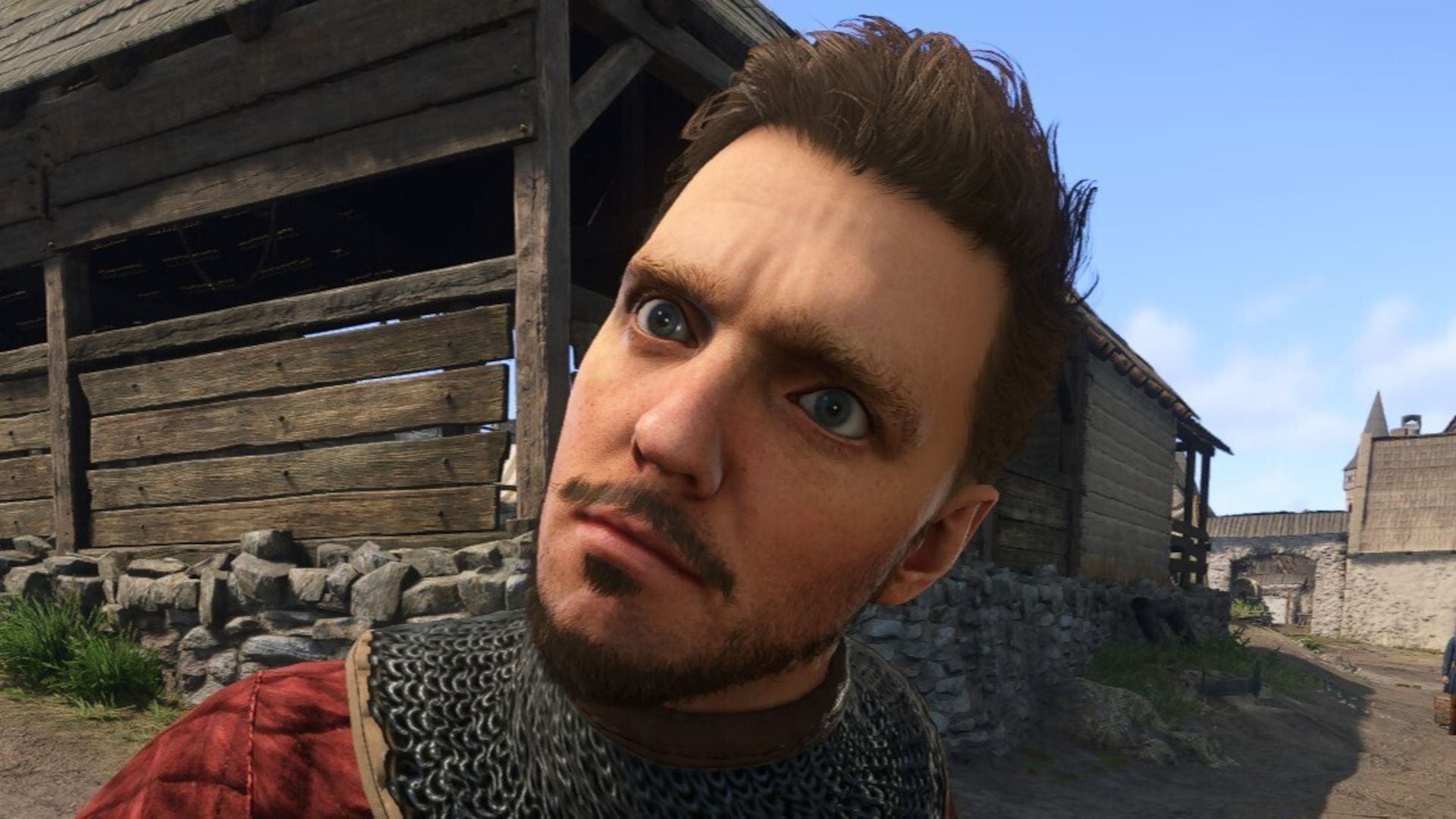
Recognizing this underlying formula led him to a fundamental realization: if he felt so strongly about the exhaustion of these tropes, there must be a substantial audience of players who were equally tired of the predictable narrative loop and hungry for something entirely new and different. That realization served as the foundational seedling that eventually germinated into the gritty, historically faithful world of Kingdom Come: Deliverance, where players assume the role of an ordinary blacksmith’s son named Henry rather than an untouchable magical savior.
Despite the commercial and critical success of Warhorse Studios’ distinct approach—proving that players were indeed ready for a more grounded, historically authentic brand of storytelling—Klima believes that the broader industry has not changed all that much in the years since. In his estimation, a large portion of the games currently being produced remain targeted directly at younger demographics.
Elaborating on this perspective, Klima suggested that players aged 16 or 17 naturally gravitate toward powerful fantasy games because those experiences cater to developmental desires for agency, impact, and escapism. However, he emphasized that the gaming audience has matured significantly over the decades, creating a potential disconnect between the types of stories aging players want to experience and the formulaic power fantasies that publishers continue to prioritize. He took care to note that his observations were not intended as a critique of specific upcoming titles, casually mentioning that people might misinterpret his general philosophy as a comment on games like the anticipated Clair Obscur: Expedition 33, though that was certainly not his intention.
When addressing why the traditional "chosen one" narrative structure remains so resilient and widespread across modern media, Klima pointed squarely to the risk-averse nature of major publishers. In his view, corporate entities within the gaming industry are inherently most comfortable relying on formulas that have demonstrated financial success in the past, viewing innovation as a costly financial gamble.
To provide context on how iterative design dominates the upper echelons of the industry, Klima referenced the development strategies of major publishers, pointing specifically to the catalog of titles produced by Ubisoft. He recalled playing the original installments of foundational franchises such as Assassin’s Creed, Far Cry, and Watch Dogs when they first debuted, noting that those initial experiences were genuinely fun and engaging. However, once a player experiences the exact same core game loop for the tenth time across successive sequels, the underlying mechanics inevitably start to feel stale.
This critique is particularly notable given how certain franchises have evolved over time. While series like Far Cry and Watch Dogs occupy different genres from traditional fantasy role-playing games, the Assassin’s Creed franchise notably underwent a massive structural shift during its historical run, heavily adopting open-world RPG mechanics reminiscent of titles like The Witcher 3 in an effort to keep pace with changing market trends.
At the same time, Klima was careful to acknowledge the immense technical achievement and dedication required to produce games at that scale. He praised the craftsmanship behind Ubisoft’s major releases, highlighting their exceptionally high production values, beautiful character models, fluid animations, and polished, largely bug-free launches.
Nevertheless, he could not shake the feeling that such extraordinary technical craftsmanship and financial investment would be even better served by pushing boundaries and creating experiences that embrace a higher degree of innovation. Recognizing the harsh economic realities of the modern games industry, Klima acknowledged the difficult dilemma faced by major publishers who pour massive budgets into their flagship intellectual properties, admitting that he does not have any simple or easy answers for how companies should navigate those financial risks.