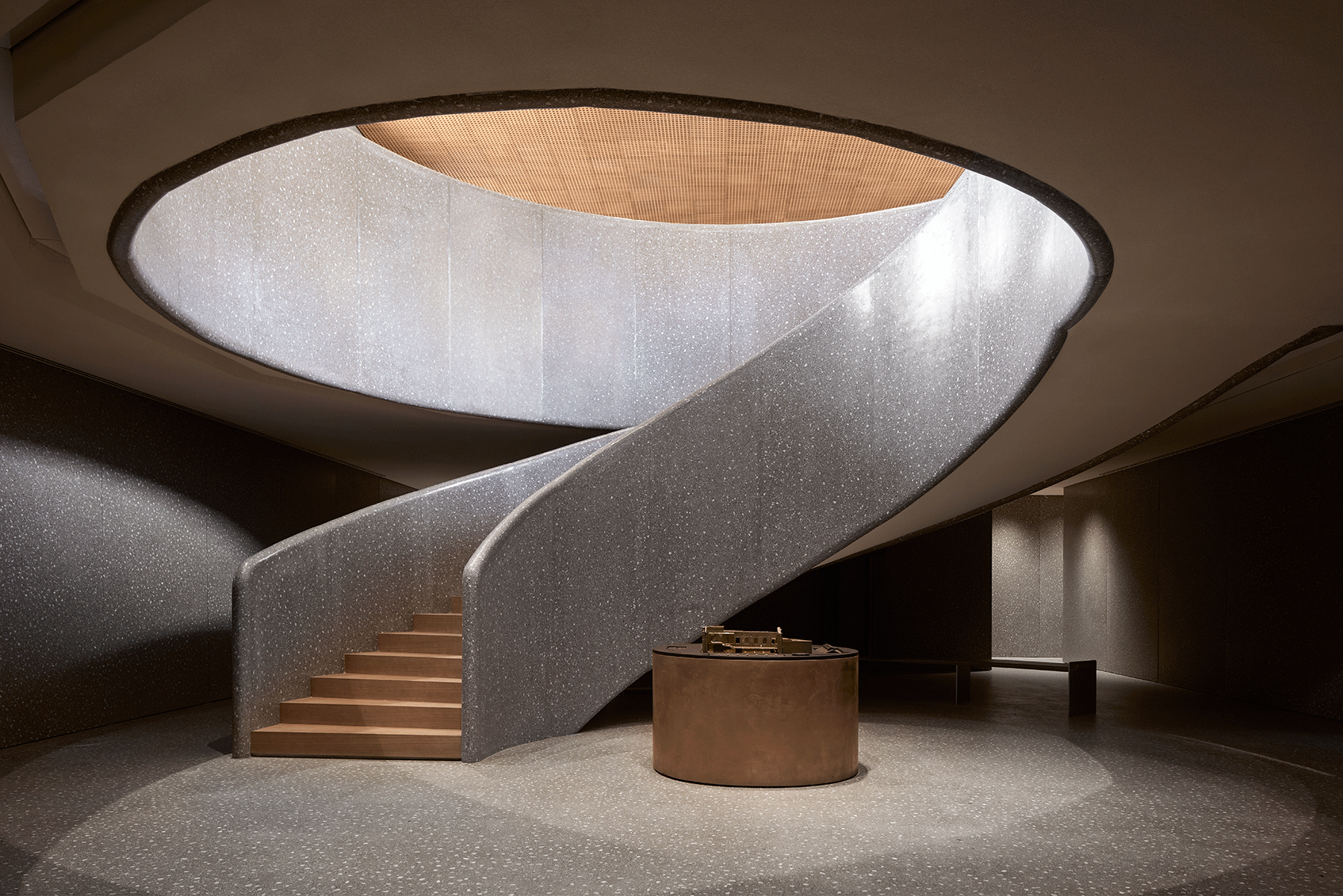
TASHKENT — In the heart of Old Tashkent, a century-old industrial relic has been thoughtfully reborn as a vibrant nexus for contemporary culture. The Centre for Contemporary Arts Tashkent (CCA Tashkent)—Uzbekistan’s very first permanent institution dedicated exclusively to contemporary art—has officially opened its doors to the public. Spearheaded by the Uzbekistan Art and Culture Development Foundation (ACDF) under the leadership of Chairperson Gayane Umerova, the ambitious project breathes new life into a sprawling 1912 former tram depot and diesel station.
The transformation of the historic site was entrusted to the renowned French architecture firm Studio KO. Known for their sensitive approaches to historical contexts, the architects have successfully converted the sprawling early 20th-century complex into a multidisciplinary cultural institution. Today, CCA Tashkent seamlessly combines expansive contemporary exhibition spaces with a specialized library, educational workshops, dynamic public programming, and dedicated artist residencies. Rather than erasing the site’s storied past, Studio KO has used the robust existing industrial structure as the foundational framework for a long-term cultural vision designed to place Tashkent firmly on the global contemporary art map.
The inauguration of CCA Tashkent is marked by its premier exhibition, Hikmah, which will run through January 31, 2027. Curated by Chief Curator Dr. Sara Raza, the exhibition serves as a fitting introduction to the center’s mission, bringing together brand-new commissions and recent works by a diverse roster of ten Uzbek and international artists in dialogue with historic regional art.
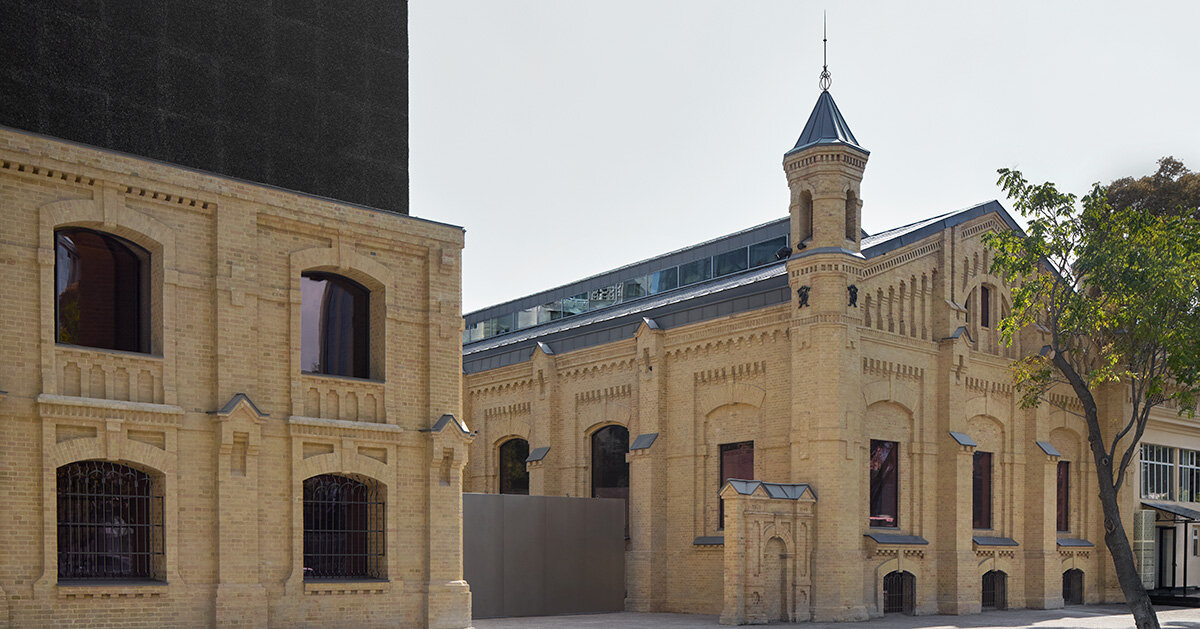
A Century of Transformation: From Imperial Tramway to Cultural Hub
The origins of the newly minted cultural institution stretch back to the final years of the Russian Empire. The original building was designed by architect Wilhelm Heinzelmann to serve as the beating heart of Tashkent’s inaugural tramway line. For over a century, the site remained an active and vital component of the city’s municipal electricity and transit infrastructure, quietly witnessing the dramatic political, social, and architectural shifts that transformed Tashkent from a regional trade center into a sprawling Soviet metropolis and, ultimately, the capital of an independent Uzbekistan.
In 2019, recognizing the architectural and historical significance of the abandoned industrial compound, the site was officially entrusted to the ACDF as a cornerstone of the nation’s broader cultural development strategy. The foundation sought an architectural partner capable of respecting the building’s industrial heritage while outfitting it with the rigorous climate control, lighting, and spatial flexibility required of a 21st-century art museum. Studio KO answered this challenge with a series of restrained, highly considered interventions.
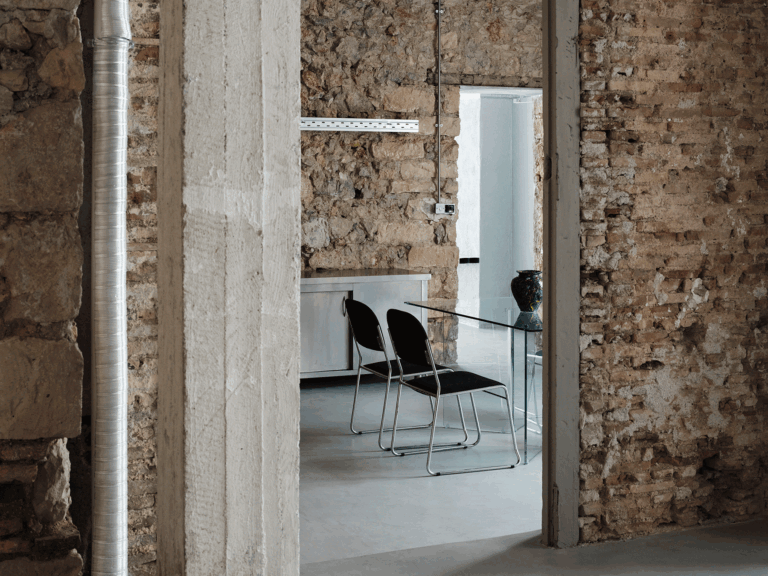
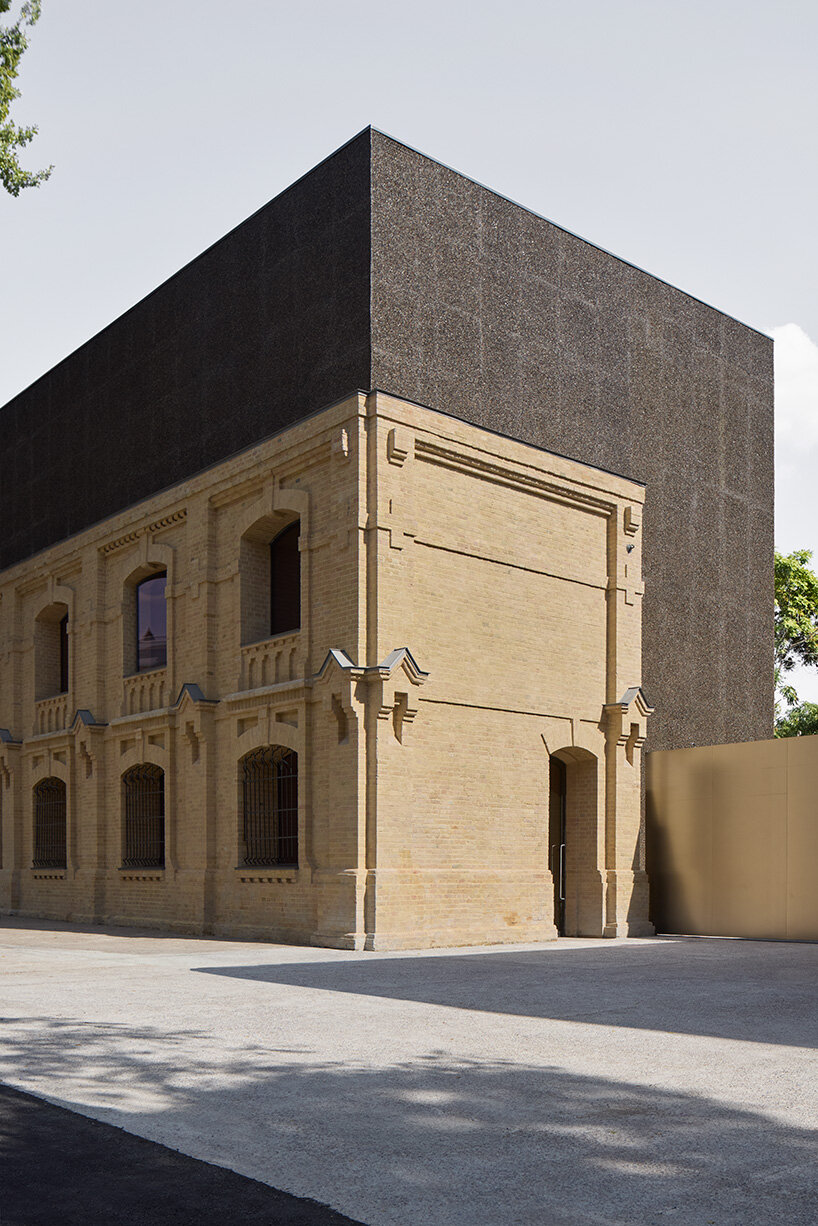
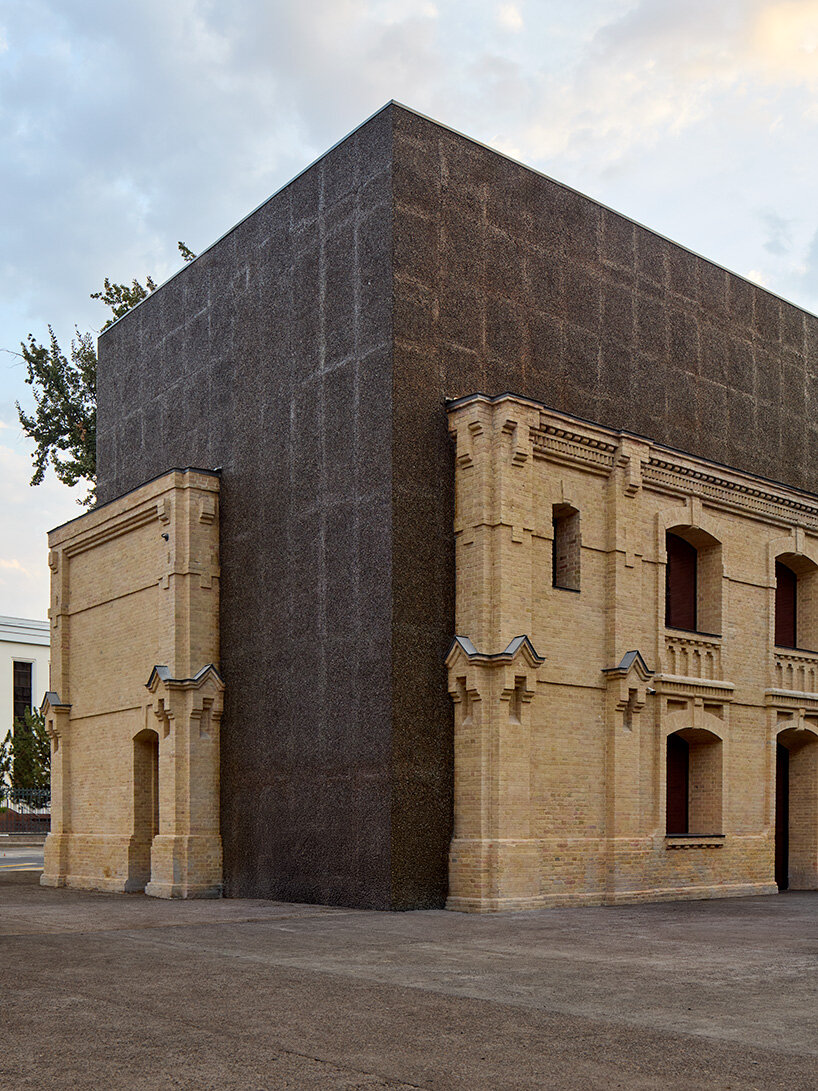
The core of the complex—the former main diesel station—has been converted into the institution’s primary exhibition space. Here, the early 20th-century Imperial-era brickwork has been meticulously cleaned, restored, and left exposed, allowing the raw texture of the industrial past to frame the cutting-edge art of the present. Meanwhile, the building’s former administrative quarters have been repurposed into a specialized bookshop and library. This intellectual hub focuses intensely on art history, world literature, and Oriental studies, providing students, scholars, and local residents with access to a wealth of global and regional academic resources.
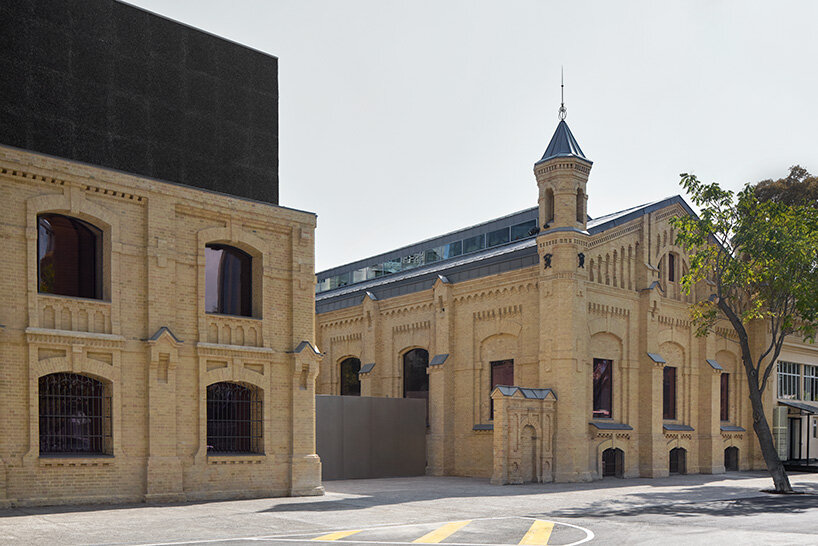
Flowing outward from the indoor galleries, a newly designed central courtyard offers an expansive, flexible outdoor setting. Conceived as a public piazza, the courtyard is equipped to host community workshops, large gatherings, and outdoor film screenings, effectively pulling the institution out of the traditional, white-cube gallery format and embedding it directly into the daily life of the city.
Studio KO and the Poetic Preservation of Industrial Fabric
Throughout the restoration process, Studio KO treated the existing structure not merely as a shell, but as an active, breathing participant in the institution’s overarching identity. The French architects approached the commission with a clear philosophy: to grant the heavy industrial architecture a "new poetic life" by marrying its rugged structural bones with traditional Uzbek building techniques, tactile local materials, and light-filtering motifs.
A key aspect of Studio KO’s methodology involved close collaboration with local artisans and craftspeople. To ensure the new architectural elements felt rooted in their geographic context, the design team developed a specialized concrete mix utilizing locally sourced materials. Furthermore, bespoke ceramic tiles were commissioned specifically for the project from the renowned Rakhimov family ceramics studio in Tashkent. These handcrafted details introduce subtle, contemporary architectural interventions without ever severing the building from the rich material culture and deep-seated traditions of its setting.
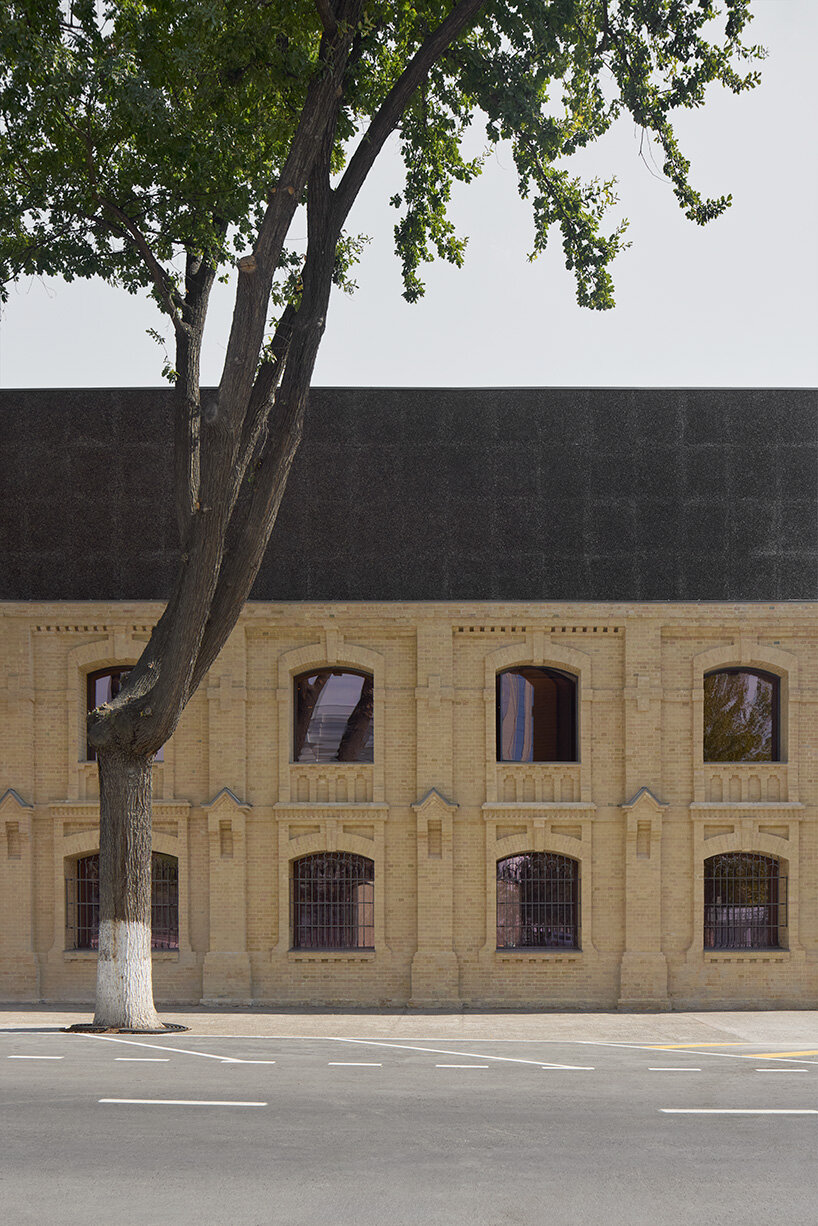
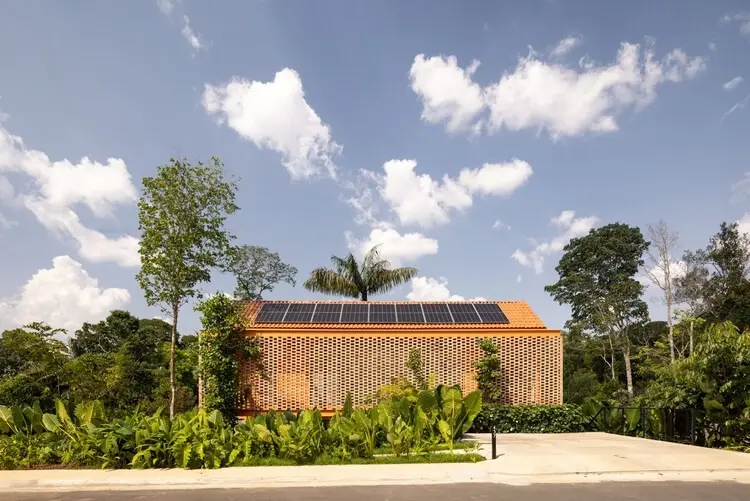
Visually, the intervention is striking yet respectful. Studio KO introduced a dark, textured volumetric addition that hovers above the restored brick facade of the former depot. A narrow, carefully orchestrated passage separates the original historic masonry from the center’s crisp, modern concrete interventions, creating a palpable architectural dialogue between the past and the present. Inside the upper levels, a gracefully curved circulation wall guides visitors fluidly through the galleries, softening the industrial rigidity of the space and offering a dynamic journey of discovery.
Hikmah: An Inaugural Dialogue of Wisdom, Tradition, and Migration
The center’s inaugural exhibition, Hikmah, sets a high intellectual and aesthetic bar for the institution. Taking its title from the Arabic word for wisdom, the exhibition uses the restored industrial spaces as an expansive forum for conversations between contemporary artistic practices, local histories, and the rich cultural traditions of Uzbekistan and the autonomous republic of Karakalpakstan.
Curator Dr. Sara Raza has brought together an impressive group of local and international practitioners whose works engage directly with the site’s industrial character and regional heritage. Among the standout commissions is Tower for a Single Breath by Saudi Arabian artist Muhannad Shono. Developed during his immersive artist residency at CCA Tashkent, the monumental work draws profound inspiration from the mystical Sufi traditions historically associated with the nearby historic Silk Road cities of Bukhara and Samarkand.
Local craftsmanship and geological memory take center stage in Tashkent-based ceramicist Shokhrukh Rakhimov’s installation, The Colour of Silence, In Search of Truth. Comprising seven large-scale ceramic orbs, the work is crafted entirely from locally sourced minerals and natural pigments, grounding the exhibition in the very earth of the region.
International perspectives enrich the dialogue further. South Korean artist Kimsooja contributes her powerful participatory installation, Archive of Mind, which invites visitors to step forward and hand-roll small spheres from local clay. Through this repeated, meditative gesture, museumgoers gradually contribute to a growing collective archive, transforming individual action into shared sculpture. Meanwhile, Nadia Kaabi-Linke’s suspended steel work, Flying Carpets (2011), hangs precariously within the industrial volume. Based on the precise dimensions of woven mats utilized by migrant street vendors in Venice, the piece subtly connects contemporary global issues of migration, labor, and transience with the everyday utilitarian histories carried by woven objects.
The exhibition is further rounded out by Ali Cherri’s evocative sculpture A Mouth, A Wound, Tarik Kiswanson’s newly commissioned installation Nest, and Nari Ward’s site-specific work Tashkent Groundin, which utilizes found industrial materials and copper patina to converse directly with the depot’s heavy structural identity.
Crucially, Hikmah looks inward as well as outward by incorporating historical masterworks from the permanent collection of the State Museum of Arts of Karakalpakstan. By placing historical paintings, sculptures, and traditional woodcarvings by artists such as Vladimir Pan, Bakhtiyar Saipov, and Daribay Saipov in direct spatial conversation with contemporary global commissions, CCA Tashkent bridges the gap between heritage and innovation. The exhibition ensures that the relationship between ancestral cultural inheritance and contemporary artistic production remains a living, breathing core of the institution’s ongoing public programming.