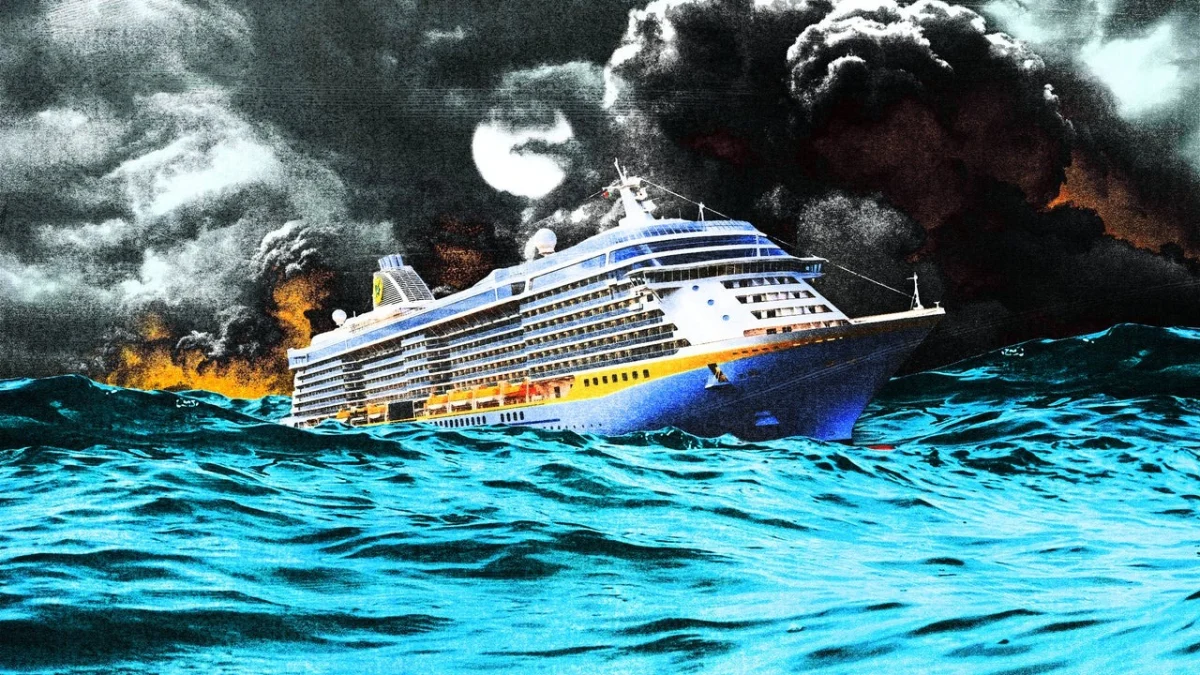
At a time when consumer confidence is faltering, gas prices remain stubbornly high, labor markets show signs of jitters, geopolitical conflicts cast a shadow across the Middle East, and cultural anxieties over technological disruptions dominate the public consciousness, booking a multi-day vacation on the open ocean might seem like an unlikely priority. Yet, travelers are doing precisely that in unprecedented numbers, signaling a profound shift in how consumers approach leisure spending during periods of macroeconomic uncertainty.
This week, Carnival Corporation, the world’s largest cruise operator, reported stellar financial results that shattered previous expectations. For the third quarter, the company posted a massive revenue figure of $8.4 billion, driving a record profit of $1.9 billion. Even more intriguing to market analysts and investors than the immediate financial windfall was the company’s forward-looking outlook: Carnival announced all-time high bookings stretching as far out as 2027.
Customer deposits reached $7.6 billion during the third quarter, representing a nearly 7% increase compared to the same period last year. According to company disclosures, Carnival is already roughly half-booked for 2027, with 2028 bookings tracking comfortably ahead of historical paces. Significantly, leadership emphasized that this demand spike is being driven entirely by organic consumer interest and earlier-than-usual reservation habits, rather than relying on promotional discounts or cut-rate pricing models.
During the company’s quarterly earnings call, Carnival CEO Josh Weinstein offered investors a psychological perspective on the phenomenon, suggesting that the leisure mindset of American consumers is finally aligning with a traditional European framework. Vacations, Weinstein observed, have become sacrosanct. In an era defined by continuous global stress, consumers have adopted the mindset that taking a break is essential, and they are committed to doing so regardless of whether economic conditions are favorable or challenging.
To many observers, these robust financial figures might appear entirely counterintuitive. The cruise industry is operating within an undeniably risky economic climate, and it is doing so just a few years after the COVID-19 pandemic effectively brought global maritime tourism to a standstill. Not long ago, the very concept of sharing confined spaces for days on end with thousands of other travelers carried a vaguely nightmarish connotation for much of the public.
Yet, the entire sector has engineered a remarkable rebound. Among Carnival’s chief rivals, Royal Caribbean has emerged as an exceptionally strong all-around operator, consistently performing well across pricing power, profit margins, and advance booking metrics. Meanwhile, Norwegian Cruise Line, though historically more cautious and operationally uneven, has also posted encouraging recent performance. News of Carnival’s triumphant quarter swiftly lifted the stock prices of its major competitors across the market, reflecting broad investor confidence in the durability of the cruise resurgence.
There are, of course, practical financial motivations driving consumers toward cruise vacations. Even amidst rising fare rates, the foundational value proposition of a cruise remains exceptionally attractive to consumers who appreciate the convenience of an all-inclusive bundle covering lodging, dining, and onboard entertainment. This consolidation of travel expenses allows households to lock in a fixed vacation budget far in advance, offering a welcome sense of financial predictability during a volatile economic moment.
At the same time, Carnival and its peers are benefiting from the sector’s broader recovery from its pandemic-era nadir. Data from the Cruise Lines International Association highlights the scale of this resurgence, reporting an estimated 37.2 million global cruise passengers in 2025 and projecting an increase to 38.3 million in 2026, up significantly from 34.6 million passengers in 2024. This massive influx of travelers has materialized despite steady upward pressure on ticket prices.
On a broader cultural level, matching Weinstein’s analysis of the sacrosanct vacation, modern leisure consumers have placed a premium on experiential travel over material accumulation. This behavior serves as a lasting echo of the "YOLO economy" trend that emerged during the pandemic era—a risk-embracing, "You Only Live Once" ethos born directly out of frustration with extended lockdown restrictions. For many consumers, this period triggered a permanent psychological shift, transforming adventure-aversion into an active craving for in-person, high-contact, and tangible real-world experiences.
The classic cruise vacation, despite its structured packaging and meticulously planned itineraries, delivers a distinct version of that direct, shared human experience. Cruisers are reserving their spots significantly further in advance than in pre-pandemic years. This behavior pattern causes high-demand journeys to sell out much earlier, which in turn preserves fare pricing power and encourages subsequent waves of travelers to book even further ahead in a self-reinforcing cycle that heavily benefits operators like Carnival.
While Carnival management declined to single out specific proprietary routes experiencing the heaviest demand, the company noted during its earnings call that traditional Caribbean itineraries remain exceptionally popular, alongside Northern Europe and Alaska destinations benefiting from the rising travel trend of "coolcationing"—escaping hotter climates for cooler northern latitudes.
Nevertheless, the cruise industry is not entirely immune to external pressures. Elevated fuel prices continue to chip away at operating margins, and ongoing geopolitical tensions regularly force operators to alter itineraries and modify global routes. Historically, cruise demand has demonstrated cyclical vulnerability, where weak labor markets and depressed consumer confidence typically translate into pricing pressure and declining booking volumes. Prior to the disruptions of COVID-19, the cruise sector had enjoyed decades as one of travel’s fastest-growing segments, though it did experience temporary revenue setbacks during the 2008–2009 global financial crisis.
This current economic cycle, however, has proven to be an outlier. The sheer volume of early advance bookings has translated into steady, non-discounted pricing structures and remarkably high fleet occupancy rates. The dual appeal—both practical and emotional—of securing an adventure well ahead of time and having a major milestone to anticipate appears to outweigh the cautionary instincts that traditionally restrained consumers during uncertain times.
Ultimately, the extraordinary performance of the cruise industry suggests that its current boom is not happening in spite of the precarious, risk-laden world we inhabit today, but rather because of it.