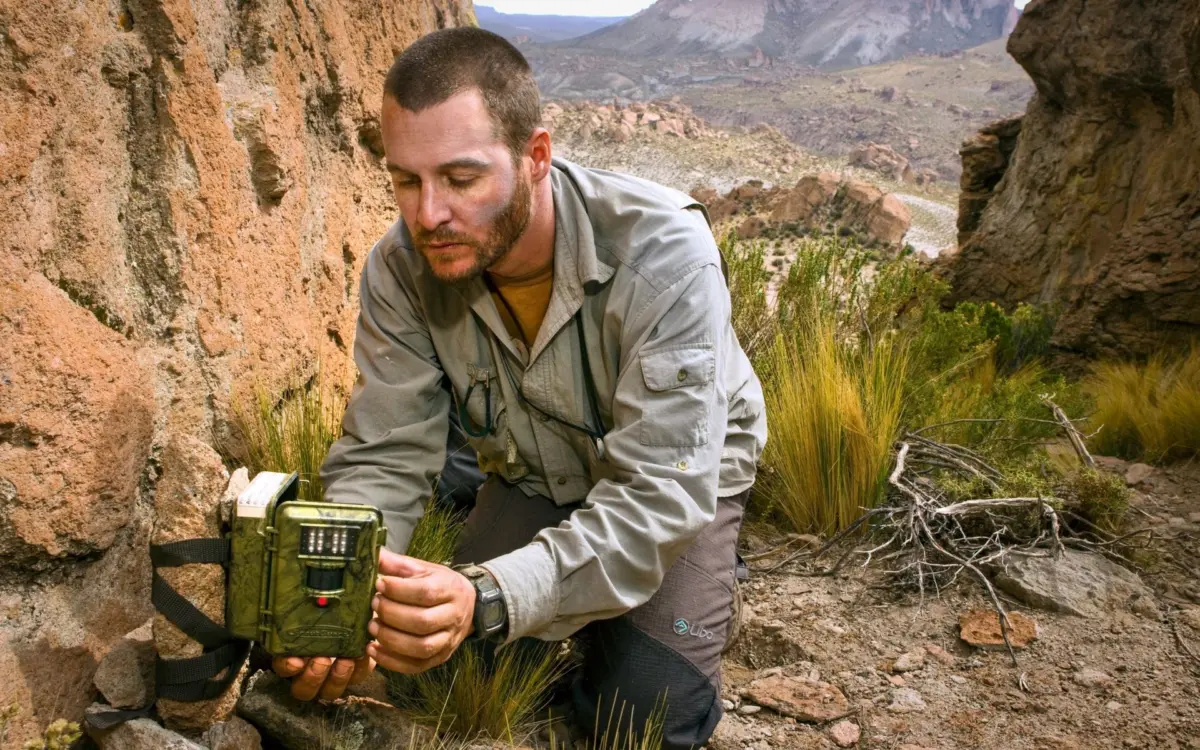
Conservationists working in Argentina have captured rare footage of one of the world’s most elusive felines, marking the third consecutive year the endangered species has been documented in the region. The Wildlife Conservation Society (WCS) Argentina announced the discovery, highlighting the vital role that trail cameras continue to play in protecting the rarest cat species across the entire Andean mountain range.
The latest sighting, recorded in January 2026, took place within the La Payunia Protected Natural Area in the Mendoza Province. This breakthrough forms part of a broader, decades-long investigation conducted by WCS into the distribution and ecology of the Andean Mountain Cat (Leopardus jacobita) across northern Argentina.
Measuring roughly the same size as a large domestic house cat, the Andean Mountain Cat is instantly recognizable by its thick, ash-gray fur, which is heavily patterned with distinctive brownish-orange spots and stripes. This unique coat provides the feline with exceptional natural camouflage against the harsh, rocky high-altitude terrain it calls home. Despite its striking appearance, the animal’s natural habitat—remote, rugged, and difficult to access—has historically made it one of the hardest wild cat species to study or even spot in the wild.
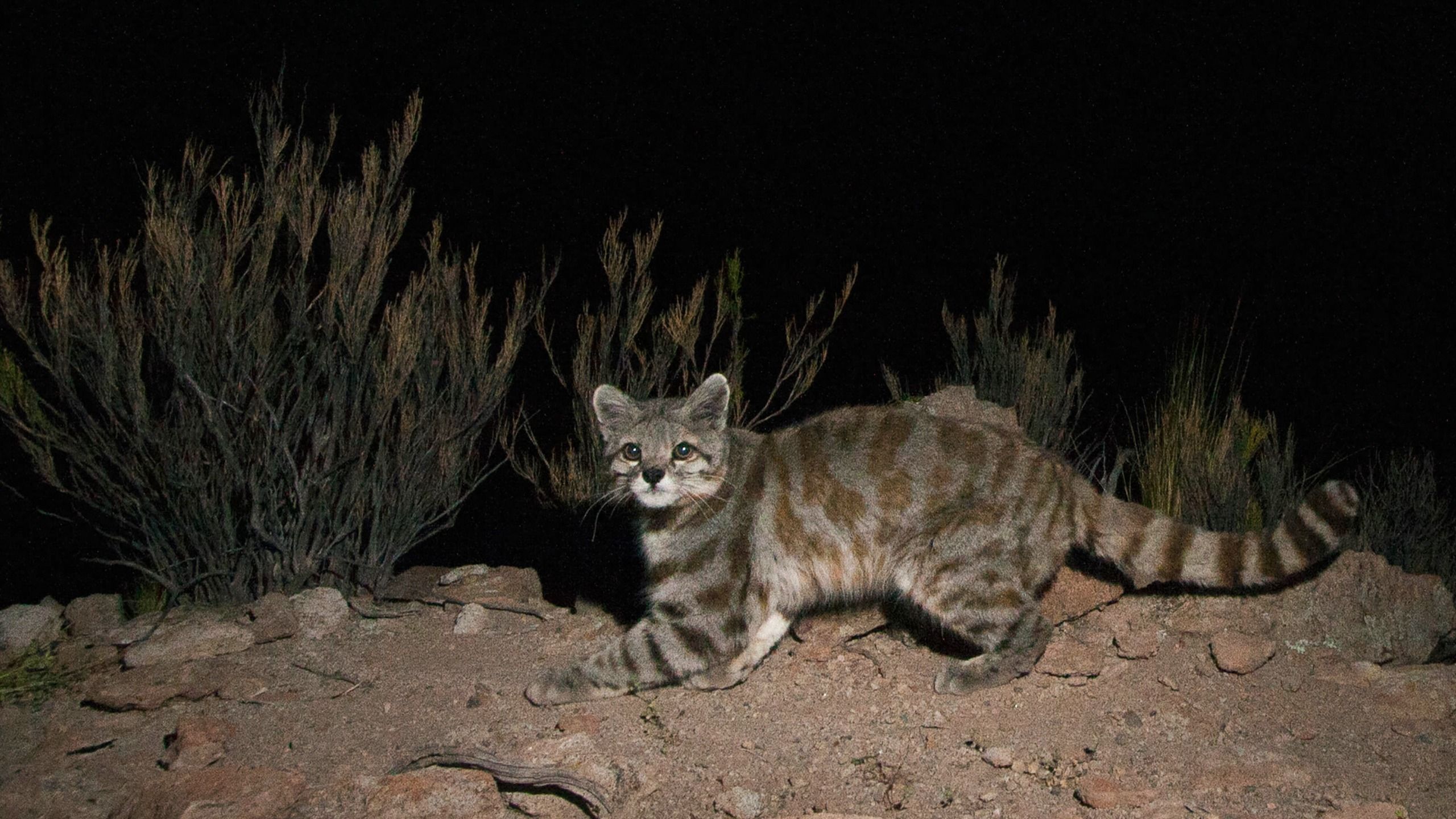
The threats facing the species are severe. Pressured by illegal hunting, ongoing habitat fragmentation and loss, and a significant decline in its primary local prey populations, the Andean Mountain Cat remains the single most endangered cat species in the Americas. It holds a precarious position on the IUCN Red List of Threatened Species. Current estimates from WCS Argentina suggest that there are only about 2,100 mature individuals remaining across its entire geographic range in South America.
Despite these grim statistics, the recent series of discoveries has provided a much-needed morale boost for field researchers and conservationists.
"Every discovery is great news; it confirms that the Andean cat is still present in the area and that conservation efforts are yielding concrete results," commented Dr. María José Bolgeri, regenerative management manager at WCS Argentina.
While the WCS had successfully observed the elusive cat using automated camera traps three years prior in the neighboring Neuquén Province, it had never before managed to capture frames of the feline in Mendoza Province. Expanding the photographic record to Mendoza represents a significant geographic milestone for the ongoing regional monitoring initiative.
The breakthrough in Mendoza was made possible not just by technology, but by vital community collaboration. Conservationists were tipped off after a local farmer described an encounter with the animal with "remarkable precision." According to Dr. Bolgeri, the farmer’s detailed account helped confirm the actual presence of the cat in the specific sector of the region, providing researchers with the precise local knowledge needed to deploy their equipment effectively. Guided by these insights, the team set up motion-activated trail cameras that ultimately secured the photographic evidence.
However, conservation scientists emphasize that while these consecutive annual sightings are encouraging, they do not yet provide a complete picture of the population’s overall trajectory. None of the sightings recorded over the past three years establish definitive scientific proof as to whether the local Andean cat population is currently increasing, stabilizing, or continuing to decline.
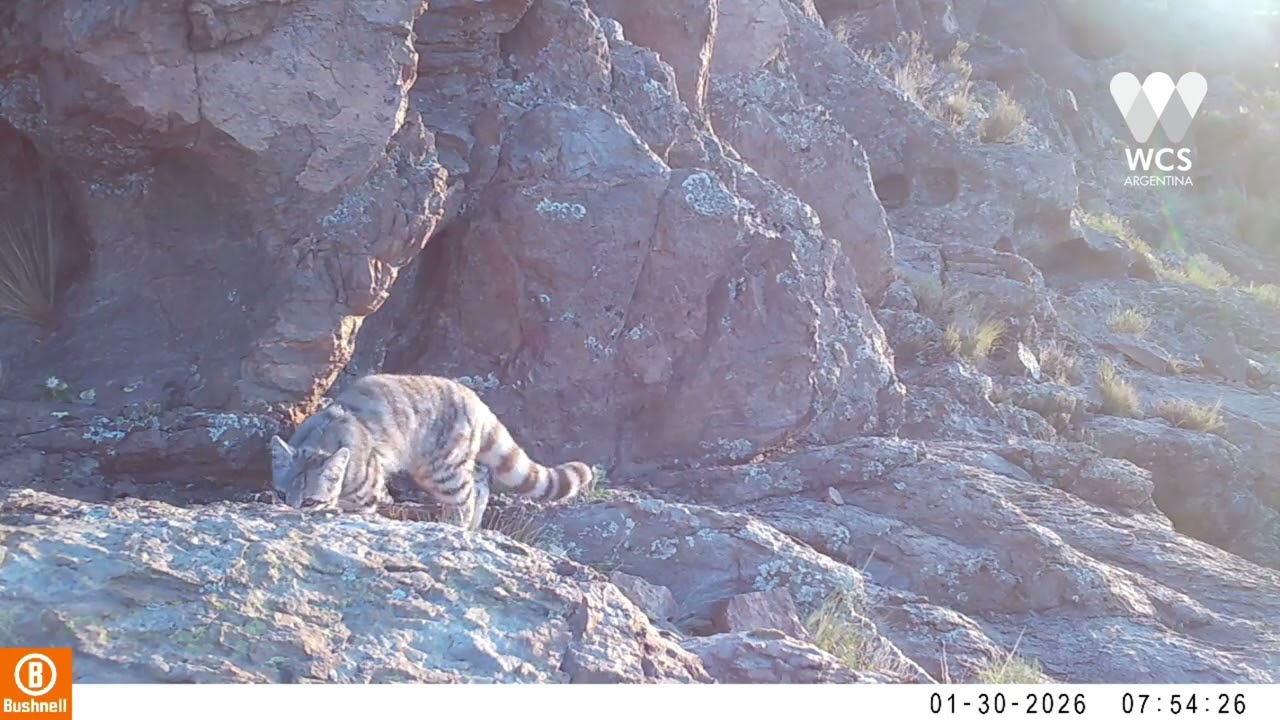
Instead, researchers stress that these repeated detections underscore the absolute necessity of continued, long-term camera trap monitoring. Such persistent fieldwork is essential to improve the scientific community’s understanding of the species’ true distribution, migration corridors, and the myriad logistical challenges involved in studying such an elusive predator in extreme alpine environments.