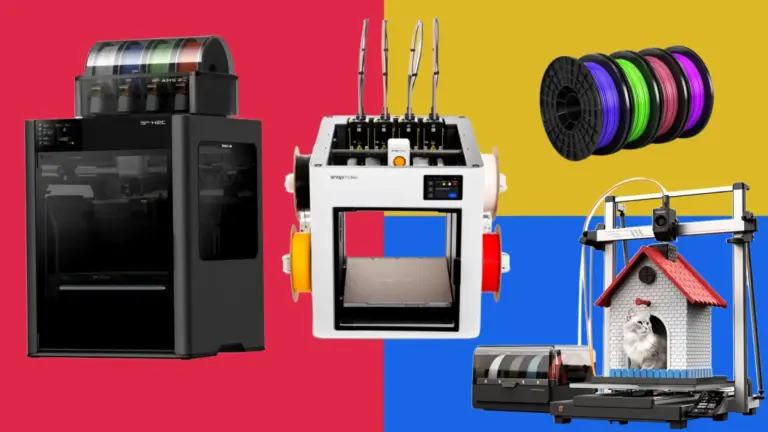
Amazon has officially kicked off its early savings window ahead of the highly anticipated October Prime Day event, giving makers, designers, and hobbyists an excellent opportunity to invest in creative hardware. Among the standout early promotions is a substantial discount on a highly capable mid-range 3D printer designed to bridge the gap between entry-level ease of use and professional-grade versatility.
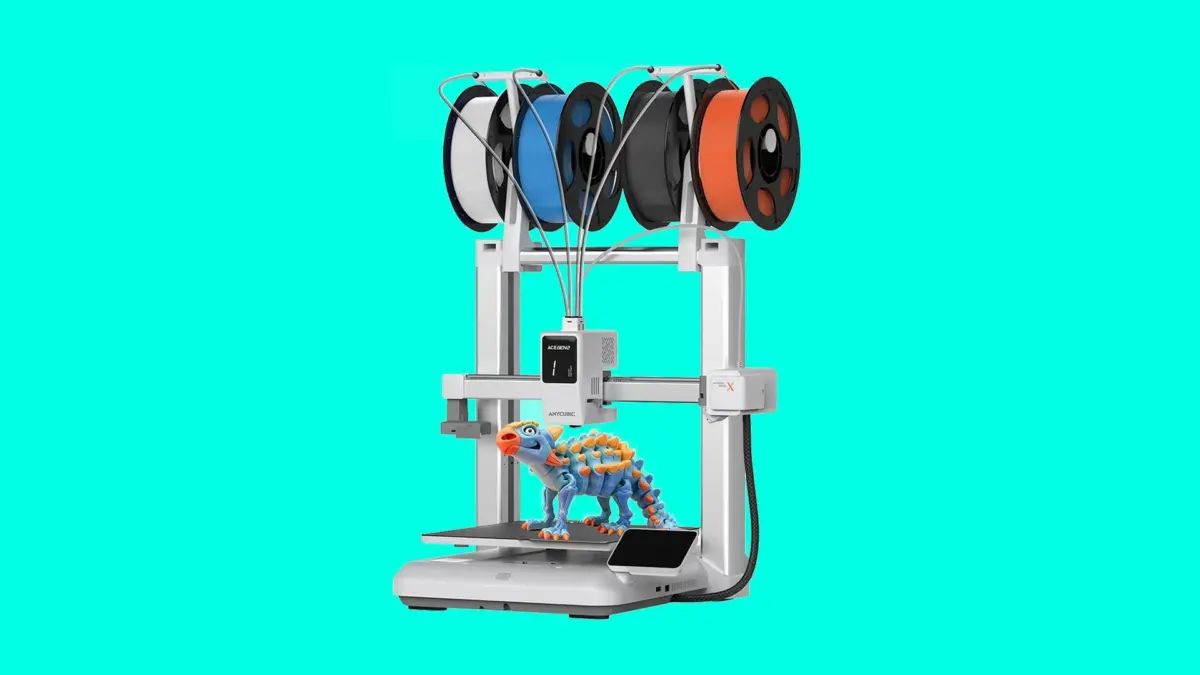
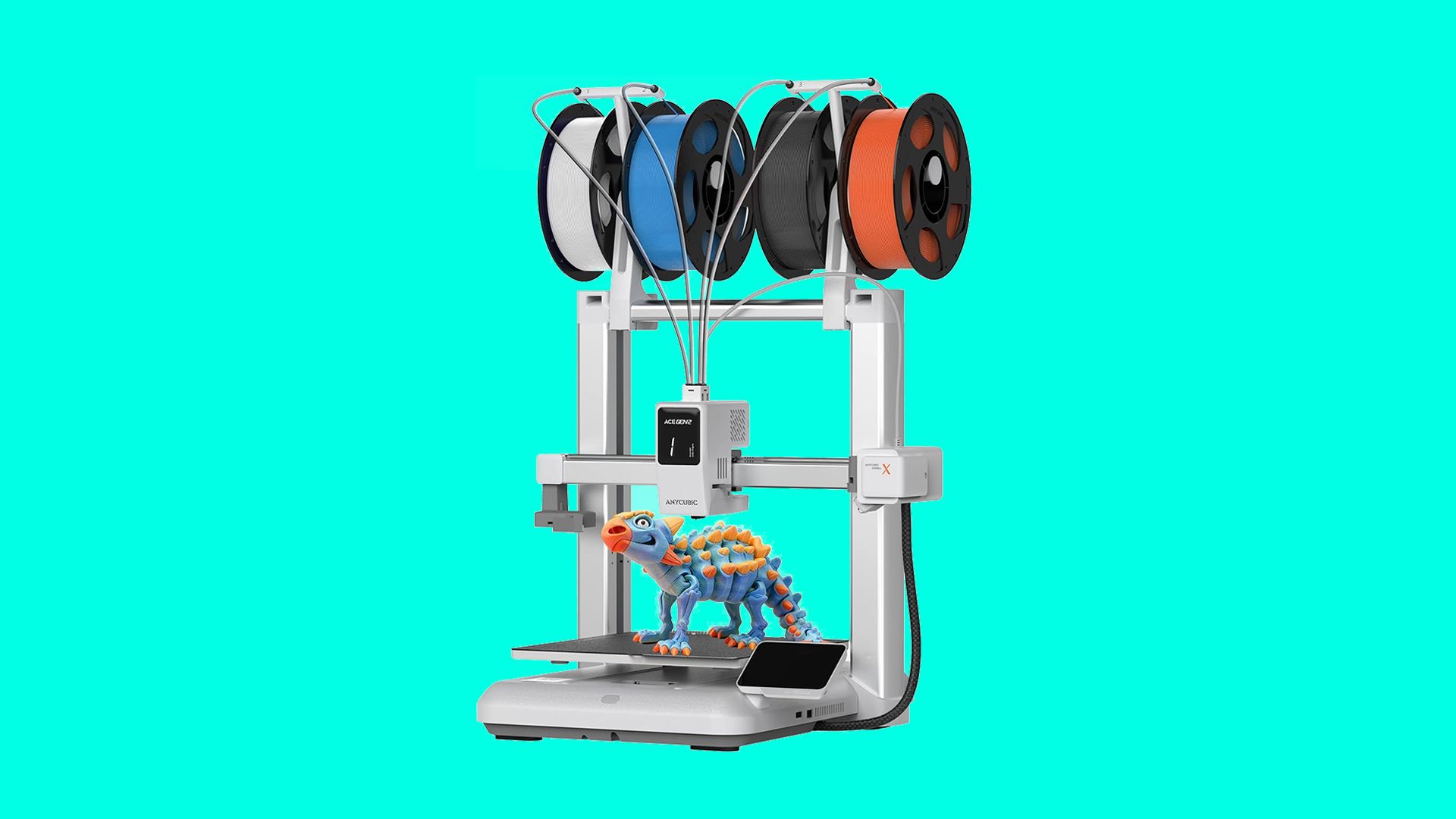
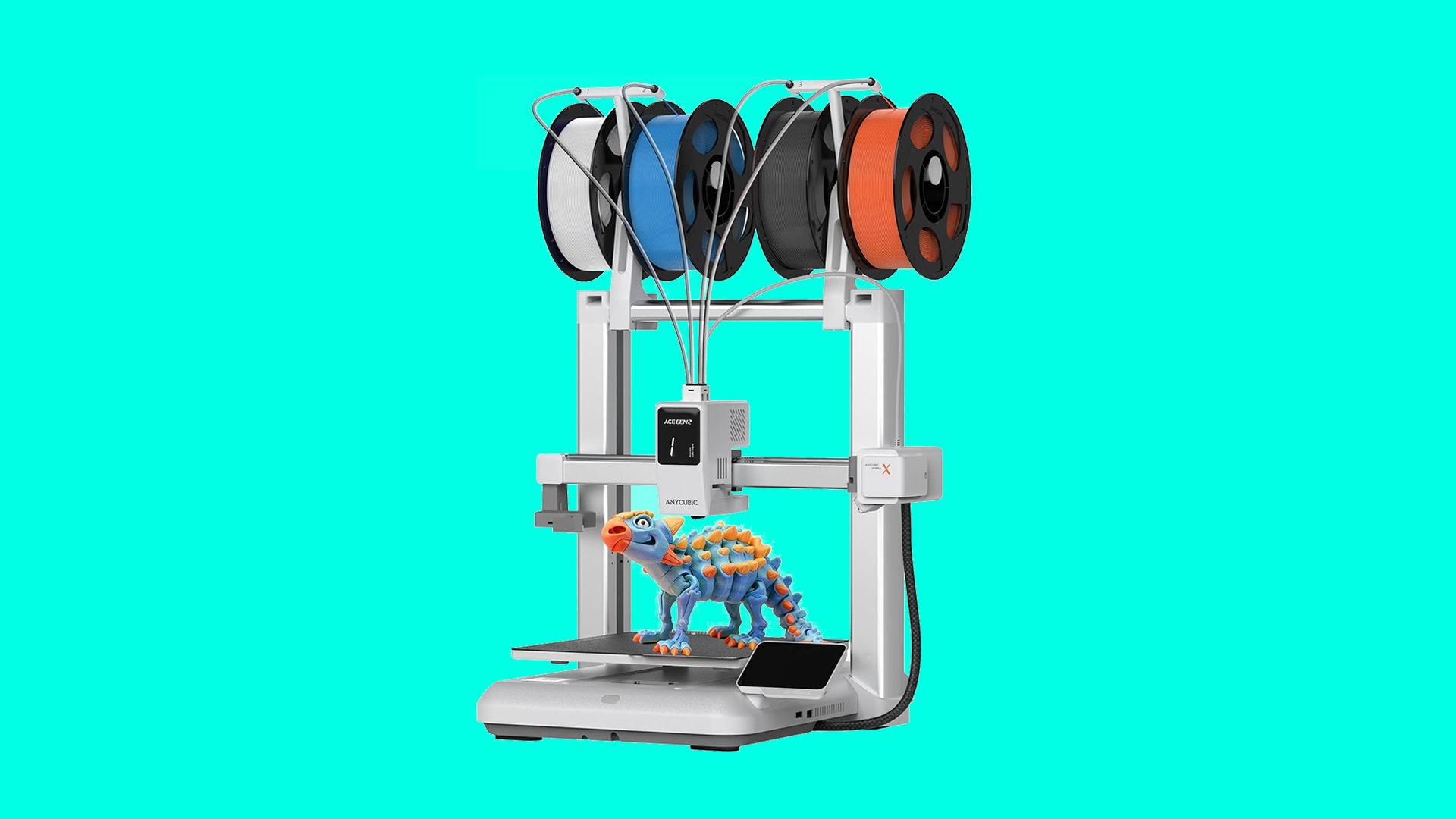
Currently, Amazon has slashed the price of the Anycubic Kobra X by $130, marking one of the most compelling early deals for those looking to venture into the world of three-dimensional fabrication or upgrade their existing desktop setup.
The Anycubic Kobra X has earned a reputation as a highly versatile Fused Deposition Modeling (FDM) printer. While it remains accessible enough for absolute beginners to set up and operate without a steep learning curve, it also boasts a robust feature set that ensures users will not quickly outgrow its capabilities as their skills develop. With its multi-filament integration, generous print dimensions, and smart monitoring systems, this machine offers an appealing balance of consumer convenience and creative freedom.
Navigating the Early Prime Day Savings
This early discount is presented as part of Amazon’s Big Deal Days, a shopping event tailored specifically for Amazon Prime subscribers. To take advantage of the $130 discount on the Kobra X, shoppers will need an active Prime membership.
For those who are not currently subscribed to the service, Amazon offers a 30-day free trial of Prime. This trial grants full access to all early and active holiday deals, alongside standard membership benefits such as expedited shipping and streaming services. Users who wish to access the discount without committing to a long-term subscription fee can simply utilize the trial period and cancel before the 30-day window expires to avoid recurring charges.
As the fall shopping season begins to ramp up, early promotions like this provide a strategic window for buyers to secure high-demand tech and hardware before the peak rush of the official holiday sales. 3D printers, in particular, often see fluctuating stock levels during major sales events, making early deals highly attractive for planners.
FDM vs. Resin: Choosing the Right Technology for Your Needs
When entering the 3D printing ecosystem, newcomers are immediately faced with a fundamental choice between the two dominant consumer printing technologies: Fused Deposition Modeling (FDM) and resin-based stereolithography (SLA/MSLA). Understanding the differences between these two methodologies is crucial for selecting the right machine for your specific creative projects.
For the vast majority of beginners, FDM printing is widely considered the most practical and user-friendly starting point. FDM printers operate by heating a spool of thermoplastic filament and extruding it layer-by-layer through a heated nozzle to build an object. This process is inherently cleaner and safer than resin printing. FDM materials, such as PLA, PETG, and ABS, are easy to handle, widely available, and relatively inexpensive. Furthermore, FDM printing requires minimal post-processing; once a print is finished and cooled, it can generally be removed from the build plate and used immediately. FDM machines also tend to offer much larger build volumes for the price, allowing users to fabricate structural parts, cosplay elements, and large household items.
In contrast, resin 3D printing utilizes a liquid photopolymer resin that is cured layer-by-layer using a UV light source, such as an LCD screen or a laser. Resin printers excel at capturing incredibly fine, microscopic details, making them the industry standard for producing tabletop miniatures, highly detailed figurines, and intricate jewelry molds.
However, resin printing comes with a steeper learning curve and a more demanding workspace requirement. The liquid resins emit strong fumes, requiring a well-ventilated workspace, and the material is toxic to skin contact, necessitating the use of nitrile gloves and protective eyewear. Additionally, completed resin prints must undergo a multi-step post-processing routine, which includes washing the model in isopropyl alcohol to remove uncured liquid and placing it under a dedicated UV lamp for final curing.
For those whose creative goals specifically demand the extreme detail of resin printing, Anycubic also maintains a strong presence in that market. Alongside the Kobra X discount, Amazon is running parallel early Prime Day promotions on some of Anycubic’s premier resin 3D printers, with select models discounted by as much as $230. However, for general making, prototyping, and large-scale creative endeavors, the FDM-based Kobra X remains the more versatile and approachable choice.
The best multicolour 3D printer for beginners?
While there are cheaper, bare-bones 3D printers available on the market, budget-tier machines often require extensive manual calibration, frequent troubleshooting, and constant hardware adjustments. This can quickly lead to frustration for newcomers. The Anycubic Kobra X positions itself as a premium mid-range alternative that minimizes these pain points while offering advanced features that are typically reserved for much more expensive industrial machines.
One of the most notable features of the Kobra X is its native multi-color printing capability. Historically, achieving multi-color designs on an FDM printer required users to manually pause prints to swap filament spools, paint the finished models by hand, or invest in complex, third-party aftermarket modifications. The Kobra X simplifies this process by supporting native four-color printing out of the box, with the system being expandable to handle up to 19 different colors or materials. This capability allows makers to print complex, multi-colored models, signs, and prototypes in a single, automated print job, greatly expanding the creative potential of the machine.
In addition to multi-color support, Anycubic has integrated several smart quality-of-life features designed to ensure print reliability and ease of use:
- Automatic Bed Leveling: Achieving a perfectly level build plate is critical for first-layer adhesion, which is the foundation of any successful 3D print. Manual bed leveling can be a tedious and precise task for beginners. The Kobra X utilizes an automated leveling system that measures and compensates for any microscopic unevenness on the print bed, ensuring consistent results with minimal user intervention.
- App Control and Connectivity: Users can monitor and control their print jobs remotely via a dedicated mobile application. This connectivity allows makers to start, pause, or stop prints from another room or even away from home, providing greater flexibility in managing long print jobs.
- AI Monitoring: Failed prints can lead to wasted time and expensive filament. The Kobra X features integrated AI monitoring systems designed to detect common printing errors, such as filament run-out or print detachment, and pause the machine automatically to prevent damage or material waste.
- Generous Build Volume: Unlike many entry-level printers that restrict users to small, compact models, the Kobra X features a large build volume. This expanded physical capacity ensures that users can print large-scale functional items, complex assemblies, or multiple smaller parts simultaneously without feeling restricted by the physical boundaries of the machine.
By combining these advanced automated systems with a spacious build envelope, the Kobra X presents a compelling value proposition. It functions as a highly reliable tool that lowers the barrier to entry for beginners, while offering the sophisticated material handling and multi-color capabilities required by intermediate and advanced makers. For those looking to establish a long-term hobby or integrate 3D printing into a professional design workflow, this early Prime Day discount represents an opportune moment to acquire a highly capable machine at a significantly reduced price point.