Octopuses have long captured the human imagination with their uncanny intelligence, problem-solving skills, and notoriously inquisitive nature. Known to investigate foreign objects in their marine habitats with a relentless curiosity, these cephalopods occasionally cross paths with human technology in ways that produce unexpected and delightful results. Recently, one such encounter unfolded off the beaten path when an adventurous octopus decided to inspect a snorkeler’s high-end 360-degree camera, inadvertently stepping into the role of an underwater cinematographer and securing some uniquely tentacled shots in the process.
The humorous and visually striking underwater photography mishap first came to light when social media user Konstantinos Mousis shared the footage online. The clip quickly attracted widespread attention across digital platforms before being picked up and highlighted by camera manufacturer Insta360. At the center of the viral video is an Insta360 X5, a sophisticated device that fell victim to an eight-legged thief with an apparent penchant for modern technology. Rather than merely destroying or discarding the gear, the octopus made off with the equipment, using its flexible limbs to carry the device through the water while recording an extraordinary perspective of its marine surroundings.
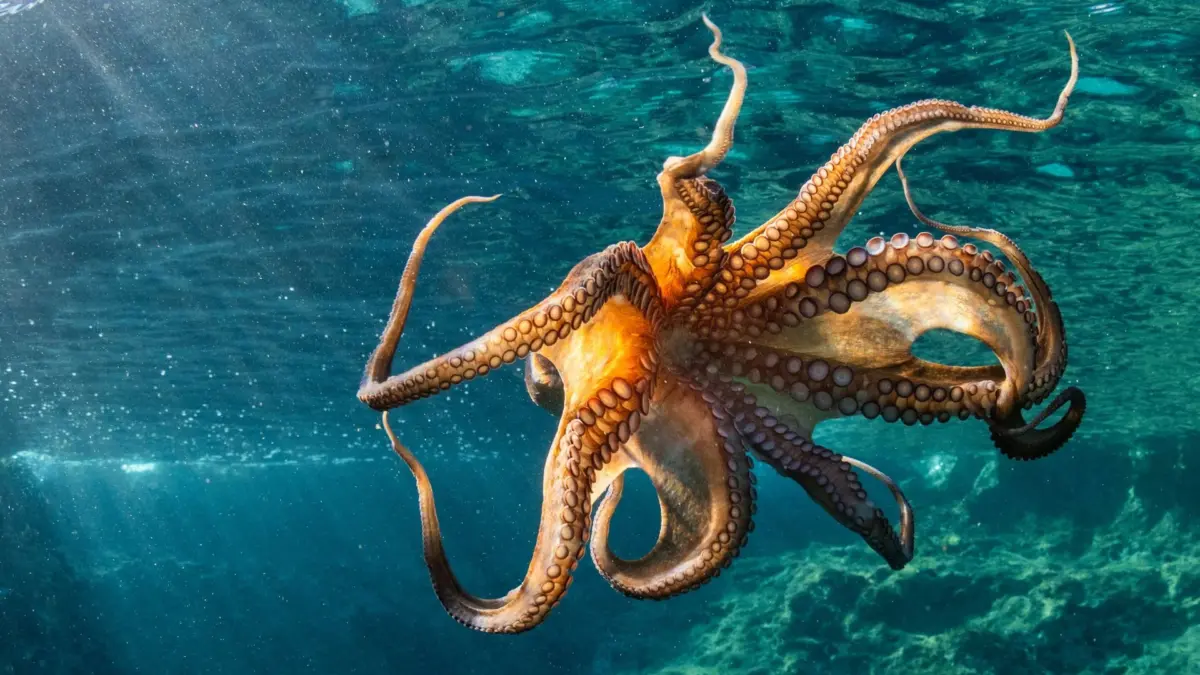
The resulting video begins with a disorienting yet fascinating shot captured directly from the underside of the octopus. In this opening frame, the creature’s soft underbelly and ring of flexible tentacles frame the human snorkeler from above, creating a cinematic composition that no human director could easily script. As the video progresses, the octopus swims away into the blue expanse while maintaining a firm grip on the camera. Throughout the journey, it captures occasional, remarkably clear frames of the bewildered snorkeler swimming behind, perfectly framed within a natural, living circle of suction-cup-lined tentacles.
According to accounts of the encounter, the human snorkeler initially tried to swim after the device to reclaim it before realizing the futility—and potential entertainment value—of the chase. Opting to hang back, the snorkeler watched and waited as the animal carried out an impromptu exploration of the high-tech gadget.
While this particular incident stands out due to the quality of the equipment involved, it is far from an isolated occurrence. Over the years, marine enthusiasts, scuba divers, and underwater photographers have frequently reported instances of curious octopuses taking a sudden and possessive interest in their gear. These encounters have a long-standing history of resulting in amusing footage, unexpected angles, and occasional wildlife "selfies" that delight audiences across the internet. However, what sets this specific encounter apart is the specialized technology involved. The fact that the stolen device was a 360-degree camera fundamentally changed the nature of the footage, preventing the usual complete obstruction that occurs when a tentacle covers a traditional camera lens.
The unique design of 360-degree cameras played a pivotal role in ensuring the octopus could successfully capture usable video. Because these advanced devices record the entire environment simultaneously from every conceivable angle, the user—or in this case, the cephalopod—does not need to manually point the lens at the action. As Adam Juniper, a 360-camera expert for Digital Camera World, notes when discussing the capabilities of the X5 series, the magic of the technology lies in the fact that operators do not need to actively point the camera while capturing dynamic action. Even though a portion of the dual-lens system was obscured by the octopus’s underbelly and surrounding limbs, the omnidirectional capture capability meant that the final video could be successfully cropped and viewed through a natural, tentacle-framed perspective rather than appearing as a completely blocked or useless recording.
Marine biologists and wildlife experts are quick to contextualize these lighthearted encounters, noting that the octopus is driven entirely by natural exploratory behavior rather than artistic ambition or a desire to take a selfie. Octopuses possess highly developed nervous systems and exceptional tactile intelligence. Much of their perception of the world is mediated through their arms and suckers, which are lined with chemical and tactile receptors. When confronted with an unidentified, solid object like a camera resting in their habitat, they naturally reach out to investigate its texture, weight, and properties, often leading to the accidental activation of buttons or the removal of lightweight gear.
The device targeted in this marine heist holds a respected place in the market of immersive video equipment. While newer models like the Insta360 X6 have since claimed the top spot on Digital Camera World’s comprehensive buying guides for best 360 cameras, the Insta360 X5 remains a formidable tool for creators. Known for its ability to shoot stunning high-resolution 8K footage, exceptional performance in challenging low-light marine environments, and a robust mechanical build, the camera proved resilient enough to survive an encounter with an inquisitive cephalopod—earning it a rather unexpected endorsement for its durability in the wild.