In the world of interior design, statement lighting has long presented a familiar and persistent dilemma. A truly striking lamp can instantly infuse a room with personality and character, but the more attention it demands, the harder it can often be to live with everything else in the space. Soon enough, surrounding furniture begins to feel like a mere supporting cast, stripped of its own presence. Even the quality of the lamp’s illumination can end up feeling secondary to its dominating silhouette, creating an environment that feels more like a staged retail showroom than a comfortable, lived-in home.
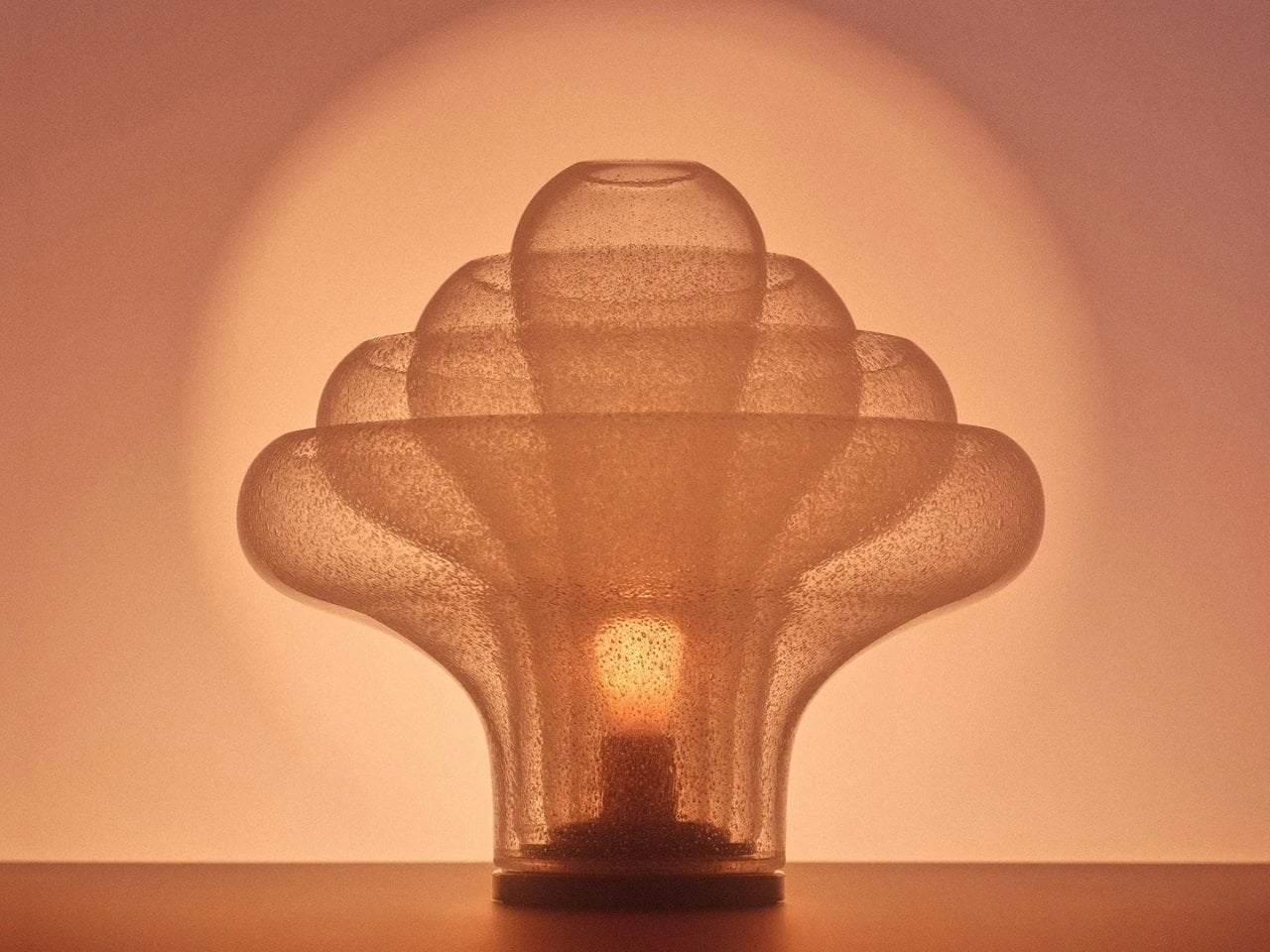
Offering a refreshing departure from this exhausting dynamic, design brand Gubi has officially reissued the Lotus lamp—a striking piece originally crafted in 1969 by renowned Italian designer Carlo Nason. The revived lighting fixture offers a more appealing and harmonious proposition for modern interiors: a sculptural piece with more than enough presence to fundamentally shift the mood and atmosphere of a room, yet with a refined sense of restraint that prevents the space from feeling like a museum exhibit or a showroom floor.
Designed during an era when experimental lighting was treated as high art and sculpture, the Lotus lamp captures a distinct historical moment in Italian design. Carlo Nason’s lifelong mastery and fluency with glass remain central to the enduring appeal of the piece. Gubi’s decision to bring the iconic design back into production more than half a century later feels particularly timely. In an era where contemporary interiors frequently lean toward a polished, hyper-neutral aesthetic that can occasionally feel reluctant to embrace whimsy or distinct character, a lighting fixture infused with genuine imagination and organic form can do far more for a space than simply adding another carefully chosen neutral element.
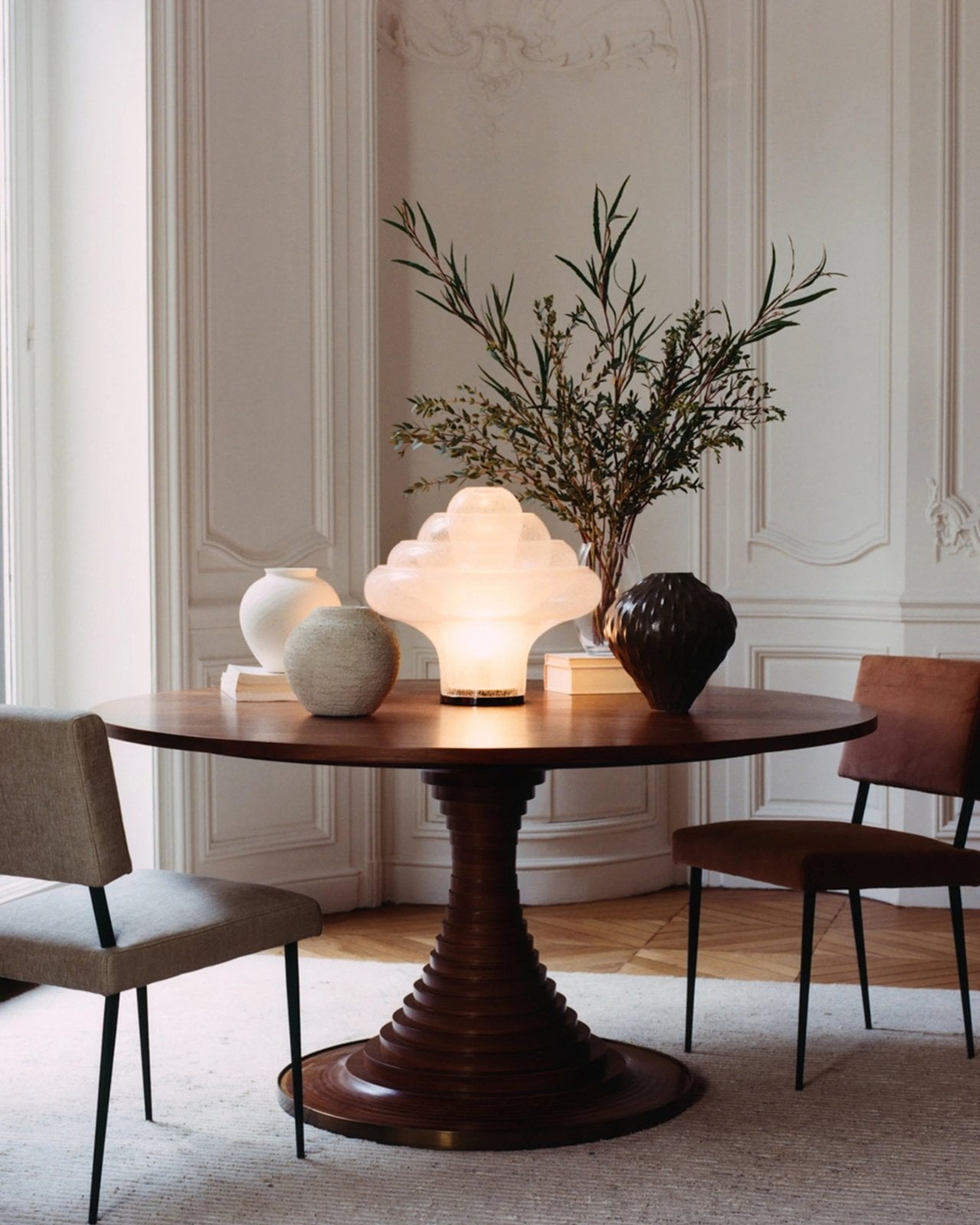
What makes the reissue of the Lotus lamp particularly compelling is the fine line it walks between being distinctive and being overly loud. Its distinct flower-inspired identity provides an immediate and captivating point of entry into the design, yet it mercifully does not require an entire room to slavishly follow a botanical theme. Admirers of the piece can fully appreciate its subtle natural references without feeling compelled to surround it with aggressively curved mid-century chairs, heavy patterned wallpaper, and a coordinating vase of fresh flowers. That level of design restraint matters immensely in residential spaces, where the best objects ultimately leave ample breathing room for the actual lives unfolding around them.
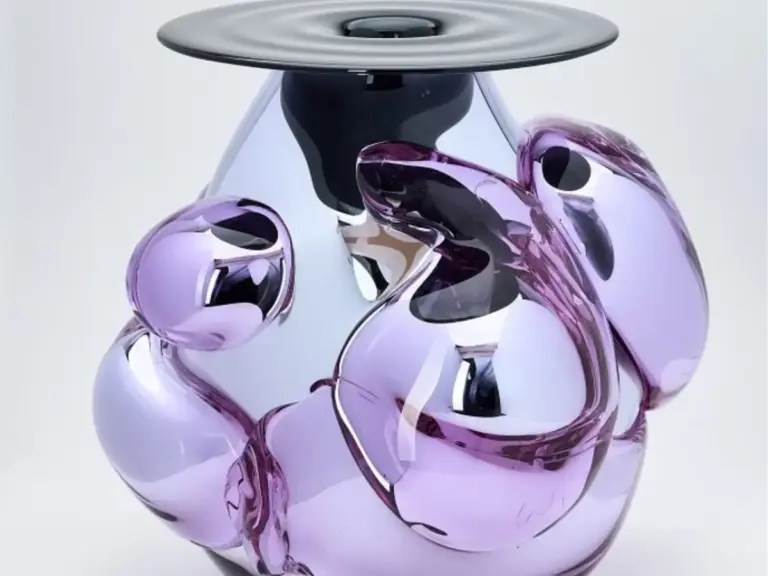
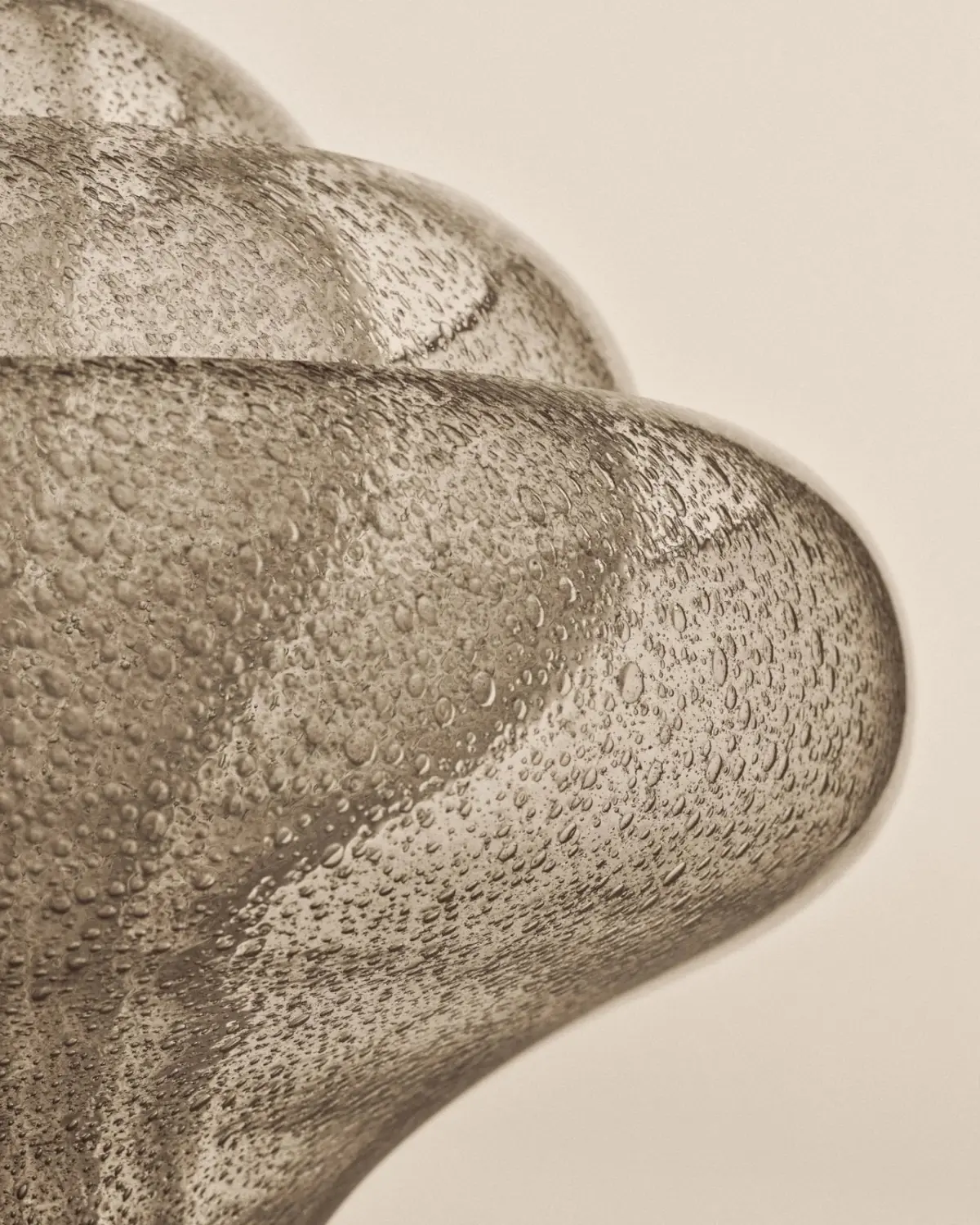
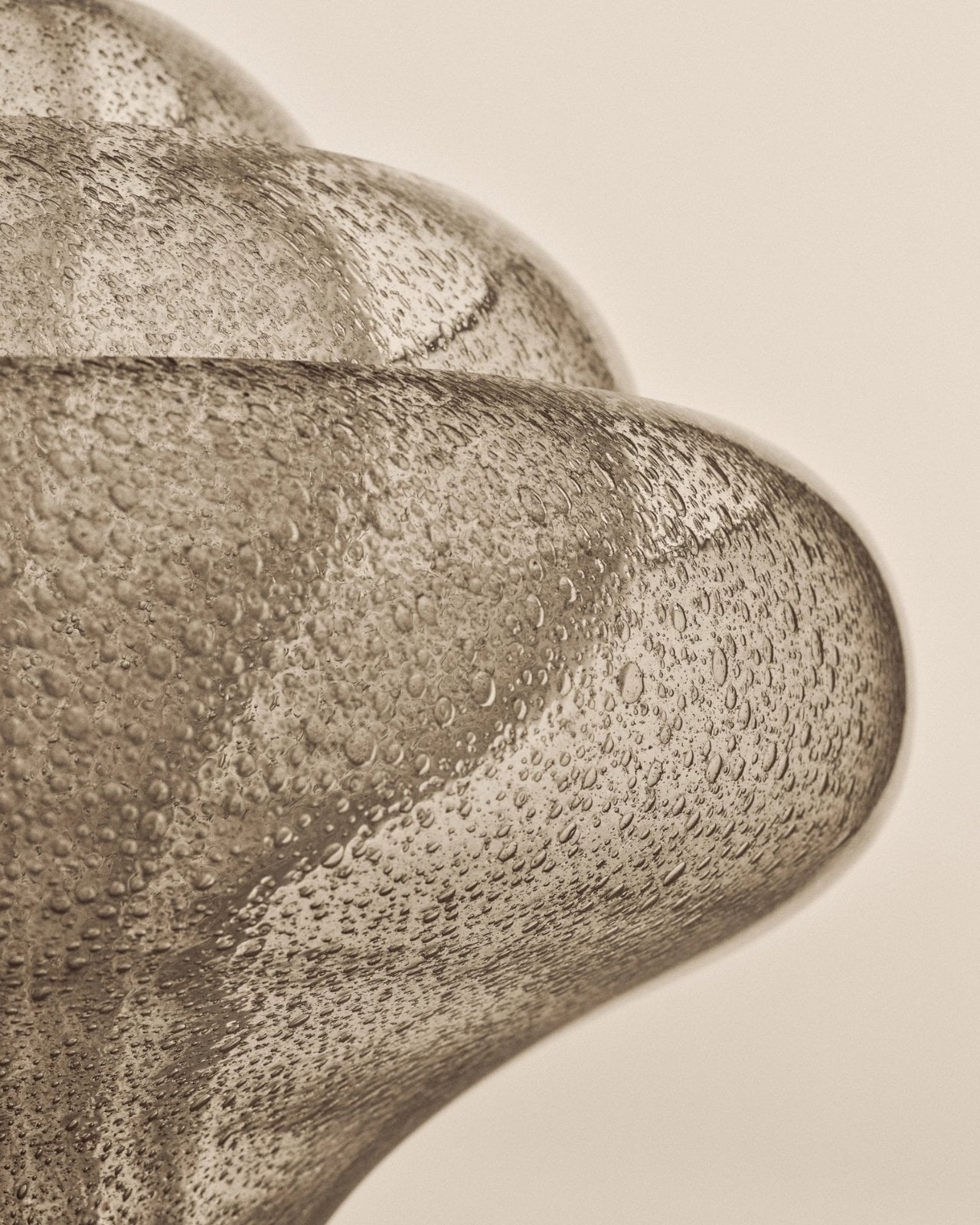
The choice of material fundamentally alters how people interact with and interpret a lighting fixture. While a traditional metal shade tends to cast a firm, unyielding outline and block the surrounding environment, glass possesses a much more elusive and dynamic presence, particularly once artificial or natural light enters the picture. Glass manages the rare feat of feeling simultaneously substantial and remarkably delicate. Carlo Nason famously built an entire career around exploring the outer limits of what glass could achieve as a medium, and the Lotus lamp successfully carries that restless creative curiosity directly into an everyday functional object. There is a quiet pleasure in owning a lamp that actively rewards a second, closer look even when it is completely switched off during daylight hours, rather than simply disappearing into the background until the evening arrives.
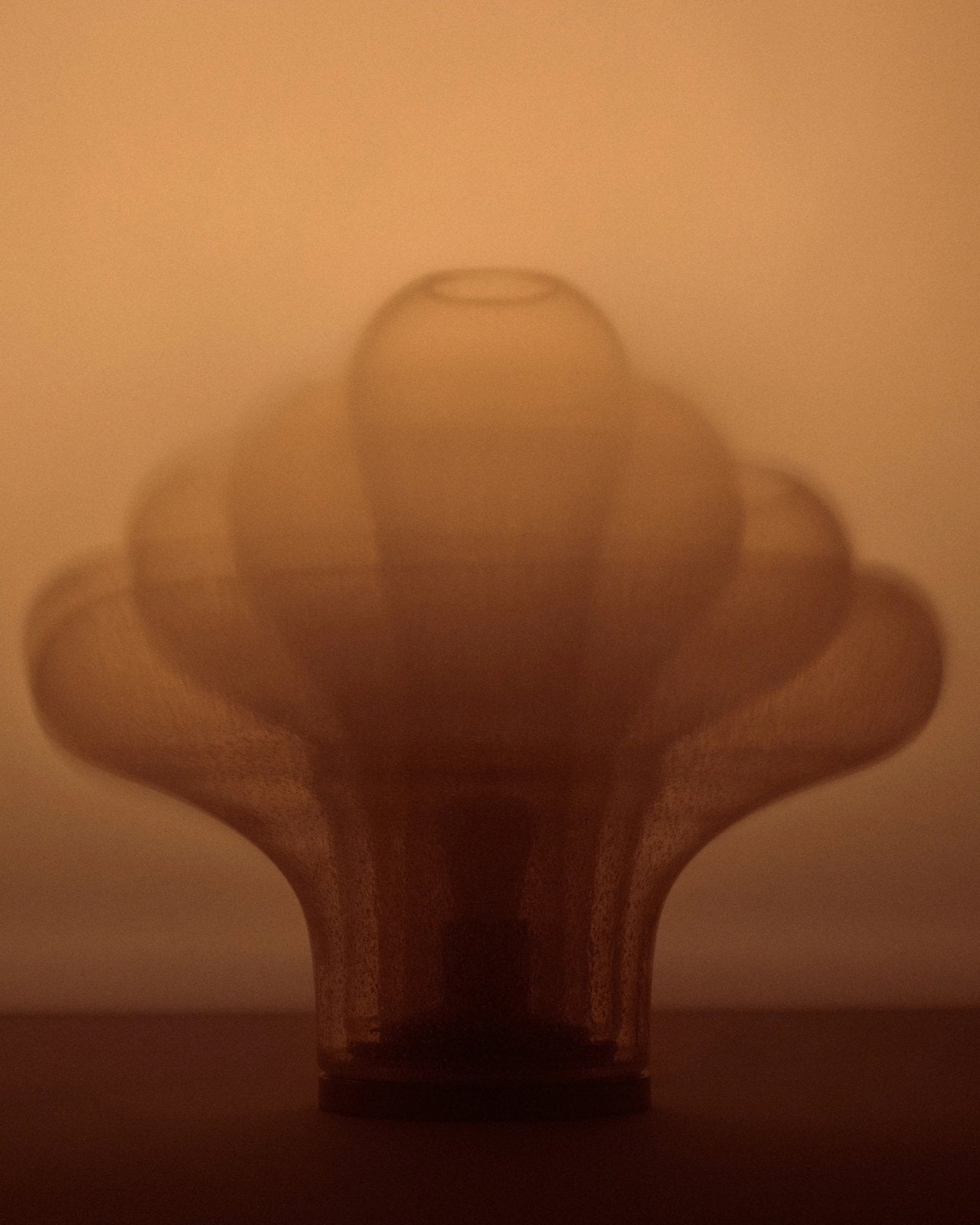
Reissuing a decades-old design inevitably invites a fair and necessary question within the contemporary design community: Are modern buyers genuinely drawn to the intrinsic qualities of the lamp itself, or are they simply succumbing to the comforting, nostalgic allure of owning a certified piece of design history? Vintage and retro references can frequently function as a convenient shortcut to manufactured taste, where a recognizable historical date and a famous designer’s name do the heavy lifting that the object itself should ideally be performing on its own merit. However, the Lotus lamp easily earns its renewed attention the moment observers set that impressive pedigree aside and genuinely imagine the object sitting in an actual, messy home—positioned right beside a stack of unread books, a favorite worn-in armchair, and the everyday detritus of modern life.
It is precisely within that ordinary domestic context that the true value of the object as a piece of functional design becomes significantly clearer. A truly exceptional lamp has the unique ability to transform a residential space twice: first as a tangible, sculptural object that commands visual interest during daylight hours, and once again when dusk falls and it is powered on to cast its glow. The Lotus lamp makes a persuasive case for treating those dual experiences as deeply connected rather than forcing homeowners to choose form over function. It rightfully asks to be seen and admired, but it never forgets that the fundamental purpose of bringing a lamp into a home is to comfortably live with its light.
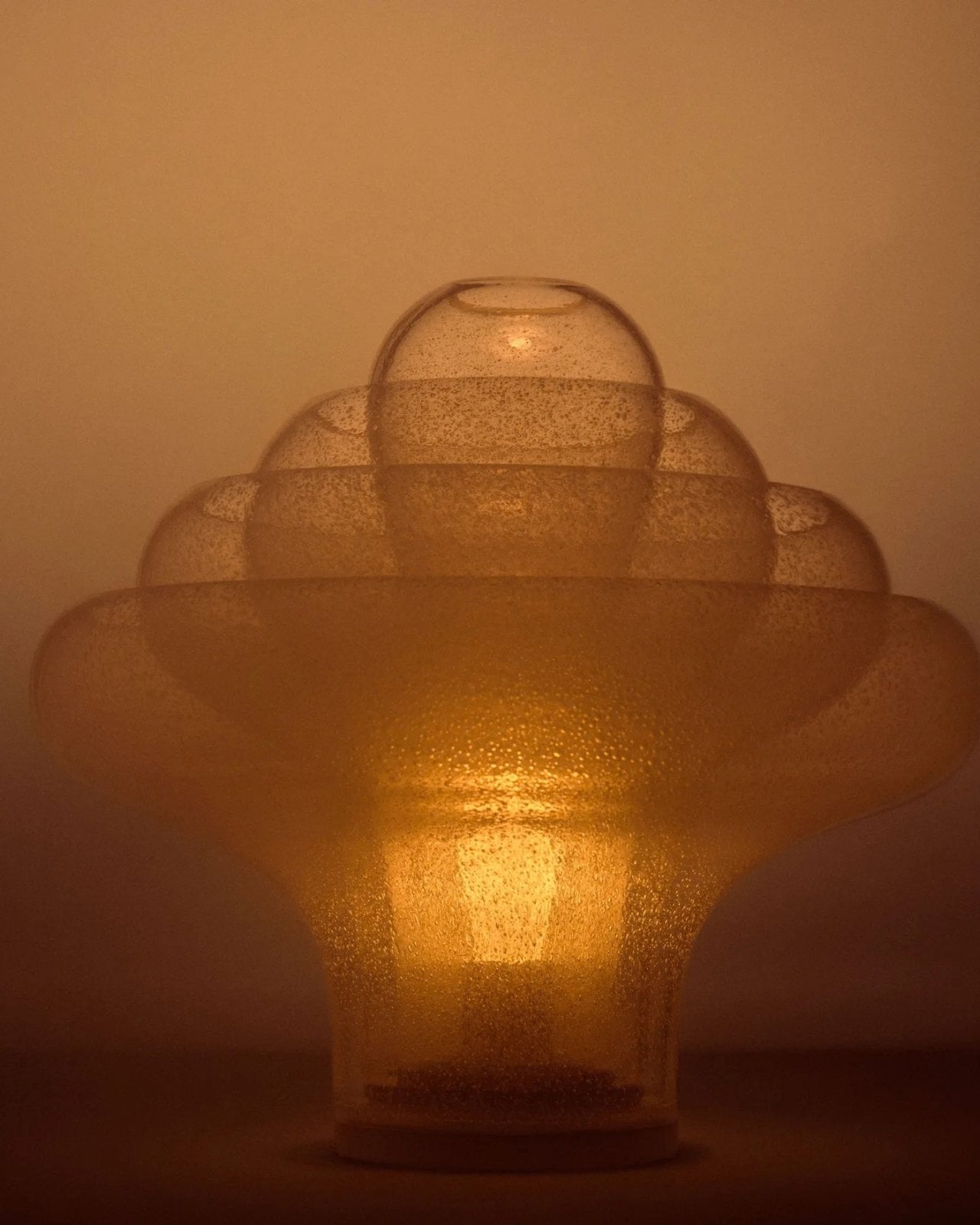
There is also a broader cultural and market reason why this particular furniture reissue feels so relevant and timely in the current design landscape. So much modern shopping for the home now occurs digitally through curated images and social media feeds that heavily reward instant, fleeting visual impact. A dramatic silhouette can easily stop a frantic scroll on a screen, even if that same aggressive shape would prove visually exhausting when placed directly across the room from a primary living room couch. The much more practical and rigorous test for home goods is decidedly slower: Would an occupant still want to gaze upon the object on a dreary, rainy Tuesday afternoon? Would the design continue to hold someone’s attention long after the novelty of photographing it has faded? The Lotus lamp firmly appears to be the kind of thoughtful design work that successfully passes both of those enduring tests.
Furthermore, the lamp offers a sophisticated alternative to the rigid notion that a contemporary room must strictly speak in one single, unified style. An older, mid-century Italian design can sit quite comfortably among newer, eclectic pieces if it is allowed to serve as a point of tactile and visual contrast rather than acting as the mandatory starting point for an expensive, complete room makeover. This represents a far more personal, organic approach to decorating. Most residential spaces naturally accumulate meaning over a span of many years through a collection of individual choices made for vastly different reasons and at different moments in time.
Gubi did not need to invent an entirely new category of lighting to make the contemporary market feel fresh and exciting. Instead, reintroducing Carlo Nason’s 1969 creation serves as a timely reminder that an interior object can possess a remarkably strong, uncompromising point of view without hijacking the rest of a home and turning it into a lifeless backdrop. For anyone perpetually caught in the design dilemma between choosing a purely sensible lamp and a memorably artistic one, the Lotus lamp makes a compelling and persuasive argument for embracing both at once.