In the diverse ecosystem of analog photography, a distinct faction exists quietly on the fringes. Photographers often refer to it informally as the "Sub-100 Club," an exclusive circle of photographic emulsions that proudly flaunt ultra-low ISO ratings well below the traditional threshold of 100. While high-speed options like Delta and Kodak TMax P3200 routinely hold court on the opposite side of the crowd, commanding attention with their ability to capture images in near-darkness, these ultra-slow films maintain a quiet mystique and a unique allure.
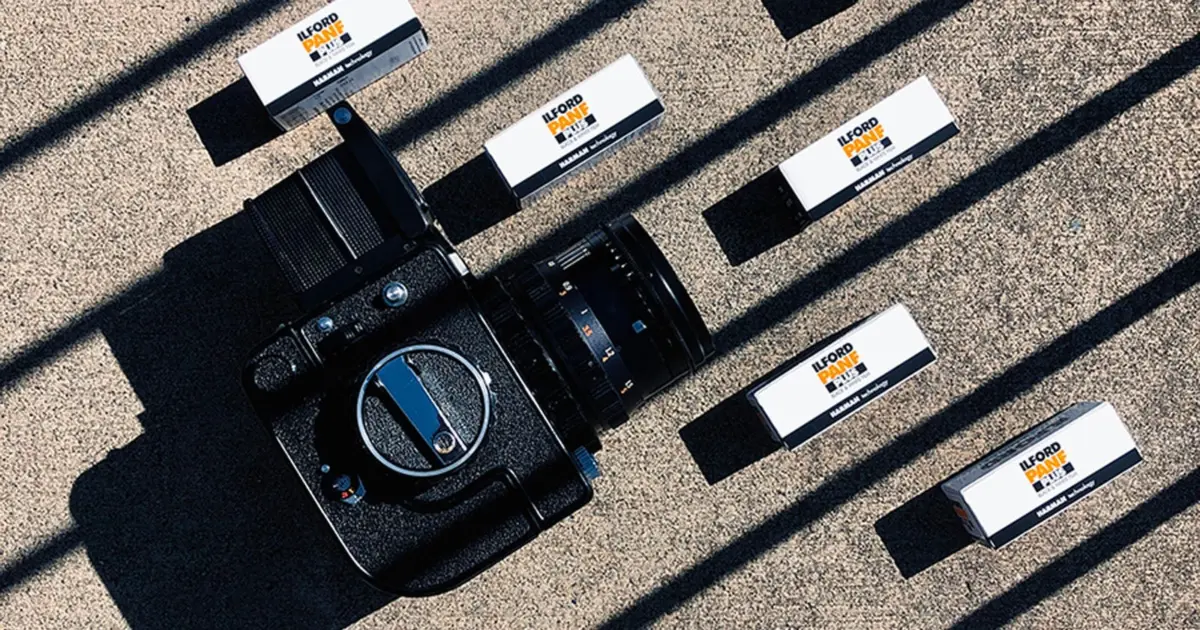
As part of an ongoing weekly review series exploring these specialized stocks, attention now turns to the true grandparent of the group: Ilford Pan F+.
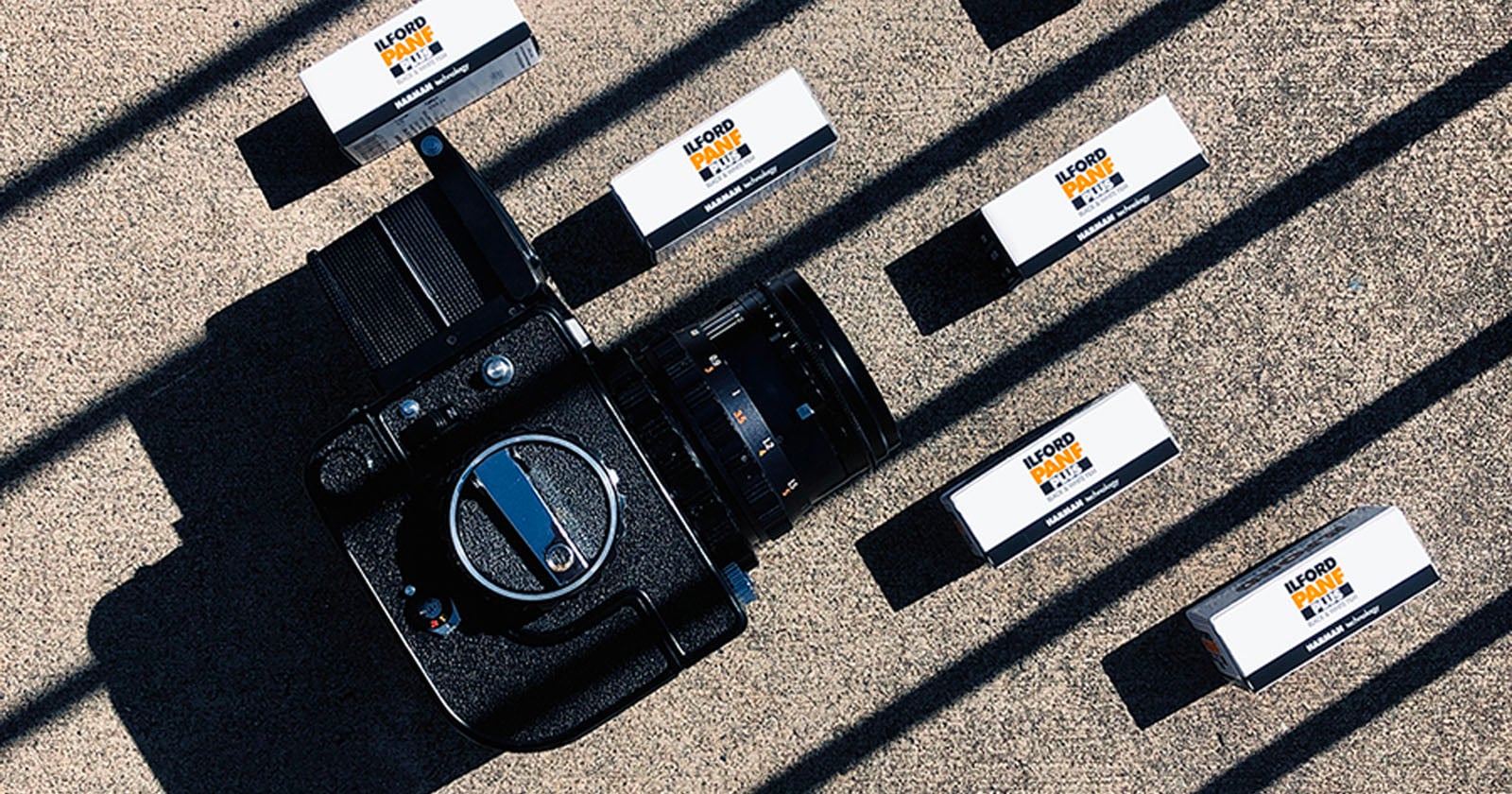
As a modern-day iteration of the original Pan F emulsion introduced to the market all the way back in 1948, this panchromatic black-and-white film has seen a great deal of history unfold. Through the decades, it has enjoyed several quiet technical updates. Notably, in 1992, the film was bestowed with the "Pus" or rather the "+" suffix that continues to adorn its packaging today. Subsequent emulsion refinements by Ilford into the 2000s further polished its performance. Given such longevity, one might expect Pan F+ to be far more ubiquitous and widely recognized than it currently is. Instead, it continues to cater to a more select, yet fiercely passionate, segment of the analog photography community.
To summarize Ilford Pan F+ in a single comprehensive breath is to describe a medium that is exceptionally fine-grained, remarkably sharp, and visually dramatic, bearing a brooding and deeply atmospheric character.
Examining the first of these traits—its grain structure—reveals exactly what one would expect from an ultra-low ISO film. Pan F+ delivers some of the absolute finest grain available on the commercial market. For photographers shooting standard 35mm format who desire the pristine, unblemished cleanliness typically associated with medium format negatives, Pan F+ serves as a primary answer. For those planning massive, mural-sized enlargements from smaller negatives, it provides the necessary resolution without the intrusion of heavy silver clumping.
Naturally, the inevitable trade-off for such remarkable fine-grain performance is its inherently slow film speed. Pan F+ is, by design, a bright-day film, a tripod film, or a super-fast-lens film. Yet, this limitation can easily be reframed as an invitation to creative exploration that faster emulsions rarely allow. Its slow speed enables photographers to utilize handheld, slower shutter speeds in broad daylight to achieve compelling motion blur or panning effects, or to open up very fast apertures—such as f/1.4—for extremely shallow depths of field even under harsh, bright sunlight.

The second defining characteristic of Pan F+ is its exceptionally high degree of sharpness, which stems from a combination of optical and chemical factors. The minuscule grain structure naturally gives the film a foundational boost when it comes to resolving microscopic detail. Furthermore, the emulsion is engineered to exhibit high acutance, or edge sharpness. This technical property involves an increase in local contrast precisely at the boundaries separating dark and light areas within the frame. By artificially boosting this edge contrast, the film creates a visual impression of heightened sharpness and clarity, even if it operates independently of raw optical resolution.
While acutance is frequently managed downstream during the chemical development phase—often utilizing specialized high-acutance developers like Rodinal or FX-2—Ilford has baked a higher level of edge contrast directly into the Pan F+ emulsion itself.

For practitioners who prefer their black-and-white photography crisp, punchy, and rich with intricate detail, Pan F+ remains a stellar addition to any rotation. Historically, it has earned a devoted following among architectural photographers who rely on its pristine resolution to articulate the rigid geometry of built environments. Conversely, some portrait photographers steer clear of the stock for the exact same reason: its unforgiving clarity mercilessly accentuates every single line, wrinkle, and skin blemish. On the other hand, portraitists who intentionally seek out the stark, unvarnished drama etched into the human face often find Pan F+ to be an ideal creative partner.
This leads directly to the third pillar of the film’s identity: its moody, cinematic drama. Images captured on Pan F+ are remarkably rich in contrast, leaning naturally toward deep, inky shadows and bright, crisp whites that can frequently border on a classic film noir aesthetic. Deep blacks saturate the frame, while even midtones appear to lean toward a darker, more brooding psychological space. This does not mean the film suffers from compressed tonality—there remains plenty of subtle nuance to unpack within the exposures—but its overarching contrast profile resolutely favors the dramatic.

Over the decades, a multitude of development techniques and alternative formulas have emerged specifically to manipulate and tame this inherent contrast. Because of this, veteran shooters often warn that Pan F+ can be a challenging stock to master, one that is just as quick to punish mistakes as it is to reward careful technique. It demands a bit more patience and experimentation than more forgiving, modern emulsions like Ilford Delta or Kodak TMax. Yet, this very challenge imbues the film with an enduring sense of mystery. Whether a photographer chooses to tame its wild tendencies through rigorous testing or embrace its raw unpredictability is entirely up to the individual.
Beyond its tonal characteristics, two vital technical considerations demand attention when working with this emulsion: reciprocity failure and latent image retention.

Because Pan F+ is an exceptionally slow film, situations frequently arise where long shutter speeds are required to secure an adequate exposure. In some instances, photographers actively purchase the film specifically to extend their shutter times in challenging lighting conditions. Fortunately, the modern formulation of Pan F+ exhibits relatively reasonable reciprocity characteristics. For measured exposures ranging between one and ten seconds, shooters are generally advised to add between one-half to one full stop of extra exposure—meaning a metered ten-second exposure should ideally be extended to twenty seconds.
Beyond the ten-second mark, the film’s sensitivity continues to decrease, though it does so at a fairly gradual rate. It eventually reaches a point where a full two-stop compensation is required right around a metered reading of sixty seconds, translating to an actual shutter duration of roughly 240 seconds. While this performance is not industry-leading, it is far from the worst among slow-speed films. Historical data indicates that earlier iterations of Pan F+ required much more drastic compensation—demanding a two-stop overexposure as early as the thirty-second mark. This suggests that Ilford has incrementally tweaked the emulsion over the years to handle low-light conditions with greater resilience. Consequently, photographers need not shy away from long exposures with Pan F+, provided they calculate the necessary compensation accurately, particularly for exposures stretching past a minute.

The final technical caveat involves the film’s historical reluctance to sit undeveloped for extended periods after exposure. Specifically, Pan F+ is well-documented for having poor latent image retention, which refers to the chemical stability of the exposed but unprocessed silver halide crystals. While fresh rolls shot and processed promptly present virtually no complications, exposing a roll and leaving it sitting in a camera bag or drawer for several months—or even a few weeks—can result in thin, ghostly negatives that strongly mimic the appearance of severe underdevelopment.
Manufacturer guidelines and experienced printers alike recommend processing Pan F+ relatively quickly once the first frame is exposed, with official data sheets suggesting development within three months at the absolute maximum, though the prevailing wisdom remains that sooner is always better.

Even with these idiosyncratic demands, Pan F+ remains a beloved elder statesman within the ultra-low ISO category. The unique look it imparts—smooth, razor-sharp, and touched with a dark, atmospheric flair—gives its photographs a distinct visual signature unlike any other medium.
Long available in both standard 35mm cassettes and 120 roll film formats, the film has sustained decades of quiet lobbying from large-format practitioners hoping for sheet film variants. Addressing that long-standing demand, Ilford officially expanded the availability of Pan F+ to include both 4×5 and 8×10 sheet formats, ensuring that large-format artists can harness its ultra-fine grain and dramatic contrast.
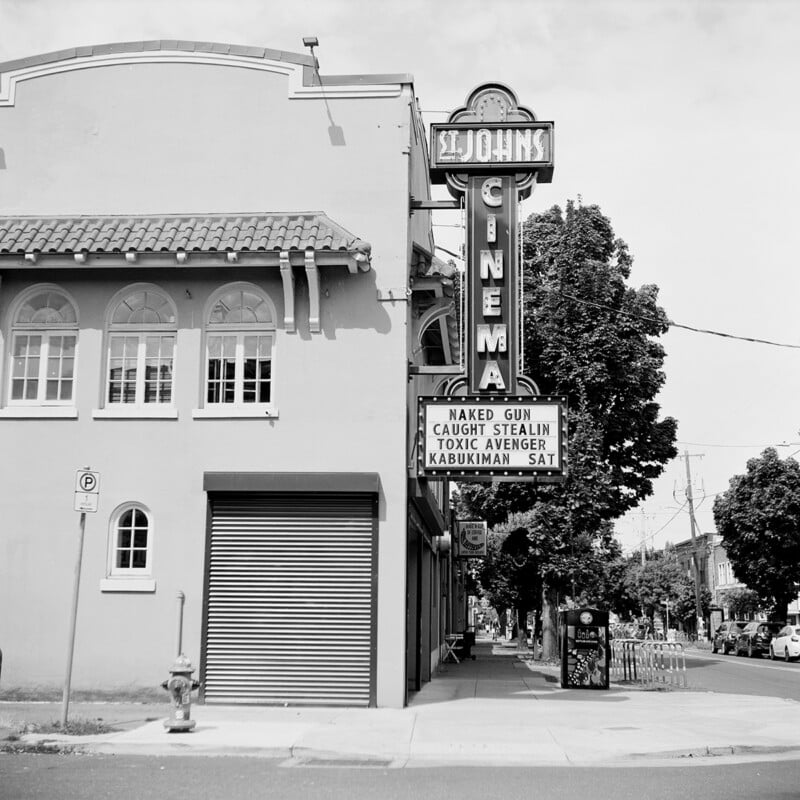
For those looking to explore the stock firsthand, supplies remain accessible through specialty retailers, including Blue Moon Camera and Machine in Portland, Oregon, which continues to stock the film across its expanded formats alongside comprehensive lab services and an ever-rotating inventory of vintage cameras and lenses.