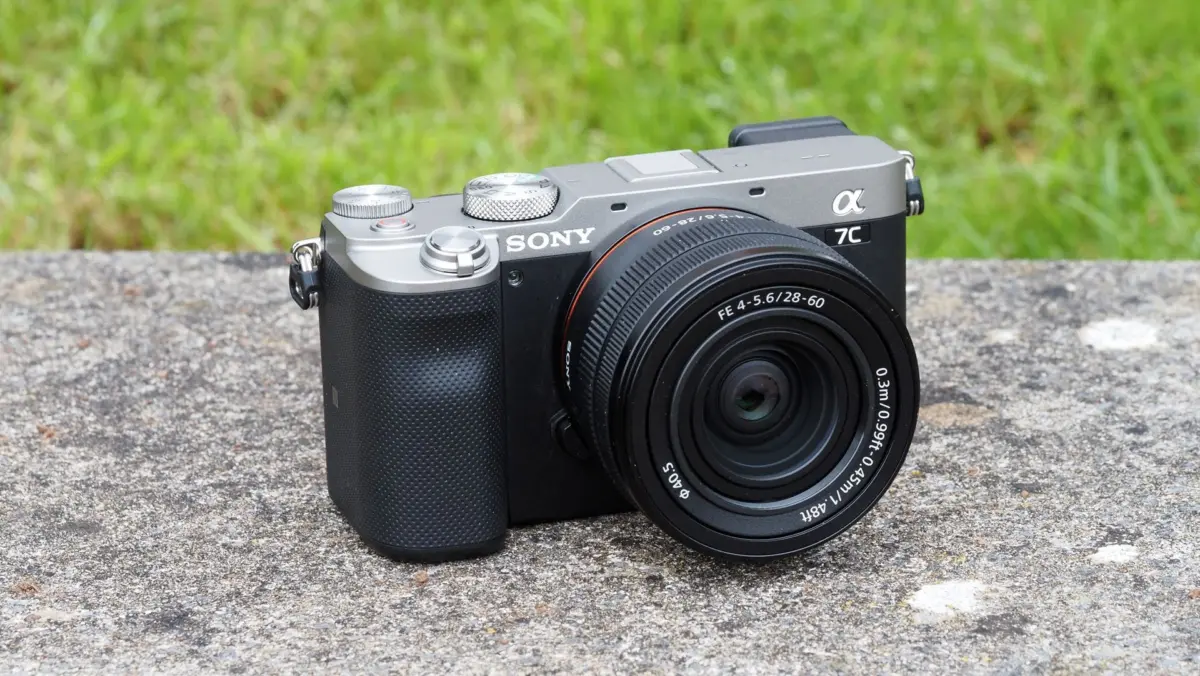
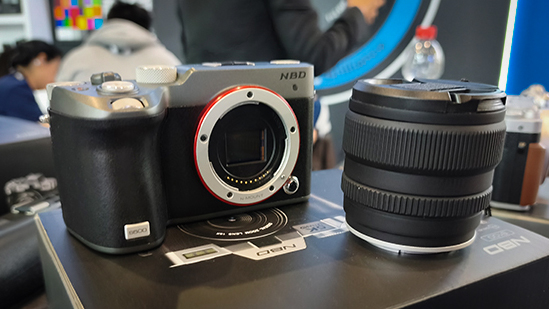
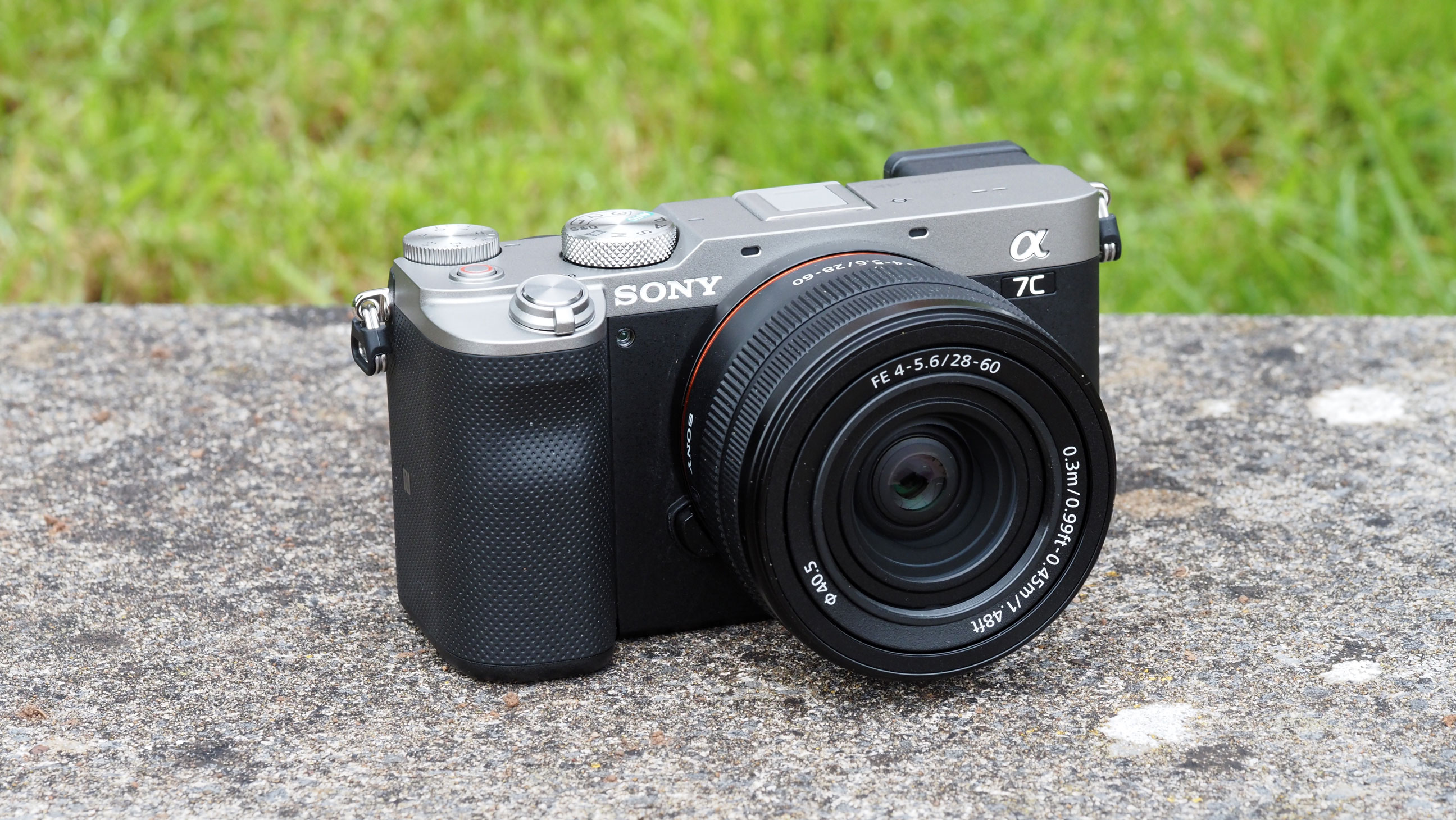
A newly unveiled camera prototype from a Chinese manufacturer has set the photography community abuzz, drawing intense scrutiny from both Sony enthusiasts and the Micro Four Thirds (MFT) faithful. Exhibited at the IFA 2026 trade show in Berlin earlier this month, the device comes from NBD, a sister brand to Songdian under parent company Sonida. At first glance, the prototype bears an uncanny resemblance to the Sony A7C II while matching the compact physical footprint of modern mirrorless rangefinder designs.
The appearance of the camera has fueled widespread speculation that it represents the long-awaited MFT system previously teased by Songdian earlier this year. However, a closer examination of the hardware and its proprietary markings suggests a more complex reality, raising questions about lens mounts, design copyright risks, and the actual specifications of the device heading into production.
"N-Mount" or Micro Four Thirds?
Initial excitement rippled through online communities, notably driven by reports from 43 Rumors. Attendees at the IFA exhibition captured the first images of the device, initially identifying the hardware as a prototype or mockup featuring a standard MFT sensor. For a market segment that has seen relatively quiet hardware cycles from traditional heavyweights like OM System and Panasonic, the prospect of a new entrant championing the open standard format generated significant optimism.
Yet, closer inspection of the camera body complicates this narrative. The lens mount on the exhibition unit is explicitly engraved with the designation "N-Mount"—presumably referencing the NBD brand name—and features only ten electrical contact pins. A standard Micro Four Thirds mount relies on eleven electrical contacts to facilitate communication between the camera body and the lens.
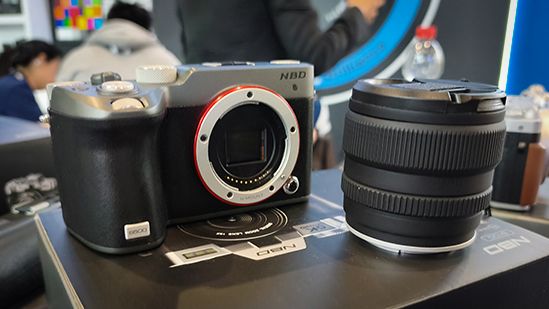
This discrepancy suggests that while the camera may incorporate a Four Thirds-sized sensor, it could utilize an entirely proprietary lens mount rather than participating in the established MFT ecosystem. Supporting this theory, the camera was showcased alongside an unbranded lens that also featured the ten-contact configuration. Consequently, this NBD-branded hardware may represent a completely separate commercial proposition distinct from the MFT camera previously previewed by Songdian.
At the same time, industry observers note that prototype hardware frequently contains placeholder elements. It remains entirely plausible that the mockup creators simply miscalculated the necessary pin count during fabrication, or that the "N-Mount" label is merely a cosmetic flourish intended for trade show presentation rather than a final specification.
A Potential Legal Clash Over Sony-Inspired Styling
Beyond the mechanical specifications, the aesthetic choices of the NBD prototype have drawn sharp warnings regarding industrial design rights. The camera is styled heavily after the Sony A7C body style, replicating Sony’s distinct visual grammar down to the signature orange ring positioned around the perimeter of the lens mount. Community members analyzing the IFA exhibition photos quickly pointed out that this specific orange accent forms a core component of Sony’s protected trade dress.
While adopting familiar design cues is a common tactic for early-stage prototypes attempting to capture attention on a busy exhibition floor, bringing such a design to commercial market could invite severe legal consequences. Intellectual property disputes over camera aesthetics are well-documented precedents in the consumer electronics industry.
A notable historical parallel occurred when Sakar manufactured a Polaroid-branded camera that closely mirrored the compact design language of the Nikon 1 mirrorless series. Following a trade dress infringement lawsuit initiated by Nikon, the resulting Polaroid IM1836 was swiftly pulled from retail channels and canceled. Industry analysts suggest that unless NBD implements a substantial visual overhaul prior to any commercial release, the manufacturer risks immediate legal action from Sony’s legal representatives.
Form Factor, Features, and Technical Expectations
Putting aside mount discrepancies and potential legal hurdles, the IFA prototype offers a clear glimpse into the manufacturer’s design philosophy. Physically, the camera sits comfortably in the ultra-compact tier, occupying a size category comparable to the OM System PEN series or Sony’s rangefinder-style bodies. Side-by-side comparisons with legacy hardware show the NBD model to be slightly larger than the older Olympus PEN E-PL8, positioning it firmly within modern ultra-portable dimensions.
Echoing the design ethos of early PEN models, the NBD camera completely omits a built-in electronic viewfinder (EVF). Instead, framing is handled exclusively via a fully articulating rear LCD monitor. However, detailed examination reveals an expansion port positioned directly beneath the hotshoe mount, a structural layout strongly associated with supporting an optional external clip-on electronic viewfinder. For photographers who prioritize pocketability and minimalist carry options over permanent viewfinder bulk, modular external EVF systems represent a popular design choice.
Control layouts on the prototype include dual exposure control dials complemented by a dedicated exposure compensation dial located on the left shoulder of the top plate. Despite these physical controls, the camera notably lacks in-body image stabilization (IBIS). When questioned by attendees regarding the omission of stabilization and a built-in viewfinder, company representatives at the IFA booth emphasized that the primary design objective for the product line is extreme compactness.
As for broader imaging performance, concrete technical specifications remain scarce. Sonida and its associated brands have previously targeted budget-oriented sectors of the market, with past products receiving mixed critical reception regarding core photographic capabilities. Observers caution that consumers should not expect cutting-edge sensor technology or class-leading processing speeds from this initial hardware generation.
Nevertheless, for long-time proponents of compact mirrorless formats, the emergence of alternative hardware options signals continued experimentation in a specialized sector of the digital camera market. As development continues toward a potential retail launch, industry watchers will monitor whether the production model retains its controversial lens mount, its Sony-inspired silhouette, or its ultra-compact aspirations.