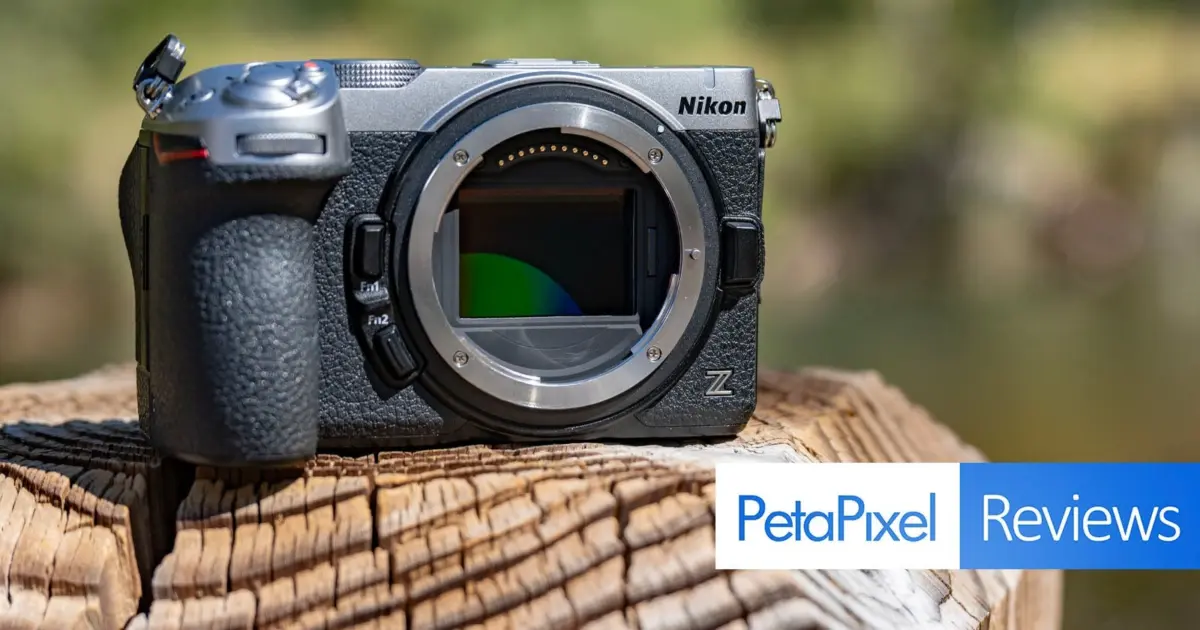
When Nikon introduced the Z5 II priced at $1,849, it immediately established itself as a benchmark for entry-level full-frame mirrorless cameras, offering a surprising density of features and capabilities that ultimately commanded a price increase over its predecessor. Building upon that foundation, Nikon has now unveiled the Z5 IIC, carrying a more accessible price tag of $1,399. Designed as a smaller, more streamlined iteration of the Z5 II, the new model presents a sleek aesthetic and a lower profile, though it arrives with one glaring and controversial omission: the complete lack of an electronic viewfinder.
To determine whether contemporary photographers will genuinely miss this traditional optical-electronic viewing method, the camera was put through rigorous, extensive field testing across the bustling urban streets of San Francisco and the dramatic, sweeping landscapes of Yosemite National Park. The resulting experience highlights a divisive piece of engineering—one that challenges traditional shooting habits while aggressively targeting a growing demographic of content creators who rely exclusively on rear touchscreens.
Nikon Z5 IIC Review: How It Feels
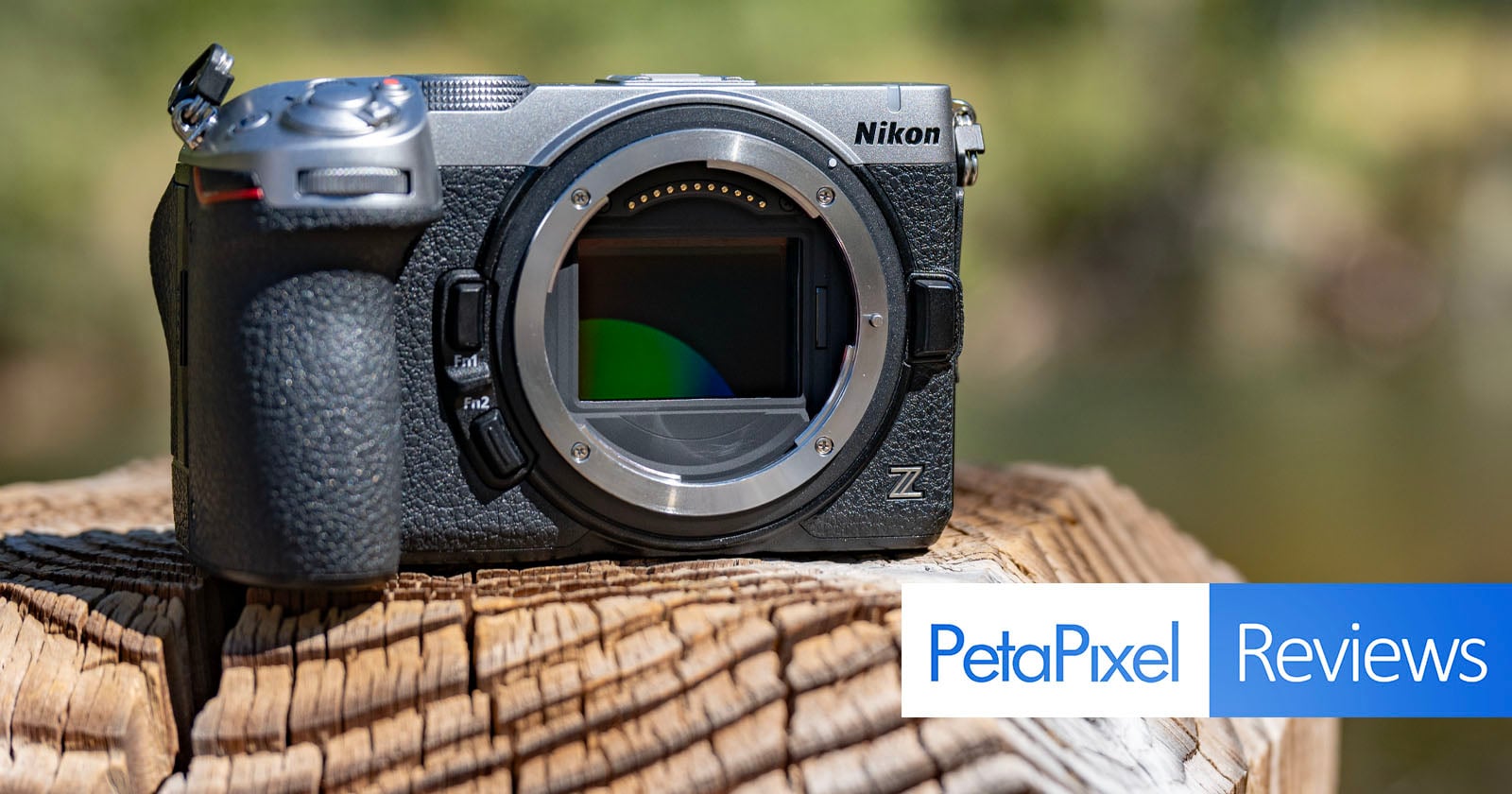
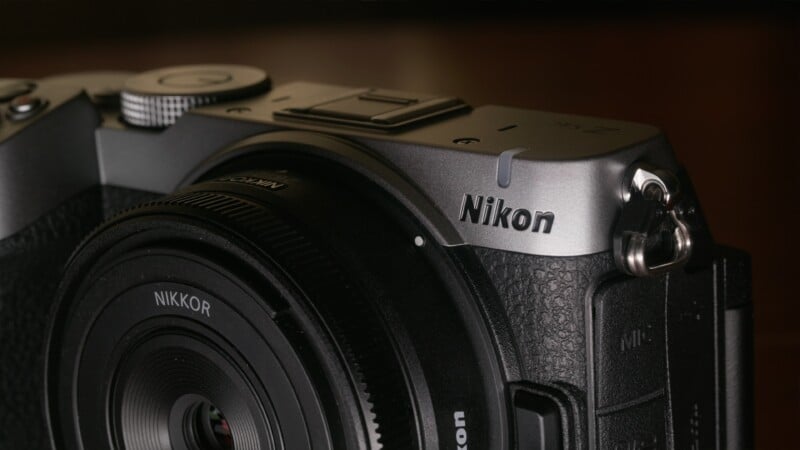
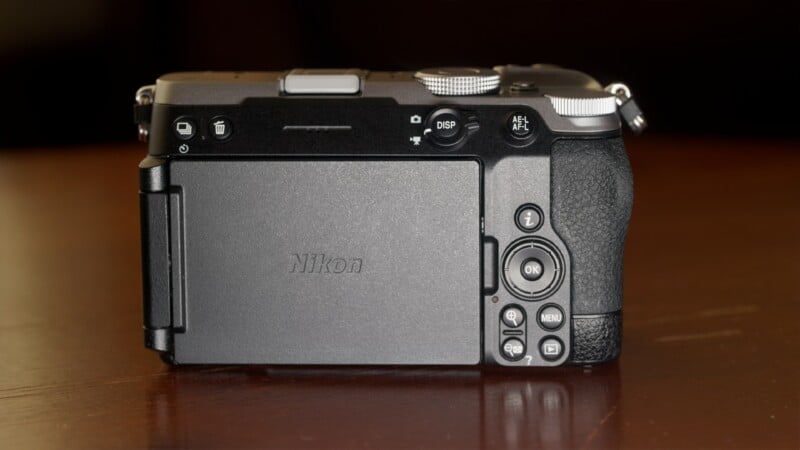
The physical departure of the Z5 IIC from its heavier sibling, the Z5 II, is immediately apparent upon unboxing. The most striking visual and structural change is the adoption of a flat top plate, a design choice that looks particularly distinct on the silver colorway and is a direct consequence of eliminating the electronic viewfinder housing.
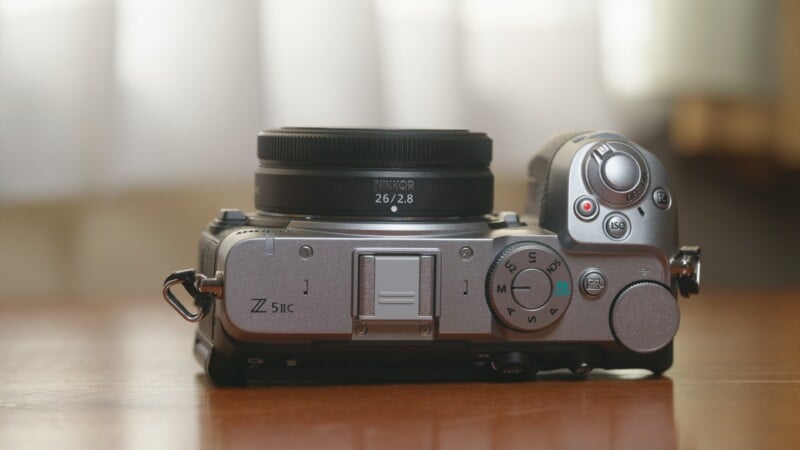
Beyond aesthetics, this design modification translates into a noticeable weight reduction. The Z5 IIC tips the scales at a trim 22 ounces (620 grams), trimming down from the 24.7 ounces (700 grams) of the standard Z5 II. Crucially, Nikon chose to retain the deep, substantial handgrip and a generous array of customizable buttons, ensuring that the Z5 IIC remains significantly more ergonomic and comfortable during prolonged shooting sessions than many competing ultra-thin cameras, such as the Panasonic S9.
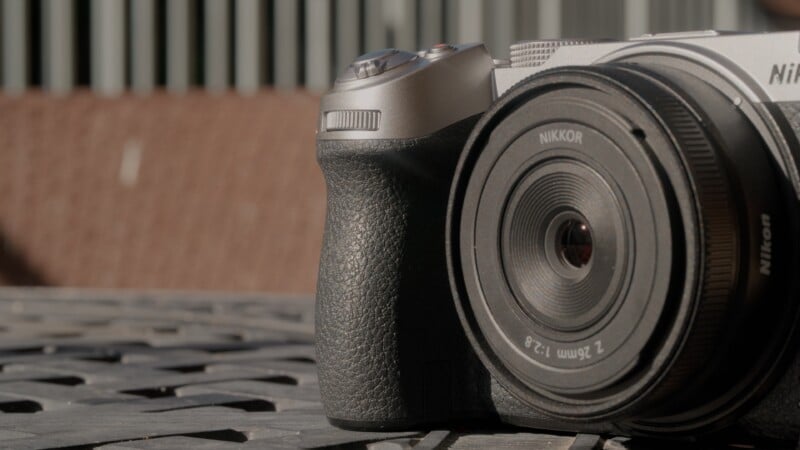
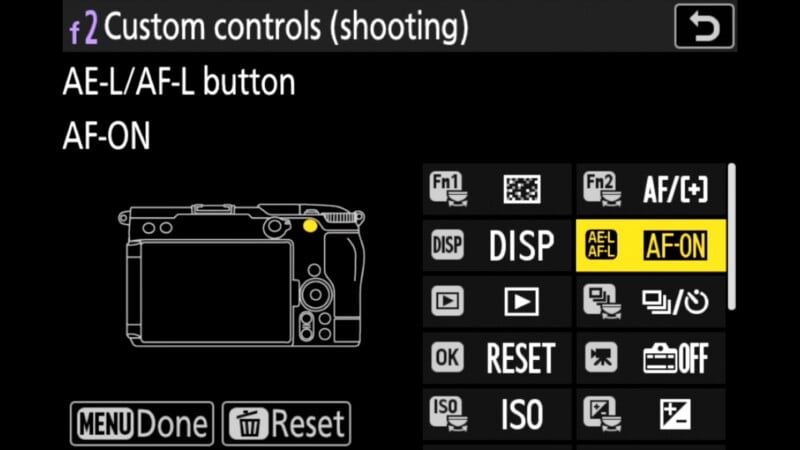
Ergonomic adjustments continue across the body, most notably with the omission of a dedicated joystick for autofocus point selection and the absence of a standalone AF-ON button. In practice, the missing AF-ON button proved to be a non-issue, as the camera features a well-positioned Focus/Exposure Lock button that can be swiftly reprogrammed to suit individual shooting preferences. However, the lack of an AF joystick occasionally required an adjustment period. This was largely mitigated by combining Nikon’s robust 3D tracking system with a shortcut that re-centers the autofocus point simply by pressing the "OK" button.
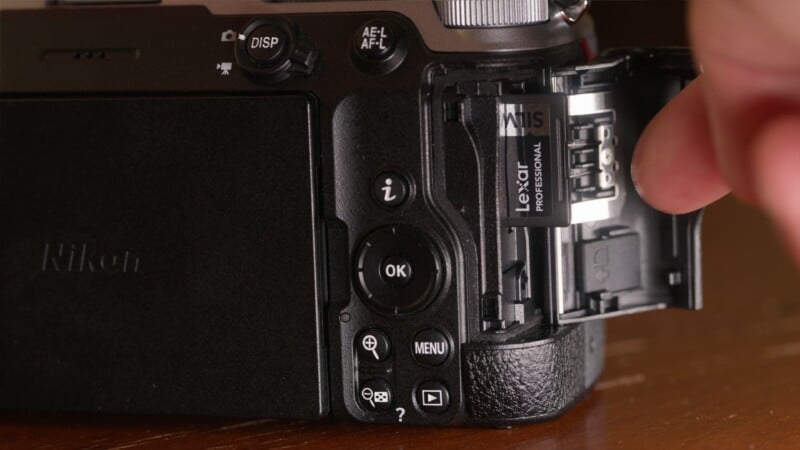
Powering the device is Nikon’s venerable EN-EL15C battery, a reliable energy source shared across the majority of the company’s full-frame mirrorless lineup. While it carries a conservative CIPA rating of 350 shots per charge, real-world field testing yielded more than double that figure on a single charge. For media storage, the camera steps down from the dual slots found on the Z5 II to a single UHS-II SD card slot. While professional photographers who rely on redundant backups for paid assignments will naturally view this as a limitation, it remains a standard compromise for a camera positioned in this specific tier.
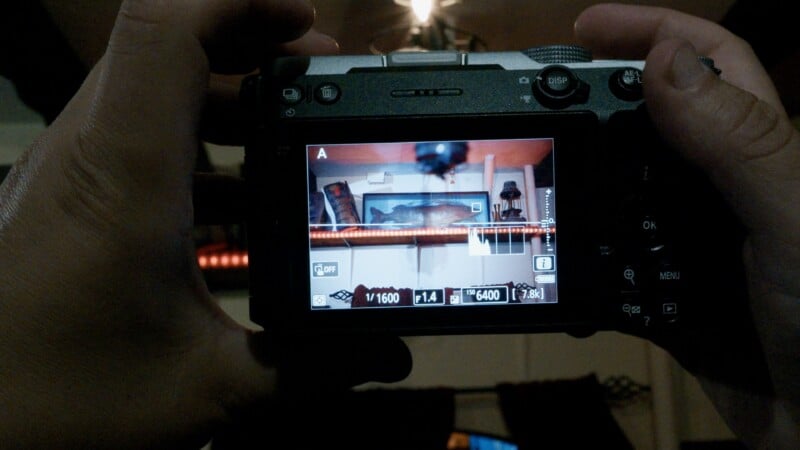
The most profound operational shift centers around the removal of the electronic viewfinder. For traditional photographers, an EVF is vital not only for framing compositions in harsh ambient light but also for reviewing captured imagery. On the Z5 IIC, these operations are channeled entirely through a 3.2-inch fully articulating LCD screen. Unfortunately, Nikon paired the removal of the EVF with a significant downgrade in screen resolution, dropping the panel specification from 2.1 million dots down to 1.04 million dots. This reduction is noticeable during casual shooting and complicates precise manual focusing or critical image review. Nevertheless, while official peak brightness ratings remain unspecified, the display proved adequately luminous to maintain visibility under bright, direct sunlight in Yosemite.
Despite these compromises, core internal performance mechanisms remain entirely uncompromised. The in-body image stabilization system, for instance, delivers up to 7.5 stops of compensation in the center and 7 stops at the periphery. During a dark, challenging sunset where tripod usage seemed mandatory, the IBIS system allowed for sharp handheld captures at focal lengths exceeding 200mm with slow shutter speeds ranging from 1/4 to 1/8 of a second.

Similarly, the sophisticated autofocus system with advanced subject detection and 3D tracking is carried over directly from the Z5 II. The 3D tracking proved exceptionally tenacious when locking onto moving subjects on urban streets, while wildlife in Yosemite was identified almost instantly, even when the camera operated within Automatic Subject Detection mode. The Z5 IIC also introduces a specialized Fish Detection mode exclusive to this model. While its utility for tracking fish swimming rapidly down a wild river might be limited, it presents clear advantages for controlled environments like public aquariums.
When it comes to continuous shooting, the Z5 IIC achieves a respectable maximum mechanical shutter burst rate of 14 frames per second for JPEGs, 11 frames per second for RAW capture using the mechanical shutter, and up to 30 frames per second with the electronic shutter. Because the sensor readout speed is relatively modest, users should remain mindful of potential rolling shutter artifacts when shooting fast motion via the electronic shutter. For newcomers who might otherwise feel intimidated by manual exposure triangles and complex menu systems, the Z5 IIC also stands as Nikon’s first full-frame camera to incorporate dedicated Scene Modes, automating settings for specific scenarios like portraits and landscapes.

Nikon Z5 IIC Review: How It Shoots
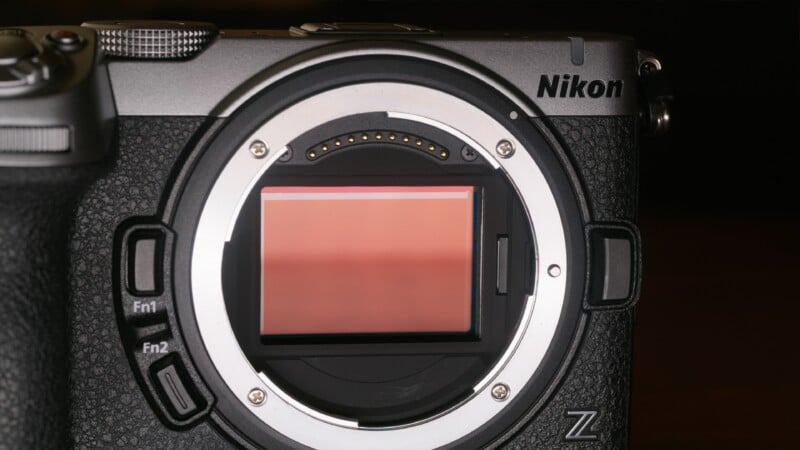
Under the hood, the Z5 IIC utilizes an image sensor that has become a familiar staple across the photographic industry over the past eight years, featuring prominently in full-frame models from Sony, Panasonic, Leica, Sigma, and Nikon. While this 24-megapixel sensor is shared with the Z5 II and may not represent cutting-edge semiconductor innovation, it remains remarkably capable, successfully balancing low-light sensitivity with a wide dynamic range.

For landscape photography, the sensor captures extensive detail within deep shadows at its base ISO setting of 100, permitting clean, usable results in high-contrast lighting conditions. Although it lacks the novelty of newer sensor architectures, its performance represents a substantial step upward from standard APS-C sensor formats.
JPEG rendering maintains Nikon’s traditional high standards, supported by attractive built-in Picture Controls such as "Rich Tone Monochrome" and "Rich Tone Portrait." These profiles are easily toggled via a dedicated top-plate control, and users can further customize or distribute their preferred picture profiles through Nikon’s mobile and desktop software ecosystems.

Nikon Z5 IIC Review: Video Performance
Videographers will find that the Z5 IIC inherits the robust video feature set of the Z5 II, transforming the compact body into a surprisingly powerful filmmaking device. The camera records full-width, oversampled 4K video at up to 30 frames per second, delivering clean, highly detailed footage even in challenging low-light environments. Advancing to higher frame rates like 4K at 60p introduces an APS-C sensor crop and a corresponding reduction in fine detail. Operators can choose between standard Picture Controls or record using Nikon’s flat N-Log profile to maximize dynamic range for subsequent color grading.
Additionally, the Z5 IIC retains the capability to record RAW video directly to an SD card utilizing the N-RAW profile. This format grants greater latitude in post-production for adjusting white balance, noise reduction, and color tint; however, the internal sampling method noticeably impacts sharpness and elevates baseline digital noise, making standard recording formats a more practical choice for most workflows.

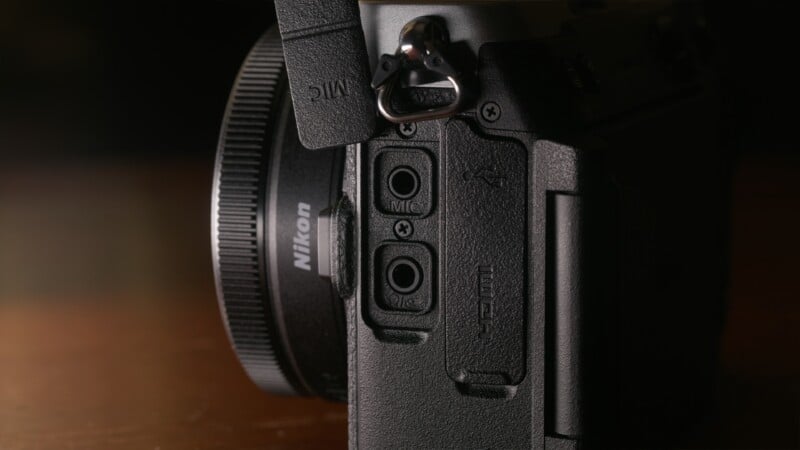
The combination of reliable video autofocus and effective in-body image stabilization makes the camera particularly adept at run-and-gun shooting scenarios where manual focus pulls and external stabilization rigs are unavailable. Furthermore, Nikon has included its complete suite of professional video assistance tools, including live histograms, waveforms, peaking, and detailed magnification for precise focus checking. A front-facing tally lamp also clearly indicates when recording is active, a thoughtful addition for solo creators.

Nikon Z5 IIC Review: Should This Camera Exist?
Evaluating the Z5 IIC ultimately leads back to a fundamental question: does a full-frame camera without an electronic viewfinder serve a necessary purpose in the current market? For traditional photographers accustomed to framing through an EVF, the absence of a viewfinder can prove frustrating, particularly when attempting to shield a lower-resolution LCD screen from glaring ambient light or constantly magnifying images to verify critical sharpness. For these users, paying the extra $450 for the standard Z5 II is easily justified.

Conversely, a substantial segment of contemporary photographers and videographers operate entirely without a viewfinder, a market trend validated by the commercial success of models like the Fujifilm X-M5 and the Panasonic S9. For creators who prefer composing via screen, the Z5 IIC offers compelling value. The cost savings compared to the Z5 II easily subsidize the purchase of a high-quality prime lens, while the operational compromises away from the viewfinder remain minor.

While the Z5 IIC may not convert traditionalists who rely heavily on an eye-level finder, its aggressive pricing and full-frame performance ensure that more creators can access the distinct advantages of a large sensor format.