In the world of fine art photography, an artist’s work typically finds its permanent home within the carefully bound pages of hardcover monographs, behind the glass of prestigious gallery walls, or preserved digitally in museum archives. For internationally celebrated Japanese street photographer Shin Noguchi, whose evocative and poignant captures of everyday life in Japan have earned him global recognition, his striking imagery has just crossed over into an entirely new and unexpected medium: a deck of custom playing cards.
Noguchi has officially partnered with the prominent American designer playing card company Fulton’s Playing Cards to launch a unique collectible product. The collaboration is intentionally designed to evoke the tactile, intimate experience of carrying a compact photo book right inside your pocket. Over the years, Fulton’s Playing Cards has built a formidable reputation within the design and collectible communities through high-profile collaborations with an eclectic array of partners, including major cultural and entertainment institutions like NASA, Disney, and various prominent Hollywood cinematic franchises. By adding Noguchi to this exclusive roster, the company bridges the gap between high-end street photography and everyday functional art.
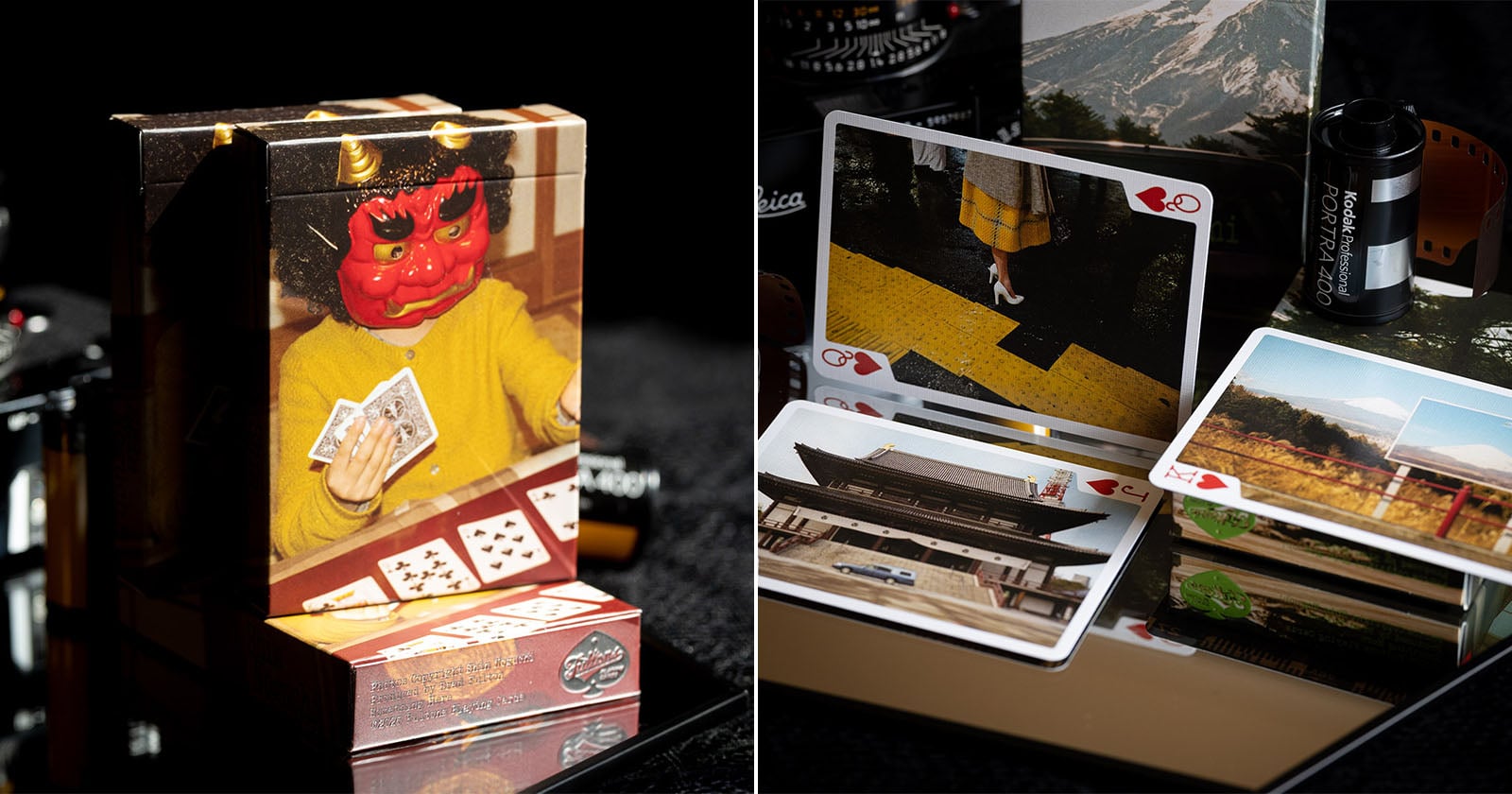
For Noguchi, the transition of his fine art into a standard card deck represents a refreshing departure from traditional exhibition formats. Each individual card within the deck showcases one of his authentic street photographs with virtually no cropping, allowing viewers to experience the complete composition as it was originally captured through his lens on the bustling streets of Japan.
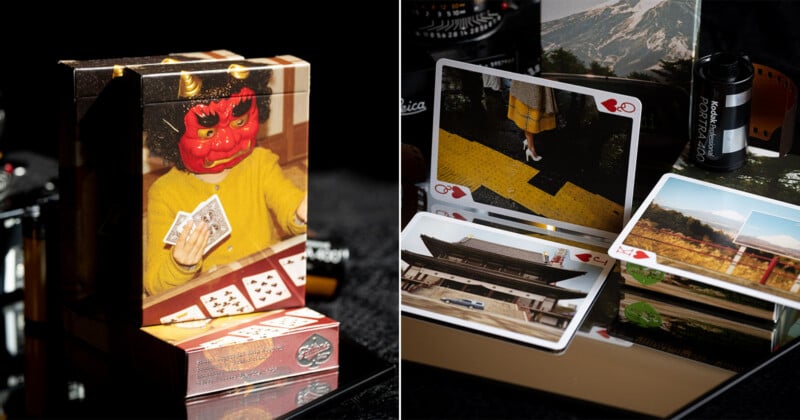
Each card features one of my photographs with almost no cropping, making the deck feel like a small photo book that you can carry around in your pocket, Noguchi explains, reflecting on the unconventional design process. You can simply enjoy looking through the photographs, or of course use them as ordinary playing cards. You might even come up with your own games, such as matching the subjects or scenes that appear in the photographs.
Despite a deeply accomplished career in the fine art photography sphere—which notably includes prestigious features in Leica’s global campaigns, such as the company’s 70th-anniversary M-System campaign and its subsequent 100th-anniversary celebrations—Noguchi expresses genuine enthusiasm about seeing his work adapted for playing cards. While he acknowledges the immense value of exhibiting in traditional galleries and seeing his shots published in respected magazines and newspapers, he points out that a portable deck of cards opens up an entirely different avenue for audience interaction. It allows everyday people to hold, shuffle, and engage with his imagery as part of their daily routines.
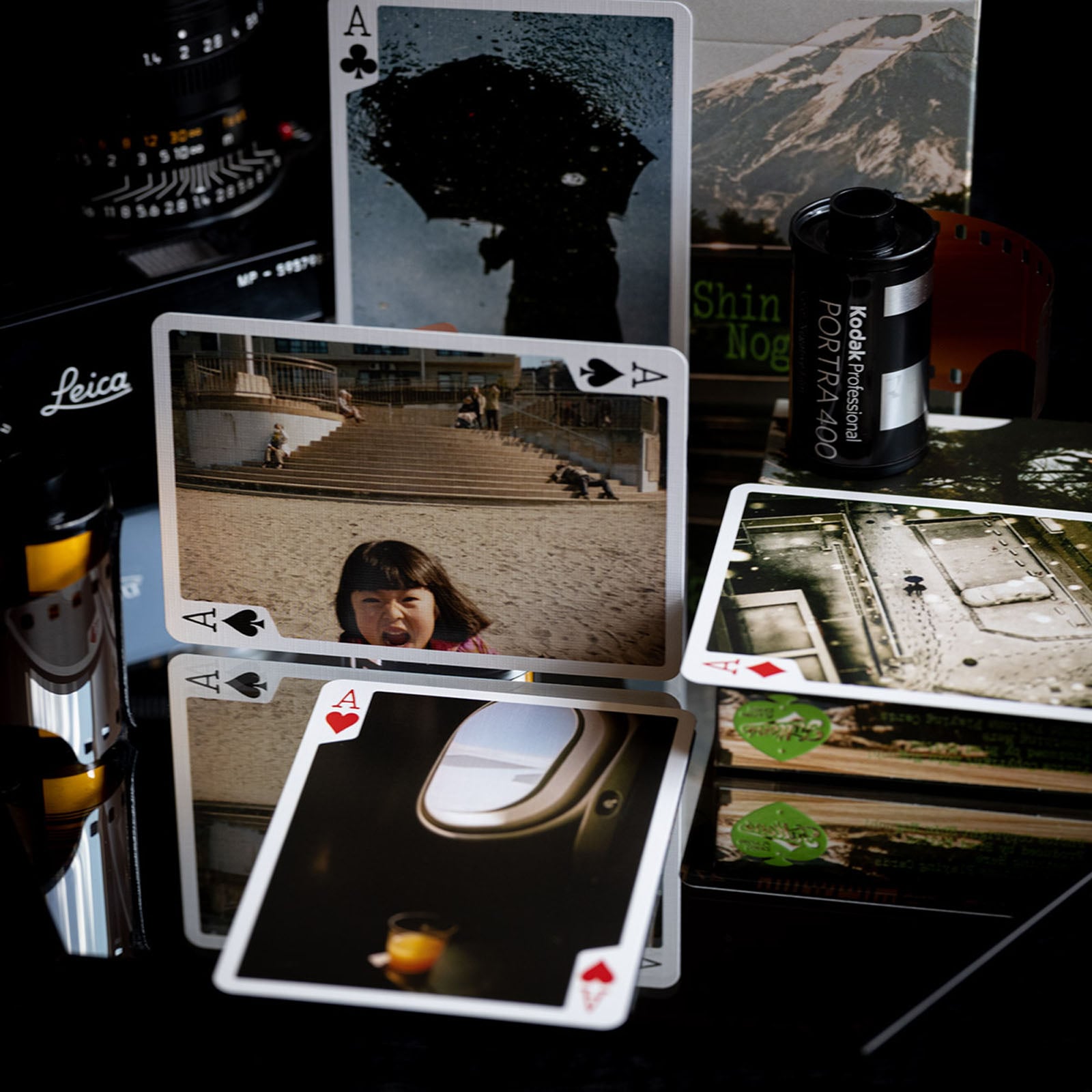
Through my work, I hope to share, even in a small way, the beauty I find in everyday life in Japan with as many people as possible, Noguchi adds. His photographs are celebrated for capturing quiet, fleeting, and profoundly human moments amidst the urban landscapes of Japan, turning ordinary street scenes into visual poetry.
The collaborative project has resulted in two distinct deck variations now available to collectors, enthusiasts, and card players alike. The standard offering, known as the Fuji Box, features one of Noguchi’s captivating landscape images highlighting the iconic Mount Fuji in the background. This primary version is currently available for purchase at $25.
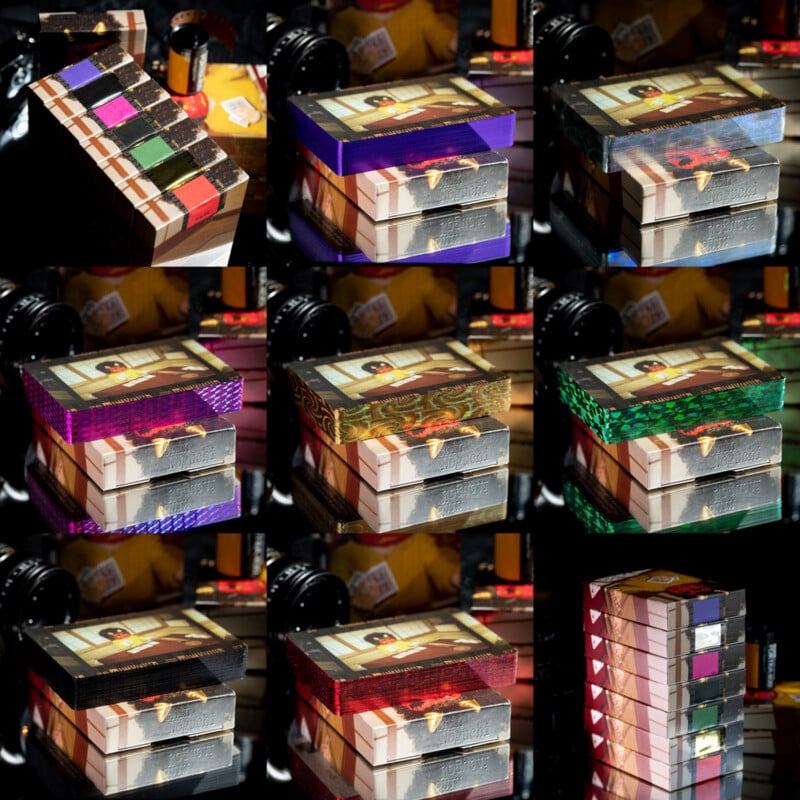
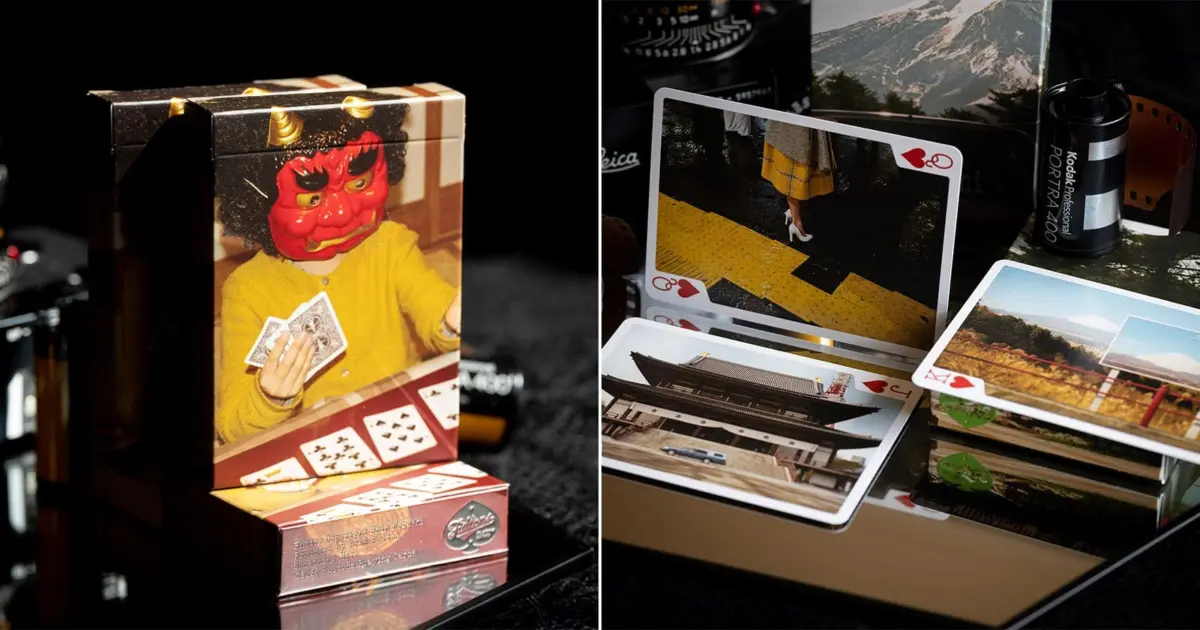
In addition to the standard edition, Fulton’s Playing Cards has released an ultra-limited special edition version for dedicated collectors. The packaging for this variant offers a delightfully meta visual experience, featuring a photograph of Shin’s young daughter sitting at a table engrossed in a card game while wearing a traditional red Japanese Oni mask. The limited edition version is priced at $35, though availability is strictly restricted, with only 50 copies produced for the entire global market, making it an instant collector’s item for photography aficionados and card enthusiasts alike.
As his remarkable portfolio continues to reach new audiences through unorthodox creative ventures, Noguchi remains steadfast in his artistic philosophy, offering a simple yet resonant piece of advice for fellow visual storytellers: Keep walking, photographing, and expressing.