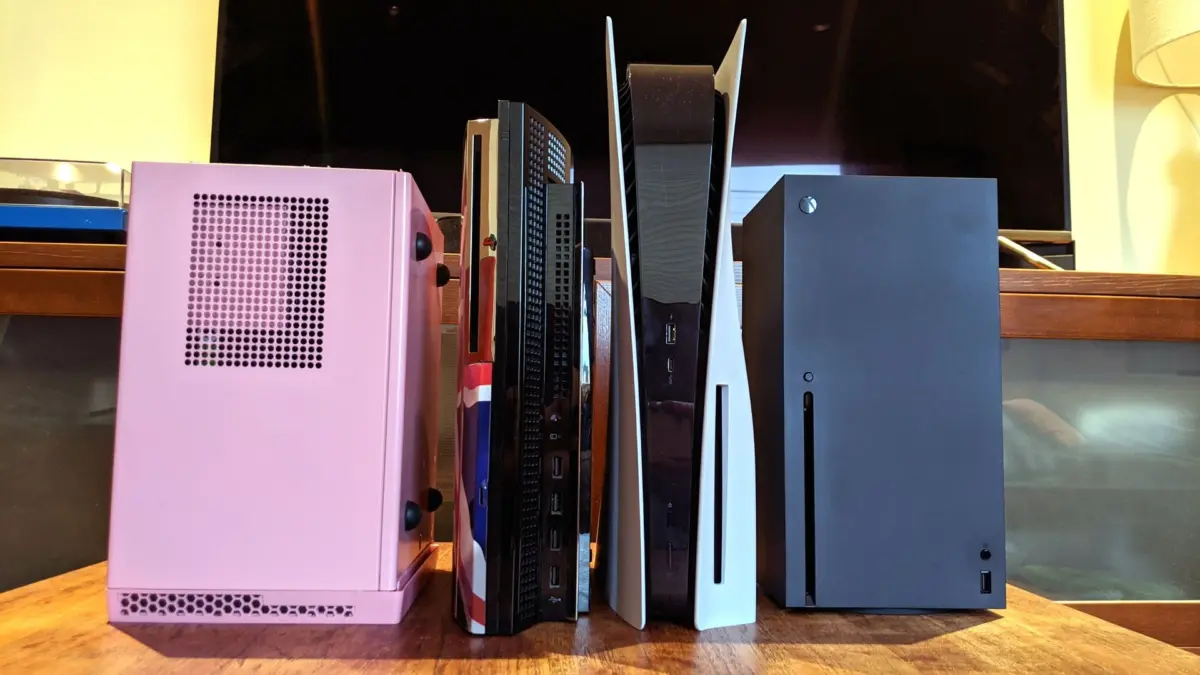
According to the shared estimates, the next-generation PlayStation console—widely referred to colloquially as the PlayStation 6—is projected to deliver approximately 40 teraflops of compute performance. Meanwhile, the prospective next-generation Microsoft hardware, currently discussed under project codenames such as Xbox Project Helix, is projected to reach roughly 56 teraflops. To contextualize these figures within the broader hardware landscape, these numbers align roughly with the performance tier expected from advanced desktop graphics cards such as AMD’s hypothetical Radeon RX 9070 series. Furthermore, the estimates suggest a theoretical 40 percent performance delta favoring Microsoft’s console over Sony’s upcoming system, highlighting a potential divergence in hardware scale or design philosophy between the two competing platform holders as they look toward the latter half of the decade.
However, experienced hardware analysts and technology enthusiasts are quick to point out that raw teraflops have never served as a perfect or absolute measure of relative performance when comparing different computing products. This principle holds true even when competing systems share fundamentally similar underlying architectures. Both Sony and Microsoft have relied heavily on custom semiconductor designs provided by AMD for multiple generations, utilizing variations of Zen CPU cores and Radeon graphics architectures. Despite this underlying architectural lineage, architectural efficiency, memory bandwidth, custom silicon features, proprietary upscaling technologies, and software optimization play monumental roles in determining how these theoretical compute numbers translate into actual gaming experiences, frame rates, and visual fidelity on living room televisions and monitors.
The ongoing discourse surrounding next-generation console specifications arrives at a time when the consumer hardware market is experiencing rapid evolution across both the PC and console sectors. The console bunfight—the informal industry term for the fierce generational competition between Sony, Microsoft, and potentially other industry entrants—is still widely expected to kick off later next decade, with rumors and industry chatter continuing to ramp up as development kits mature and silicon strategies solidify. For the traditional personal computer gaming community, these generational leaps in console hardware carry significant implications. Historically, the baseline capabilities established by new console hardware heavily influence the technological ambitions of multiplatform video game development, ultimately shaping the system requirements and optimization standards for PC ports released years down the line.
Even for dedicated PC enthusiasts who primarily game on high-end desktop rigs featuring powerful components like desktop graphics cards, the arrival of new console generations often serves as a key indicator of where real-time rendering technology, physics simulations, and engine development are heading. As hardware manufacturers continue to refine architectural efficiencies and explore new methods for squeezing performance out of silicon, the community watches closely to see how these projected specifications will materialize in final retail hardware. Whether these early estimates from forum discussions ultimately prove accurate or serve merely as placeholders for a rapidly shifting technological landscape, they underscore the relentless pace of semiconductor advancement and the enduring fascination surrounding the future of digital entertainment hardware.