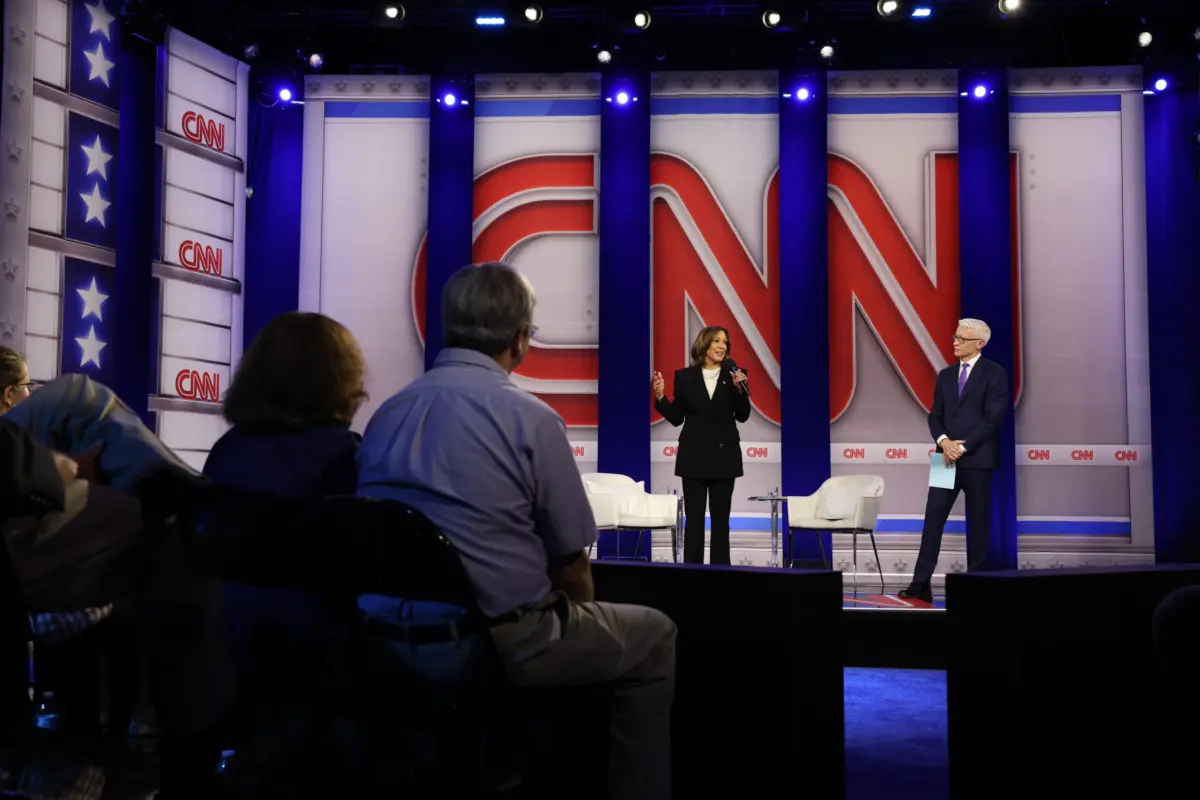
According to various reports detailing the arrangement, the settlement between the media conglomerate and the state prosecutors may involve keeping Paramount Skydance’s cable networks intact without immediate plans for a separate divestiture. Furthermore, the terms are expected to establish an independent board designed to safeguard editorial independence at both CNN and CBS News, mitigating concerns regarding potential corporate influence over their newsrooms.
Shortly after the settlement news became public, Paramount Skydance CEO David Ellison communicated directly with company employees. In an internal staff memo, Ellison reportedly expressed optimism that the monumental transaction will officially cross the finish line in approximately two weeks, setting the stage for one of the largest corporate realignments in media history.
Fewer opportunities
The path to this resolution was fiercely contested. Rob Bonta, California’s attorney general, had previously led the charge in opposing the mega-merger. Back in July, Bonta publicly warned that the combination of Paramount Skydance and Warner Bros. Discovery would concentrate too much media power, arguing that the new entity’s unified ownership of CNN and CBS News would create fewer opportunities for Americans to hear the full breadth of information and opinions on critical subjects, ultimately hindering their ability to come to independent conclusions.
Despite those sweeping public interest concerns raised by state regulators, the actual legal complaint brought by Bonta and his fellow state attorneys general primarily centered on the consolidation of two major Hollywood movie studios. Critics of the merger had warned that combining the studio operations could trigger substantial job losses—particularly within California’s entertainment economy—while simultaneously driving up prices and reducing the sheer volume of film and television content available to the market. Such outcomes, opponents argued, carried the potential to inflict severe collateral damage on movie theaters, basic cable distributors, and everyday consumers alike.
Following the announcement of the settlement, industry observers suggested that the legal challenge may have lacked the staying power initially advertised. Ross Benes, a senior analyst at Emarketer, remarked that California ultimately did not wield as much regulatory leverage as it had portrayed during the peak of the dispute.

Benes pointed out that the looming threat of political backlash over anticipated job losses frequently outweighs the ideological drive to push back against corporate consolidation or protect consumer interests. He added that Paramount Skydance’s ability to navigate and ultimately steamroll these legal obstacles demonstrates that the regulatory frameworks traditionally governing mass media ownership in the United States have essentially ceased to function as robust barriers to mega-mergers.
Beyond the fate of traditional news and film studios, the streaming landscape is poised for a seismic transformation once the transaction formally closes. The combined company will bring together Paramount+, which boasts nearly 82 million subscribers, and Warner Bros. Discovery’s HBO Max, a global streaming titan with over 140 million subscribers. Company executives have previously indicated that these two standalone services will eventually be merged into a single, unified platform, creating a digital powerhouse equipped with the scale and financial muscle necessary to rival established streaming giants like Netflix and Disney+. At the same time, incoming leadership has worked to reassure creators and consumers by affirming that the HBO brand will retain its creative independence as a specialized sub-brand within the broader streaming ecosystem.
Mike Proulx, vice president and research director at Forrester, weighed in on the broader market implications of the deal, noting that the settlement fundamentally alters the trajectory of the streaming wars as the industry looks ahead. A combined Paramount and HBO Max possesses the sheer heft required to go toe-to-toe with Netflix, effectively pairing two major Hollywood studios with one of the most expansive content libraries in the entire entertainment industry under a single roof.
Quick resolution
A powerful financial and legal catalyst drove both sides toward a speedy resolution. Prior to the settlement, the litigation was barreling toward a high-stakes antitrust trial scheduled for March 2027. That upcoming trial also incorporated a formal complaint filed by the Writers Guild of America, which had strongly opposed the multi-billion-dollar combination.
Compounding the pressure was a strict financial deadline built into the merger agreement. If the transaction failed to reach completion by September 30, Paramount Skydance would have been contractually obligated to pay its shareholders a 25-cent-per-share "ticking fee." Financial reports indicate that this penalty would have amounted to a staggering $650 million per quarter, creating an immense monetary incentive for the company to clear away regulatory roadblocks as rapidly as possible.
Meanwhile, leadership at the affected news divisions has been working diligently to maintain internal stability amidst the corporate upheaval. CNN CEO Mark Thompson has actively sought to reassure nervous staffers during this prolonged period of uncertainty. In one of the network’s most recent global town halls, Thompson advised employees to execute their core journalistic strategy with confidence and gusto, urging them to remain focused on their day-to-day mission rather than becoming overly consumed by the unknown variables of the corporate transition.