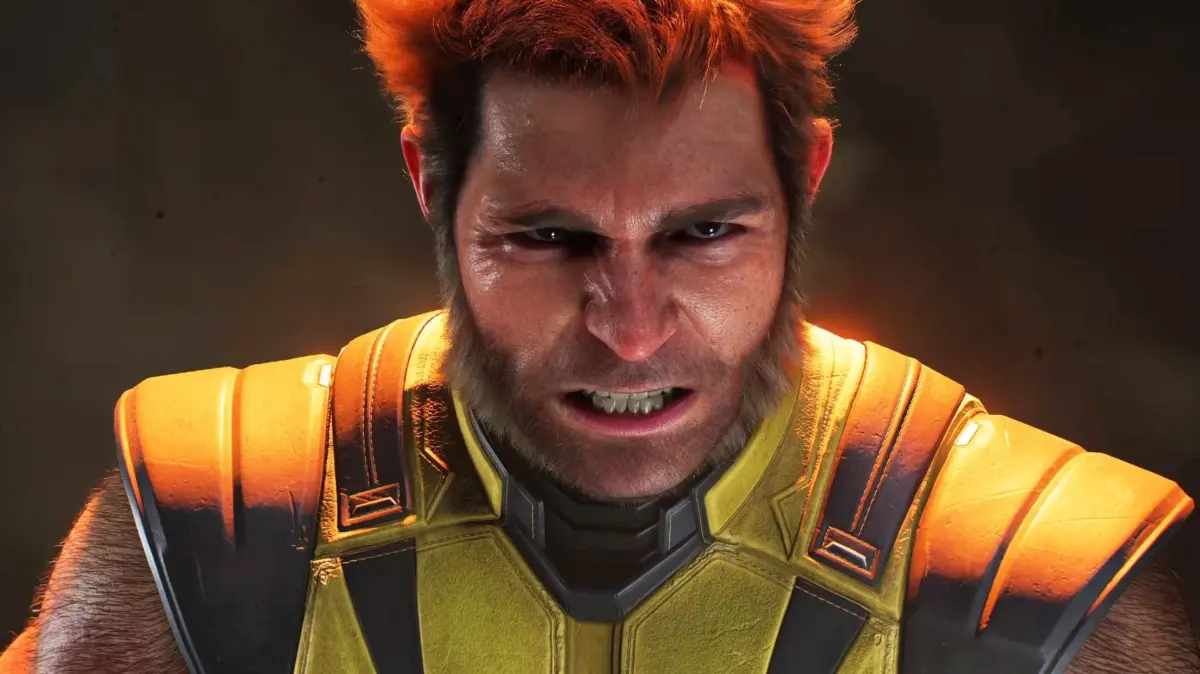
Insomniac Games has officially deployed a new hotfix for Marvel’s Wolverine, bringing the game to version v1.001.005. The targeted patch arrives as the studio looks to smooth out the early post-launch experience for players, focusing primarily on stability issues that have impacted a small percentage of the user base since the title first arrived on shelves, alongside adjustments to some of the game’s more intrusive visual assistance features.
According to the official communication released via the Insomniac support website, the newly minted hotfix addresses some common crashes that players have encountered. While the vast majority of players have navigated the open-ended action without encountering catastrophic technical failures, a minority portion of the community experienced interruptions that prompted quick intervention from the development team. Technical stability has remained a top priority for the studio as players dive deep into the PlayStation 5 exclusive, and version v1.001.005 represents the latest step in refining the overall performance of the game.
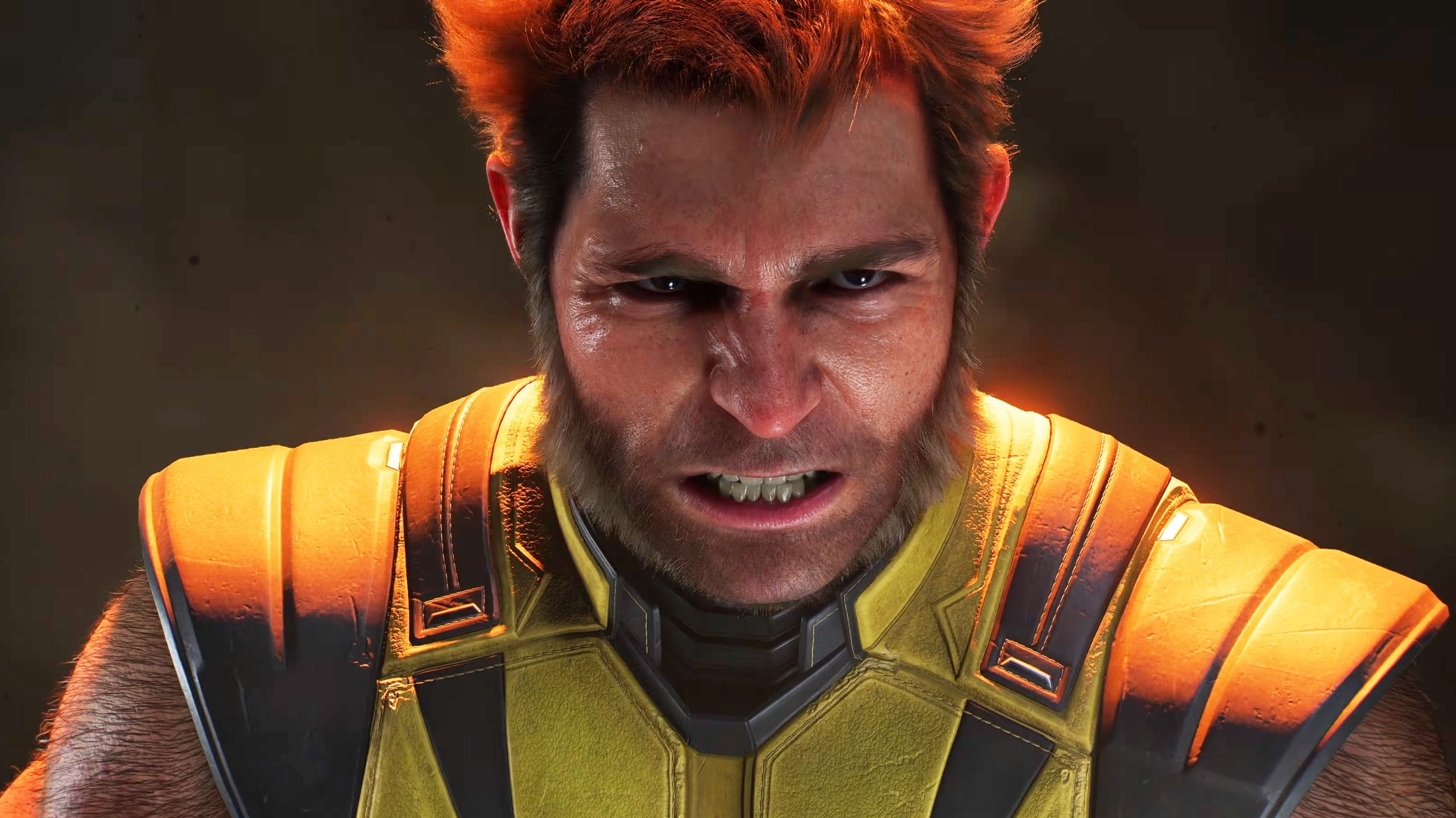
Beyond technical stabilization under the hood, the update tackles a growing talking point among the community: the intensity of the game’s navigational and sensory UI elements. Specifically, the hotfix adjusts the presentation of the Scent Trails and Audio Sense indicators, reducing their overall opacity to make these visual prompts considerably less intense during regular gameplay.
For days, the implementation of these high-contrast mechanics had sparked widespread discussion across social media platforms and gaming forums. Clips and screenshots highlighting the sheer volume of guidance on screen quickly circulated online, drawing both amusement and critique regarding modern blockbuster design philosophies. Insomniac’s decision to dial back the opacity of the Scent Trails and Audio Sense markers indicates that the development team is actively listening to player feedback regarding screen clutter and sensory overload.
Furthermore, the support update noted that the studio’s team continues to evaluate ways to further improve the senses mechanics in the game. This ongoing internal review includes exploring toggleable options for a future update, which would grant players greater personal control over how much or how little guidance they receive while tracking targets and navigating the environment.
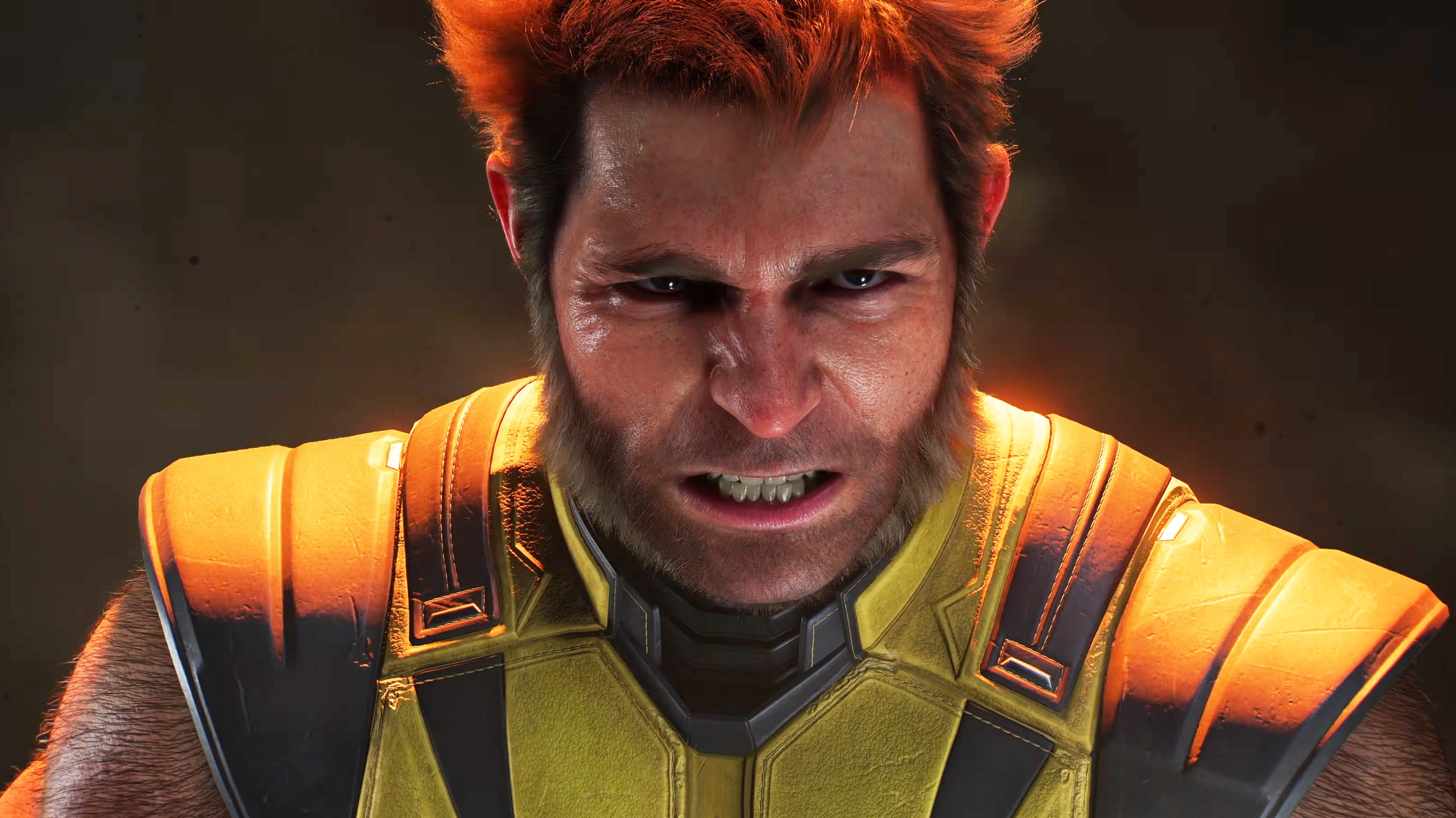
The conversation surrounding Marvel’s Wolverine has inevitably touched on broader industry trends concerning handholding in modern video games. The debate over environmental signposting, often colloquially referenced through mechanics like yellow paint or excessive trail markers, has long divided players and developers alike. While a baseline of guidance is widely acknowledged as necessary to prevent frustrating navigation dead-ends, the threshold for where helpful direction crosses over into excessive handholding remains a fiercely debated topic.
In the case of Insomniac’s latest superhero outing, some critics and players felt the implementation pushed the boundaries of traditional visual assistance. Logan, a character historically defined by his raw, feral survival instincts and heightened senses, was given environmental indicators so prominent that comparisons to parody videos began to circulate within gaming circles. The discussion reflects a wider pendulum swing within the industry. As blockbuster games increasingly lean toward frictionless, streamlined experiences designed to keep players moving forward without interruption, a counter-movement among players and developers alike has begun to emerge, expressing a growing appetite for design that tests patience, respects player intelligence, and allows for more organic discovery.
This push and pull of game design philosophy is hardly unique to action titles. Similar shifts are currently visible across various genres, including massively multiplayer online games, where frictionless seasonal structures are occasionally being scrutinized in favor of experiences that ask more of the player’s time and attention.

Insomniac’s willingness to actively walk back some of its initial design choices and investigate toggleable options for sensory indicators serves as a notable barometer for contemporary AAA development. It demonstrates a responsive relationship between major studios and their audiences, where feedback on smaller aesthetic and functional elements can directly influence post-launch support roadmaps. As developers continue to balance accessibility and immersion, the ongoing evolution of features like Scent Trails in Marvel’s Wolverine highlights the delicate tightrope walk of modern game design—a cycle of refinement that will likely continue to shift as player expectations and design standards evolve over the coming years.