The neon-soaked streets of Vice City are getting a major technological glow-up in Grand Theft Auto 6, bringing modern smart car conveniences to Rockstar Games’ next open-world blockbuster. However, this evolution in automotive engineering presents an entirely new set of obstacles for the game’s criminal protagonists. While keyless ignition systems and advanced digital security are great news for honest citizens trying to protect their property, they create a serious headache for opportunistic thieves who can no longer rely on the classic screwdriver and hotwire routine of previous eras.
Modern problems, as the saying goes, call for modern crimes. To overcome the high-tech security measures guarding the latest luxury vehicles and daily drivers scattered across the sprawling map, players will need to adapt their methods. Traditional grand theft auto is no longer as simple as smashing a window and crossing a couple of ignition wires under the steering column. Instead, criminal enterprises in the fictional reimagining of Miami will require specialized digital tools to bypass proximity sensors and encrypted transponders.
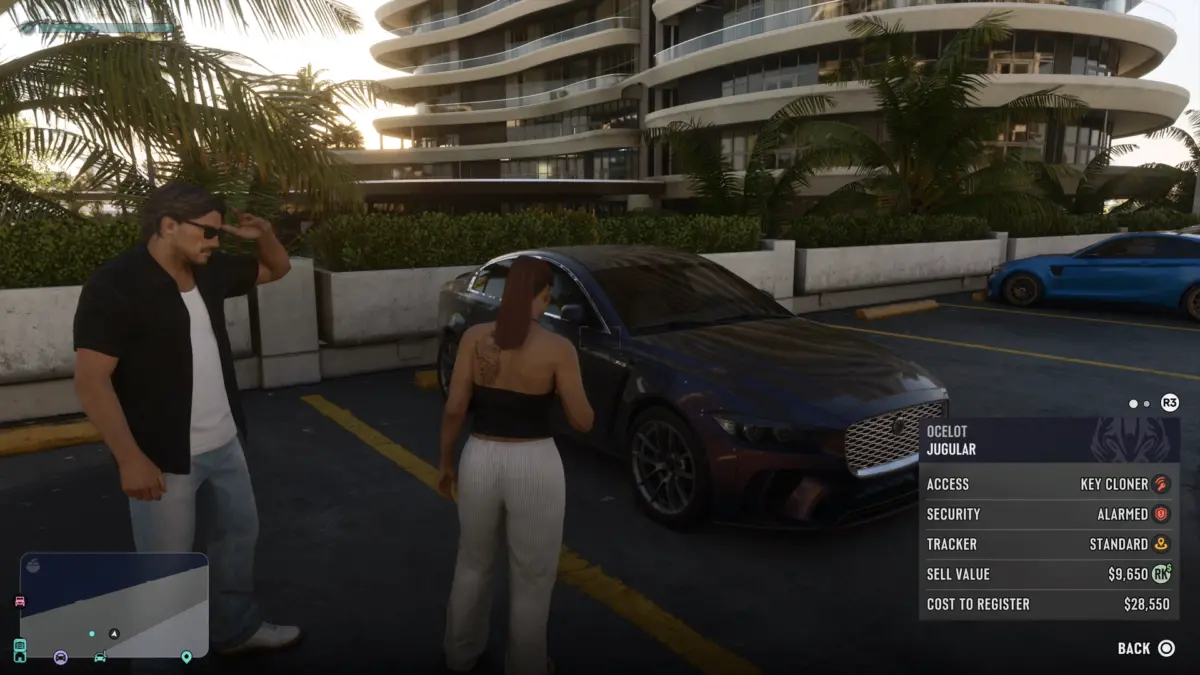
Chief among these new illicit gadgets is the key cloner, a specialized piece of equipment designed to intercept and replicate the digital handshake between a vehicle and its key fob. As Grand Theft Auto 6 moves the timeline closer to the modern day, the criminal underworld must evolve alongside consumer technology, replacing brute-force mechanical entry with calculated electronic infiltration.
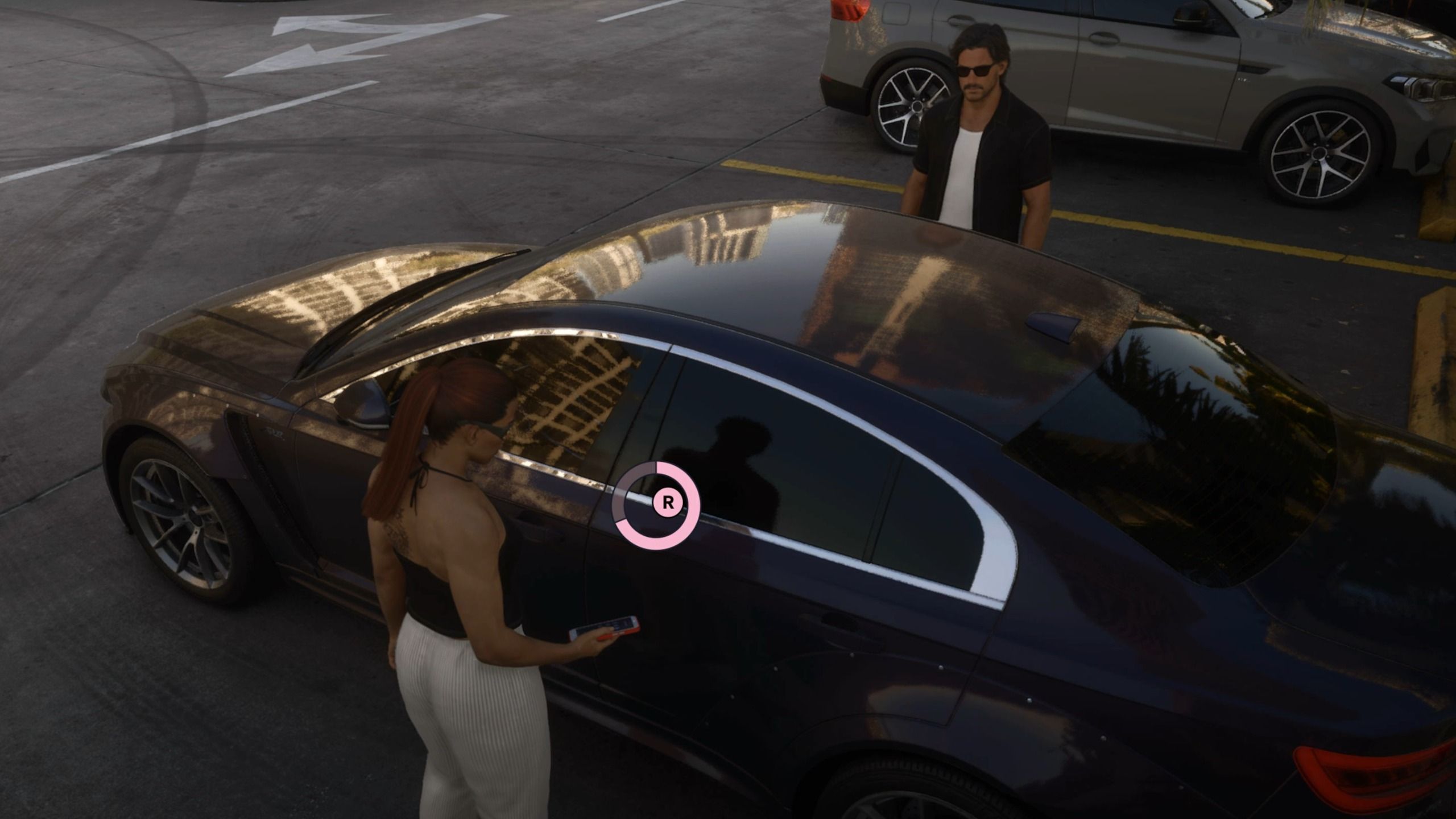
How to Get a Key Cloner
Securing the necessary hardware to breach modern vehicle security is expected to be a pivotal step for players looking to curate high-end vehicle collections or complete lucrative vehicle-export contracts. While Rockstar Games continues to reveal details about the wider economic systems, safehouses, and black-market contacts that will populate the game’s expansive underworld, acquiring sophisticated tools like a key cloner will likely involve cultivating relationships with specialized fixers, tech-savvy criminals, or shady street-level vendors scattered throughout the state of Leonida.
In the context of the game’s open-world ecosystem, obtaining advanced equipment underscores a broader shift in how players interact with the environment. Rather than simply walking up to any parked car and driving away scott-free, high-value vehicles equipped with keyless entry systems will demand a more methodical approach. Players may need to scout targets, monitor vehicle owners, or invest their hard-earned criminal capital into purchasing and upgrading illicit hardware before they can access the most coveted rides on the market.
This mechanic introduces a distinct layer of progression to vehicle theft. Early-game criminals might be limited to older, traditional models that still rely on physical metal keys and outdated ignition cylinders, while seasoned operators equipped with a reliable key cloner can target luxury sports cars, high-end SUVs, and exotic supercars parked outside upscale venues, beachfront properties, and corporate high-rises across Vice City.
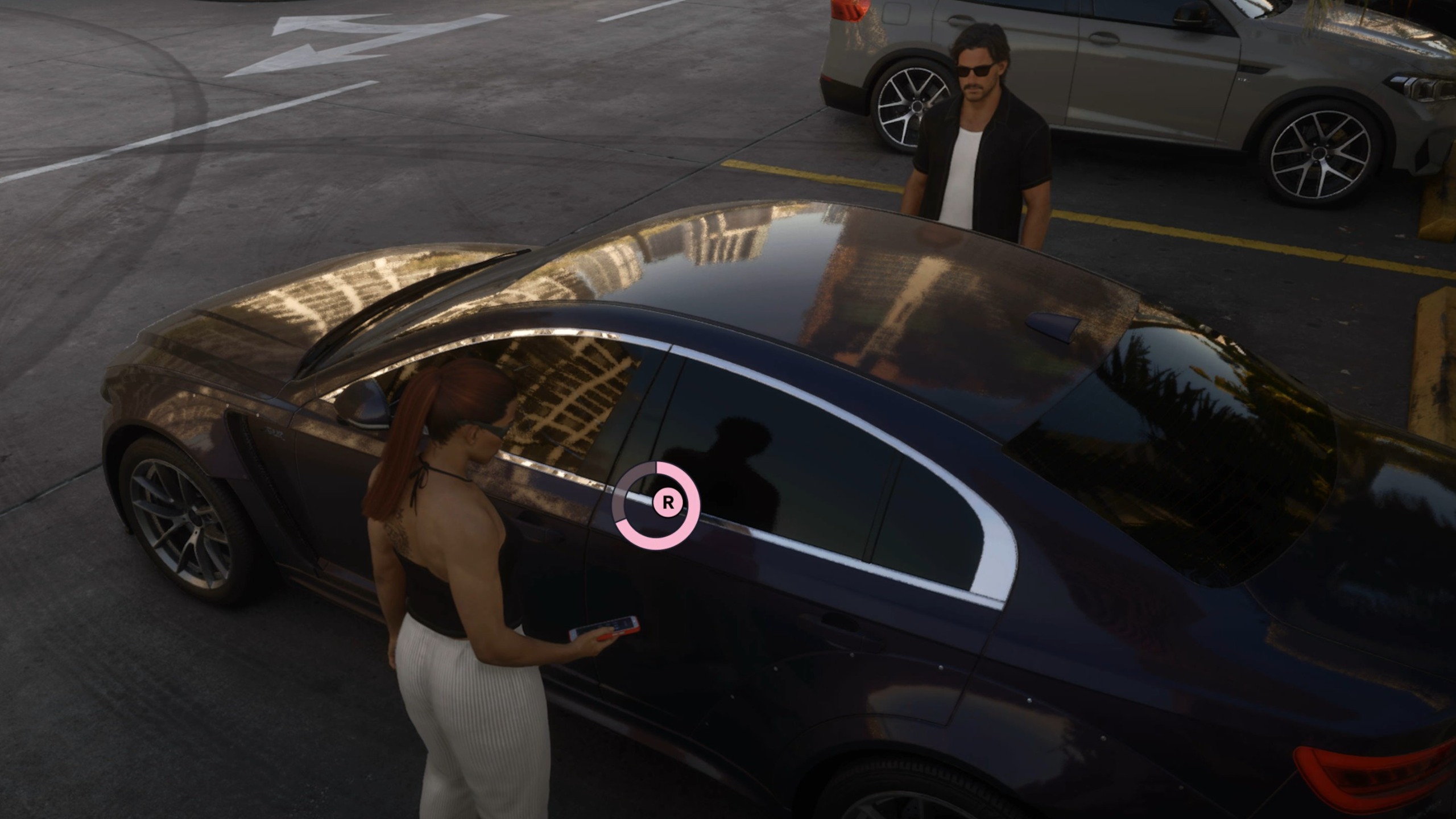
Beware of Trackers When Stealing Keyless Cars
Acquiring the vehicle is only half the battle in the high-stakes criminal playground of Grand Theft Auto 6. Once a keyless car has been successfully breached, started, and driven away using the cloner, players must immediately contend with the invisible digital tether left behind by modern automotive telemetry: vehicle tracking systems.
The game reportedly categorizes these tracking devices into distinct tiers, each presenting its own unique hazard to fleeing criminals. Standard trackers installed in basic or mid-range vehicles do not pose an immediate threat to physical survival, but they do present a bureaucratic hurdle for aspiring chop-shop owners and car thieves. A standard tracker generally prevents the player from visiting legitimate mod shops to alter the vehicle’s appearance, performance parts, or paint job until the car is formally registered or scrubbed of its original identification data, effectively locking the stolen property out of custom upgrades.
Advanced trackers, however, represent a far more dangerous escalation. These high-end security systems do not merely lock out custom garages; they actively broadcast the stolen vehicle’s exact geographical coordinates to law enforcement agencies in real time. The moment a player hotwires or digitally clones a heavily secured luxury vehicle equipped with an advanced tracker, local police departments are immediately alerted to the theft and begin vectoring units toward the moving target.
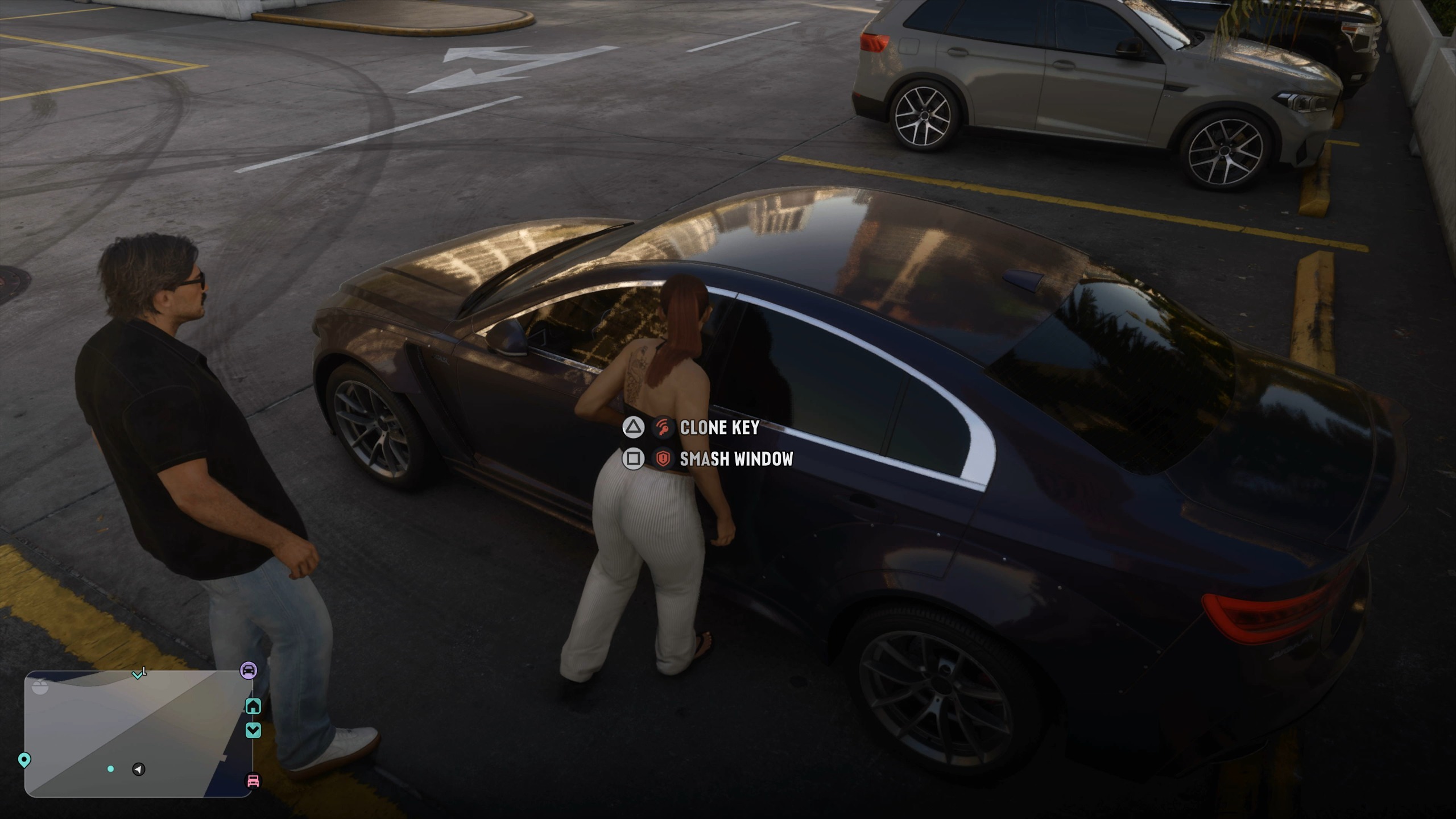
Outsmarting these advanced tracking systems requires abandoning subtle evasion tactics in favor of raw horsepower. According to current details from the game’s mechanics, players can temporarily outrun the digital signal if they travel at extreme speeds. Keeping a heavy foot on the gas pedal disrupts the telemetry transmission long enough to shake off immediate police pursuit, provided the driver can maintain high velocities.
However, the high-tech surveillance network proves unforgiving to those who lose momentum. The moment a fleeing driver slows down, gets stuck in traffic, or attempts to navigate tight residential alleyways at low speeds, the tracker re-establishes its connection, instantly relaying the precise location back to the authorities. Ultimately, the ultimate countermeasure against cutting-edge digital surveillance in Vice City remains a reliable, high-speed joyride with the pedal pushed firmly to the metal.