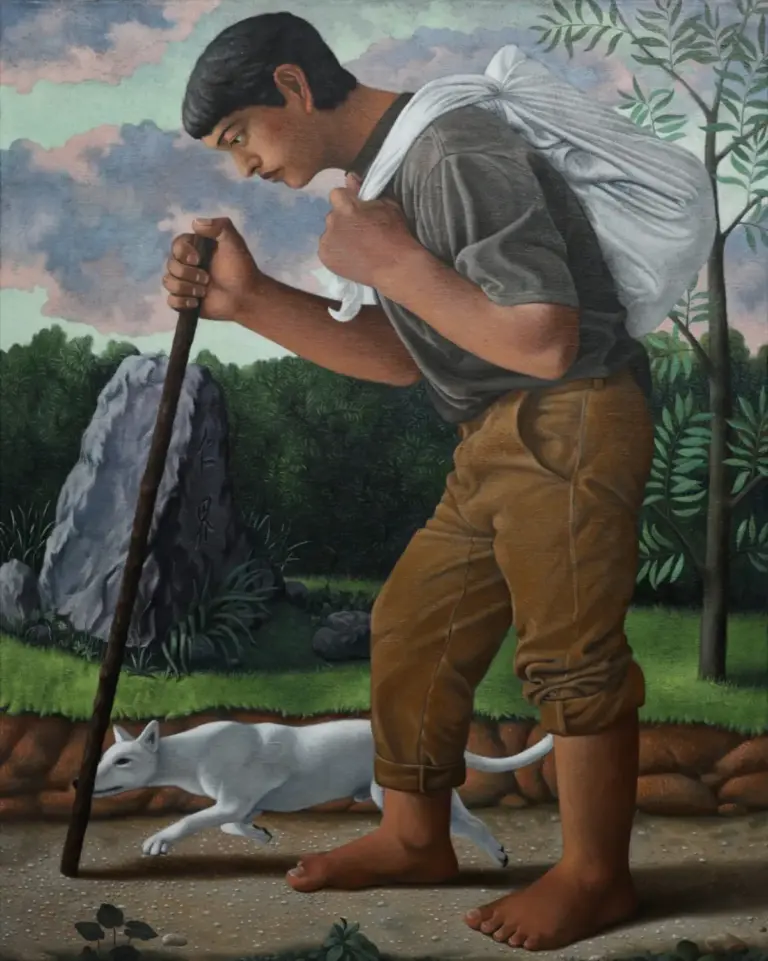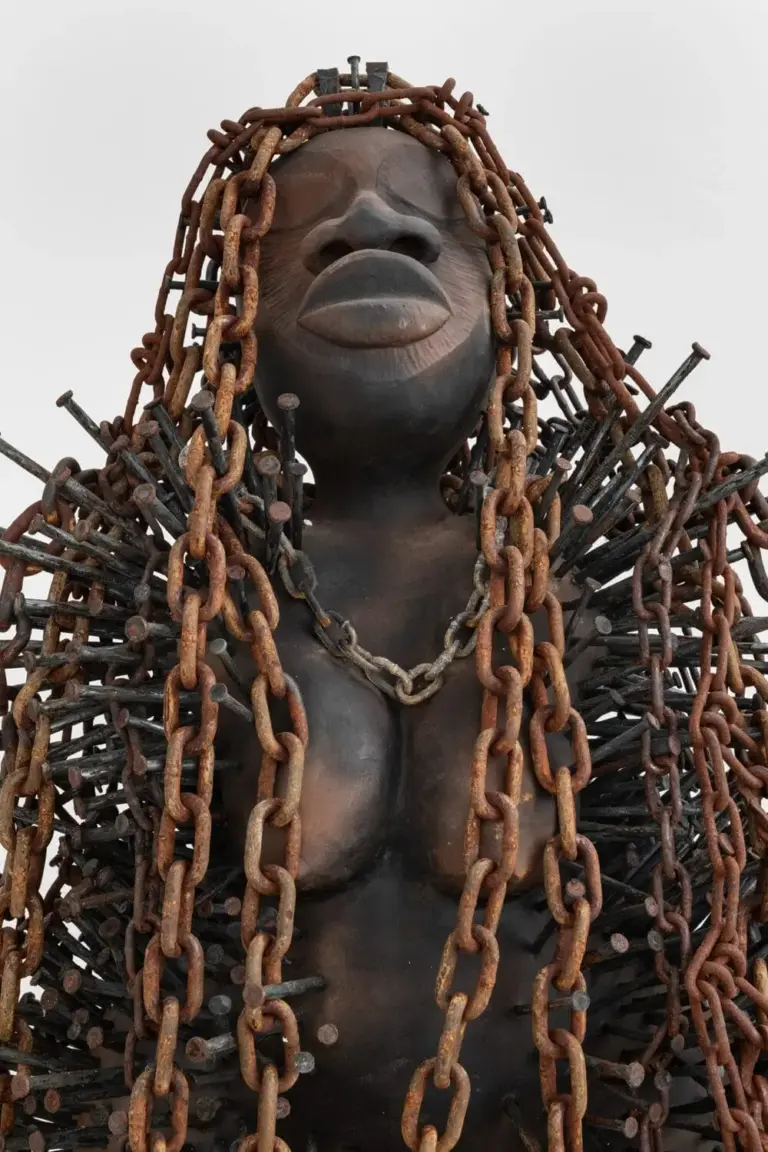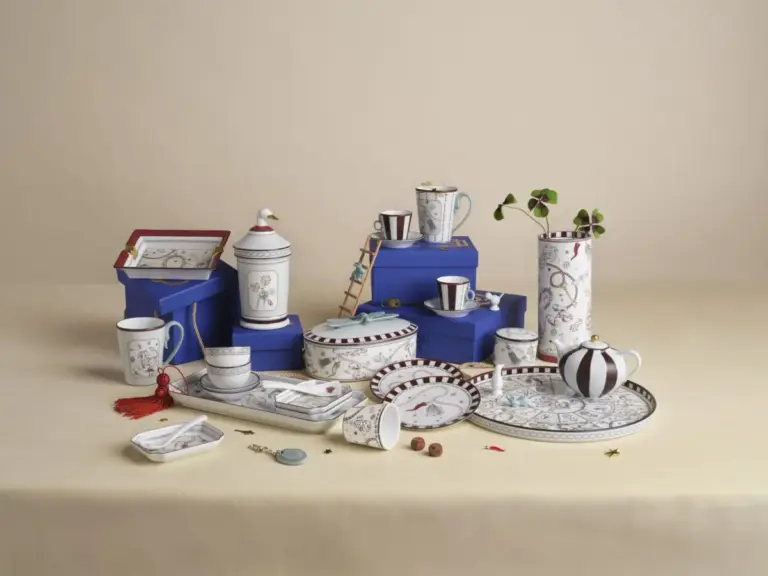
In her playful, anthropomorphized sculptures, London-based artist Hannah Lim draws a direct line through history, weaving together historical ceramics, classical Chinese literature, and her own British-Singaporean heritage. For several years, the artist’s practice has focused heavily on the 17th- and 18th-century design phenomenon known as Chinoiserie. During this period, European producers heavily mimicked Chinese and other Asian motifs, frequently appropriating and blending a wide variety of regional aesthetics to cater directly to a burgeoning Western market hungry for exotic goods.
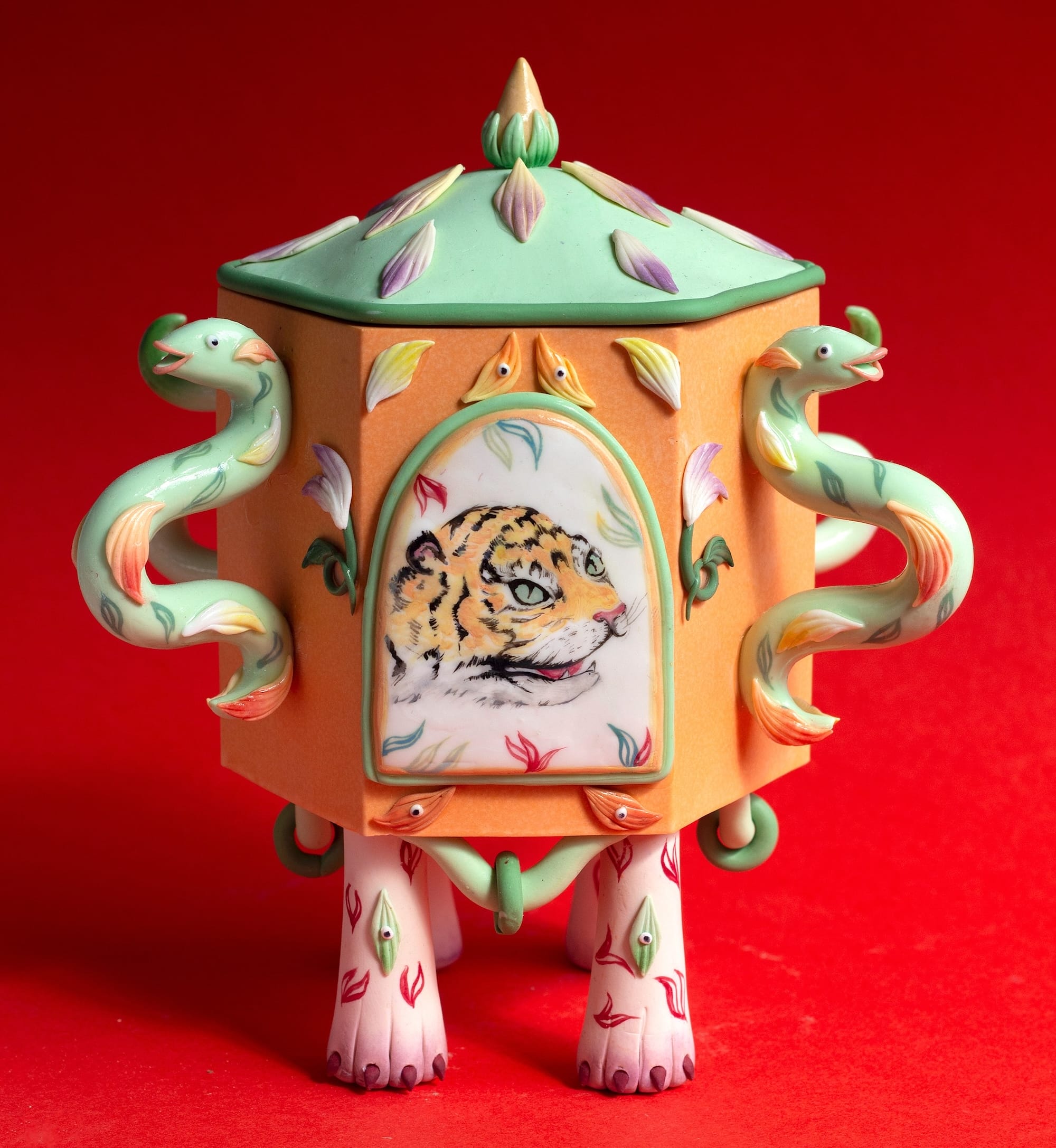
Rather than rejecting this complex history of cultural borrowing, Lim seeks to interrogate and transform it. "In my own work, I attempt to reclaim and re-imagine this practice in a more conscientious way," Lim explains in an artist statement. "My sculptures often draw inspiration from specific cultural styles or processes." By confronting the historical legacy of trade, imitation, and cultural translation, her work creates a fresh dialogue between past manufacturing trends and contemporary cross-cultural identities.
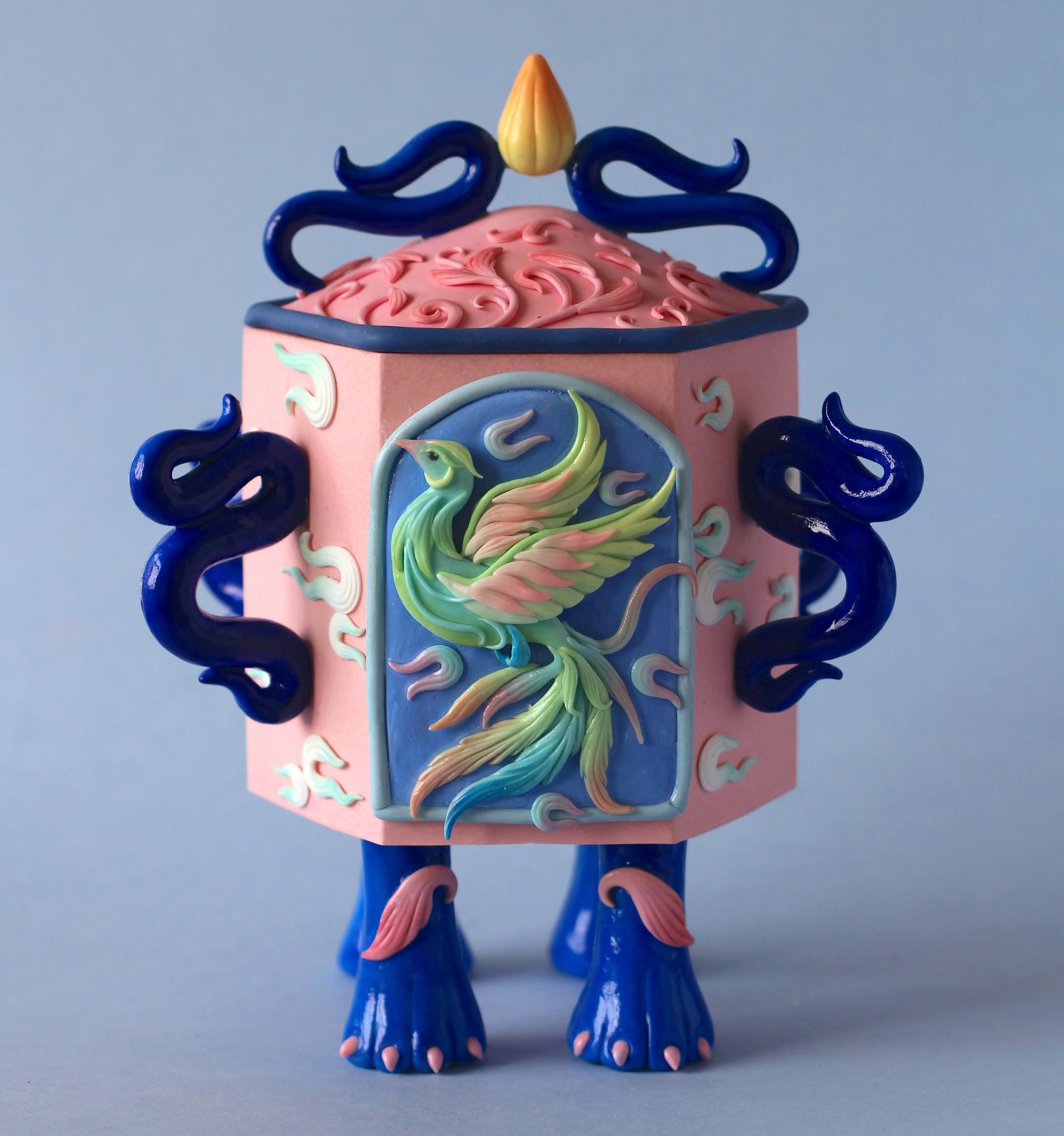
Among the historical objects that have deeply influenced Lim’s current body of work are snuff bottles, a consumer trend that emerged dynamically in China during the 17th century. The namesake substance of these vessels—snuff—originated in the Americas and consisted of a powdered, scented tobacco. Consumers used a tiny spoon attached to the bottle’s lid to scoop the substance and inhale it directly into the nose. Much like in contemporary European luxury markets, the consumption of snuff and the possession of ornate containers quickly spread among the affluent classes, becoming a status symbol and an avenue for master craftsmanship.
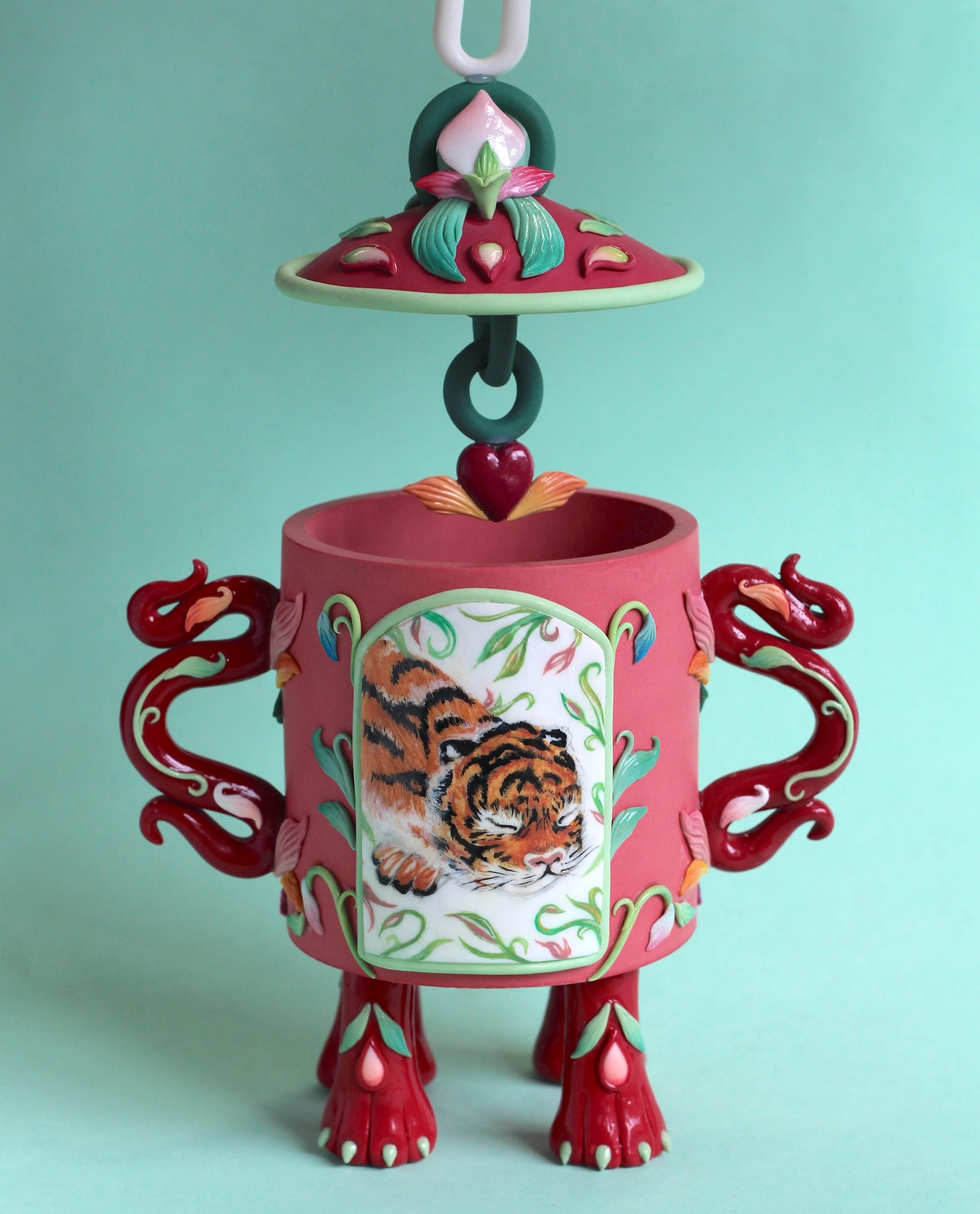
When Lim observed several historical examples of these vessels preserved in museum collections across the United Kingdom, she was immediately struck by their intricate designs, minute details, and immense variation. Fascinated by the micro-world of these historical containers, she initially began experimenting with sculpting similar motifs on a small scale. Soon, however, her creative ambitions shifted, prompting her to scale up her production and rethink the physical presence of the objects entirely.
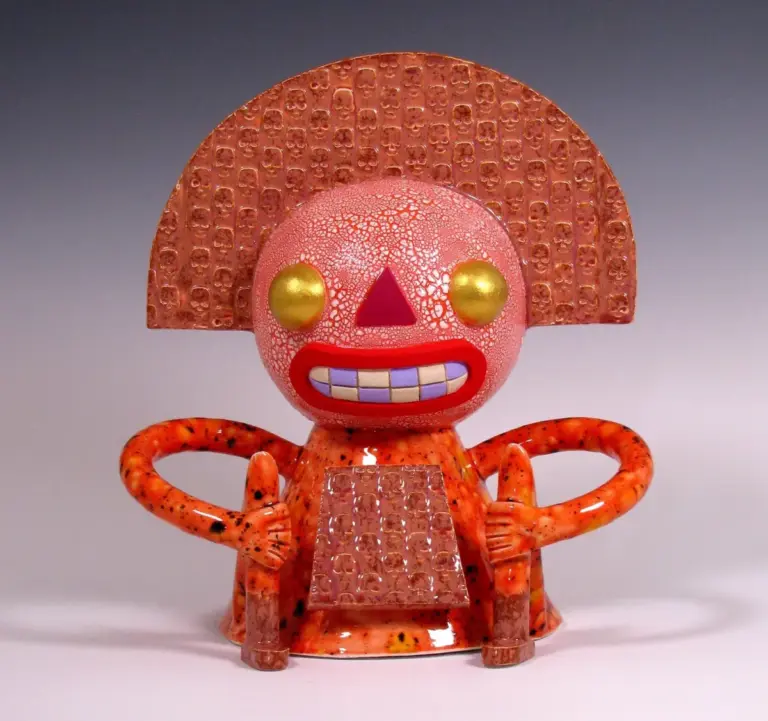
A typical historical snuff bottle is diminutive and jewel-like, traditionally measuring just a couple of inches in diameter so that it could be easily portable, held in the palm of a hand, or tucked discreetly away into a pocket or pouch. In stark contrast, Lim’s contemporary iterations stand several inches tall and generally require both hands to hold. This deliberate inflation of scale transforms an intimate, functional object into a commanding sculptural presence.
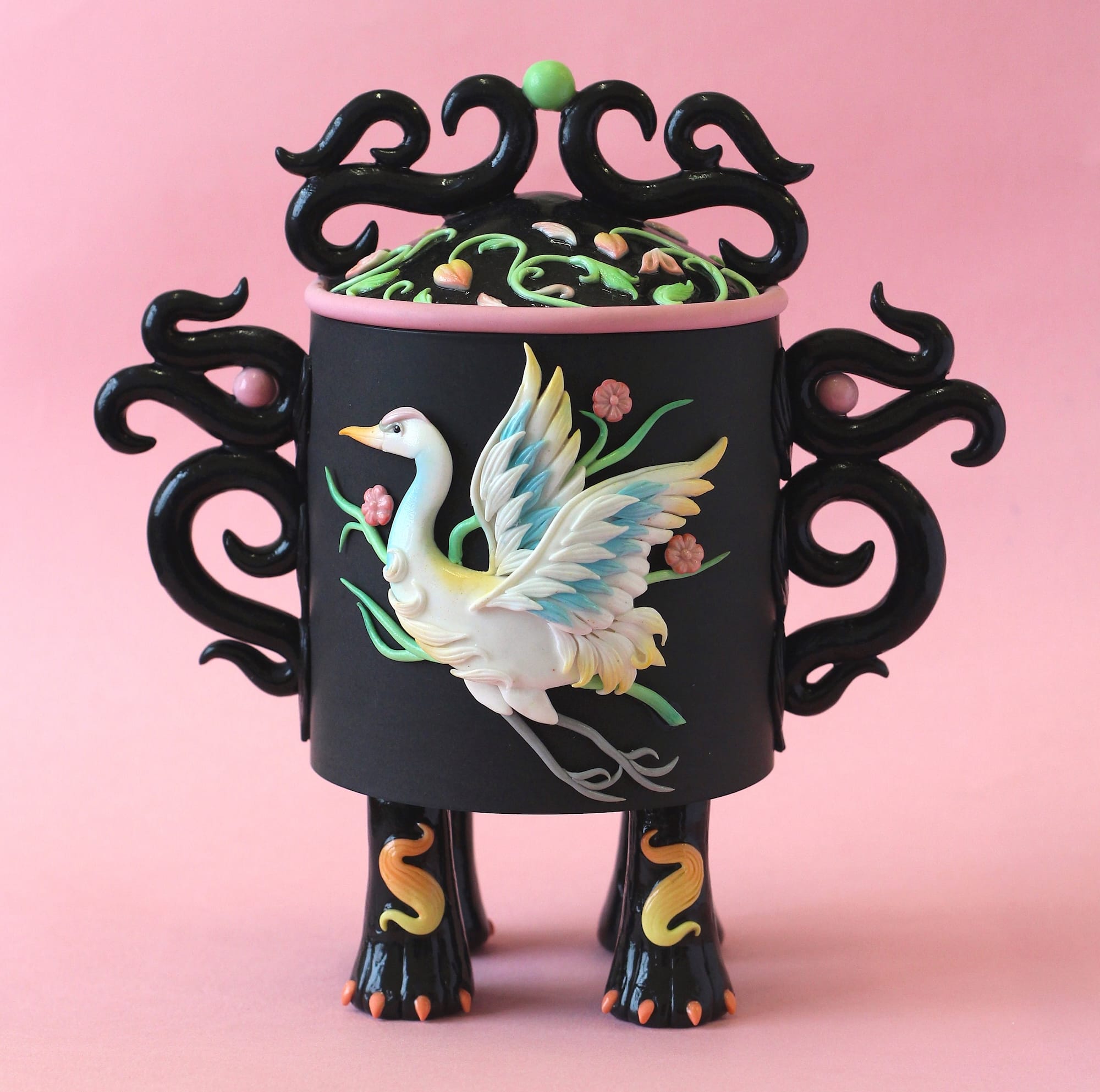
"Initially, my own snuff bottle works were designed in a way to highlight certain personal aspects of my heritage," Lim tells Colossal, reflecting on the evolution of her artistic journey. "Over time, they’ve come to reflect different points in my research." Despite their larger proportions, Lim honors the tradition of the original vessels through clever structural choices. "Each of my own snuff bottles also has a hanging charm hidden within its lid. The hanging charm references the tiny spoon attached to the lid of traditional snuff bottles."
To achieve the distinct textures, vibrant colors, and sculptural weight of her pieces, Lim relies on a meticulous fabrication process. She constructs the primary structure of her sculptures using a strategic combination of polymer clay and Jesmonite, an innovative composite casting material made by blending a mineral powder with a liquid acrylic polymer. Once the core form is shaped and cured, she applies additional layers of chalk, acrylic paint, and a glossy finish. These finishing touches bring out the rich surface details, which frequently include small, hand-painted or relief-carved portraits of animals and imaginary creatures.
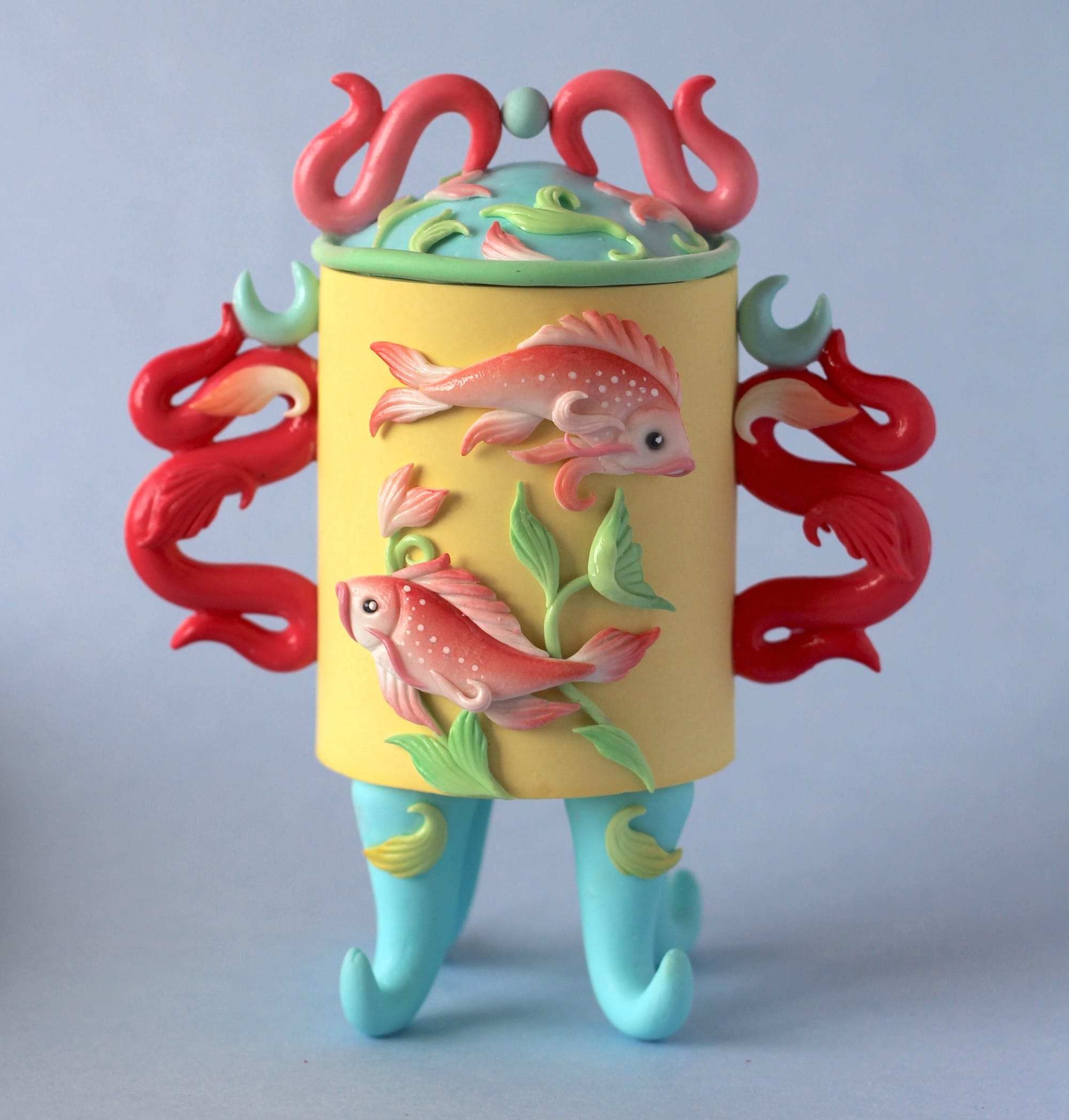
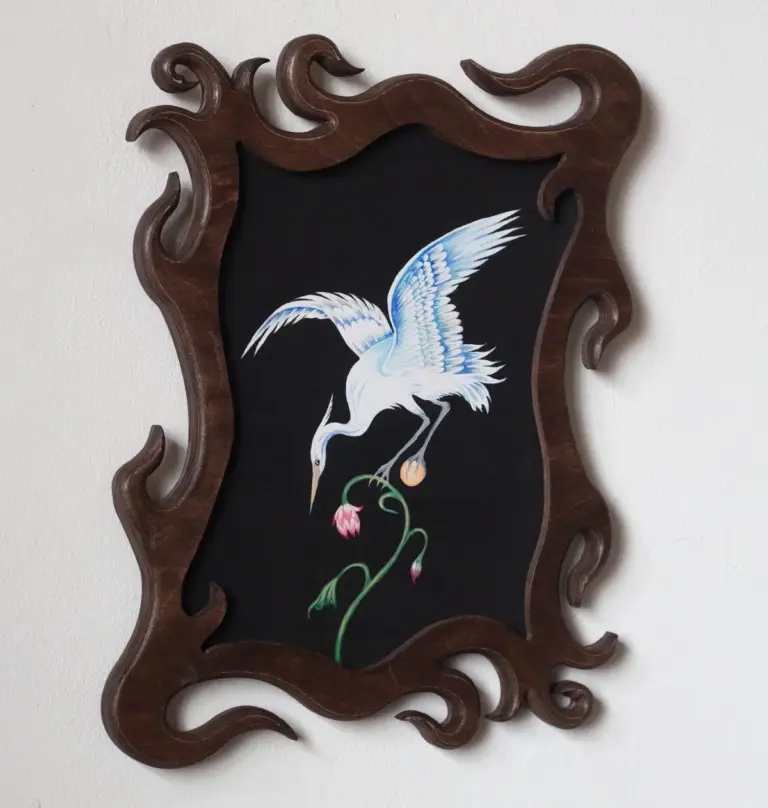
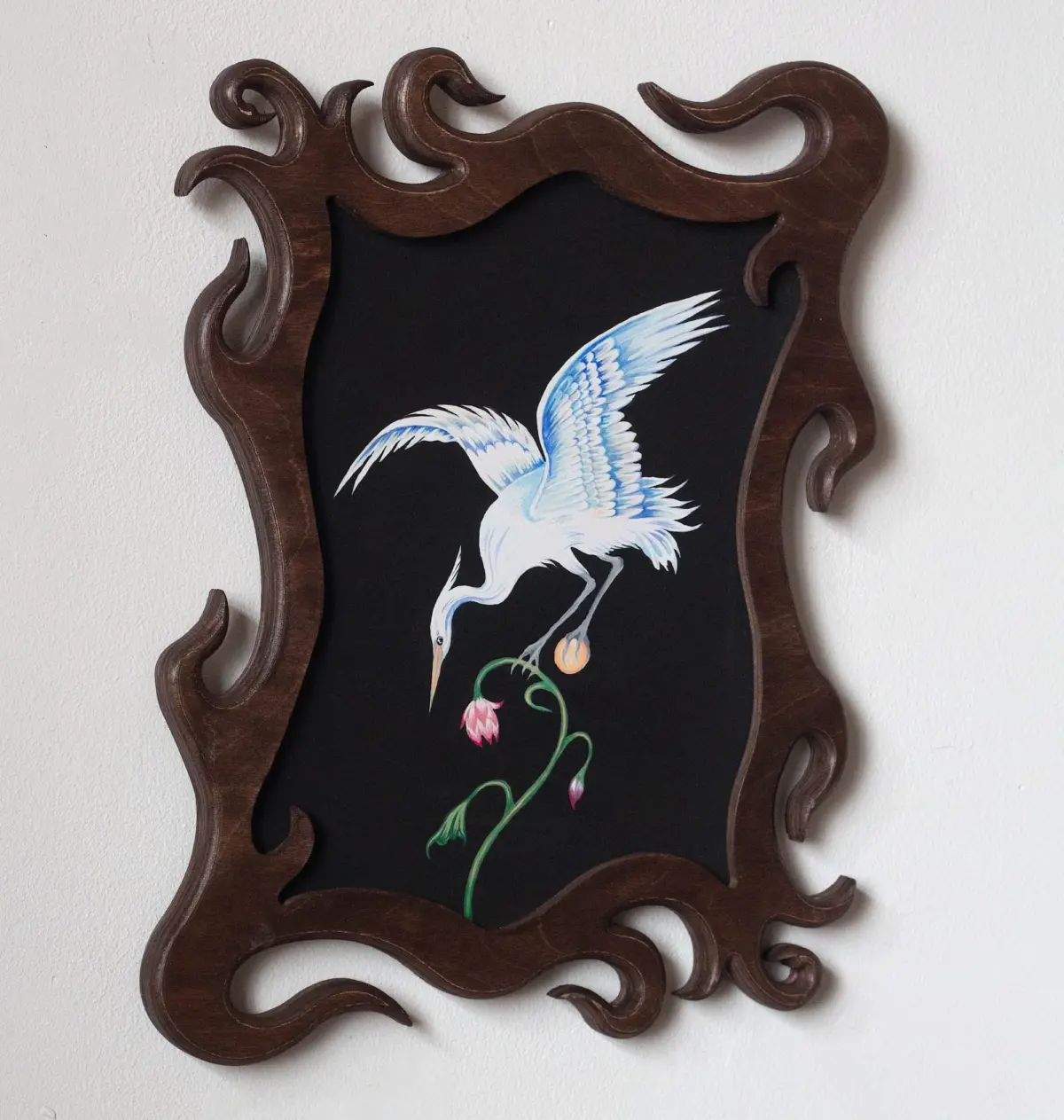
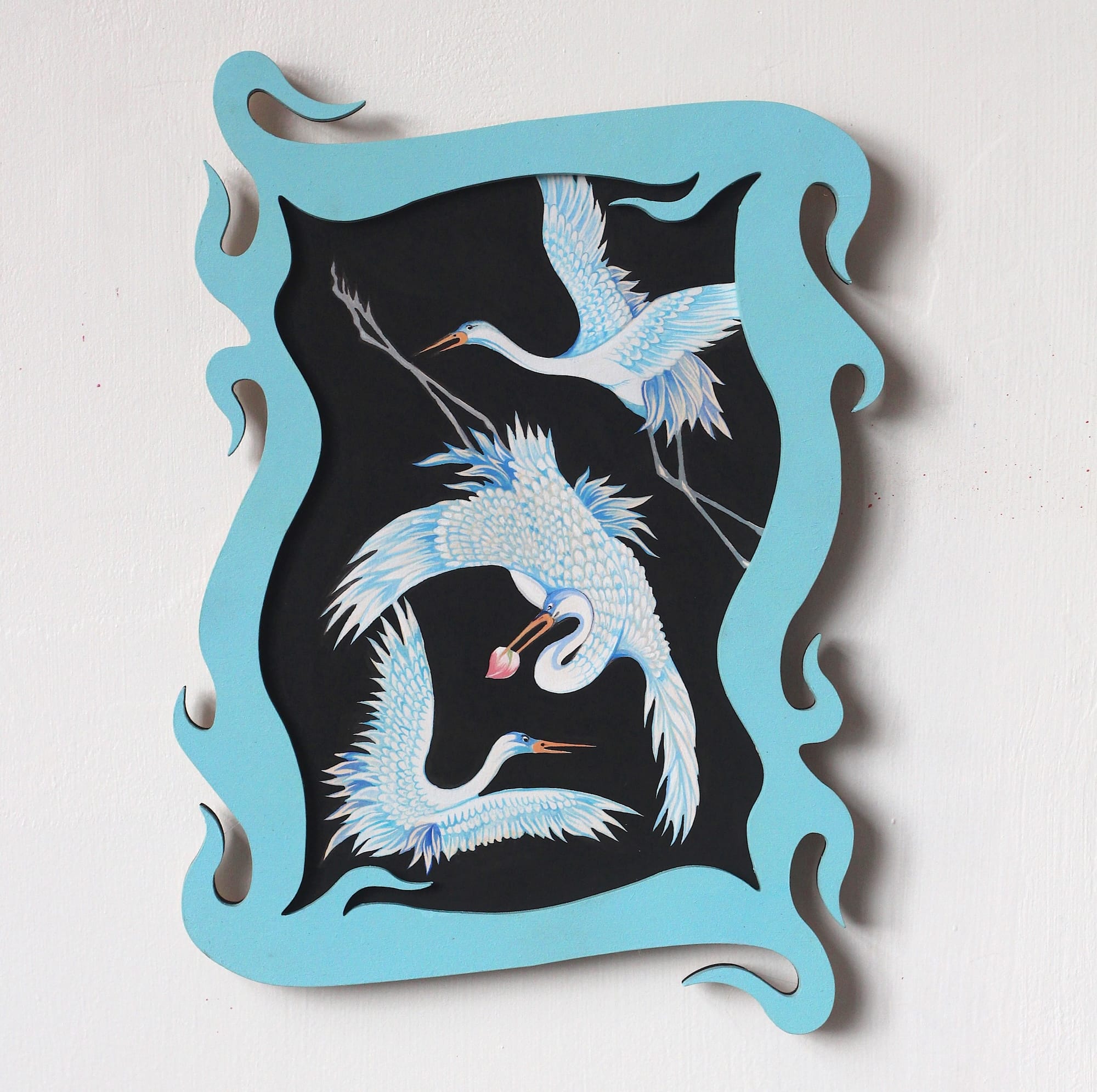
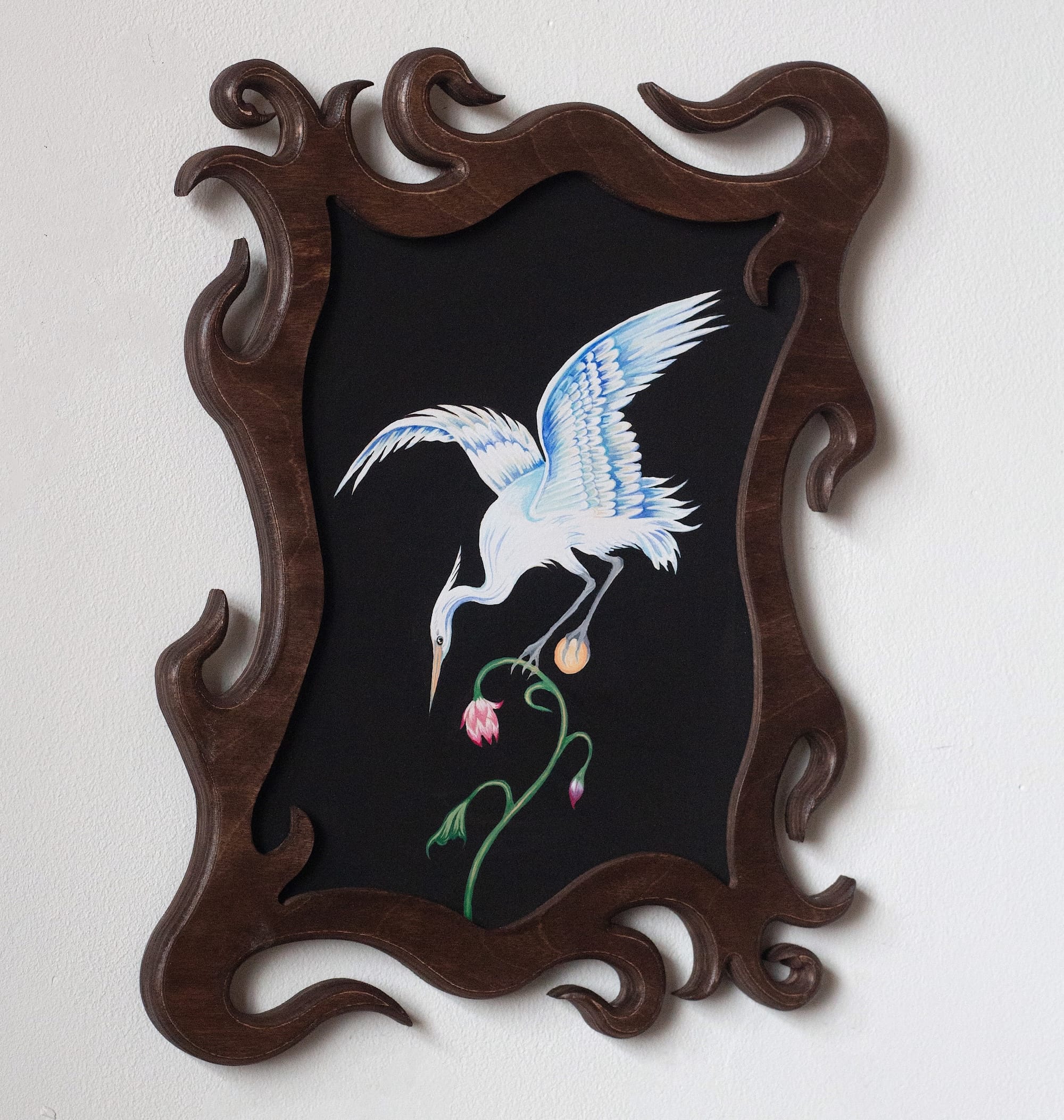
Lim’s creative well draws deeply from a wide range of mythological writings, most notably an ancient Chinese text known as The Classic of Mountains and Seas. This foundational work of early Chinese geography and myth provides a largely fantastical account detailing more than 550 mountains and 300 waterways, populated by wondrous, supernatural beasts and spirits. "I’ve been attempting to interpret the text through my work, using the enchanting alchemic descriptions of these creatures as inspiration for my most recent series of sculptures and paintings," the artist notes. Through this literary lens, figures such as the phoenix-like Fenghuang, protective tigers, and watchful cranes emerge from the historical record into tangible, modern sculptural forms.
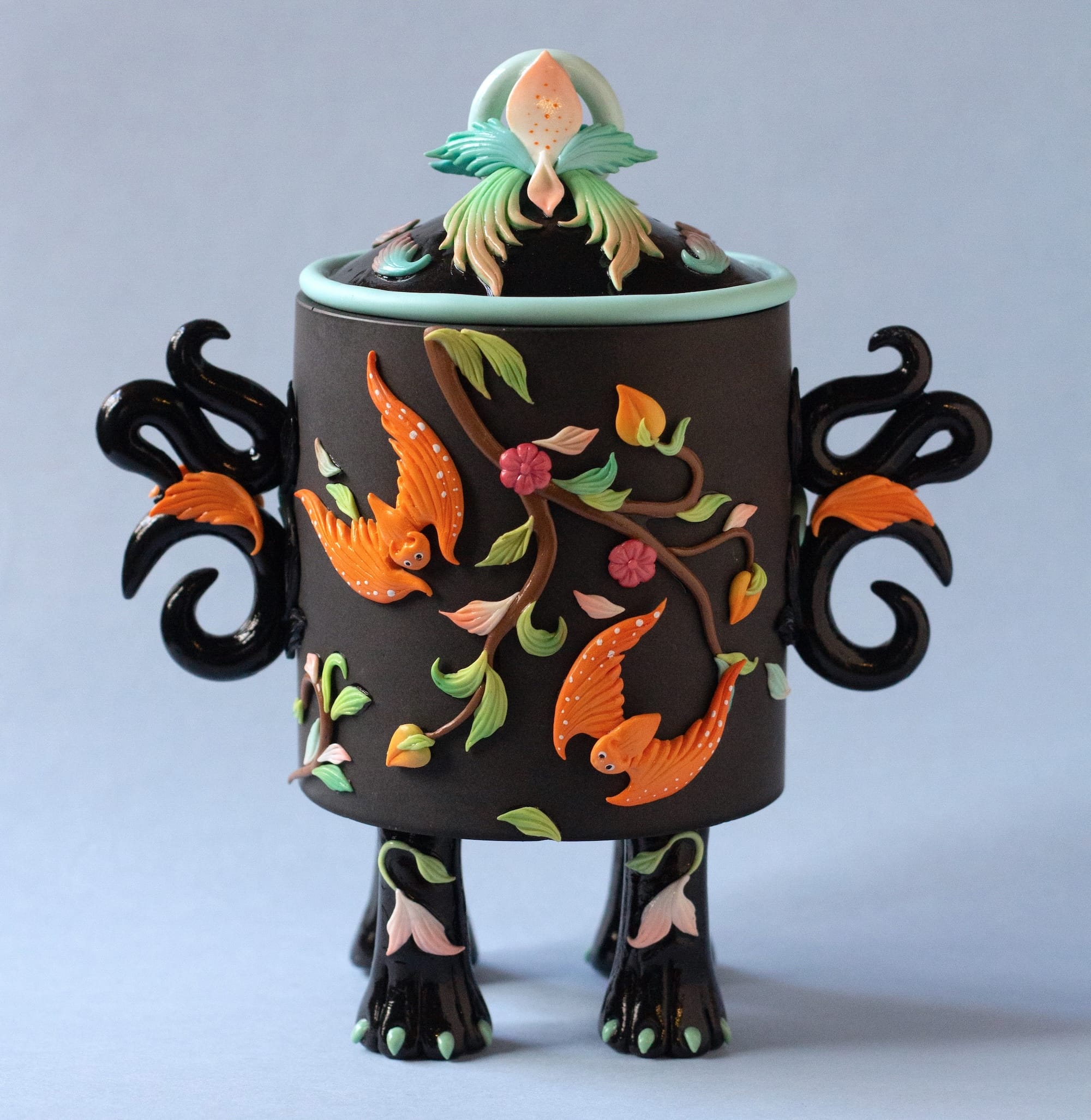
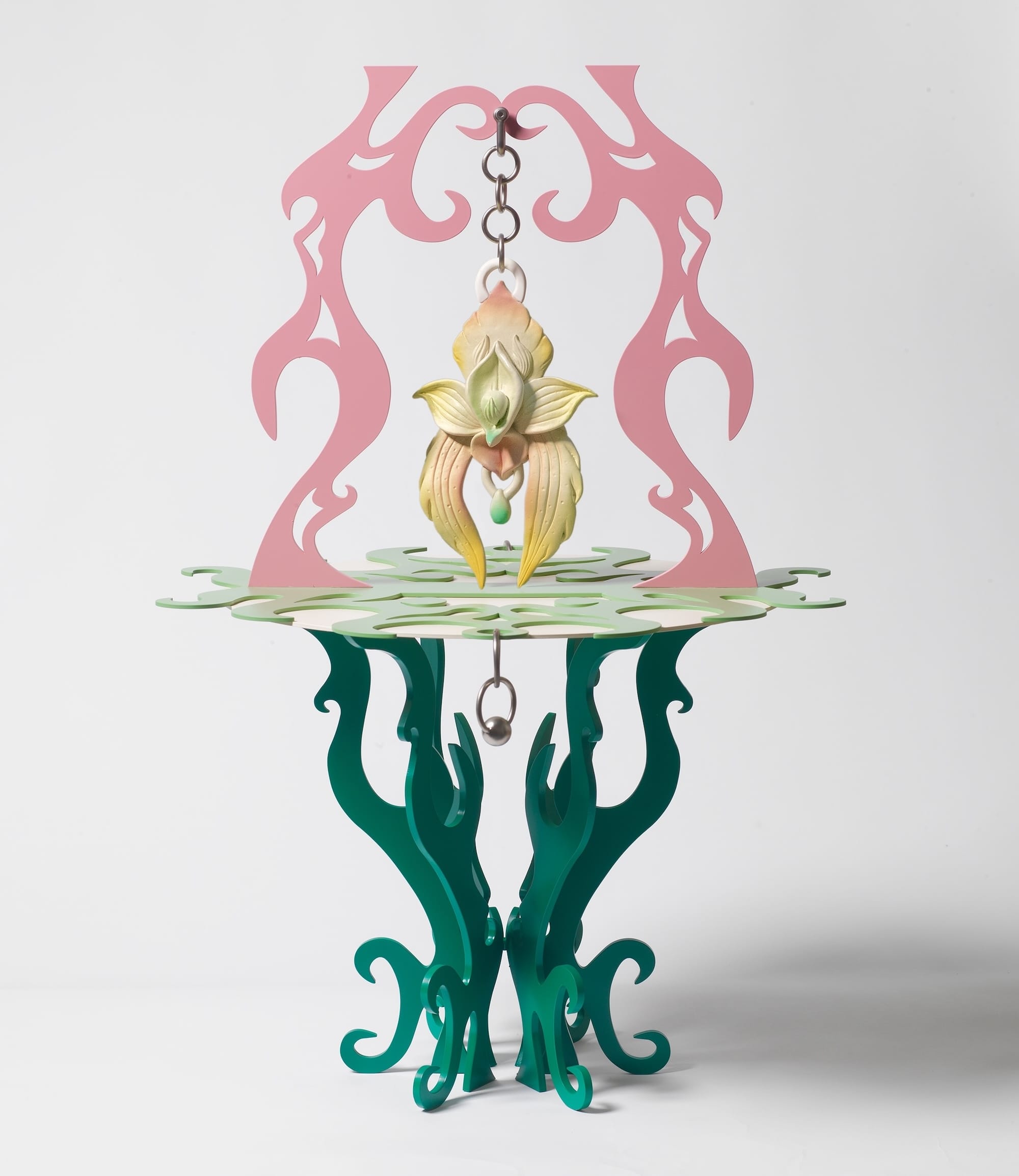
As her practice continues to evolve, Lim is actively experimenting with new scales and expanding her material palette. Recent works increasingly incorporate metal components, and pieces like the colorful, carved "Orchid Table" integrate precise laser-cut elements that push the boundaries of her traditional sculpture-making techniques. Furthermore, Lim has begun designing bespoke frames that function as physical extensions of her paintings, intending to incorporate her signature sculptural motifs directly onto the frames themselves.
For audiences and collectors wishing to experience her work firsthand, several exhibitions showcase her latest creations. In the United Kingdom, Lim’s solo exhibition Reimaginings runs through November 14 at the Museum of East Asian Art in Bath, offering a comprehensive look at her dialogue with historical craftsmanship. Later this month, she will also present selected works with the Cynthia Corbett Gallery in Paris. Looking ahead, the artist is preparing to unveil a major new public artwork in Paddington, London, later this year, bringing her imaginative reinterpretations of heritage and mythology out of the gallery and into the public sphere.