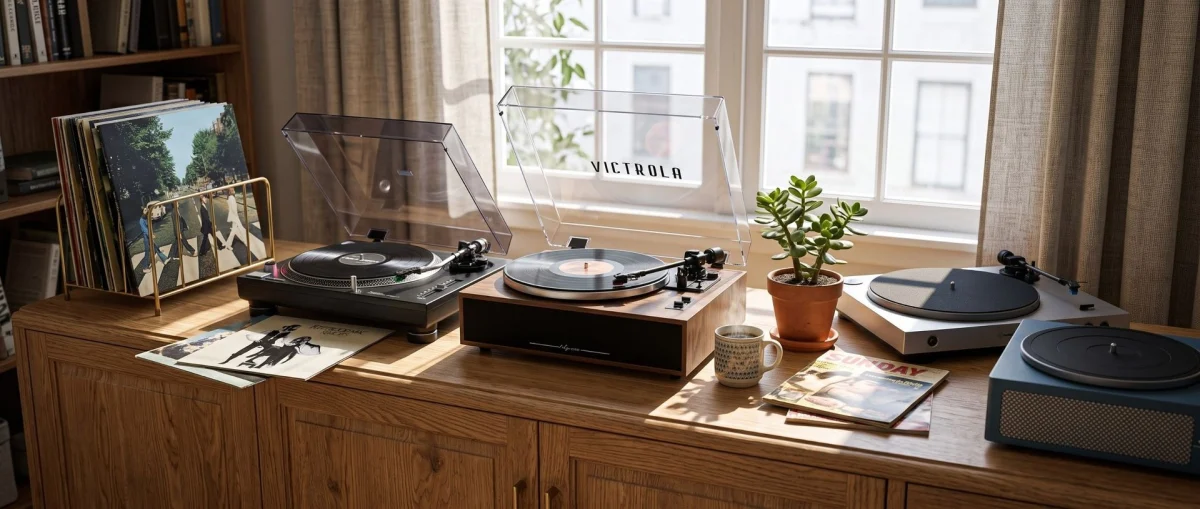
In an era dominated by the invisible convenience of the cloud, a quiet revolution is taking place on the shelves and sideboards of living rooms worldwide. As we navigate through 2026, a profound cultural shift is underway, characterized by a vibrant revival of interest in physical media. For more than a decade, the promise of the digital age was absolute convenience: millions of songs, movies, and books accessible instantly for a flat monthly fee. Yet, as the years have progressed, the initial novelty of digital abundance has given way to a distinct sense of subscription fatigue. Consumers are increasingly pining for the days before their relationship with art was mediated by recurring credit card charges, rotating licensing agreements, and the ephemeral nature of streaming libraries that can alter or vanish overnight. In this landscape of digital saturation, the vinyl record player has emerged as the ultimate symbol of resistance, offering a tangible, deliberate, and deeply satisfying alternative to the disembodied experience of the streaming algorithm.
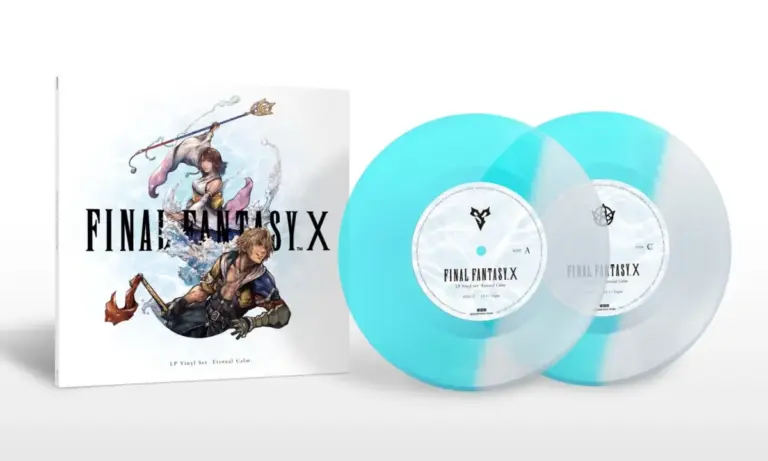
At the heart of this analog renaissance is a yearning for the tactile joy of physical interaction. In the digital realm, music has become background noise, curated by predictive algorithms designed to keep users engaged rather than truly connected to the art. Listening to music on a streaming platform requires little more than a casual swipe or a voice command, transforming masterfully crafted albums into mere data streams. Vinyl, by contrast, demands active participation. The act of sliding a record from its cardboard sleeve, admiring the large-format cover art, placing the disc onto the platter, and gently lowering the stylus onto the groove is a sacred ritual. This physical process forces the listener to slow down, sit still, and engage with the music as a cohesive body of work rather than a fragmented playlist. It transforms music consumption from a passive background activity into an intentional, immersive event.
Beyond the physical ritual, the sonic characteristics of vinyl continue to captivate both seasoned audiophiles and a new generation of listeners. While digital formats offer pristine, clinical perfection, they often lack the organic depth that defines analog recordings. Vinyl players are celebrated for providing a warmer, richer sound that digital compression simply cannot replicate. The physical limitations of the groove and the mechanical movement of the needle create a natural harmonic distortion that human ears perceive as pleasing, full-bodied, and comforting. The subtle crackle and pop of a stylus navigating the vinyl surface add a layer of intimacy and history to the listening experience, making each playback feel unique and alive. It is a sonic signature that feels human, imperfect, and profoundly authentic in a world of sterilized digital perfection.
Yet, the appeal of the vinyl revival extends far beyond the auditory and tactile realms; it is also a celebration of industrial and interior design. Modern turntables are no longer viewed merely as audio equipment to be hidden away in a cabinet; they are celebrated as beautiful pieces of functional art and central design elements within the home. The market in 2026 boasts an extraordinary array of aesthetically pleasing vinyl players that cater to every taste and decor style. For those drawn to the warmth of nostalgia, there are budget-friendly gems featuring vintage-inspired wooden chassis, brass accents, and retro controls that evoke the golden age of high-fidelity audio. Conversely, for those with a penchant for modern aesthetics, the market offers sleek, minimalist masterpieces. These contemporary turntables utilize high-end materials like brushed metals, clear acrylics, and decoupled motors, presenting clean lines and understated elegance that deliver superior sound while seamlessly integrating into modern, design-focused living spaces.
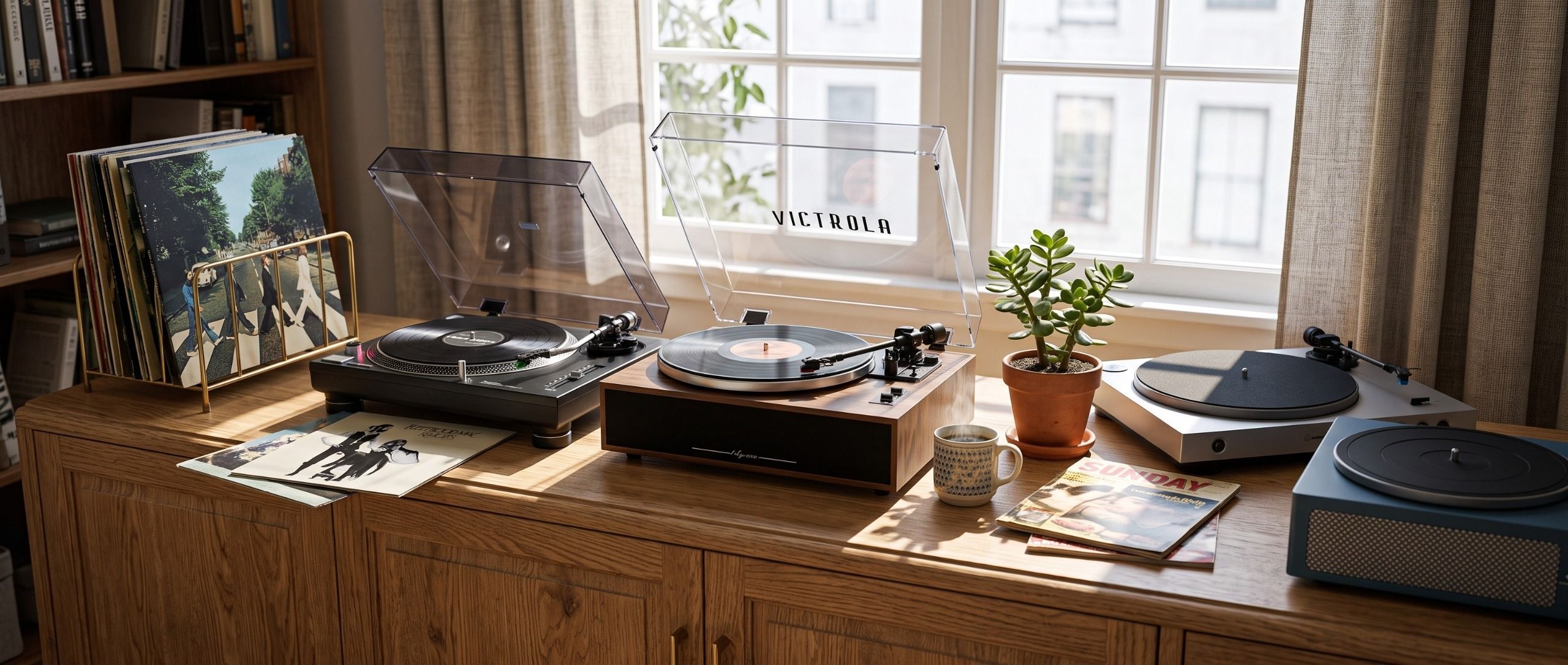
For those looking to embark on their own analog journey, there has never been a more opportune time to explore the market. While high-fidelity audio was once considered an exclusive, prohibitively expensive hobby, the democratization of turntable manufacturing and aggressive retail competition have made entry-level setups remarkably accessible. Major online retailers, most notably Amazon, are currently offering substantial discounts across a wide spectrum of vinyl players, bringing entry-level options down to prices as low as just $29. These economical options often come in the form of convenient combo units featuring built-in or bundled speakers, offering a complete, plug-and-play solution that allows beginners to experience the joy of vinyl without the complexity or expense of sourcing separate components, amplifiers, and preamps.
These highly affordable budget players serve as an inviting gateway, lowering the financial barrier to entry and allowing curious listeners to test the waters of physical media. For many, a modest investment in a basic turntable is the beginning of a lifelong passion. As listeners become more attuned to the nuances of analog sound, they often find themselves transitioning from simple, all-in-one systems to more sophisticated, modular setups. The journey from a budget-friendly starter unit to a high-end, precision-engineered audiophile turntable is one of gradual discovery, where each upgrade—whether it be a higher-quality cartridge, a dedicated phono preamp, or a superior set of speakers—reveals new layers of detail, depth, and emotion in their favorite recordings.
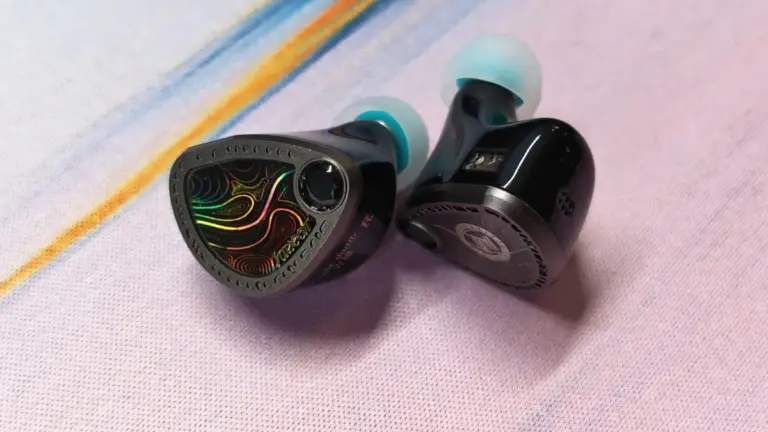
As this passion for high-quality audio deepens, many enthusiasts find themselves exploring other avenues of the audiophile world to complement their turntable setups. The quest for sonic fidelity often leads listeners to seek out dedicated personal listening equipment. For those times when room-filling speakers are not practical, a high-quality pair of headphones becomes essential to capturing the full warmth and detail of a vinyl record. Fortunately, the democratization of audio technology has also influenced the headphone market, making high-fidelity personal audio more accessible than ever. Those wishing to truly immerse themselves in the intricate nuances of their record collection without breaking the bank can find exceptional value in specialized gear, such as highly rated budget audiophile headphones, which offer an extraordinary balance of cost-effectiveness and pristine sound reproduction.
Ultimately, the resurgence of vinyl players and physical media in 2026 is a testament to the enduring human desire for connection, ownership, and sensory experience. In our haste to digitize every aspect of modern life, we temporarily overlooked the value of the physical objects that ground us. The return to vinyl is not a mere exercise in nostalgia, nor is it a rejection of modern technology. Rather, it is a conscious decision to reclaim a more meaningful relationship with the things we love. By investing in a turntable—whether it is a charming, budget-friendly $29 starter model or a luxurious, minimalist piece of high-end engineering—listeners are choosing to invest in an experience. They are choosing to support artists, to curate a personal collection of physical artifacts, and to carve out a dedicated space for beauty and sound in their daily lives. In a world that moves faster by the day, the spinning of a vinyl record remains a beautiful, comforting reminder of the power of slowing down.