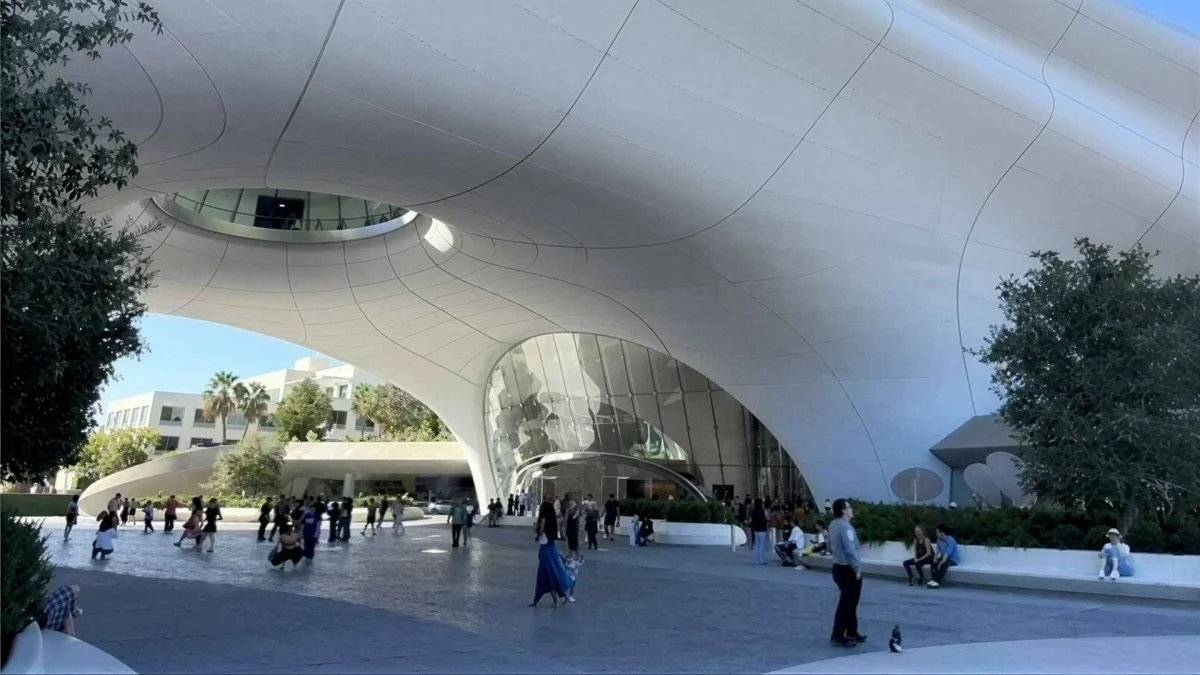
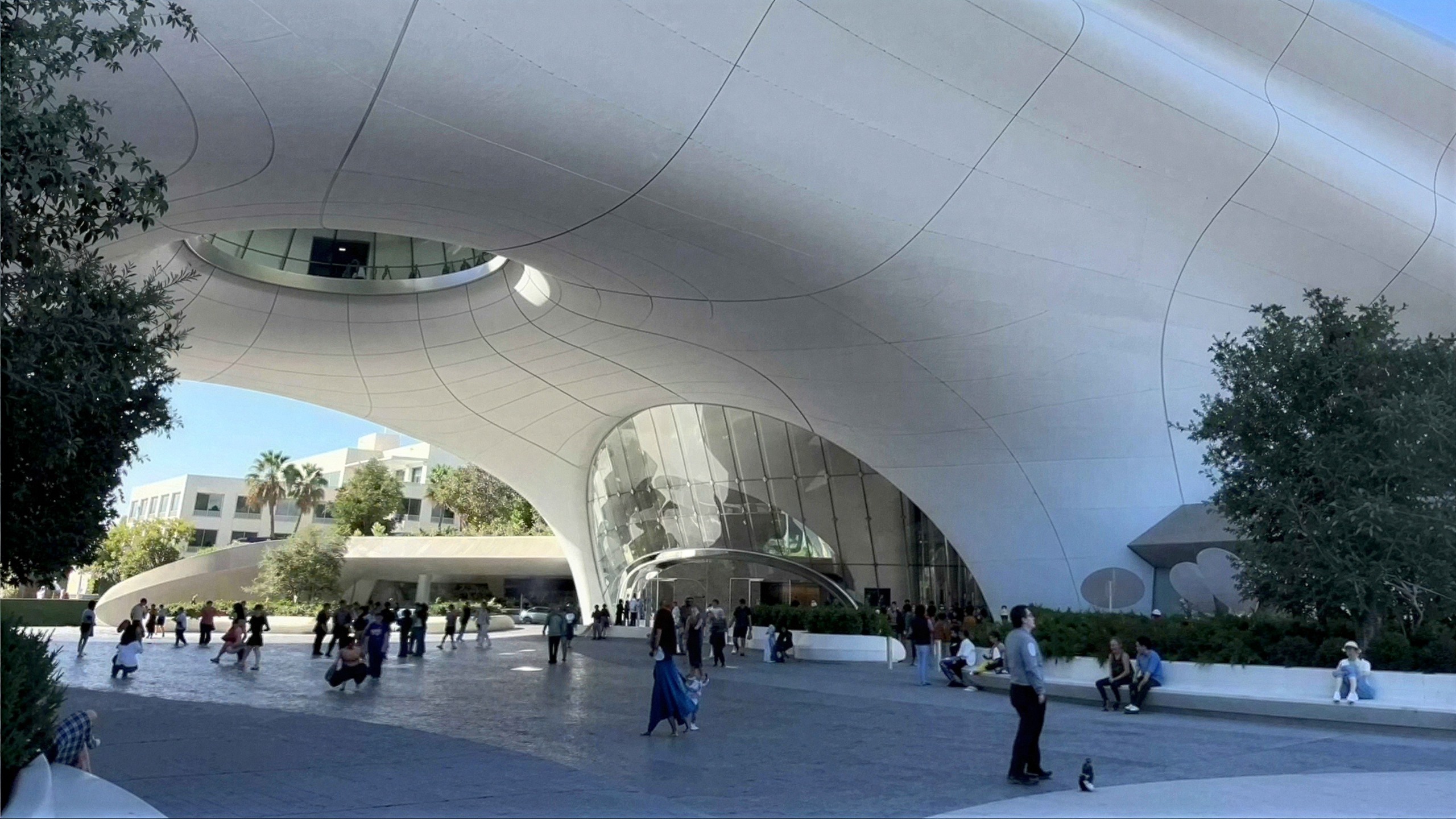
The cultural landscape of Los Angeles has received a major addition with the official opening of the Lucas Museum of Narrative Art. After facing a series of construction and planning delays that pushed its debut back from its original 2021 target, the highly anticipated institution has finally opened its doors to the public. Founded by the visionary filmmaker George Lucas and his wife, the prominent businesswoman and corporate leader Mellody Hobson, the museum represents a monumental effort to redefine how the public perceives visual storytelling.
Spanning centuries of human creativity, the museum’s collection brings together an eclectic array of works that challenge traditional hierarchies within the art world. By placing classical masterpieces and modern popular media on equal footing, the institution seeks to dismantle the long-standing boundaries that have historically separated "fine art" from commercial illustration, comic books, and digital design.
Redefining the Boundaries of Visual Storytelling
For generations, the global art establishment has maintained a strict division between high culture and popular media. Traditional oil paintings, classical sculptures, and historical portraits have long been elevated to the status of fine art, while mediums like comic books, animation, and video games have often been dismissed as commercial products or lowbrow entertainment. The Lucas Museum of Narrative Art was established to directly challenge this bias, offering a space where all forms of visual storytelling are treated with equal veneration.
This philosophical shift is central to the museum’s mission. Throughout the galleries, visitors can observe how narrative techniques have evolved over time, and how different mediums influence and inspire one another across generations. While classical oil paintings use light, shadow, and composition to convey epic historical or religious tales, modern comic artists and animators employ similar visual principles to build complex, character-driven worlds.
This inclusive approach to curation reflects a growing movement within the creative community to validate popular media as genuine art. Publications like ImagineFX have spent decades championing this cause, interviewing legendary illustrators such as Frank Frazetta and Moebius, alongside the concept artists behind cinematic milestones like Dune and Star Wars. By bringing these diverse disciplines under one roof, the Lucas Museum codifies this appreciation, offering a comprehensive look at the power of visual narrative.
The physical home of this ambitious project is located in Los Angeles, California, situated adjacent to Exposition Park. The choice of location is highly deliberate, offering excellent accessibility within a city historically criticized for its heavy reliance on automobile transportation. Over the years, Los Angeles has steadily expanded and improved its public transit infrastructure, and the museum benefits directly from these developments. Located within short walking distance of a major Metro station and serviced by multiple bus routes, the museum is highly accessible to both local residents and international tourists. For those choosing to drive, a nearby parking garage provides convenient parking, reducing the logistical friction often associated with visiting major cultural institutions in the metropolitan area.
Entering the Library and learning something new
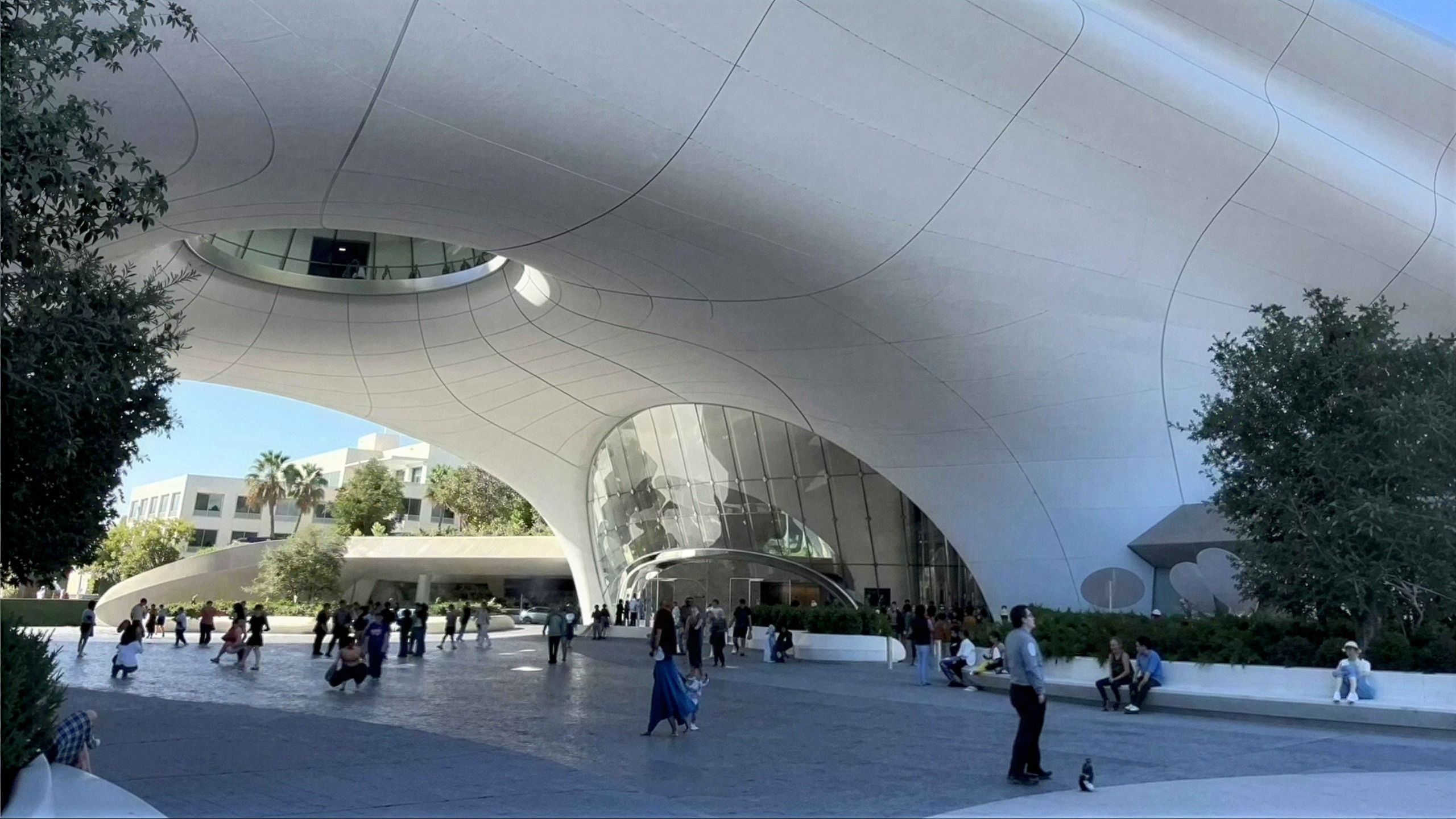
The museum’s campus is divided into two striking, futuristic architectural structures. On the left sits the educational center, which is anchored by a massive, three-floor Research Library. On the right is the main pavilion, which houses the museum’s extensive public galleries. While the galleries require visitors to purchase tickets in advance due to high demand and limited daily capacity, the ground floor of the Research Library is completely free and open to the public, serving as a welcoming community space for learning and discovery.
The ground floor of the library is dedicated to literature that directly informs the art and artists featured in the main galleries. The shelves are filled with a vast and diverse selection of volumes, ranging from rare monographs to beautifully produced coffee table books. Among the notable titles available to visitors is A Day in the Life of America, a seminal photographic project compiled by Rick Smolan and David Elliot Cohen. The book’s deep blue cover, depicting a nighttime scene, evokes the rugged, mythic qualities of the American West—a theme that heavily influenced early Hollywood storytelling. Nearby, visitors can explore Alice A. Carter’s The Red Rose Girls: An Uncommon Story of Art and Love, a biography featuring a vibrant, floral cover that details the lives and careers of several influential female illustrators working at the turn of the 20th century.
These publications serve as visual and intellectual entry points, encouraging visitors to sit, read, and reflect on the historical context behind the art on display. The library is designed to be highly interactive, operating on an honor system where guests are encouraged to browse the collection freely and return the books to their shelves when finished.
The upper levels of the library hold even more specialized collections, though access to these floors is currently restricted. The second floor houses the Skywalker Ranch Library, a legendary collection of research and worldbuilding materials that George Lucas and his fellow filmmakers consulted during the creation of some of modern cinema’s most famous franchises. The third floor contains a massive donation of approximately 3,000 art books contributed by the celebrated actor and art collector Steve Martin and his wife, Anne Stringfield. Together, these floors represent an invaluable resource for scholars, artists, and researchers, highlighting how diverse sources of inspiration can fuel the creative process.
Going into the gallery
Crossing over to the main pavilion, visitors enter the museum’s expansive gallery spaces, which are organized to take guests on a chronological and thematic journey through the history of visual narrative.
The journey begins on the first floor with an exhibition titled "The History of Narrative Art: Heroes, Myths, the Sacred." This opening showcase features a selection of classical fine art, including high-quality reproductions of legendary masterpieces such as Rembrandt’s The Night Watch and the famous Portrait of Henry VIII. While this initial gallery presents a highly traditional museum experience, it establishes a historical baseline, showing how early artists used portraiture and grand historical scenes to communicate power, divinity, and cultural mythology to the public.
The exhibition takes a dramatic and visually diverse turn on the second floor, where the galleries are organized by genre rather than strict historical chronology. Here, visitors can explore dedicated wings focused on fantasy, the Wild West, and science fiction. The floor also features specialized galleries highlighting the work of individual master illustrators, such as N.C. Wyeth and Norman Rockwell, whose detailed depictions of American life helped define the visual identity of the 20th century. By categorizing the artwork by genre, the museum allows visitors to easily navigate the collections based on their personal interests, creating a more engaging and customizable experience.
One of the most popular areas on this floor is the Manga and Pop Culture Gallery, which focuses primarily on vintage and seminal works rather than contemporary commercial releases. The gallery showcases original artwork and production materials from groundbreaking Japanese properties like Astro Boy, Akira, and the influential tokusatsu series Kamen Rider.
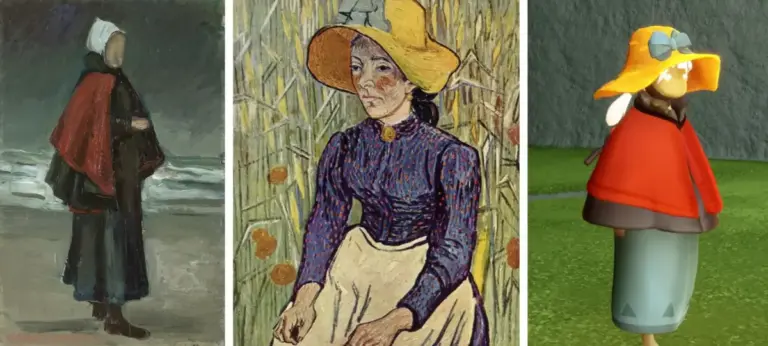
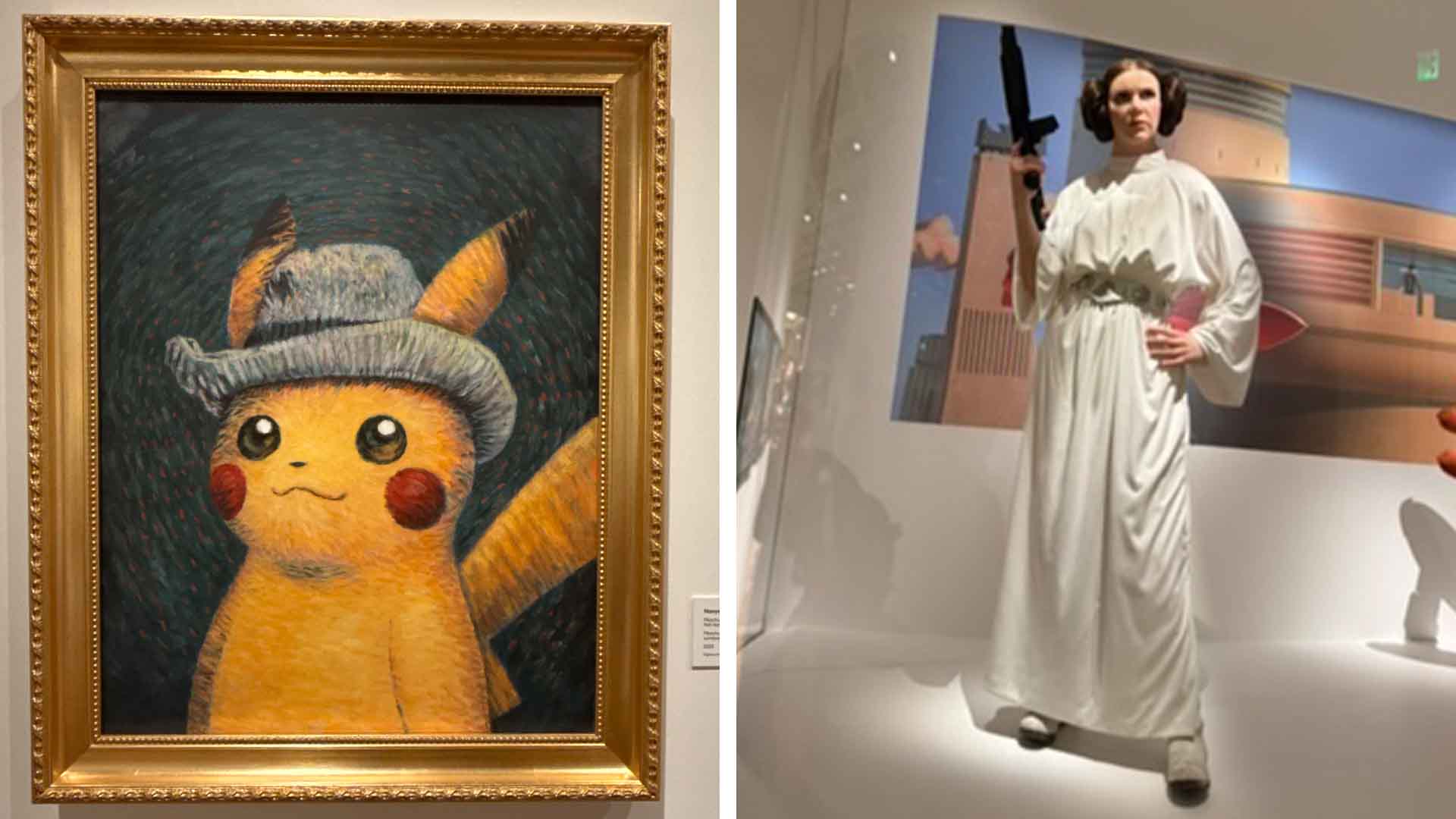
A major highlight of this section is Naoyo Kimura’s self-portrait of Pikachu wearing a grey felt hat. Originally created in 2023 as part of a highly publicized collaboration between the Pokémon Company and the Van Gogh Museum in Amsterdam, the painting serves as a perfect bridge between classical post-impressionism and modern pop culture. The piece also carries a unique contemporary cultural resonance, reminding visitors of the intense global frenzy and secondary-market speculation that surrounded the release of the limited-edition promotional trading card based on the painting.
The centerpiece of the entire second floor, however, is the dedicated Star Wars gallery. As the only exhibition space in the museum that consistently draws enough crowds to require a managed queue, the gallery offers an unparalleled look at the artistic development of one of the most successful film franchises in history.
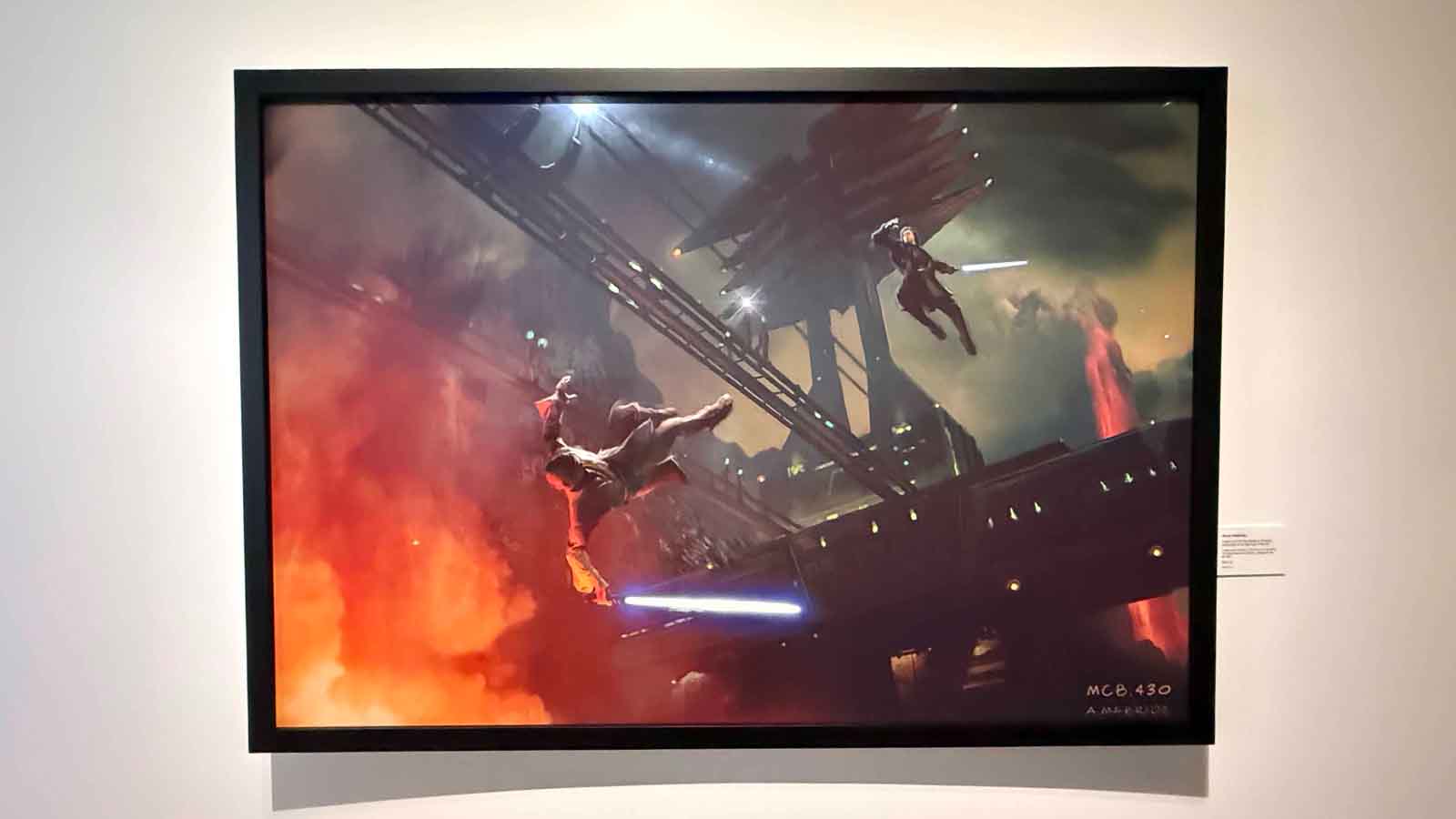
The gallery is filled with original paintings, sketches, and digital art spanning every era of the saga. Among the most historically significant pieces on display is the original trilogy concept art created by Ralph McQuarrie, whose distinct visual style established the retro-futuristic aesthetic of the Star Wars universe. The collection also includes dramatic production art by modern VFX artists, such as Aaron McBride’s atmospheric depiction of the climactic duel between Anakin Skywalker and Obi-Wan Kenobi on the volcanic planet Mustafar from Revenge of the Sith.
In addition to two-dimensional artwork, the Star Wars gallery features several detailed three-dimensional costume displays and sculptures. These include John Mollo’s iconic, utilitarian costume design for Princess Leia in The Empire Strikes Back, as well as Trisha Biggar’s imposing Darth Vader suit from the prequel trilogy. Another standout piece is Doug Chiang’s dynamic sculpture of Darth Maul mounted on a Sith Speeder from The Phantom Menace, a design that perfectly captures the menacing, high-speed energy of the character’s introduction to audiences in 1999.
Ultimately, the Lucas Museum of Narrative Art succeeds because it avoids becoming a self-indulgent monument to its founder’s cinematic legacy. While the Star Wars and Lucasfilm collections are undoubtedly major draws, they represent only a small fraction of the museum’s incredibly diverse holdings. By showcasing classical masters alongside comic book illustrators, manga artists, and cinematic concept designers, George Lucas and Mellody Hobson have created a unique cultural institution that honors the universal human desire to tell stories through pictures.