The process of translating classic art into a modern interactive medium requires a delicate balance of technical innovation and historical reverence. For the development team at thatgamecompany, this challenge became the defining focus of their latest endeavor: the Dear Van Gogh season for their acclaimed multiplayer game, Sky: Children of the Light. Now available across PlayStation 5, Nintendo Switch, PC via Steam, iOS, and Android, the season invites millions of players to step inside, walk through, and fly across some of the most celebrated paintings in human history.
To bring this ambitious vision to life, the developers had to solve numerous artistic and engineering puzzles. Yingxian Lu, Content Producer at thatgamecompany, recently shared insights into how the team navigated these challenges—from running meticulous brushstroke simulations to orchestrating a massive, shared multiplayer finale inspired by The Starry Night.
Which Paintings Can Be Levels?
Transforming static, two-dimensional oil paintings into navigable, three-dimensional spaces is not a straightforward task. While some of Vincent van Gogh’s works naturally lend themselves to exploration, others present significant design hurdles.
"If the painting is a natural landscape, it’s more straightforward to translate into a 3D environment," Lu explains. However, limiting the season solely to landscapes would have meant ignoring vast portions of Van Gogh’s diverse catalog, which includes intimate portraits, botanical studies, and domestic scenes. The team was determined not to discard these iconic subjects simply because they posed a greater technical and spatial challenge.
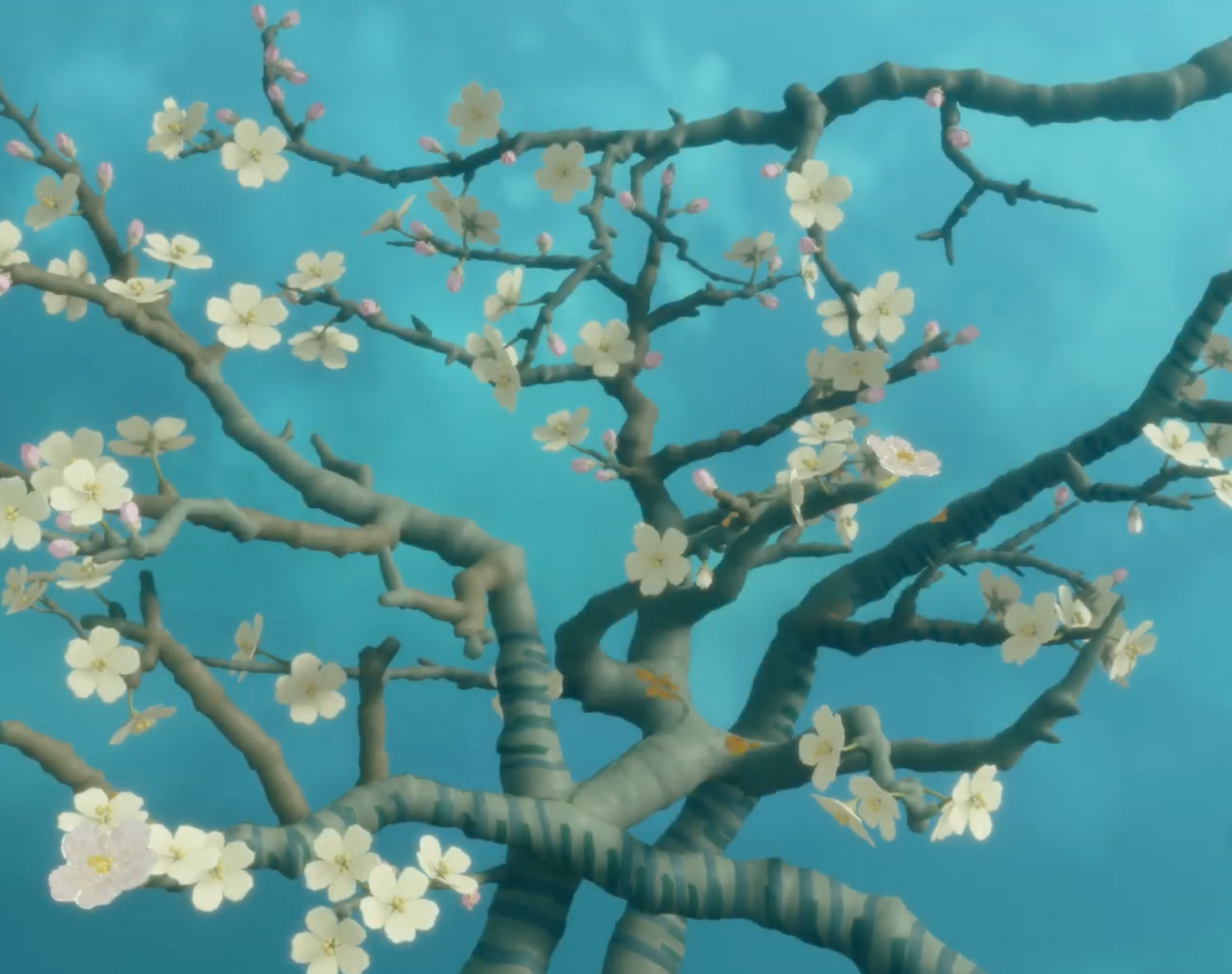
This determination led to creative design solutions. For instance, Almond Blossoms was reimagined as an enormous, towering tree. By scaling down the player characters—rendering the game’s avatars roughly the size of the delicate blossoms themselves—players were given the freedom to traverse the branches. The result, according to Lu, is an experience that feels "surreal but also very dreamy and poetic."
Conversely, works like Van Gogh’s famous self-portraits required an entirely different conceptual framework. "Having avatars jump across Van Gogh’s face obviously didn’t feel appropriate," Lu notes. To resolve this, the self-portrait was woven directly into the narrative. Within the game, a character representing Van Gogh is depicted painting himself, utilizing a mirror placed on his canvas. The camera dynamically pushes in on the canvas, eventually pulling back to reveal the completed portrait, maintaining the dignity of the subject while keeping the player engaged.
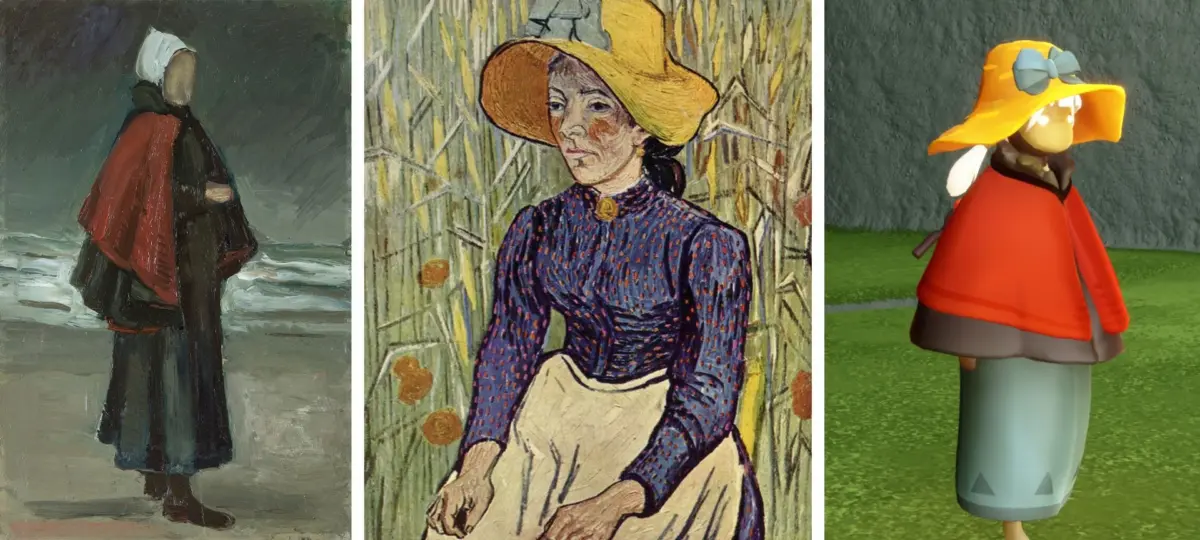
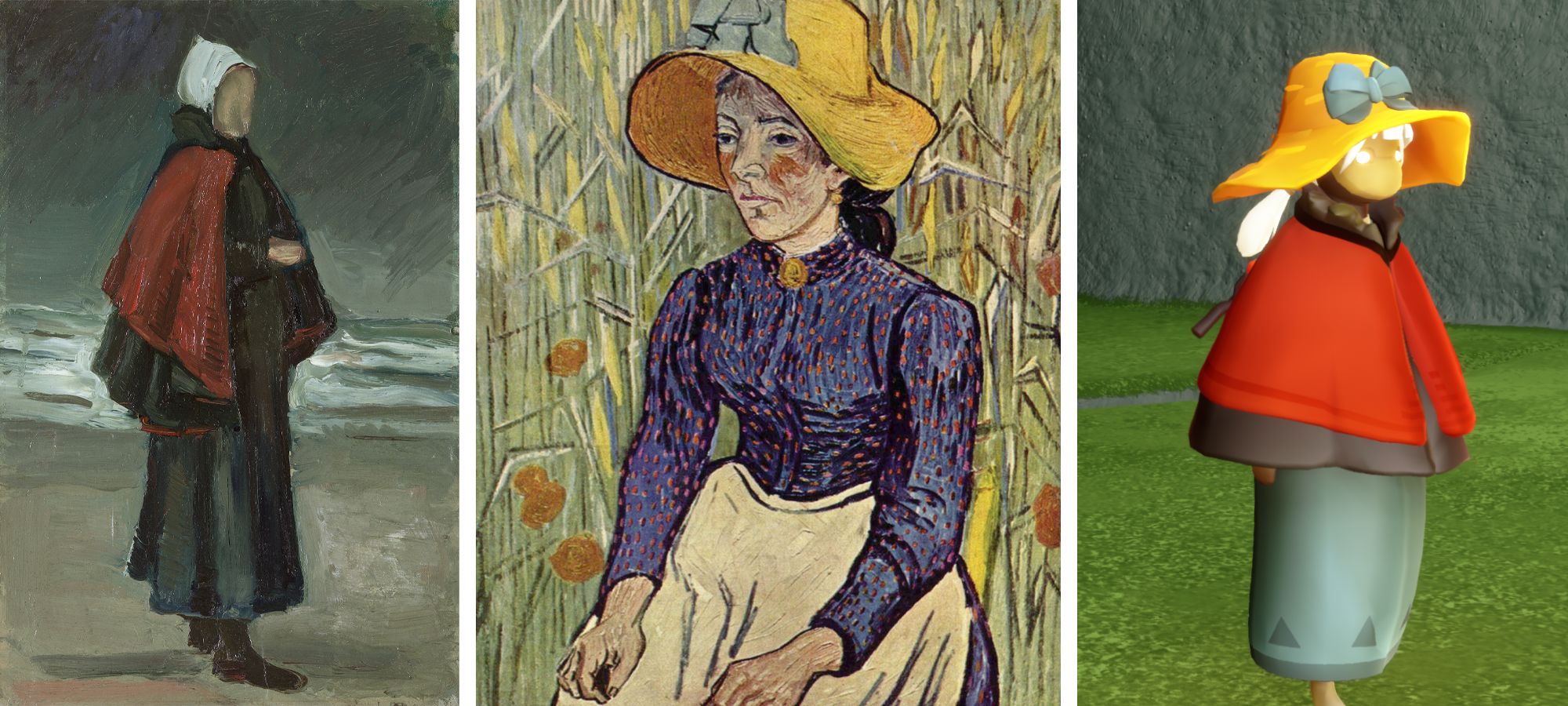
The human figures populating Van Gogh’s artwork were also integrated into the game’s reward systems. Characters from paintings such as Fisherman’s Wife on the Beach and Peasant Woman Against a Background of Wheat inspired in-game cosmetics. Players can acquire outfits, including the postman’s signature hat and suit, allowing them to dress as 19th-century figures and fully immerse themselves in the historical atmosphere.
Brushstrokes First, Story Later
Before establishing the narrative arc or finalizing gameplay mechanics, the development team prioritized perfecting the game’s visual engine. The aesthetic representation of Van Gogh’s signature post-impressionist style was considered the project’s most critical element.
"The visual identity of the project was so crucial that we wanted to make sure we could achieve the look we were aiming for before committing to the project," Lu says. "And we did!"
Lu credits the studio’s graphics engineers and 3D environment artists with executing the core development work. Her role involved defining the overarching visual objectives and coordinating the various creative teams. The collaboration resulted in a proprietary tool that allows artists to dynamically adjust the color, thickness, and size of individual digital brushstrokes, applying them directly onto the game’s 3D models.
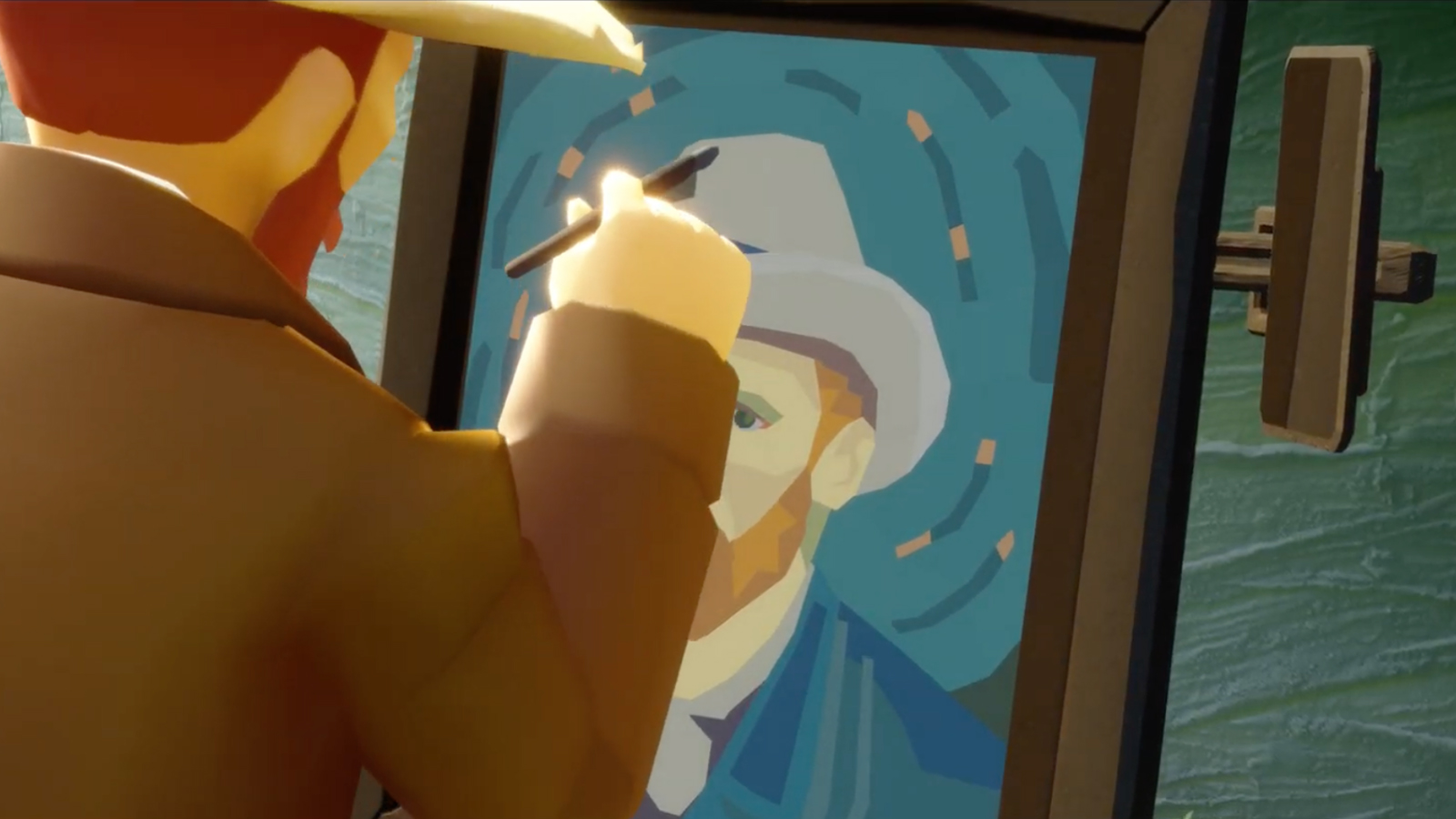
This system underwent numerous iterations, with engineers continuously adding features to enhance visual fidelity. Among these was "museum light," a rendering feature designed to simulate how physical gallery lighting interacts with textured paint. This lighting model casts subtle highlights and shadows over uneven digital brushstrokes, creating a much more convincing sense of tactile depth.
Additionally, the team implemented a gyroscopic effect for mobile devices. As players tilt their phones or tablets, the lighting highlights shift dynamically across the virtual canvas—a feature Lu notes can only be truly realized and experienced through the medium of video games. When reflecting on the project’s development, Lu identifies the creation of this complex brushstroke system as the team’s single greatest technical limitation and triumph.
When the Painting Is the Concept Art
In typical game development pipelines, 3D environments are built based on stylized concept art drawn by in-house illustrators. For the Dear Van Gogh season, this workflow was reversed. "The paintings themselves were the concept art, and very much what the 3D environments started from and referenced," Lu explains.
This reversal introduced unique challenges, particularly regarding color accuracy. Digital reproductions of Van Gogh’s masterpieces found online vary wildly in contrast, saturation, and color temperature. To establish an accurate baseline, thatgamecompany sent team members to physically visit museums across Europe and the Museum of Modern Art (MoMA) in New York to capture high-resolution photographs of the original canvases. The concept art team then used these firsthand photographs to color-correct their digital reference files, providing the 3D artists with an authentic palette.
Historical accuracy also extended to the architectural design. The team researched 19th-century architecture in the Netherlands and France, gathering structural data to rebuild the famous bedroom in Arles exactly as it existed. However, because the gameplay required space to explore beyond the bedroom, the Yellow House, and the local café, concept artists had to imaginatively expand the town. They designed surrounding buildings and residential streets in keeping with the period’s style, ensuring Arles felt like a living, breathing community.
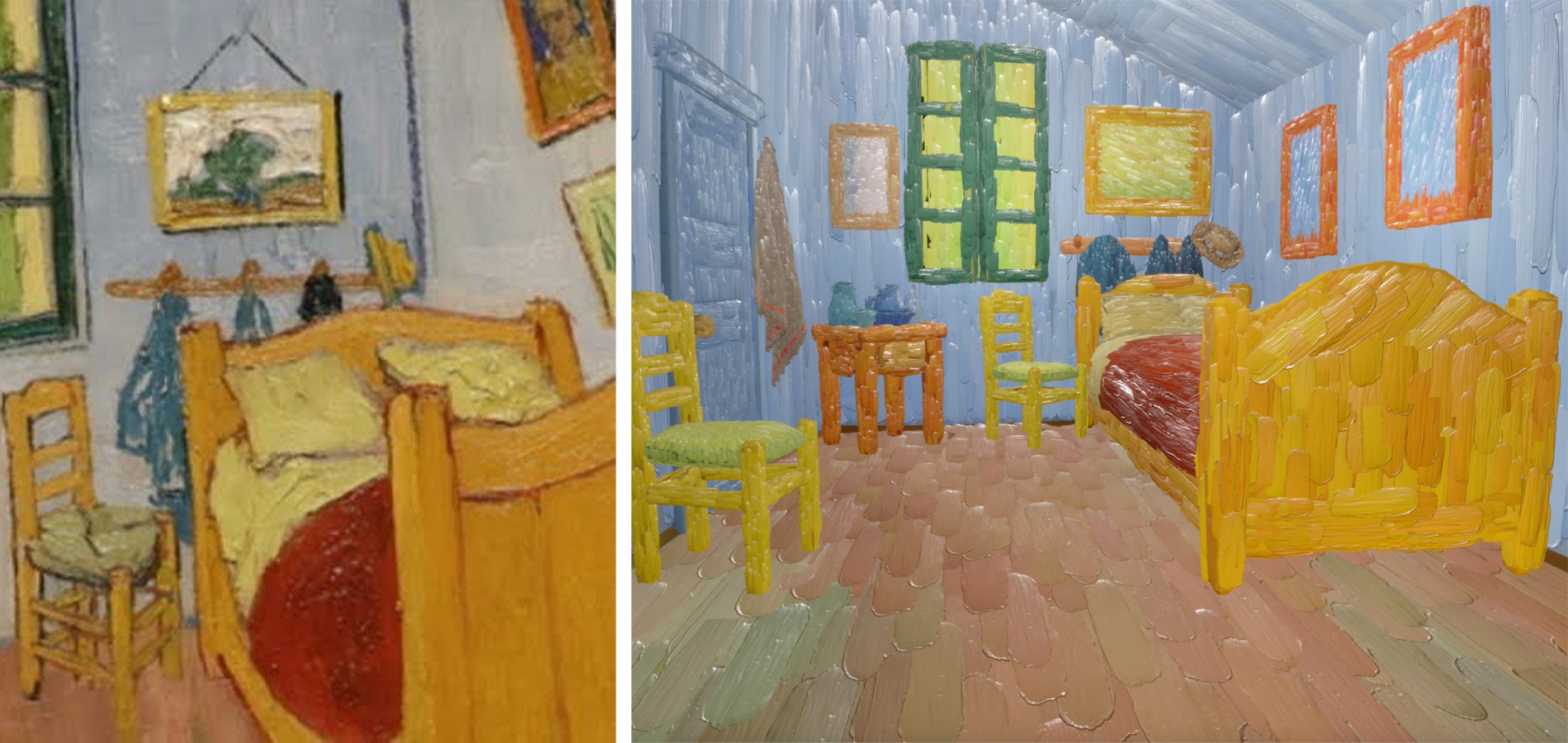
Recreating the lighting of these spaces required a complete departure from standard rendering techniques. The painting of Van Gogh’s bedroom is notably bright and evenly lit, defying realistic interior shadows. To capture this specific aesthetic, the team had to place far more virtual light sources in the scene than usual.
"We couldn’t just look at the painting as a reference for the environment itself," Lu observes. "We also had to think about what created the particular atmosphere of the painting, and then figure out how to recreate that atmosphere with the tools and limitations of a real-time game."
Almond Blossoms and the Limits of the Tree
Of all the paintings adapted for the season, Almond Blossoms proved to be the most challenging to translate into a cohesive level. The initial design concept called for an immense tree that players could scale and explore using the game’s platforming mechanics. Balancing gameplay accessibility with artistic fidelity required extensive testing.
"We wanted the experience to be fun, the navigation to feel intuitive, and we wanted the frame to look as close to the painting as possible," Lu says.
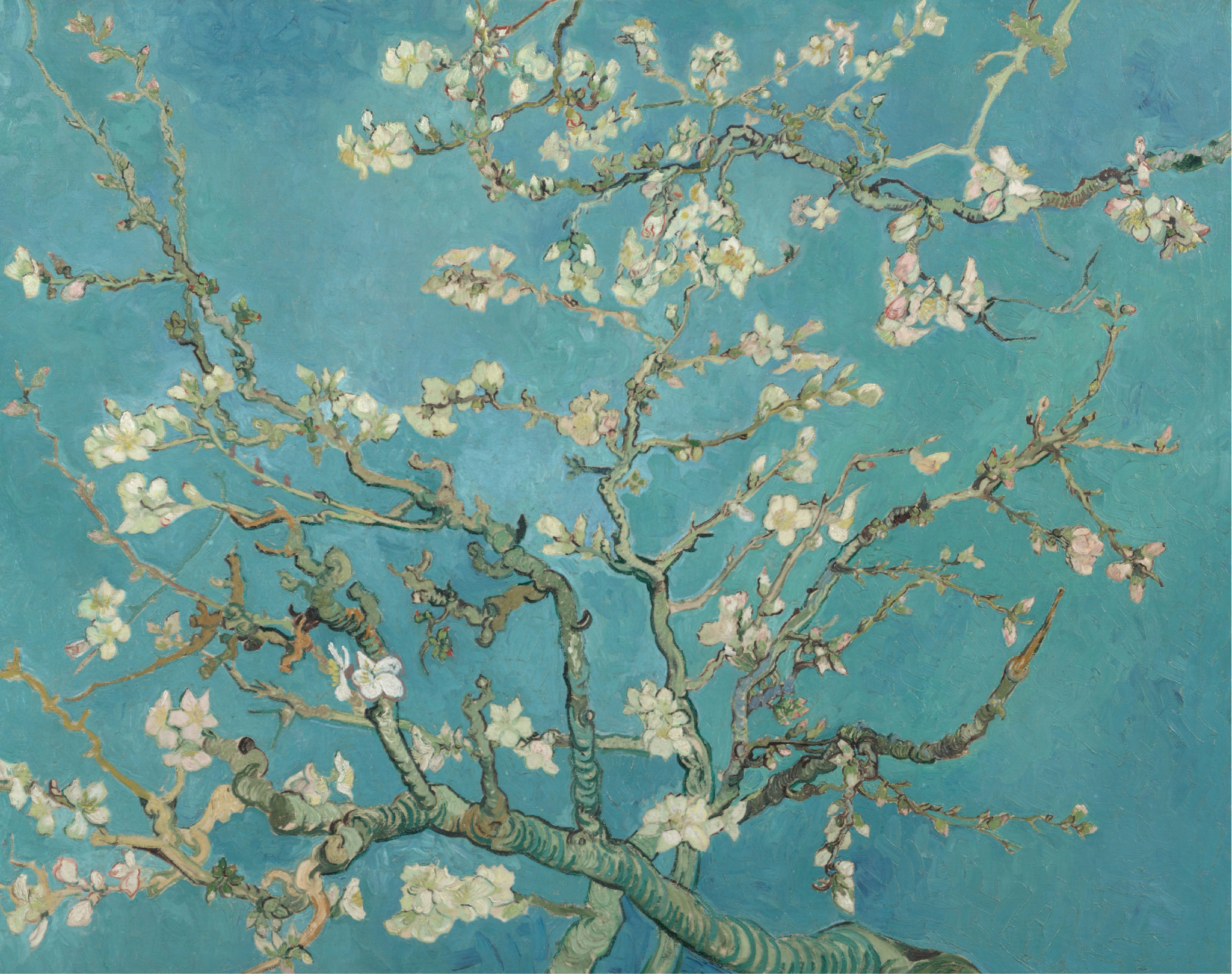
While the team simplified certain elements of the foliage to maintain gameplay clarity, they kept the primary branch structure identical to Van Gogh’s composition. During this process, the quest designers and environment artists discovered a composition issue regarding a branch in the top-right corner of the original painting. Through rigorous analysis, they determined that this branch likely belonged to a separate, adjacent tree rather than the main subject.
Recreating a second giant tree in the level would have cluttered the screen and disrupted the serene, poetic atmosphere. To resolve this, an artist placed the isolated branch directly in the middle of the sky, cleverly concealing its severed end behind a bank of clouds.
Maintaining respect for the historical record was another guiding principle. Lu worked closely with the design and art departments to ensure the interactive elements remained faithful to real-world events. "We didn’t want to add a character or create a story that would change what actually happened in Van Gogh’s life," she says.
To preserve this boundary, players enter the seasonal area in a "spirit-shaded" state rather than using their standard, colorful avatars. This visual distinction serves to remind players that they are silent observers witnessing historical moments, rather than active participants altering Van Gogh’s reality.
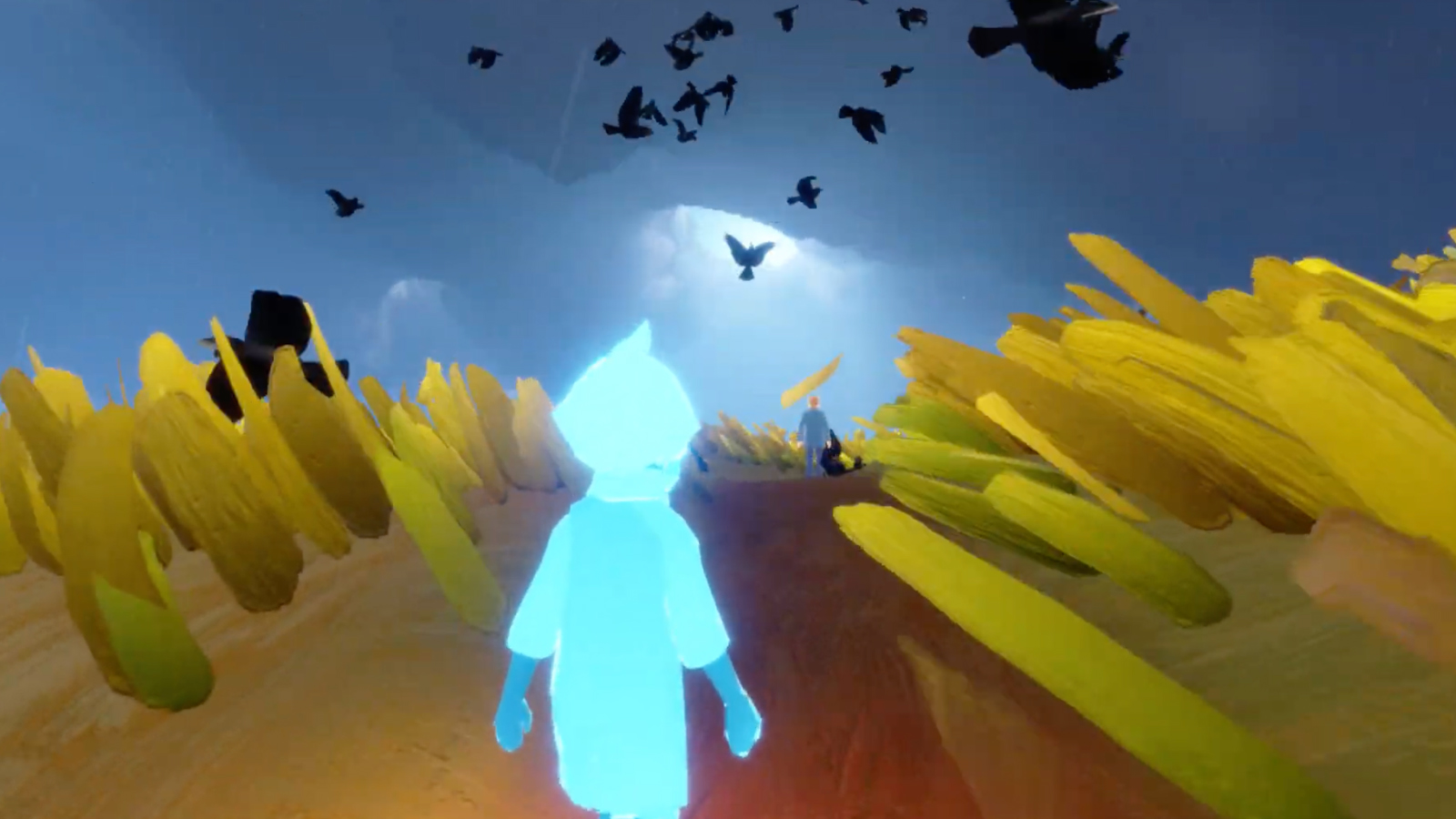
Because the team could not know the artist’s exact internal state, they conducted extensive research into the letters Van Gogh exchanged with his family and friends, crafting their narrative interpretations from these historical documents. Given that Sky features very little dialogue, the narrative relies heavily on visual symbolism. Sunflowers are used throughout the game to represent hope and love, appearing inside a safe in a gallery dedicated to Vincent’s brother, Theo. Crows, meanwhile, represent the darker periods of the artist’s life.
To address Van Gogh’s tragic death by suicide in a manner appropriate for the game’s broad audience, the team represented the event abstractly through a symbolic crow attack. This allowed the developers to convey the gravity of the moment poetically while avoiding graphic or triggering imagery.
Two Ways to Play Vincent’s Story
To keep the experience interactive without rewriting history, thatgamecompany developed two distinct gameplay roles for players: the postman and the paint brush.
As the postman, players facilitate the vital exchange of letters between Vincent and his brother, Theo, highlighting the profound emotional and financial support Theo provided throughout Vincent’s life. The mechanics of these delivery sequences change dynamically to reflect Vincent’s mental and emotional state during different life chapters.
During the peaceful Arles period, players deliver letters along a tranquil river, an experience designed to evoke joy and serenity. In contrast, the Saint-Rémy chapter requires players to navigate a dark, oppressive environment, battling strong headwind forces to find their way out, mirroring the artist’s internal struggles.
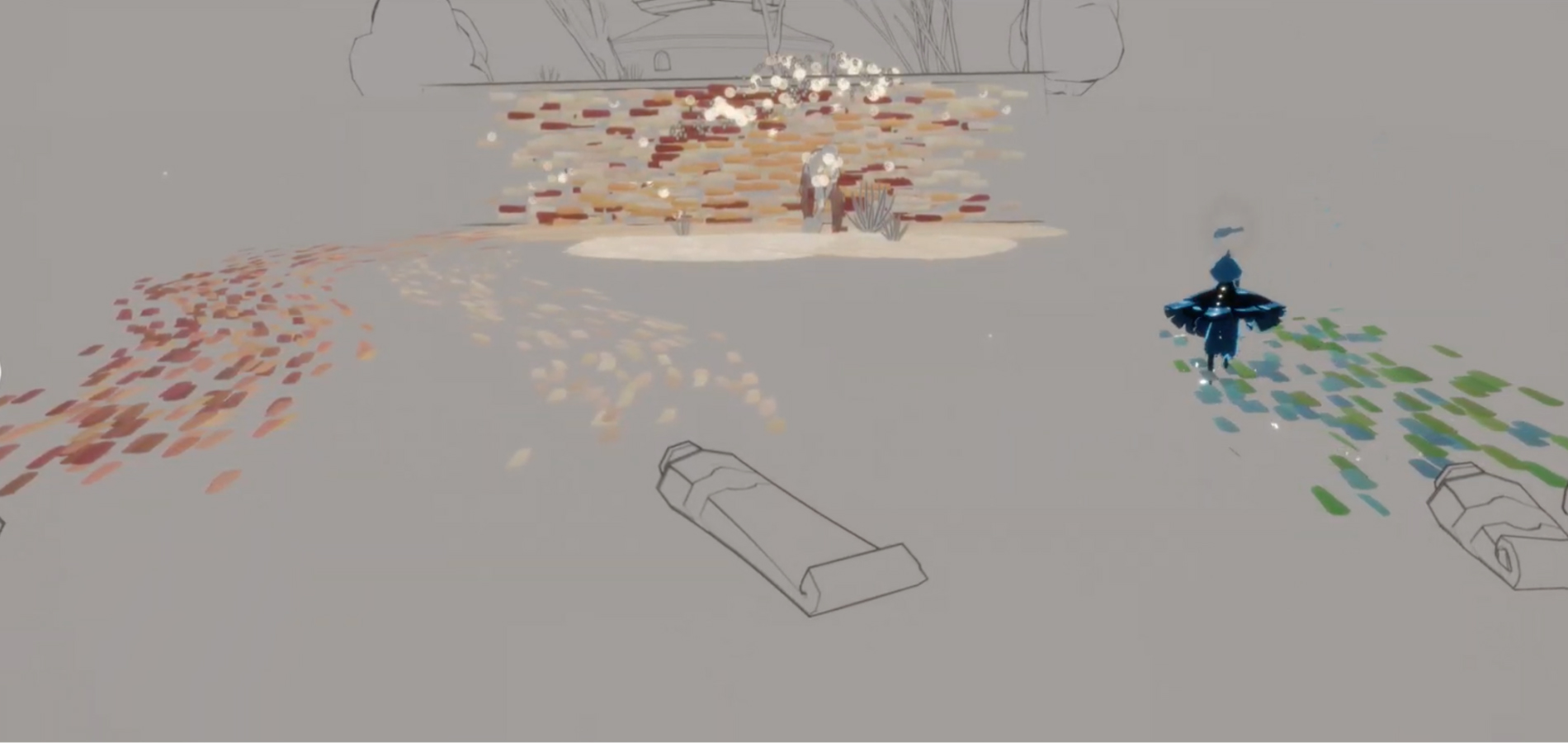
In the role of the brush, players interact directly with the artistic process. Players act as the physical brush in Van Gogh’s hand, completing rough sketches, bringing vibrant color to monochrome scenes, or transforming standard environmental textures into rich, expressive brushstrokes. This role allows players to feel as though they are assisting the artist in bringing his masterpieces to life while keeping the historical timeline intact.
The Letters
In preparing the season, the development team read extensively from the surviving correspondence between the brothers. While they were aware of Theo’s unwavering support, several aspects of the letters surprised them—including Vincent’s frequent and direct requests for financial assistance.
Van Gogh is estimated to have written and received more than 2,000 letters during his lifetime, though he did not preserve many of the letters sent to him. Because Theo saved Vincent’s correspondence with great care, the vast majority of surviving documents are Vincent’s own letters. Only about 40 of Theo’s letters to Vincent remain, making them incredibly precious to the developers.
Reflecting on the brothers’ distinct personalities through the lens of modern personality indicators, Lu views Vincent as a spontaneous, open-ended observer (a "P" type) and Theo as a structured, decisive planner (a "J" type).
Theo’s surviving letters provided vital encouragement during a time when Vincent’s work went largely unrecognized by the public. One specific line from Theo deeply resonated with the development team: "the courage for work is far from abandoning you." These words served as the primary creative inspiration for the season’s finale, with an early rough blockout of the sequence proving so effective that its pacing and tone were preserved unchanged through to the final release.
Making Starry Night
For Lu, the adaptation of The Starry Night represents the pinnacle of the season’s artistic and technical integration. Saved specifically for the narrative finale, the sequence allows players to take flight into a swirling, luminous sky. Alongside millions of other players online, participants collectively light up the dark canvas to assemble the iconic painting.
"So you become part of the beauty that you are witnessing," Lu says.
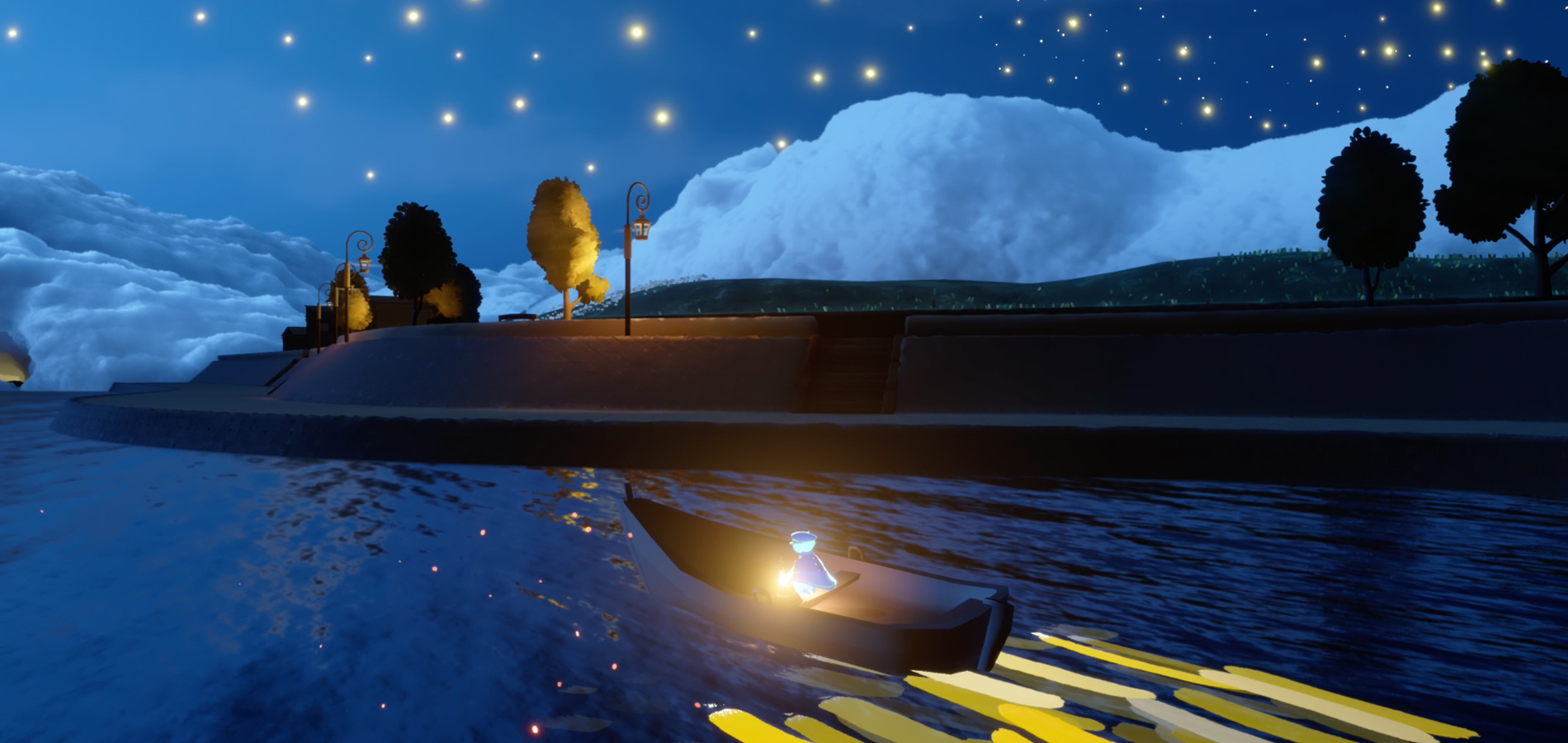
The sequence brings together every core discipline of the studio—visual rendering, environmental design, narrative progression, and musical composition. For Lu, the scene remains highly emotional. "I tear up for Vincent, such a talented artist who died at such a young age," she shares. However, she finds comfort in the historical roles played by Theo and his wife, Johanna, and finds it deeply moving to see so many modern players gathering virtually to honor the artist’s legacy.
Beyond the creative achievements, the Dear Van Gogh season marked a major milestone in thatgamecompany’s production methodology. Typically, Sky releases its seasonal content incrementally over several weeks, often requiring multiple update versions to complete a full story arc. For this project, Creative Director Jenova Chen proposed delivering the entire season at once in a single update.
"Our existing workflow wasn’t really designed to deliver an entire season within a single version," Lu explains. To execute this vision, she restructured the production pipeline, breaking the project into smaller milestones, introducing overlapping workflows, and planning resource dependencies in parallel.
This structural overhaul allowed the team to build the highly interconnected experience within a compressed timeline. The continuous format proved ideal for the subject matter, allowing players to experience the emotional arc of Van Gogh’s life without interruption. Player feedback was overwhelmingly positive, resulting in significantly higher completion rates than previous, episodic seasons.
Bringing Johanna van Gogh-Bonger to Life
A key focus for Lu during development was highlighting the legacy of Johanna van Gogh-Bonger, Theo’s wife, a historical figure she knew little about prior to researching the project.
Following Theo’s death just six months after Vincent’s, Johanna was left to raise their 11-month-old son alone. Recognizing the immense value of Vincent’s paintings, she dedicated decades of her life to promoting his art and editing his letters for publication, ensuring future generations could understand the artist’s inner thoughts.
"She’s one of the reasons we know Vincent van Gogh today," Lu notes.
In the game, Johanna serves as the gallery guide, leading players through the various stages of Vincent’s life. At the conclusion of the journey, players stand alongside her to witness the enduring global success she helped secure.
"She has really inspired me, and I have so much respect for her," Lu says, expressing admiration for Johanna’s forward-thinking appreciation of Vincent’s genius, her devotion to her family, and her sheer perseverance. Learning her history revealed "another remarkable story behind Van Gogh’s legacy, and I’m really glad we were able to bring a little bit of that story into the project."