After spending twenty years chasing the fleeting brilliance of autumn across the Northeastern United States, seasoned landscape photographer Kate Garibaldi has published a comprehensive retrospective detailing the artistic and strategic lessons that transformed her approach to seasonal photography. Her professional insights offer a masterclass in breaking away from repetitive snapshots to build a varied, deliberate, and deeply personal portfolio during nature’s most colorful transition.
Growing up in the Northeastern U.S., Garibaldi developed a lifelong affinity for the autumn season, drawn outdoors by its explosive palette and notoriously short window of opportunity. Over two decades of field work, however, she realized that capturing truly memorable autumn imagery requires far more than simply arriving at the right location during peak color. The most rewarding seasons, she notes, are those where she returns home with a diverse collection of distinct images rather than hundreds of variations of the same landscape. Achieving that level of variety demands careful planning, adaptable field techniques, and a mindset that constantly looks beyond the most obvious, postcard-style viewpoints.
Because peak autumn color typically lasts for only a few weeks depending on regional weather patterns, photographers face a strictly limited timeframe. Rather than wandering through forests in the hope that a compelling composition will magically present itself, Garibaldi developed a structured shot-list methodology. This approach provides her outings with clear direction while leaving ample room for spontaneous discovery and adaptation in the field.
Building a Strategic Fall Color Shot List
The foundation of Garibaldi’s modern approach is the autumn shot list. Rather than heading outdoors with a single rigid photograph in mind, she curates a diverse roster of subjects designed to ensure a well-rounded portfolio by the end of the season.
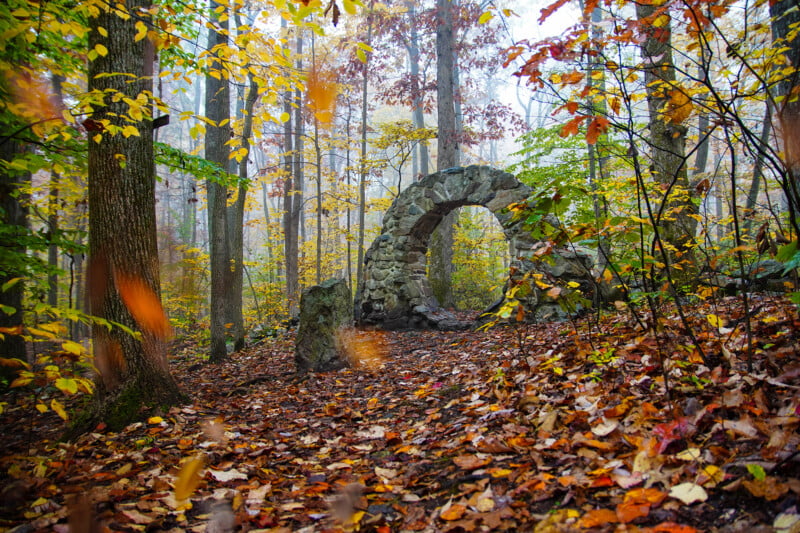
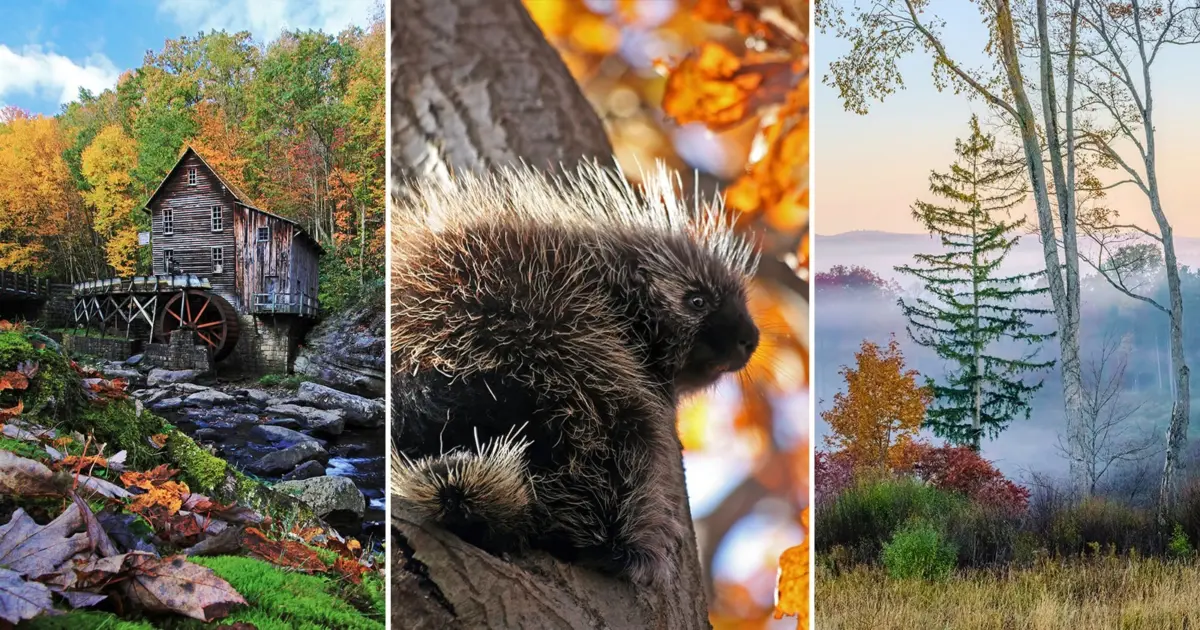
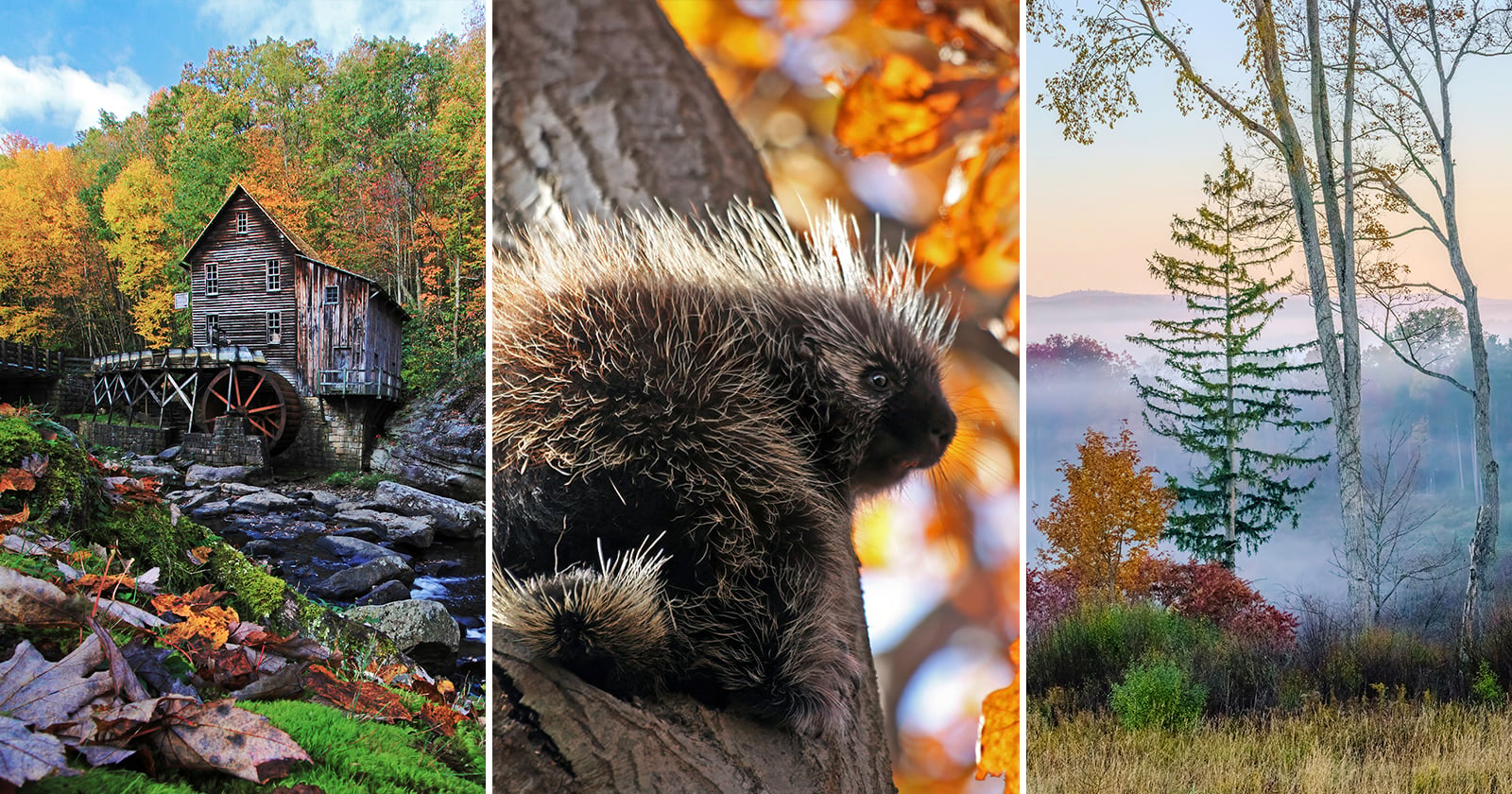
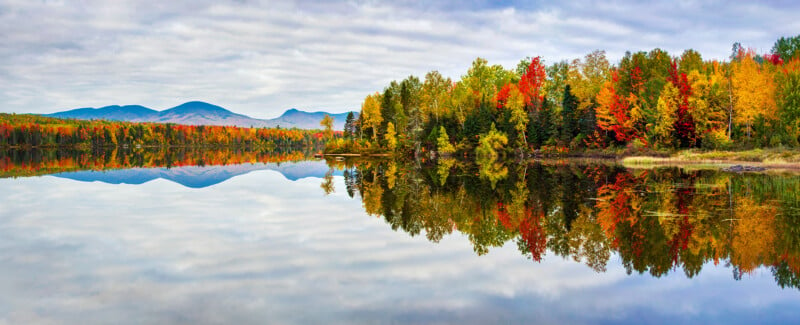
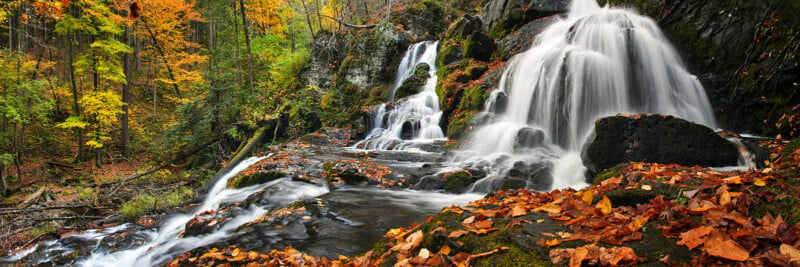
Her comprehensive shot list typically includes macro photographs of hyper-vibrant leaves, dynamic long-exposure waterfalls utilizing rocky foregrounds as leading lines, and wide panoramic vistas designed to evoke an immediate sense of awe. She also targets cultural and historical elements like rustic barns and covered bridges that anchor the viewer within the regional landscape. Smaller natural details—such as patches of vibrant green moss, delicate forest mushrooms, textured tree bark, and subtle woodland lichens—frequently serve as vital visual contrasts to the blazing oranges and yellows of the canopy above. Additionally, wildlife features prominently in her planning, whether captured through intimate, foliage-framed portraits or placed deliberately as minor subjects within a broader environmental scene.
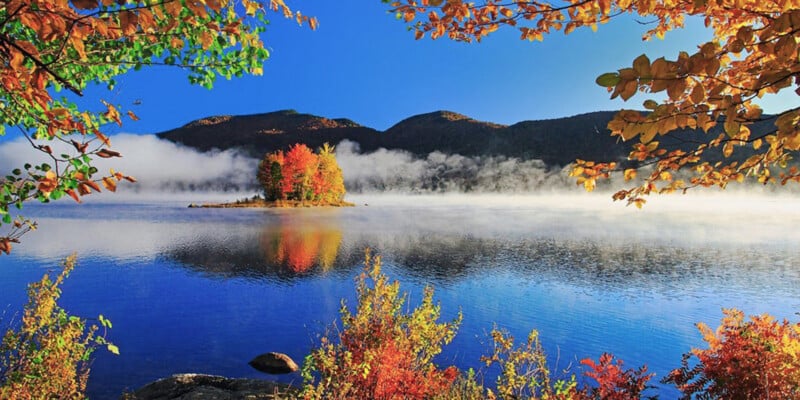
Rather than expecting to check off every item on the list during a single outing, Garibaldi uses the comprehensive inventory to guide her creative choices throughout the season. One excursion might yield dramatic waterfall shots and macro textures, while another focuses on wildlife or expansive mountain vistas. This methodology prevents photographers from falling into the trap of repeating the exact same composition across multiple locations. If her recent folders are heavy on wide landscapes, she deliberately pivots toward intimate forest floor details or telephoto isolations.
Weather, Light, and Strategic Outing Planning
With a definitive shot list established, Garibaldi monitors weather forecasts not merely to determine whether a day is "good" for photography, but to decide which specific genre of imagery the current atmospheric conditions will best support.
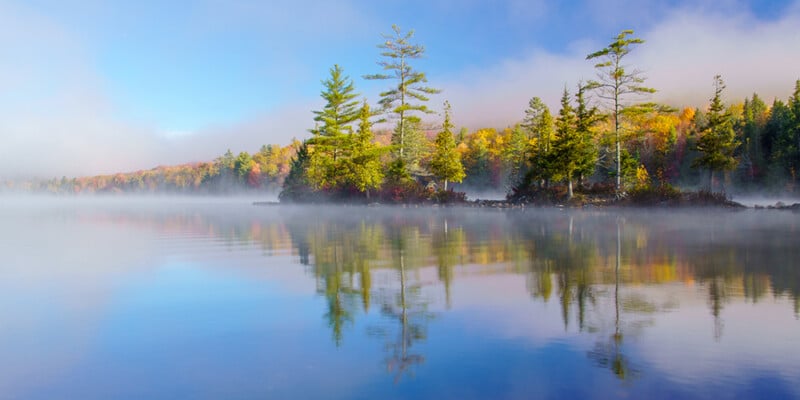
Overcast days, she explains, serve as natural softboxes that diffuse harsh contrast and preserve crucial highlight details in bright autumn foliage. This soft illumination is ideal for waterfall excursions and macro photography on the forest floor, eliminating distracting shadows across small subjects. Conversely, partly cloudy skies around sunrise or sunset provide the dramatic cloud structures and warm directional light necessary to bring expansive mountain vistas and panoramic overlooks to life.
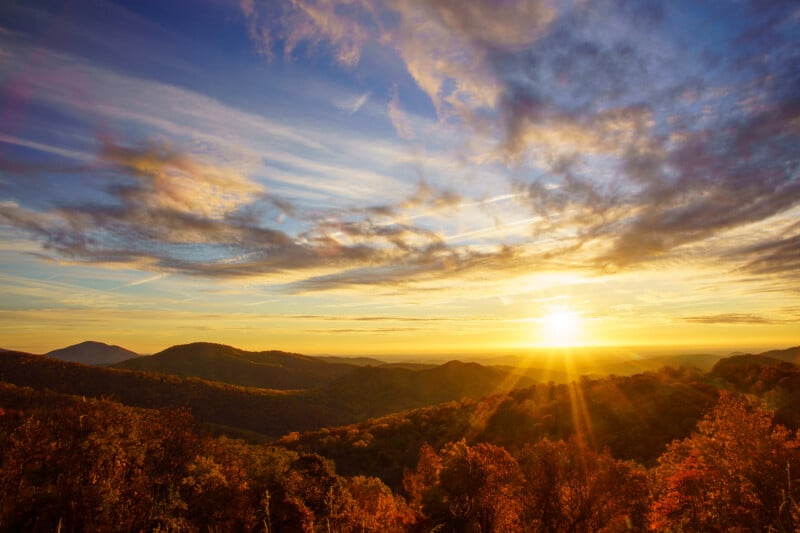
Recent rainfall also plays a critical role in her scheduling. The days immediately following a significant storm can dramatically increase water flow at local cascades, creating more compelling long-exposure options while heightening the color saturation of wet rocks, moss, and fallen leaves. By paying close attention to historical weather patterns rather than just morning conditions, Garibaldi positions herself to capture peak dynamic range and atmospheric depth.
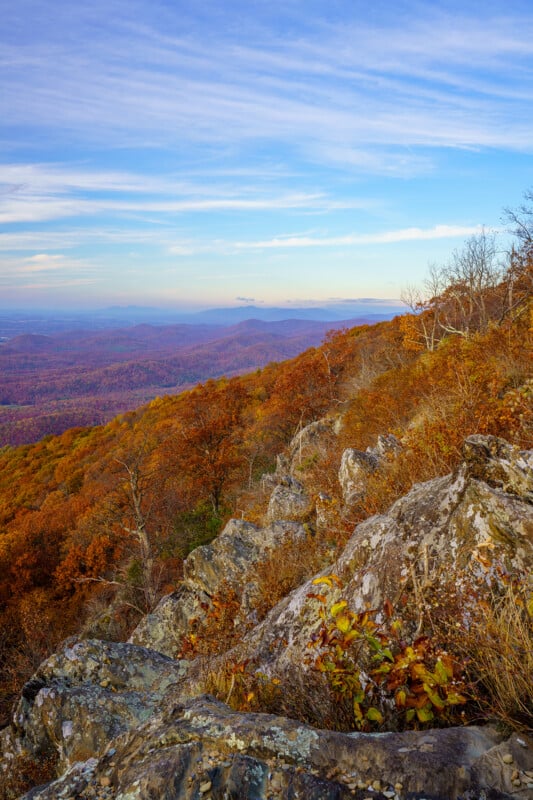
Moving Beyond the Iconic View and Embracing Diverse Lenses
A major pitfall for photographers visiting popular autumn destinations is the temptation to capture only the famous, heavily documented iconic view. While Garibaldi acknowledges the enduring appeal of these classic compositions, she treats them merely as a starting point. Once the wide view is secured from a popular overlook, she immediately begins searching for alternative angles—a lone tree suited for a telephoto composition, a winding forest trail acting as a leading line, or subtle reflections along a quiet stream.
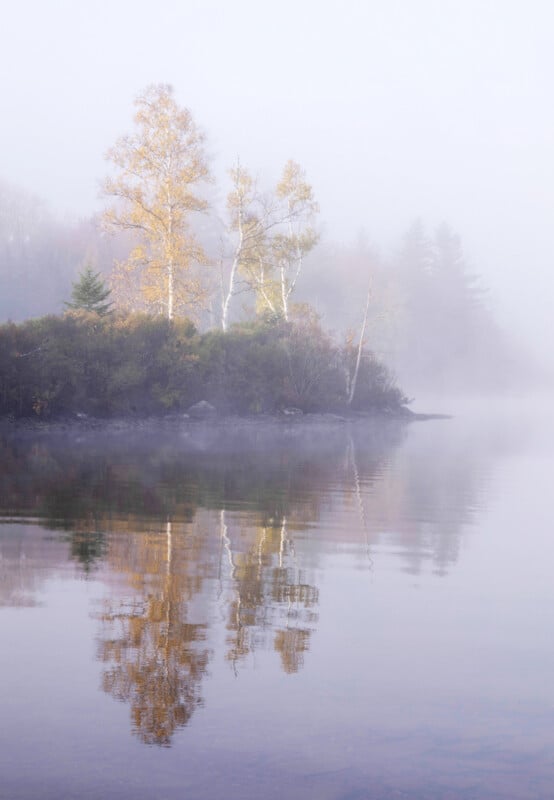
One of the most effective mechanical habits she advocates is physically changing lenses rather than relying entirely on a single versatile zoom. Carrying fixed or specialized focal lengths forces a photographer to reset their perspective entirely. Moving from a wide-angle landscape to a telephoto lens instantly alters how background layers are compressed, while swapping to a dedicated macro lens shifts the creative focus entirely to the micro-textures of the forest floor.
Proper equipment preparation directly supports this adaptability. Garibaldi packs gear tailored specifically to her shot list—such as sturdy tripods and circular polarizers for long-exposure waterfalls, neutral density filters for shutter speed control, and telephoto glass for wildlife—ensuring she possesses the exact tools required when the right conditions emerge.
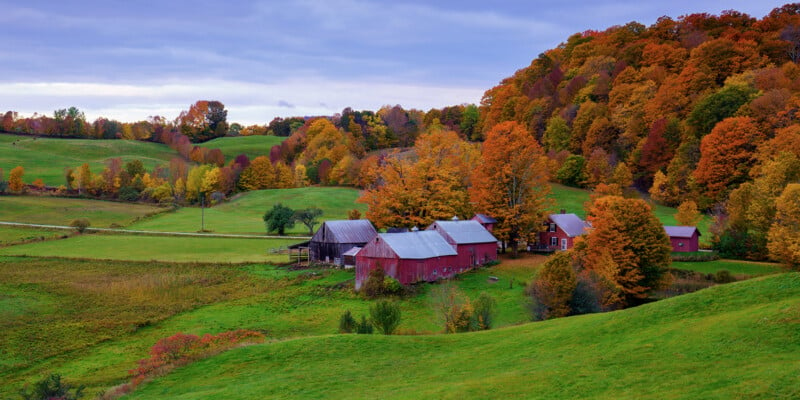
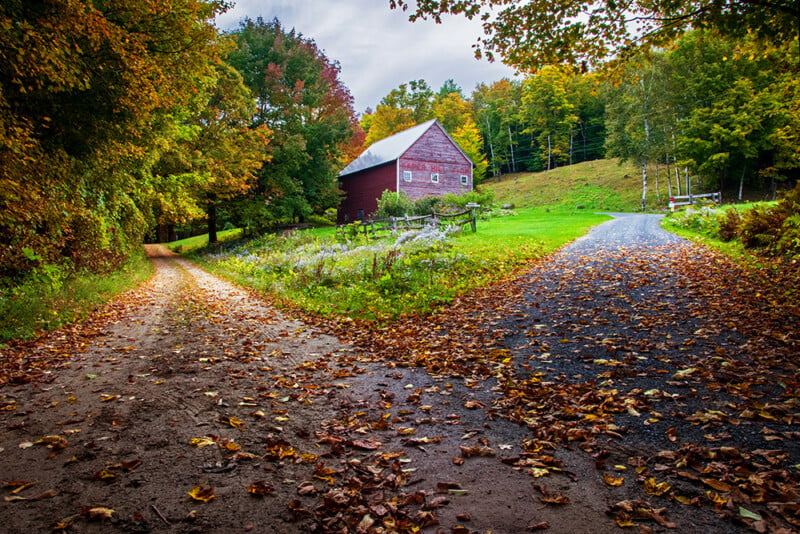
Ultimately, Garibaldi emphasizes that autumn foliage should rarely serve as the sole hero of an image. By deliberately incorporating human-scale elements like hikers, historic barns, rural churches, or winding roads, photographers can ground the overwhelming colors of the season within a narrative context. Through careful planning, structural variety, and a persistent willingness to explore beyond the obvious viewpoint, photographers can transform a fleeting seasonal transition into a rich, cohesive, and deeply personal body of work.