NEW YORK — Marking a historic milestone for the city’s cultural landscape, a groundbreaking film event is set to launch on October 11 at Manhattan’s SVA Theatre. The inaugural New York Muslim Film Festival (NYMFF) arrives with a clear and ambitious mission: to serve as a direct and vibrant answer to the flattened, heavily stereotyped portraits of Muslims that Western media outlets have historically trafficked in. By creating a dedicated platform in one of the world’s media capitals, the festival aims to empower Muslim filmmakers to take complete ownership of their own narratives, voices, and creative output.
Hassan Babar, the artistic director of the festival, emphasizes that the stories brought to the screen by these creators should transcend the traditional boundaries of counter-narratives. In Babar’s view, instead of merely reacting to or correcting mainstream tropes, the authentic experiences of Muslim communities should serve as the primary foundational perspective in modern storytelling. “They should be the establishing paradigm,” Babar stated, reflecting the overarching philosophy that guides the festival’s curation and programming.
The inaugural one-day event features a thoughtfully curated lineup of 12 short films hailing from seven different countries, offering audiences a rich tapestry of cinematic genres. The program encompasses a diverse mix of documentaries, gripping dramas, lighthearted comedies, inventive animations, and boundary-pushing experimental pieces. Notably, women represent a significant majority of the directors featured in the festival’s lineup, highlighting the vital and leading roles women play in shaping contemporary Muslim cinema.
Nawal Mubin, the festival’s co-founder and director, underscored the cultural and geographic necessity of the event within New York City. “This festival exists because those stories deserve a stage in this city, not on the margins of someone else’s,” Mubin said. Her sentiments capture the driving force behind the initiative, which seeks to move marginalized voices from the periphery directly into the spotlight of a major metropolitan hub.
The schedule for the day-long event is designed to foster both artistic celebration and industry networking. It will open with an exclusive reception bringing together participating filmmakers, industry guests, and prominent cultural figures. Following the opening reception, the screening schedule is divided into two distinct blocks of six films each, with each block running approximately one hour. These screenings will lead directly into the much-anticipated awards ceremony and the announcement of the official jury decisions.
To ensure a high standard of artistic evaluation, the festival has assembled a distinguished six-member jury comprised of accomplished industry veterans, directors, producers, and actors. Among them is Emmy winner Aasif Mandvi, widely recognized as a longtime correspondent on Comedy Central’s “The Daily Show” and for his starring role in the Paramount+ series “Evil.”
The jury also features Arab-American writer-director Darine Hotait, the founder of Cinephilia Productions whose acclaimed short films have aired on prestigious networks including HBO, AMC, SundanceTV, and the BBC. Joining them is Munir Atalla, the head of production and acquisitions at Watermelon Pictures and a former Netflix creative executive, alongside producer Abubakar Khan, whose impressive resume includes “The Glassworker,” which served as Pakistan’s official entry for the 2024 Academy Awards, and the SXSW 2023 audience award winner “Mustache.”
Rounding out the panel of esteemed jurors are Lebanese-American filmmaker Sarah Mokh, a Sundance Feature Film Fellow who recently wrapped production on her debut feature film, “The Alchemy of Being Okay”—which is being produced by fellow juror Khan—and Egyptian-American actor Abubakr Ali. Ali brings significant momentum to the jury, boasting upcoming roles in Bassam Tariq’s “Your Mother Your Mother Your Mother,” starring opposite Mahershala Ali, and Sean Durkin’s A24 film “Deep Cuts,” in addition to his recent appearance in Kathryn Bigelow’s “A House of Dynamite.”
Institutional and industry support has been a cornerstone for the festival’s establishment. The streaming platform Watermelon+ is sponsoring the Watermelon+ Discovery Award, a special honor that will grant the winning filmmaker or rights holder an exclusive, limited-period licensing agreement to stream their work on the platform. Additionally, organizations such as the Islamic Scholarship Fund, the New York-based production and post-production house Lost in Space, and Aneesa Talks—founded by filmmaker Aneesa Khan to support South Asian and Muslim creatives—have all signed on as vital festival partners.
The cinematic program itself ranges widely in tone, style, and subject matter, reflecting the immense diversity of the global Muslim diaspora. Justin Mashouf’s documentary “$17.74” chronicles the compelling journey of a former gang member who has been behind bars since the 1980s; a simple gesture of solidarity for Gaza initiated from inside prison unexpectedly sparks a viral wave of global support. In Karim Emara’s Qatar-U.S. dramedy “Baba Is Melting,” a son places a phone call to his father—who is waiting in a car outside before Friday prayers in Doha—to boldly confront him regarding a hidden second marriage.
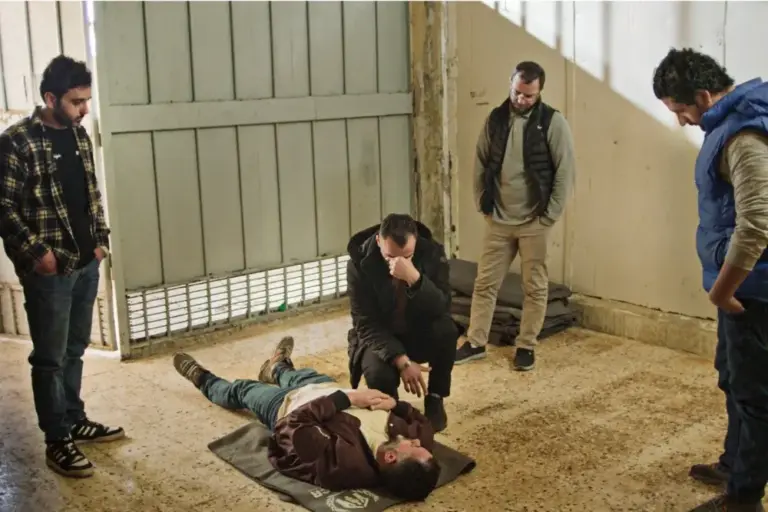
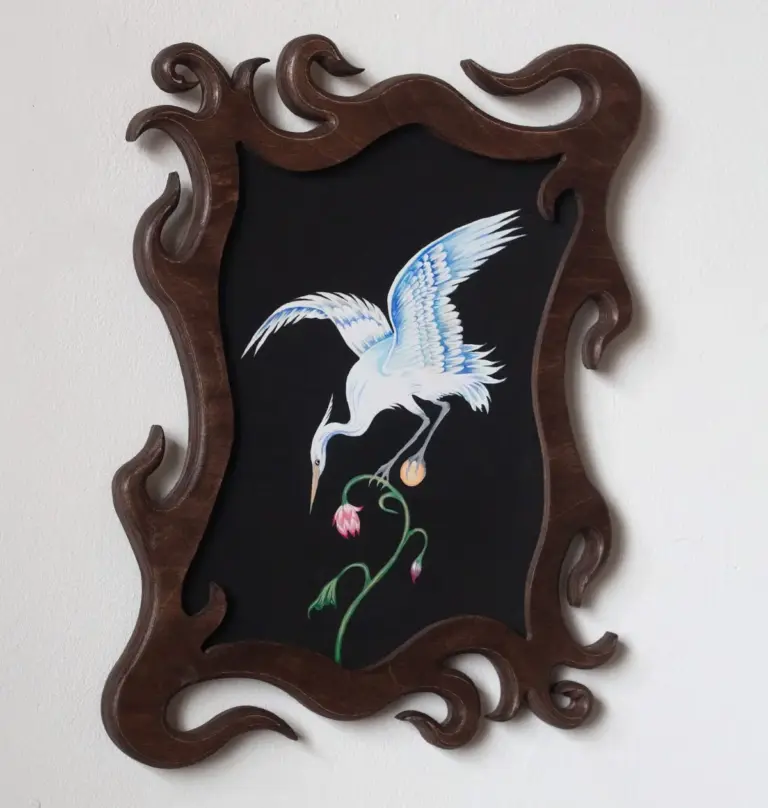
Family dynamics and cultural traditions also feature prominently in Zaid Ahmed Hassan’s “Ghusl,” which centers on a son whose dying father asks him to learn traditional Islamic burial rites. Meanwhile, Basma Khalifa’s U.K. experimental piece, “Henna,” examines the intricate life cycle of the henna plant alongside the stories of women from 16 different African and SWANA countries. Sima Naseem’s Canada-Pakistan animation, “My Friend in the Jingle Truck,” employs a striking combination of stop-motion and 2D animation to narrate the tale of a young girl in Karachi who encounters a magical bird.
Other selections tackle themes of displacement, identity, and generational friction. In Alex Aljouni’s “Bukra,” a young Syrian refugee wins a soccer ball in a sweepstakes and races against time to collect it for one final match with her best friend before he departs for good. Intergenerational tensions take center stage in Negine Jasmine Sekandari and Ayda Rojhantalab’s comedy “Haram Salami,” where a daring move by three generations of Afghan women reopens old rifts as they navigate the delicate balance between personal desires and traditional customs.
Maram Taibah’s Saudi fantasy film, “Malika,” explores a young girl’s profound bond with her grandmother through a magical-realist world born of a child’s imagination, probing the tension between youthful wildness and the obedience traditionally expected of girls. In Bilal Shams Khan’s Pakistani drama “Sabr O Shukar,” 10-year-old Akram learns valuable lessons about patience and gratitude while pursuing his simple dream of owning a bicycle.
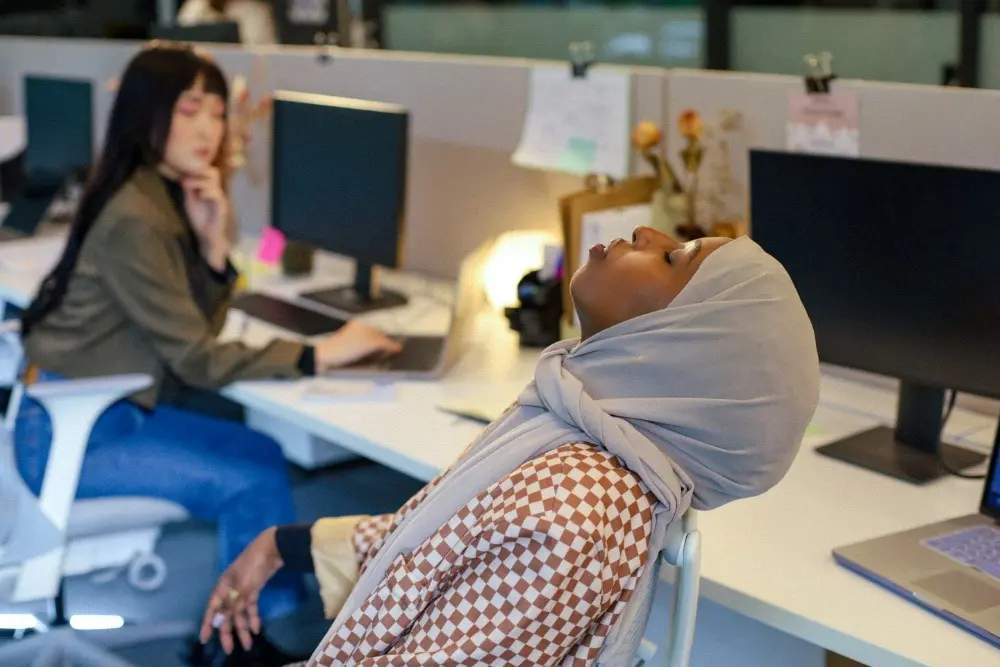
The lineup balances gravity with humor and contemporary workplace realities. Imran J. Khan’s “The Boy With Dinosaur Head” depicts the poignant encounter between a troubled boy who genuinely believes he is a dinosaur and a teacher determined to pull him back into reality, leaving a lasting impact on both. In the Canadian comedy “Unqualified,” co-directed by Ilhan Abdullahi and Sherry Rashidan, a character named Warsan—the sole Muslim employee at her workplace—is tasked with spiritually cleansing a lunchroom rumored to be haunted. Armed with her faith and a series of humorous misunderstandings, she must clear out the supposed spirits before her job is put on the line.
Closing out the narrative shorts, Lyna Tadount and Sofian Chouaib’s French drama “Ya Hanouni” focuses on two parents playfully competing to be their baby’s very first spoken word, until an unexpected event abruptly cuts their lighthearted contest short and upends their lives.
Behind the scenes, the festival’s organizational leadership is driven by a passionate team of industry professionals. Hassan Babar, a Toronto-based actor and producer, co-heads programming alongside Aneesa Khan, who also oversees communications. Nawal Mubin, a New York-based director and producer, co-founded the festival alongside filmmaker and post-production specialist Giuseppe de Matteis, with both Mubin and de Matteis maintaining professional ties to Lost in Space.