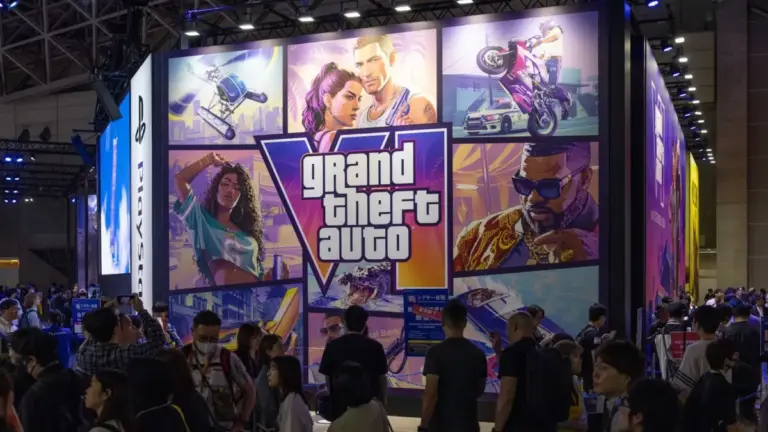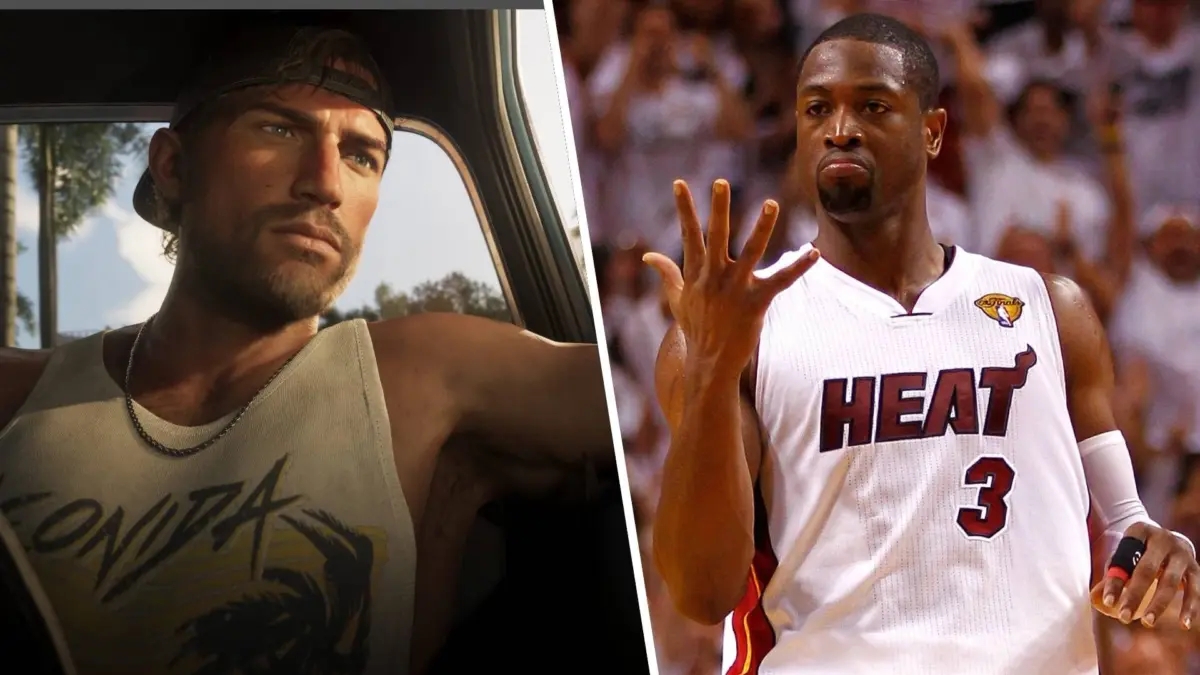
The intersection of video game marketing and professional sports has long been a lucrative arena for major entertainment publishers, yet it rarely manages to ignite internal office uproar quite like this. A seemingly routine promotional partnership between Rockstar Games and the National Basketball Association’s Miami Heat has accidentally triggered a cross-continental cultural debate among the staff at gaming publication PC Gamer, exposing a surprising blind spot regarding global sports franchises among seasoned games journalists.
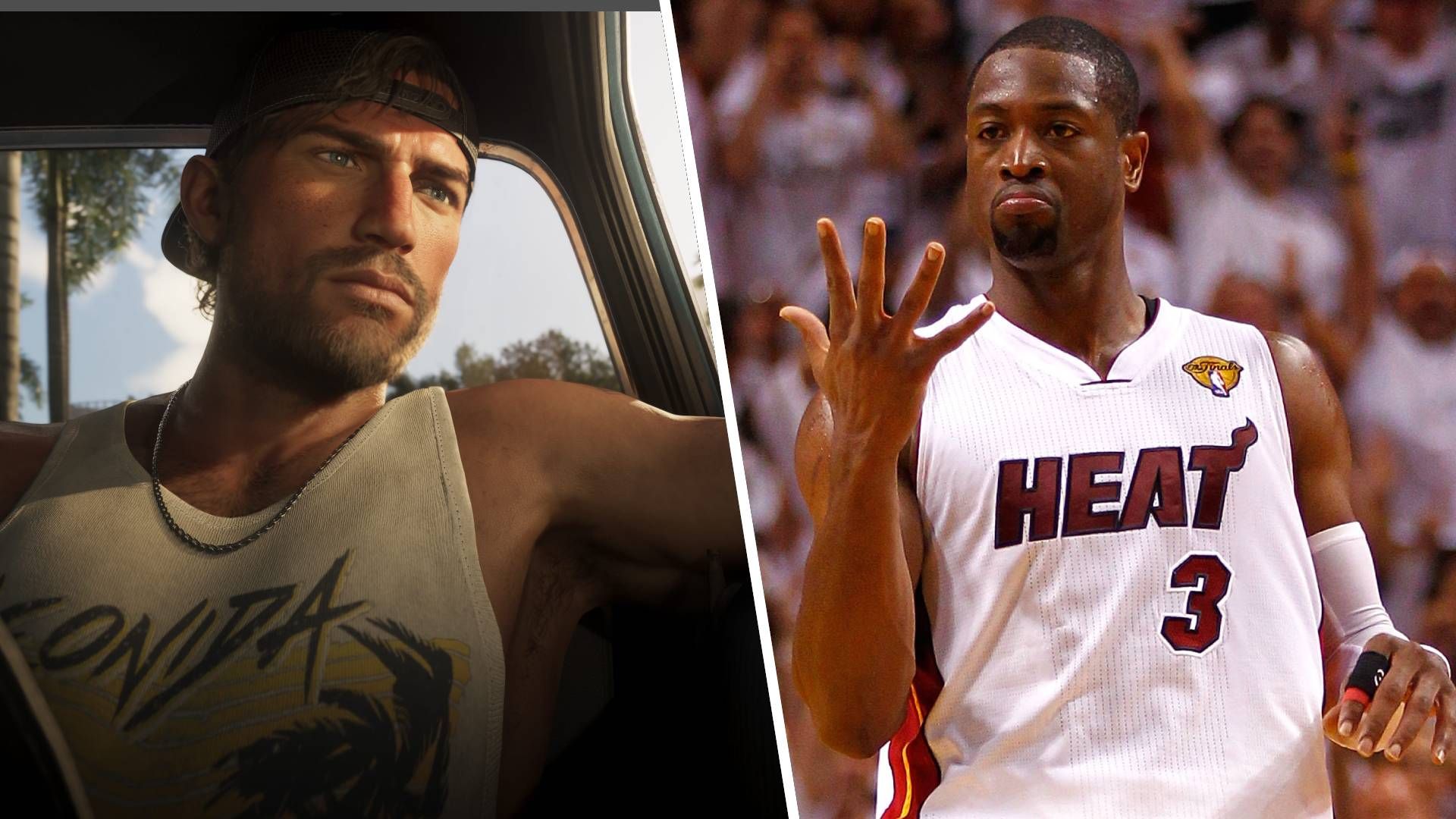
The discourse began on a Friday morning at 8:35 am Central Time, when PC Gamer audience development manager Cameron Bald shared a post from the popular fan account GTA 6 Countdown. The update highlighted an upcoming cross-promotion event dubbed "A Night in Vice City," pairing Rockstar Games with Miami’s premier NBA franchise. As part of the promotional exercise, the team is set to temporarily rebrand around the aesthetic of the fictional, Miami-inspired setting of the upcoming blockbuster Grand Theft Auto 6.
While the concept of cross-promotional synergy is hardly new in the entertainment industry—especially for a juggernaut like Rockstar preparing to launch what is expected to be the biggest entertainment event of the decade—the team’s reaction was far from unanimously enthusiastic.
Fraser Brown, a Glasgow-based online editor for the publication known for his critical eye, immediately questioned the fundamental necessity of the campaign. Voicing his skepticism, Brown openly wondered aloud, "Who the hell doesn’t know GTA is coming?"
The remark opened the floodgates for a broader debate within the editorial team regarding the target audience for multi-million-dollar marketing campaigns. Bald offered a compelling rebuttal, pointing out that the objective isn’t necessarily to inform hardcore gaming enthusiasts who are already counting down the days until launch. Instead, the strategy targets the super-casual demographic—players who might still be using older hardware like a PlayStation 4 and need tangible, mainstream cultural touchstones to convince them that Grand Theft Auto 6 is worth diving back into the gaming ecosystem.
Lauren Morton, the publication’s lead SEO editor, further contextualized the marketing push by comparing it to everyday consumer goods placement. She likened the partnership to a chocolate bar positioned strategically at a grocery store checkout counter: it is not an exercise in fierce persuasion or introducing a totally unknown product, but rather an aggressive effort to flood the zone and maintain ubiquitous visibility.
Despite these explanations, Brown remained unconvinced regarding the actual reach and efficacy of the campaign. Raising the stakes of the internal debate, he argued that a basketball stunt is inherently niche compared to global entertainment milestones, such as a traditional platform trailer released on video-sharing services.
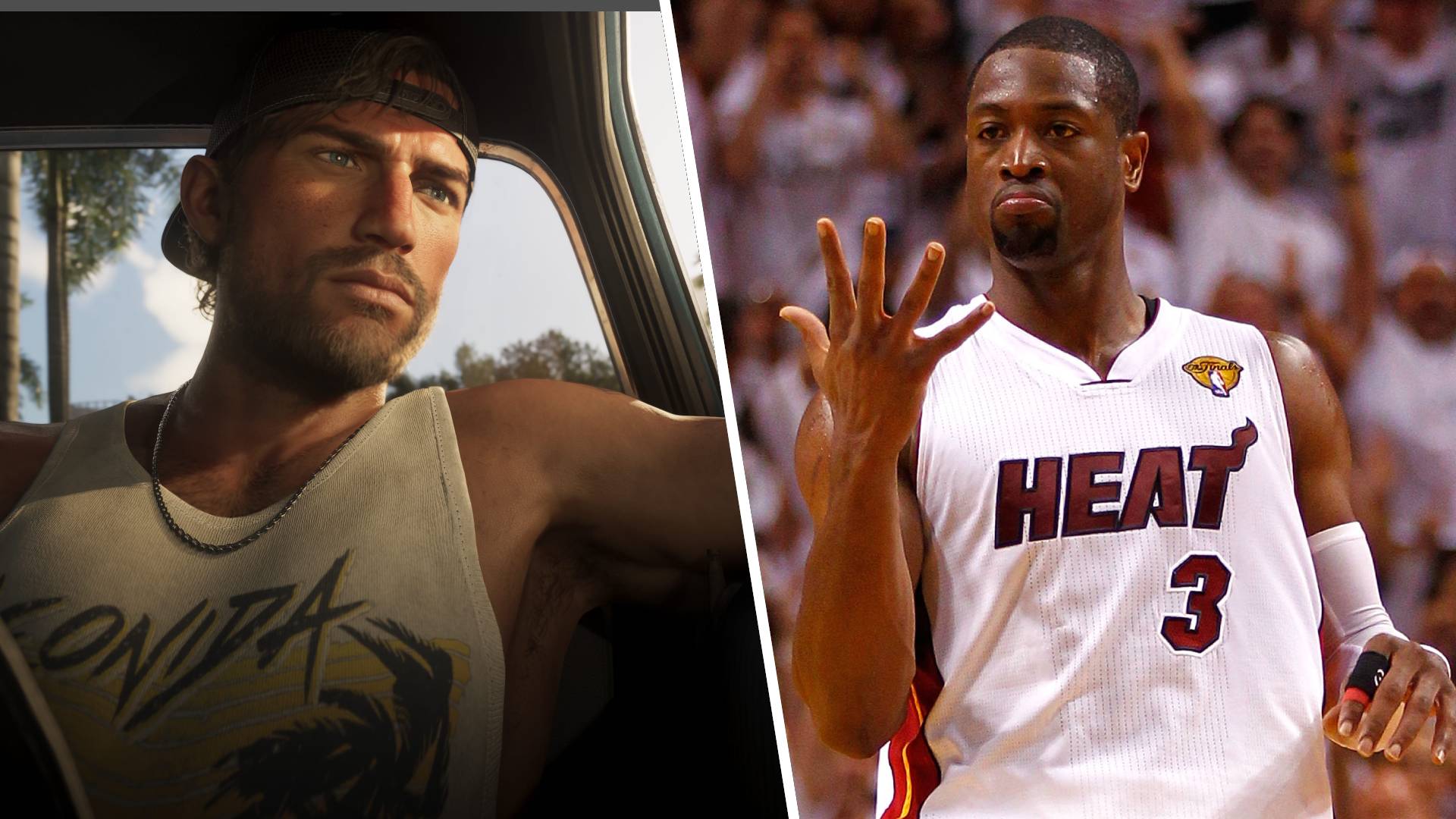
The assertion that the Miami Heat—a multi-billion-dollar NBA franchise with three championship titles to its name, a global fanbase, and a history of marquee rosters featuring superstars like LeBron James—could be considered "niche" immediately floored his colleagues.
The conversation then took a turn that would cement the moment in office lore. Brown admitted the root of his skepticism, noting that the campaign would likely land differently with an American audience. "To me, this is insanely niche," Brown confessed. "I had to google Miami Heat."
With that single admission, the tally of British editors unfamiliar with professional basketball began to climb.
As other staff members logged on for the workday, the sheer disbelief at Brown’s geographical and cultural blind spot sparked immediate commentary. PC Gaming Show editorial director Jake Tucker attempted to bridge the gap by drawing a parallel to the international popularity of British football clubs, an argument that ultimately fell flat given Brown’s lack of engagement with association football as well. Morton underscored the absurdity by suggesting that Brown’s critique essentially boiled down to dismissing the marketing value of sports simply because he does not follow athletics.

Digging his heels in, Brown attempted to clarify his position. "I get using sports teams for marketing, but it feels niche when it’s one local sports team in one country," he explained. "लेकिन maybe Miami Heat is an extremely big deal all over the world. I would never know!"
The discussion briefly veered into international cultural export and the persistent global recognition of American urban centers. When another editor noted the surprising ubiquity of Chicago Bulls merchandise worn by individuals as far away as Russia, Brown conceded familiarity with the Bulls, noting he even owned some of their vintage merchandise.
The geographical detour prompted a flurry of lighthearted cultural comparisons. When discussing other Florida sports franchises, Brown remarked that he had only ever heard of the Miami Dolphins because the team played a prominent role in the 1994 Jim Carrey comedy Ace Ventura: Pet Detective.
The solidarity among the publication’s British contingent was quick to materialize. Joshua Wolens, a news writer based in England, chimed in with an unhelpful confession of his own: "To be fair, I also don’t know what a Miami Heat is, but I generally assume I don’t know most of what’s happening in the modern world."

With Wolens’ admission, the tally of British journalists lacking professional basketball literacy continued to tick upward, transforming a simple debate over marketing strategy into an impromptu census of sports awareness within the newsroom.
As the morning progressed, Lincoln Carpenter, a news writer based in Buffalo, New York, attempted to refocus the architectural logic of the debate. Carpenter pointed out that the relevance of the campaign does not rest solely on the local specificity of the Miami Heat as a single entity, but rather on the overarching cultural weight and financial valuation of NBA teams as global brands. To illustrate the point, Carpenter shared comparative Forbes valuations of top-tier NBA franchises against elite European football clubs, noting the staggering financial footprint of basketball organizations on the global stage.
Despite these macroeconomic arguments, the levity in the chat continued as social video editor Paul Broughton jokingly proposed that "basketballs are a myth created by 2K to sell their annual videogame," though the team ultimately let that particular conspiracy theory slide past formal tabulation.
The debate paused temporarily as the editorial staff broke for lunch. During a midday gaming session featuring the Dark Souls 2 Seamless Co-op mod, the topic lingered persistently in the minds of the team. When the author brought up the ongoing debate to Sean Martin, a senior guides writer and fellow Englishman, the conversation yielded yet another casualty of sports trivia.

"What is the Miami Heat?" Martin sheepishly asked, officially pushing the tally of uninkown sports literacy higher still.
Almost simultaneously, former PC Gamer editor-in-chief Samuel Roberts, returning to the fold for freelance contributions, entered the digital workspace. Hopes that Roberts might salvage the UK team’s sports awareness were quickly dashed. "I learned what they are two hours ago!" Roberts admitted. While he professed a vague awareness of the Miami Dolphins—having absorbed the information through American podcasts rather than cinematic osmosis—and recognized the Chicago Bulls, his late-stage revelation cemented a broader pattern.
The illusion that this cultural disconnect was strictly a transatlantic phenomenon was shattered shortly thereafter. Christopher Livingston, a senior editor who has lived in the United States his entire life—including a five-year stint residing in Orlando, Florida—revealed that he, too, likely could not have definitively placed the Miami Heat on a mental map prior to the morning’s announcements.
Reflecting on the surreal series of admissions, the newsroom was left to ponder whether this acute lack of brand recognition was an anomaly or a symptom of the insulated bubbles that tech and gaming journalists frequently inhabit. For a staff deeply fluent in obscure role-playing game lore, complex modding communities, and the intricate politics of historical revolutions, the sudden realization that professional basketball fandom exists outside their daily purview offered a humbling reminder of the vast and varied landscape of global pop culture.