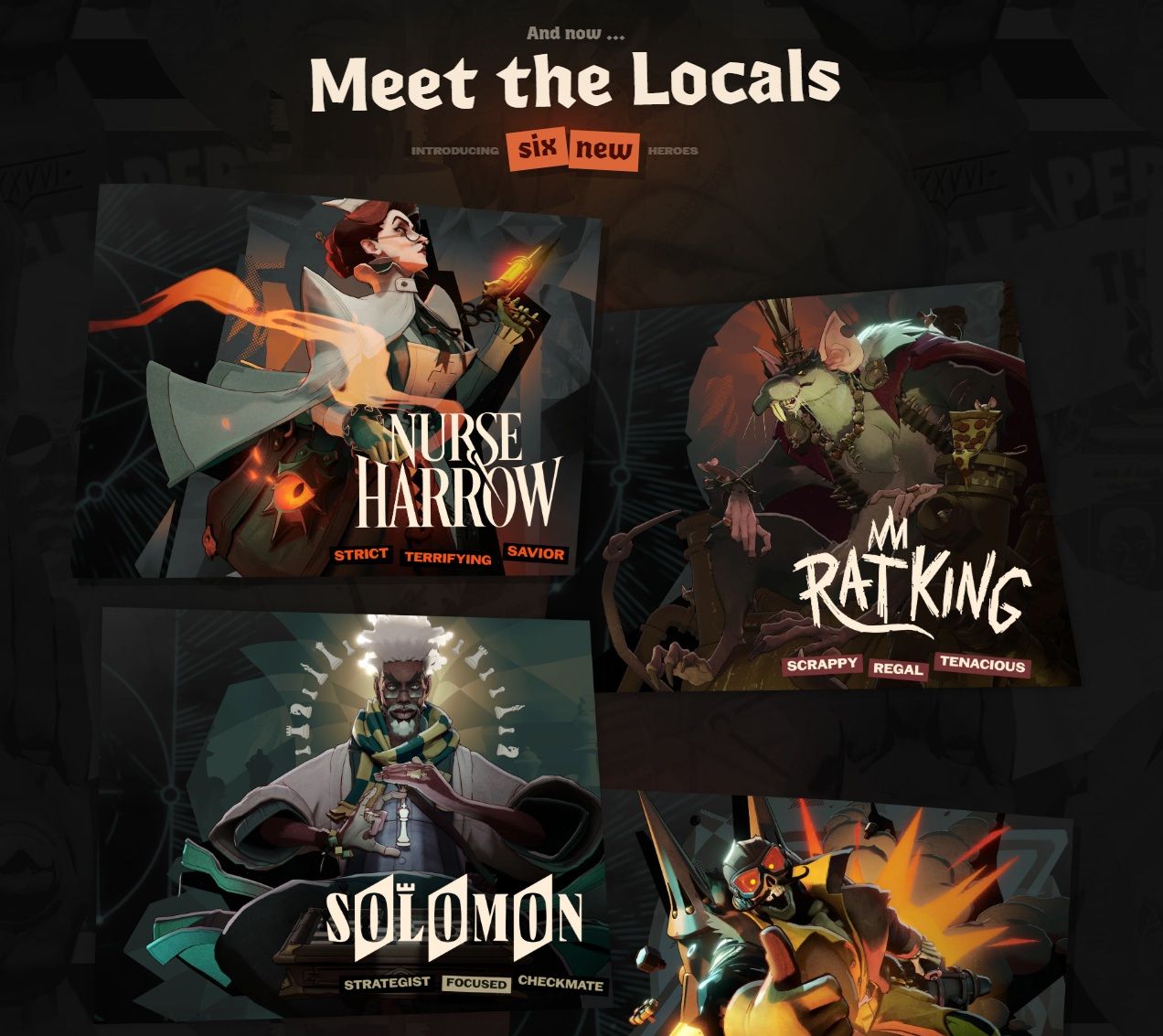
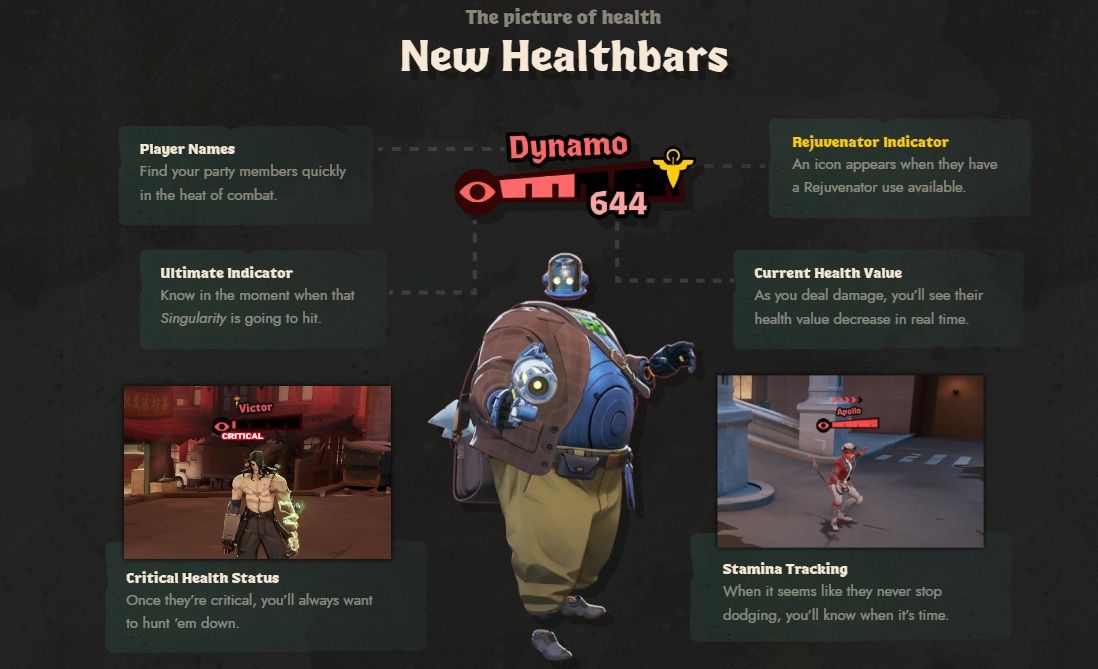
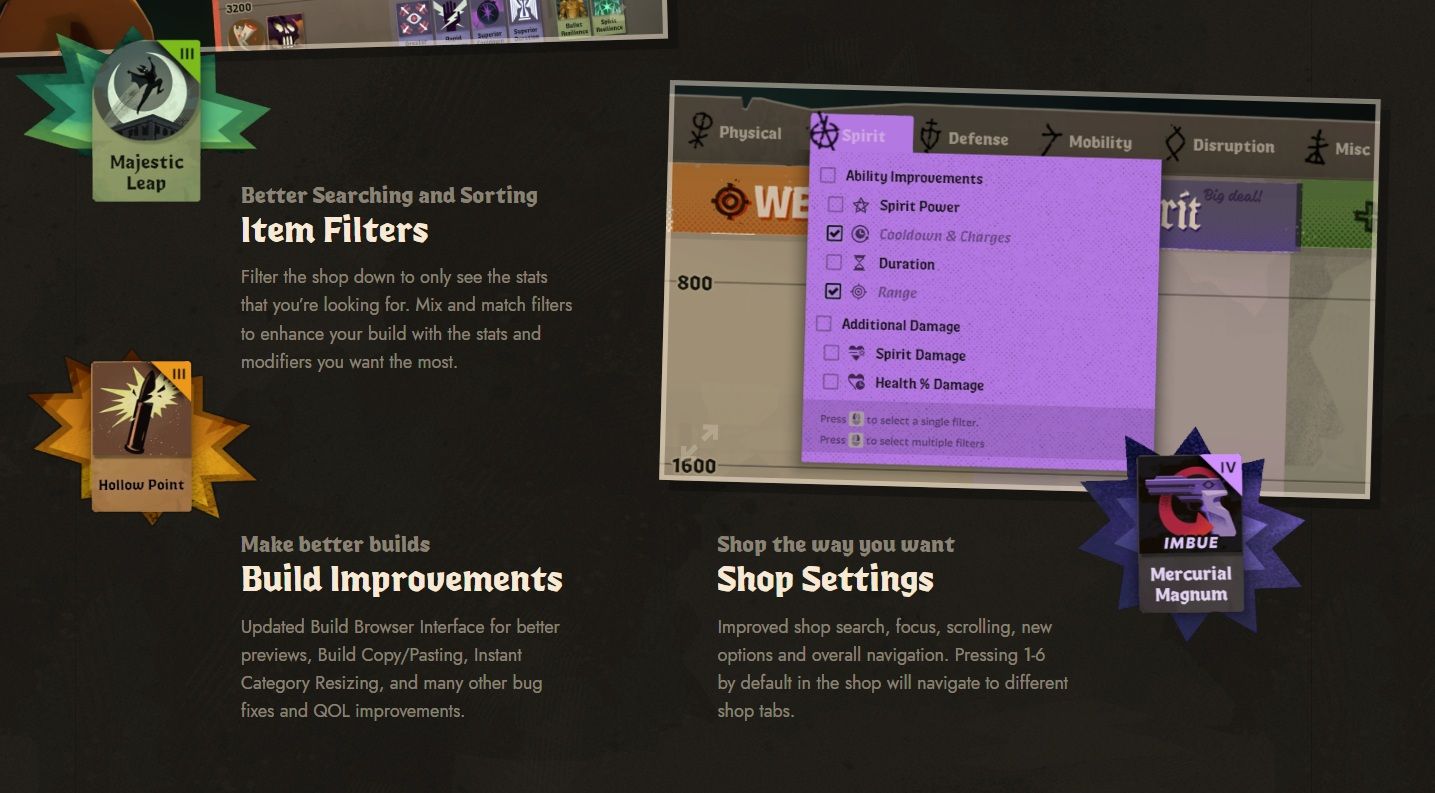
To most players, the highlight of this week’s massive Deadlock update is the striking map makeover, the introduction of fresh heroes, and a laundry list of quality-of-life additions designed to smooth out the competitive experience. But for industry observers who spend their waking hours parsing white text on black background changelogs, the real headline is the presentation itself. When a developer drops a patch page specifically designed to be both visually pleasant and genuinely exciting, it deserves to be recognized. Valve Corporation has a long and storied history of engineering bespoke, beautiful webpages to introduce meaningful shifts to its games, but with Deadlock, the graphics and web design departments are truly pulling out all the stops.
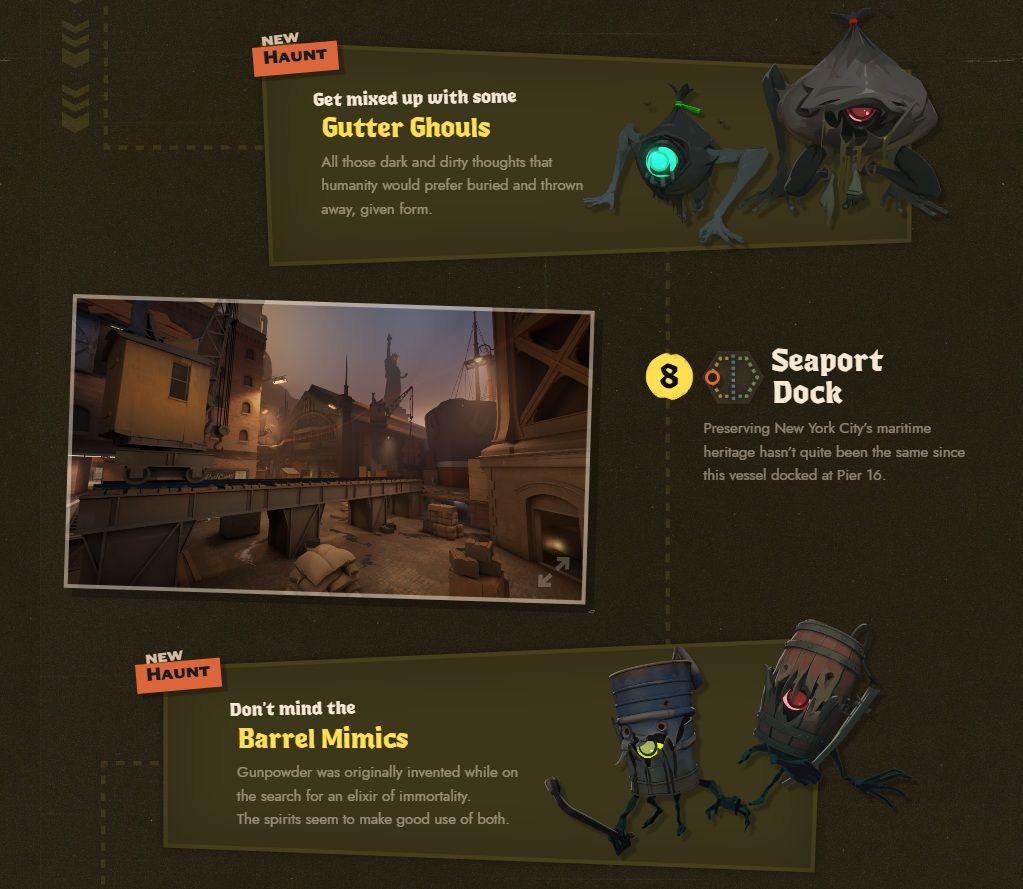
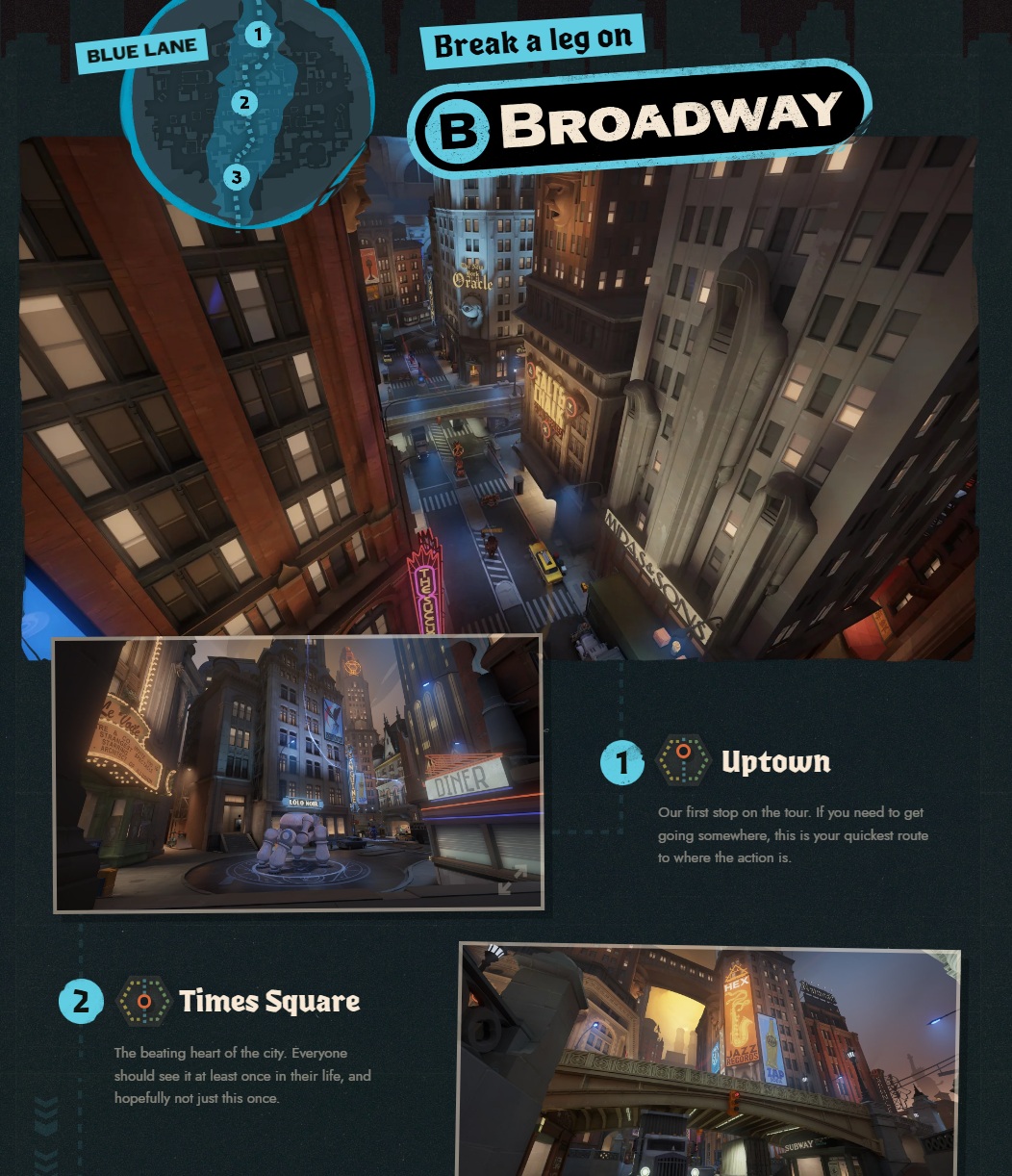
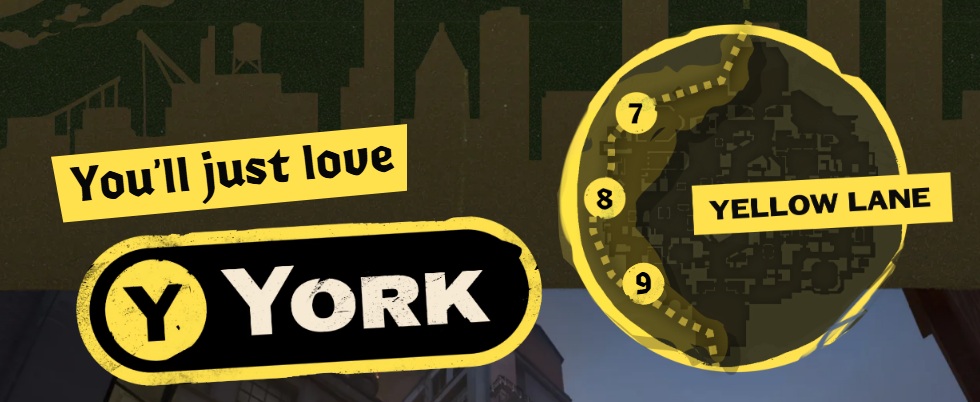
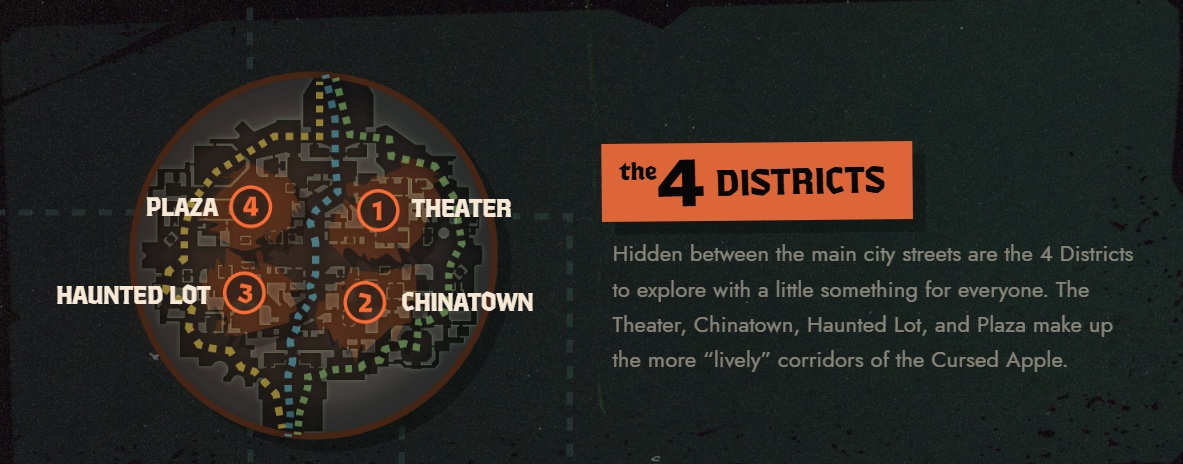
The newly released "City Never Sleeps" patch notes are styled not as a dry list of numerical balance adjustments, but as an elaborate tourism brochure for Deadlock‘s refreshed New York City setting. The page guides readers on a virtual walking tour through scenic stops across the game’s four major districts: Chinatown, the Theater district, the Haunted Lot, and the central Plaza.
Descriptions gracefully weave between in-world lore and technical game explanations wherever it makes sense, laced with Valve’s characteristic splashes of dry humor. These lighthearted touches serve as a gentle reminder to the community not to take the high-stakes hero shooter too seriously. Dotted lines dynamically draw the reader’s eye to new points of interest as they scroll down the page, further reinforcing the architectural map motif. Furthermore, the entire interface is packed with custom artwork for newly introduced items and mechanical tweaks that might only exist on that very page.

It is an undeniably polished presentation of the next era of Deadlock, prompting even genre skeptics to admit a flicker of temptation to dive into a MOBA. Valve has delivered a masterclass in release communication, proving that patch notes can be much more than a chore to read.
Valve’s Golden Age of Patch Notes
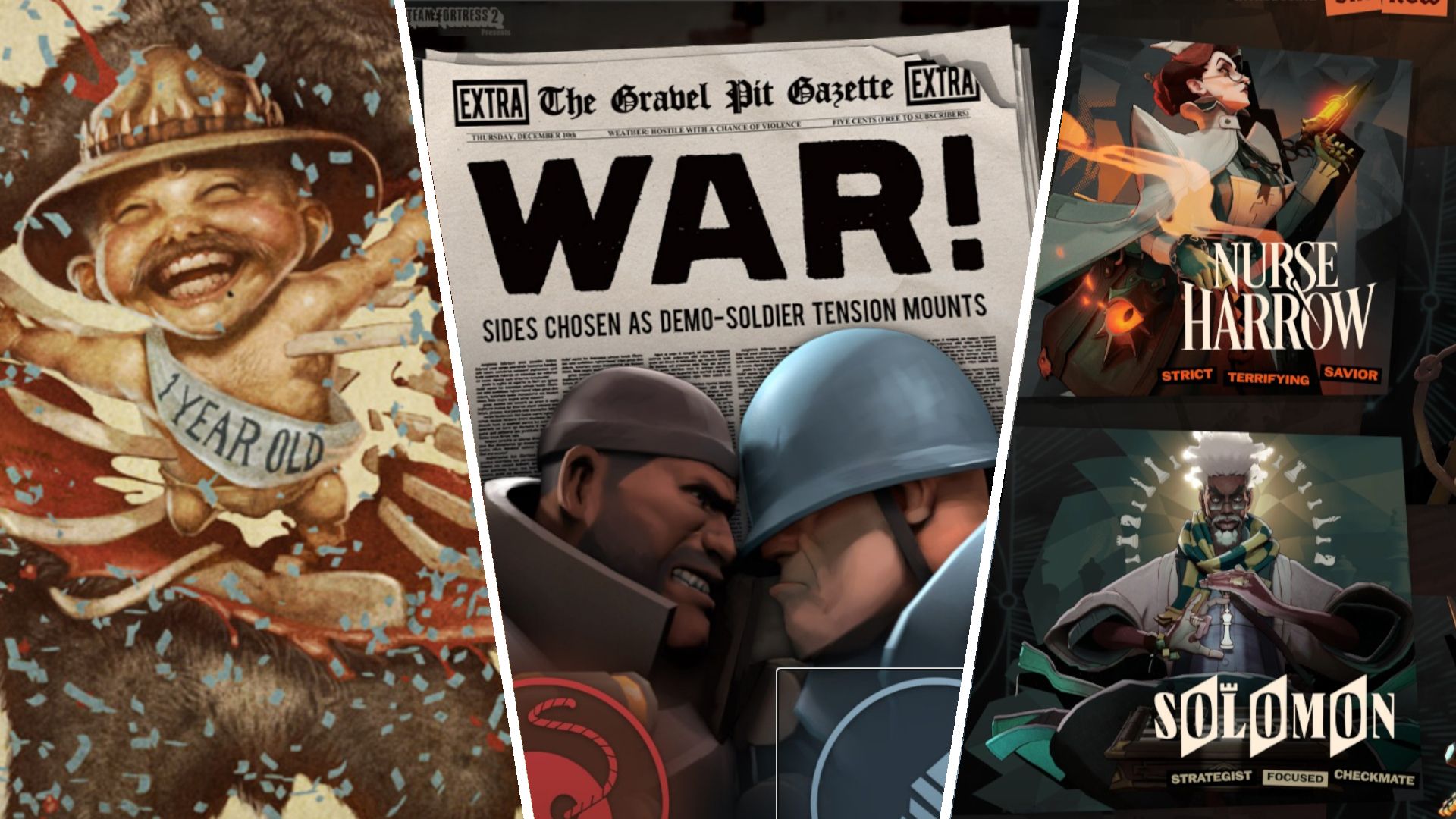
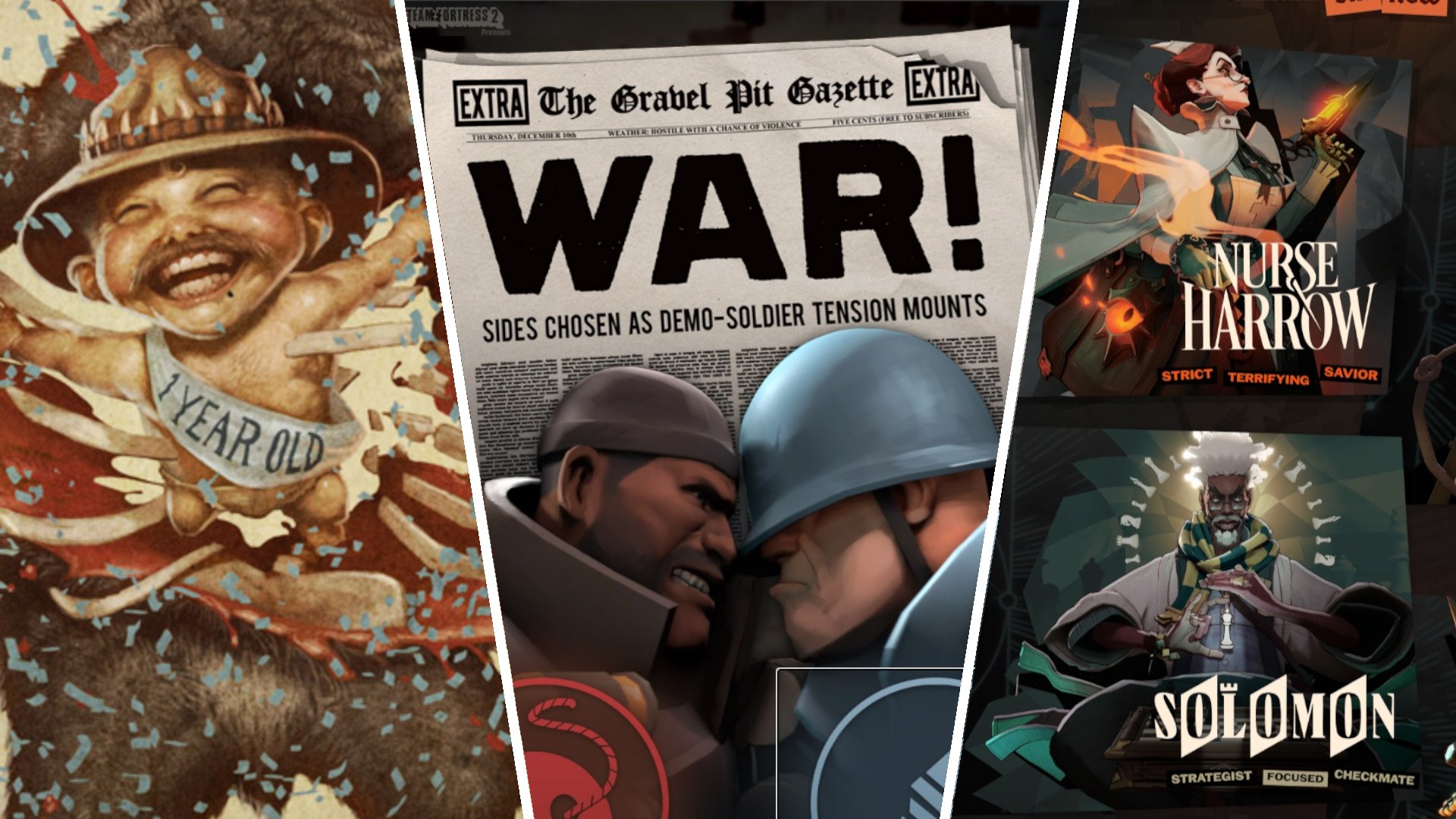
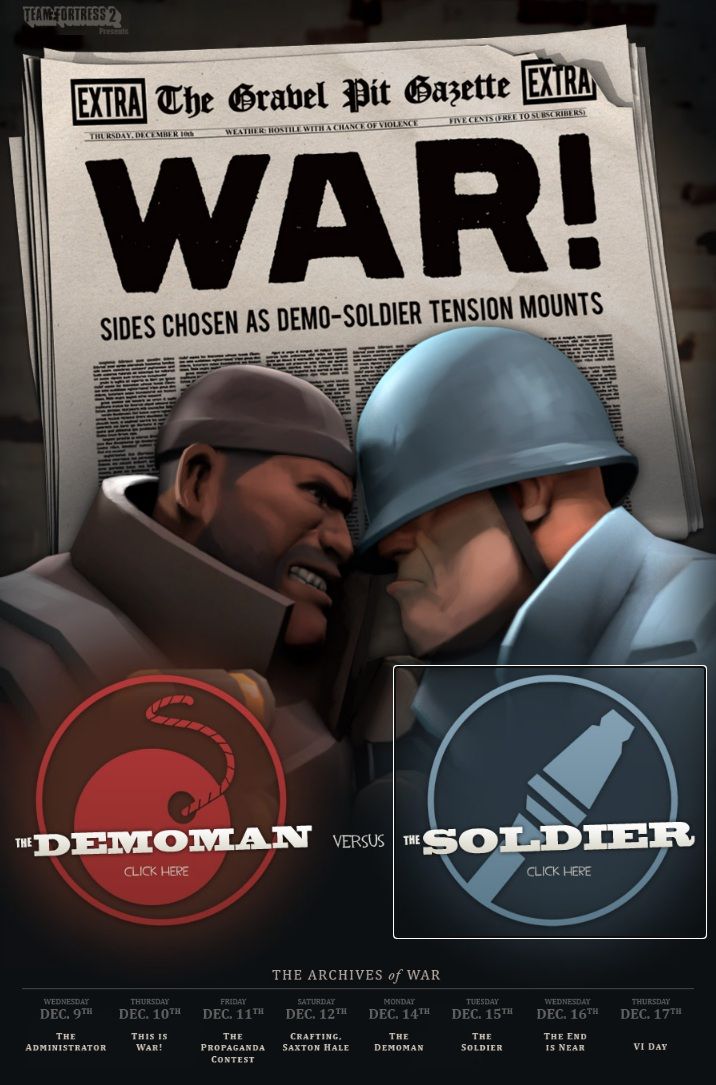
It cannot be overstated that Valve essentially pioneered environmental and multiplayer storytelling in the team-based shooter genre. This tradition arguably kicked off with the landmark 2009 "WAR! Update" for Team Fortress 2, colloquially known as the "Soldier vs. Demo" showdown.
This cultural milestone occurred long before the modern concept of seasonal live-service roadmaps took over the industry, before multiplayer games relied on external media tie-ins, and before "games as a service" became the standard corporate vocabulary. Back then, Valve had simply crafted a cast of nine lovable, eccentric mercenaries and began rolling out updates that did far more than just drop new equipment. These patches told ongoing stories that placed the characters in direct conflict with one another, injecting rich narrative context into the multiplayer maps players had already been fighting across for years.
At the time, it felt remarkably unorthodox for a first-person shooter to receive such robust, entirely free post-launch expansions. It felt even stranger for a developer to treat the arrival of new weapons, gameplay modes, and cosmetic hats as major cultural events worthy of dedicated splash pages complete with professionally illustrated comic books.
Team Fortress 2 firmly established the gold standard for post-launch support. Its patch notes generated immense anticipation within the gaming community, often dropping late on Thursday or Friday afternoons in the Pacific time zone—a timing that suggested Valve developers were polishing the details right up until the final hour. These blog posts were never formulaic month-to-month; they regularly adopted entirely new color schemes, unconventional layouts, and custom interactive elements tailored specifically to the theme of each update.
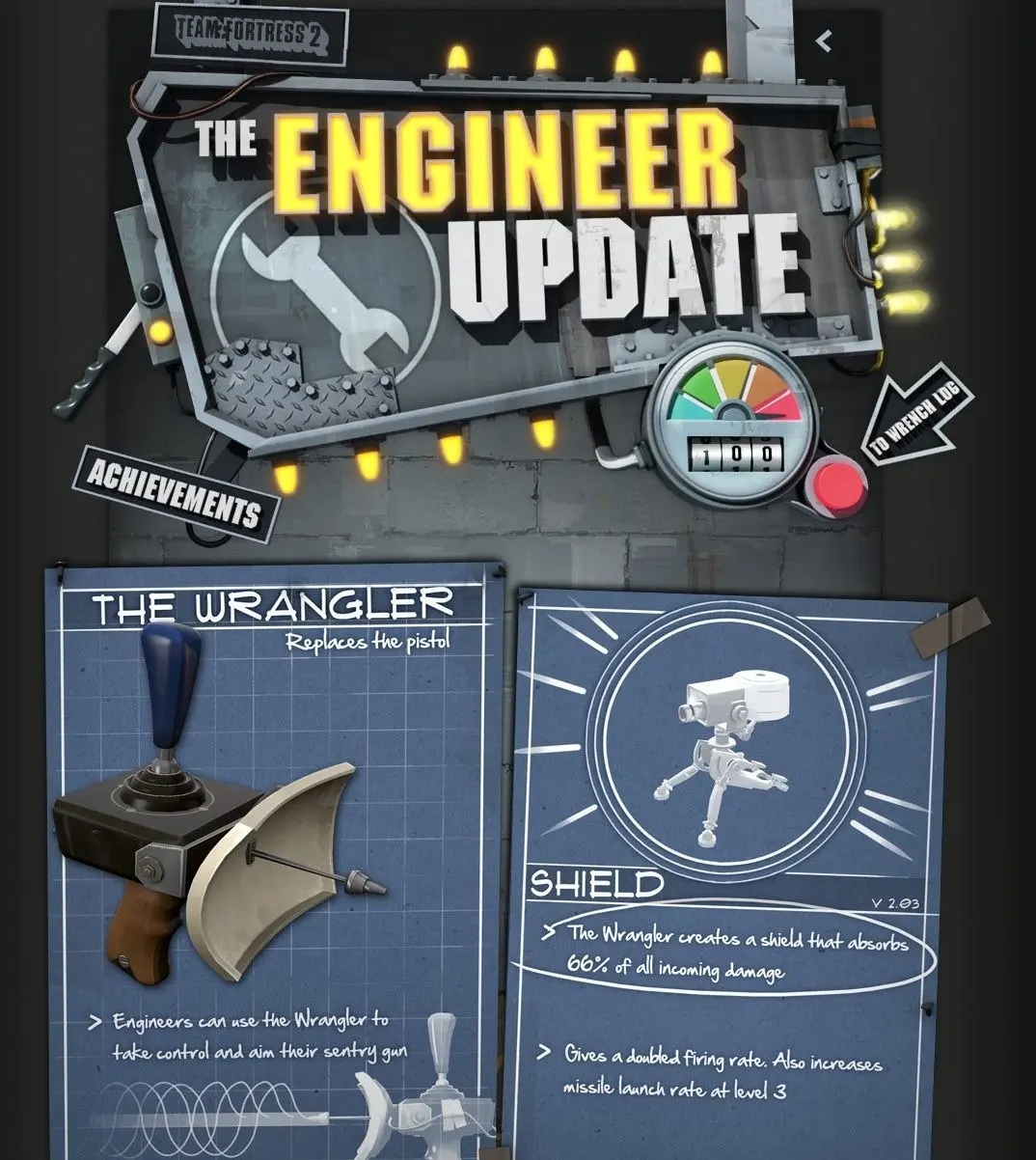
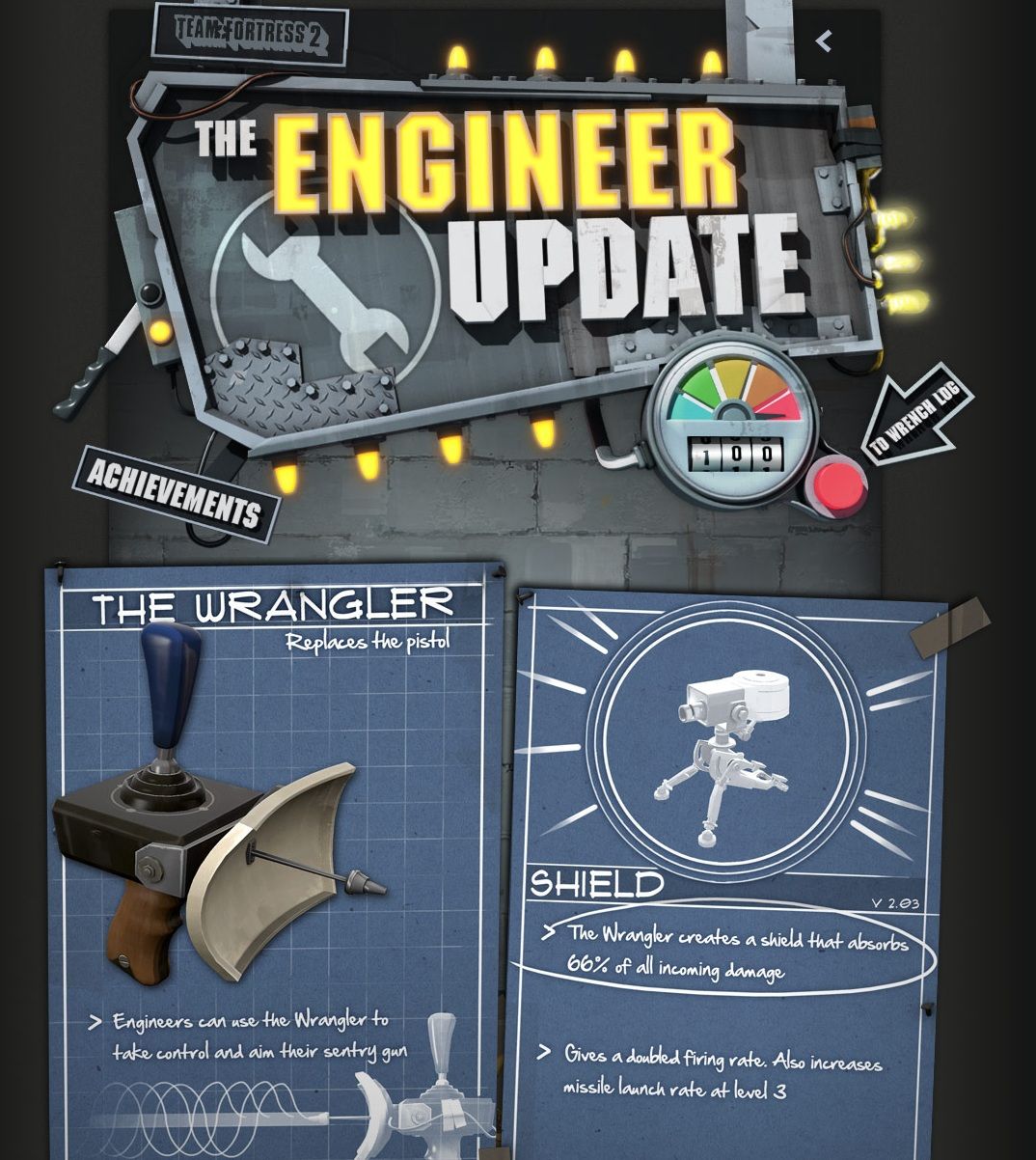
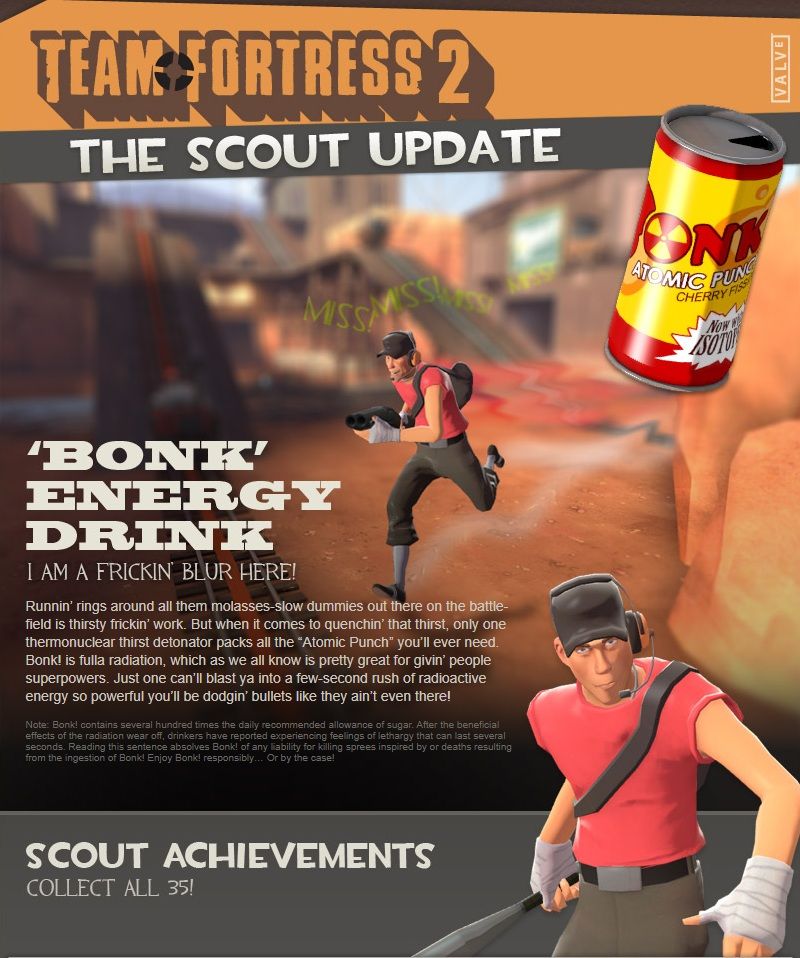
The studio steadfastly refused to stick to a single template. For instance, the Engineer update introduced his advanced Gunslinger gauntlet and Wrangler gadget as rugged blueprints annotated with hand-written notes. Meanwhile, the Scout update debuted the iconic Force-A-Nature scattergun inside a vintage department store catalog. Valve even announced the Mac OS version of Team Fortress 2 with a pristine, minimalist white homepage complete with symmetrical product boxes and microscopic text mimicking the distinct aesthetic of Apple marketing circa 2002.
Poring over the historical archive of the Team Fortress 2 website today feels akin to examining the artifacts of a lost civilization that independently invented sophisticated community engagement years before the rest of the industry caught up.
The Evolution of Valve’s Communication Strategy
Today’s gaming landscape is largely defined by highly formulaic battle passes, video games functioning as sprawling advertisement platforms, and development teams scrambling to alter their long-term plans the moment a feature lacks immediate popularity. Yet fifteen years ago, Valve possessed such profound confidence in its creative direction that it could arbitrarily instigate a war between the Soldier and Demoman classes, live-tracking millions of player kills across the globe until the Soldier narrowly triumphed with 6.40 million recorded kills against the collective Demomen’s 6.37 million. The studio could follow that up by introducing a complex crafting system one month and completely rebranding the game as "Scream Fortress" for the Halloween season the next.
Admittedly, this era was not entirely built on pure wholesome vibes. Valve caught considerable flak from its player base for introducing paid cosmetic hats, controversial loot crates, and a speculative community marketplace that quickly became a permanent fixture of its updates. In a move that would shock modern corporate PR departments, Valve even poked fun at the backlash with a subsequent satirical release dubbed "The Hatless Update."

Against this backdrop, the arrival of Deadlock‘s theatrical blog posts feels remarkably retro. It raises a natural question about what inspired Valve to pour this level of artistic effort into patch communication once again. Notably, the changelogs for Counter-Strike 2 and Dota 2 do not share this same theatrical flair. Their patch notes are comparatively regular, highly functional bulleted lists—perhaps reflecting the rapid, routine cadence with which those competitive titles are balanced and updated.
While Valve does occasionally produce unique, atmospheric web pages for major Counter-Strike 2 announcements or special Dota 2 seasonal events, the industry has long since moved away from the days when an incremental Mann vs. Machine update would be announced with a lavish movie poster rendered in the style of classic monster cinema.
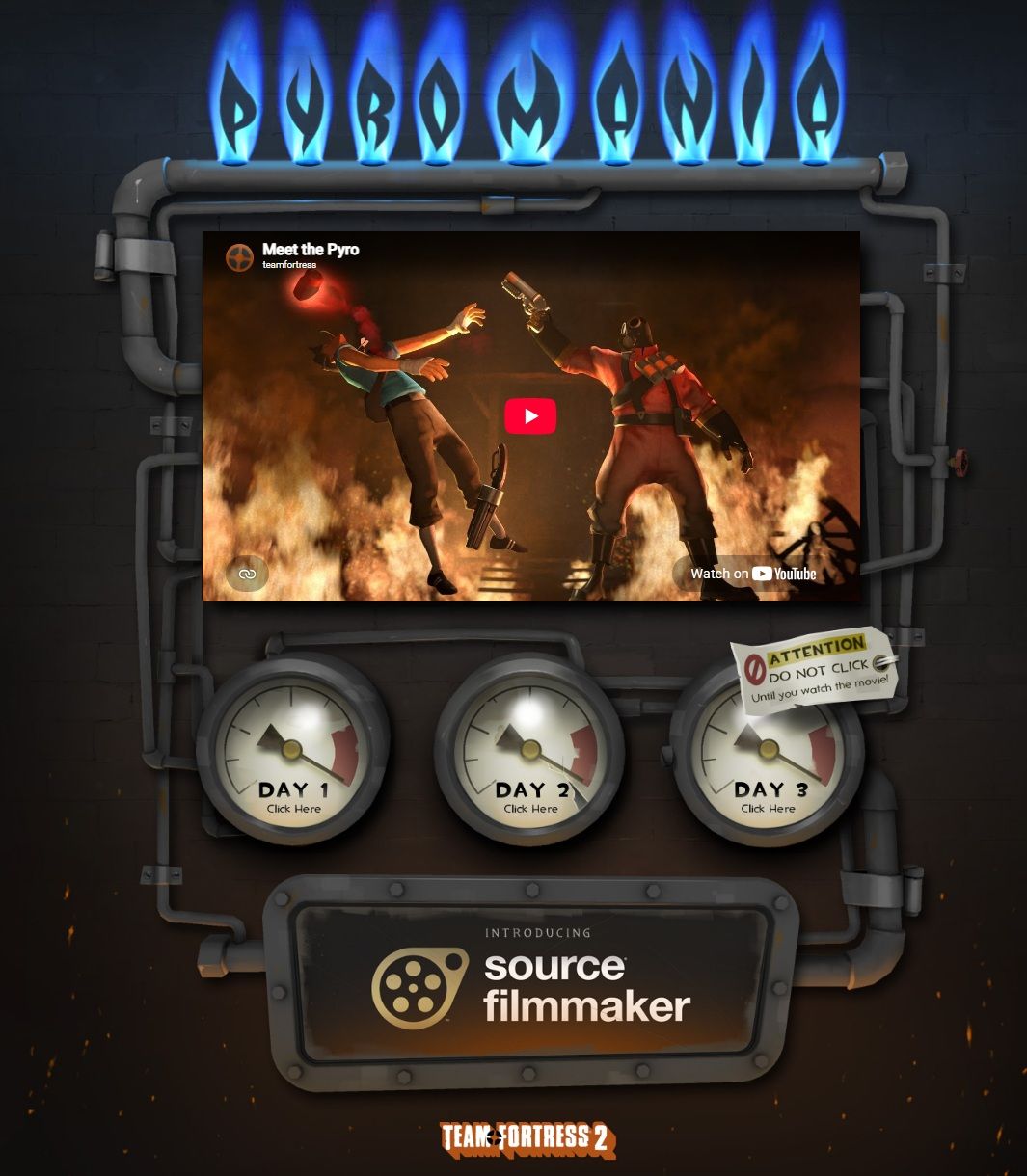
The exceptional, constantly morphing patch notes of Team Fortress 2 were always a direct reflection of the game they promoted. Valve leaned heavily into the inherent flexibility of an arena shooter, imagining a vibrant universe where the Red and Blu teams were actual corporate factions locked in absurd, petty conflicts. Players never truly knew what elaborate scenarios Valve’s designers would cook up next for their over-the-top characters, instilling a deep sense of wonder that very few multiplayer titles have managed to replicate since.
Perhaps it is no coincidence that the most prominent example of innovative, community-driven multiplayer storytelling in recent years—Helldivers 2—is another satirical war game that finds dark comedy in the utter futility of endless military violence.
With Deadlock, Valve appears to be tapping back into that dormant, creative Team Fortress 2 energy in small yet meaningful ways. While it remains to be seen whether Deadlock‘s inherent intensity as a competitive MOBA will eventually push the developers toward a more regimented, low-nonsense future focused strictly on the minutiae of balance adjustments, the current direction is a welcome sight. Whatever state Deadlock finds itself in years from now, its community can at least look forward to a masterclass in how patch notes used to be written.