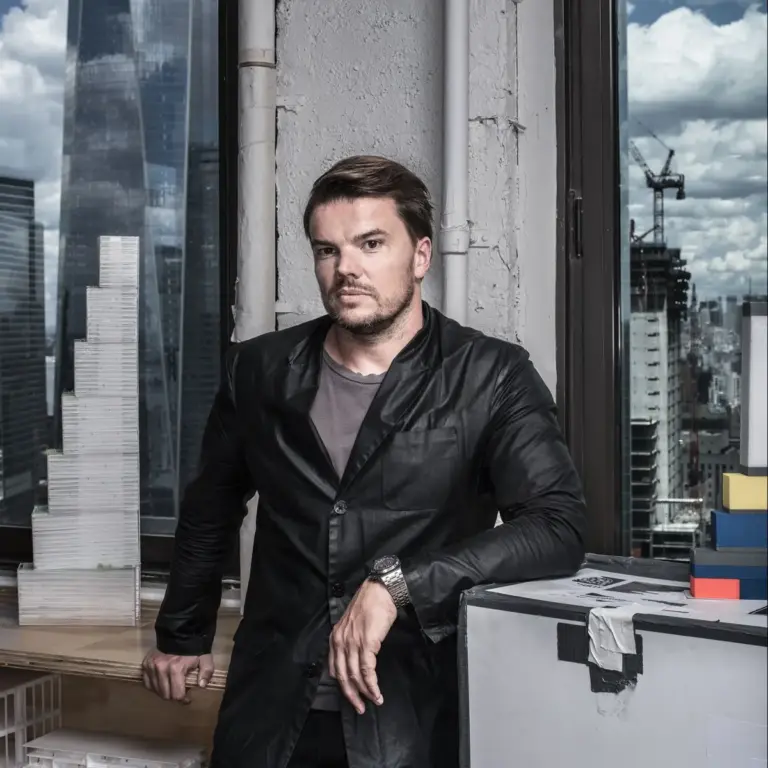
DETROIT — In 1984, a 19-year-old Maurice Malone set out to make himself a hat he had spotted in a video but could not find anywhere in local stores. There was only one catch: securing the necessary leather and suede required a business license from a Detroit supplier that sold exclusively wholesale. That administrative hurdle accidentally birthed his first company, setting in motion a trailblazing career that would permanently alter the landscape of streetwear and denim.
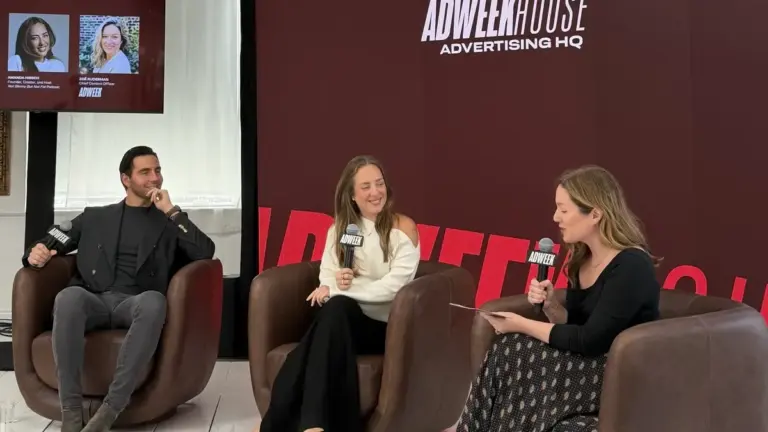
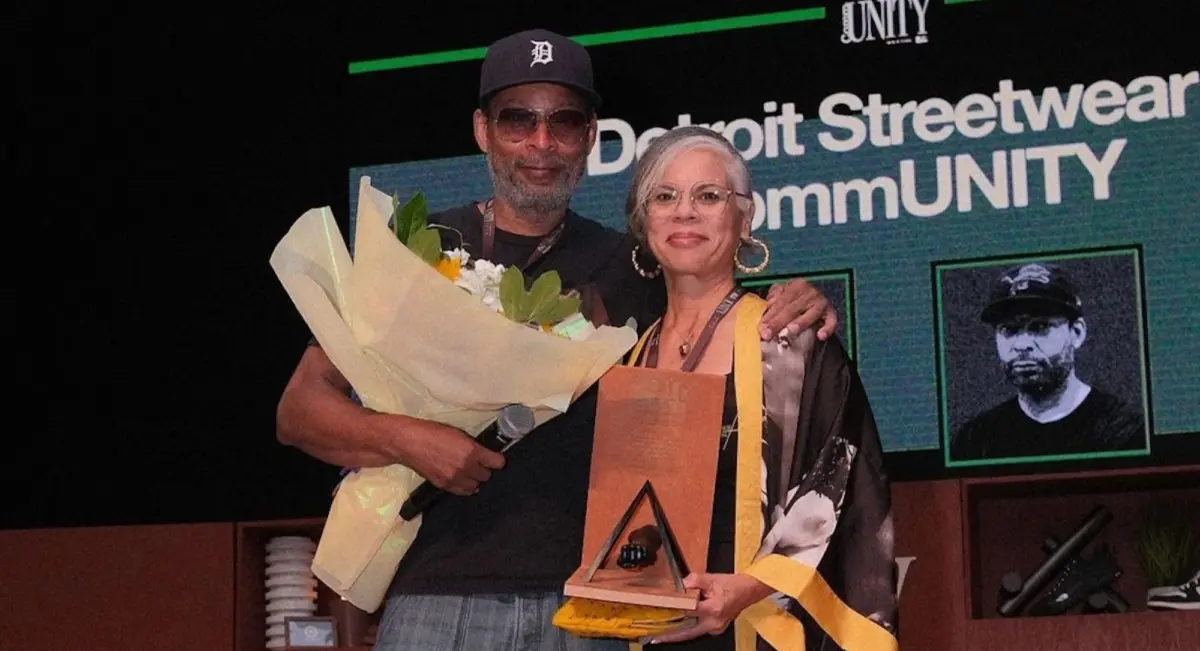
Malone’s journey into fashion was explored in depth during a panel at the September 2026 Black Footwear Forum in Detroit, where he was joined by fellow streetwear pioneer April Walker. Like Walker—whose iconic Walker Wear creations were famously embraced by hip-hop royalty like The Notorious B.I.G. and Tupac Shakur—Malone’s career is deeply and inextricably intertwined with the rise of hip-hop culture. While Walker’s designs captured the swagger of the East Coast, Malone’s legendary Detroit establishment, The Hip-Hop Shop, served as a crucial cultural incubator for Midwest rap legends, including a young Eminem.
The Accidental Innovator
Malone’s entry into denim specialization was born out of personal necessity and youthful resourcefulness. As a teenager in Oak Park, Michigan, he simply wanted to make the jeans he liked to wear. He visited his local public library to teach himself the basics of sewing and utilized his mother’s sewing machines. Lacking formal training, Malone turned his technical limitations into a signature design asset.
Speaking to WWD at the conference, Malone recalled learning on the fly. “Because I wasn’t formally taught and I was learning on the fly, I didn’t know how to make a zipper fly, so I made things like pull-up pants with an elastic waistband and denim with leather stripes,” he explained. “So what I made looked different simply because I couldn’t make it the way it should be made.”
This absence of zipper expertise led Malone to focus heavily on overalls. His double-sided, reversible paisley-print overalls quickly became a defining garment of his early career. During their on-stage conversation, Walker reminisced about those iconic pieces, telling him, “Your overall jeans, I still would love a pair because they were everything.”

From Underground Parties to New York and Back
Long before launching his full-scale clothing lines, Malone had a knack for event promotion, starting as early as his high school days. He eventually opened a club in Detroit called the U.N., which operated as his creative design studio by day and a bustling nightclub by night. The venue served as an ideal ecosystem where he could host fashion shows and sell his garments directly to consumers. However, after local law enforcement repeatedly shut down the club, Malone decided it was time to expand his horizons by moving to New York City, where he immersed himself fully in the burgeoning hip-hop scene.
By 1990, Malone felt the pull of home and moved back to Detroit with a clear mission: to bring the electric hip-hop energy he experienced in New York back to his roots. He planned to finance his growing design ambitions through hip-hop parties, inviting rappers he had befriended while selling his custom T-shirts and jeans. Alongside a friend, he launched a party series called Rhythm Kitchen inside a local Chinese restaurant named Stanley’s, and the events quickly gained massive traction. A Detroit retailer he was already supplying, Strictly Sportswear, stepped in to invest in his vision, challenging him to prove he could sell 1,000 pairs of jeans. Malone achieved that milestone before the production run had even been completed.
Incubating Legends and the Legacy of ‘8Mile’
Malone’s entrepreneurial vision eventually materialized into The Hip-Hop Shop, a retail and cultural space that famously hosted early rap battles for an up-and-coming Eminem. Malone detailed the dual-purpose nature of the venue during his panel discussion.
“We moved clothes back every Saturday 5 to 7 and we let kids come in and rap and battle each other,” Malone said. “And then we also did nightclubs, hip-hop night at The Shelter every Monday night.”
These two legendary Detroit venues—The Hip-Hop Shop and The Shelter—became the spiritual blueprint for the critically acclaimed, Detroit-based semi-autobiographical film “8 Mile,” which drew heavily from Eminem’s real-life experiences. Malone was brought on as a consultant for the film.

“In the movie ‘8 Mile,’ they combined our hip-hop parties at the actual Shelter and they took our Hip-Hop Shop battles and put them in the atmosphere of the nightclub,” Malone explained. “I worked with the director because I used to record the battles and had footage from the parties. So they used our footage to try to recreate those battle scenes.”
High Fashion Recognition and the Battle for Retail Space
As his enterprise scaled, Malone returned to New York and partnered with a new business associate from 1995 to 2001, marking a highly successful era during which he expanded into high-end fashion, specialized denim, and contemporary sportswear.
His creative contributions earned mainstream critical acclaim in 1997, when he was nominated by the Council of Fashion Designers of America (CFDA) for the prestigious Perry Ellis Award for menswear, standing alongside fellow nominees Sandy Dalal and Marc Jacobs. Reflecting on the historic milestone during their panel, Walker noted, “You were probably the first that I can remember coming from our culture that was nominated.”
Despite the critical acclaim and massive cultural impact, navigating the traditional retail landscape as a Black designer during the 1990s presented immense systemic challenges. Malone recalled how major department stores deliberately kept urban brands off their sales floors.
Before urban streetwear brands gained widespread department store distribution, Malone attended a DNR retailers’ conference in Palm Beach, where the president of Macy’s was the keynote speaker. Confronted by a room that lacked meaningful racial representation, Malone raised his hand to question the retail executive directly about the glaring lack of diversity in high-end department stores.

“I told him, you guys sell Tommy, you sell Ralph Lauren and they sell. They’re big in the urban community, but you don’t let any urban brands in your stores,” Malone recalled. “And we’ve already proven that we have a market, so I want to know what’s the holdup from letting us in.”
Though he was told management would look into the matter, Malone believes his outspokenness ultimately resulted in him being blackballed by mainstream retail buyers.
“They start bringing in all the other brands. They start bringing in Fubu, Ekko, Karl Kani. Every brand they brought in, and we were in every city across the nation, number one, two or three top seller. And they just left us out,” he said.
Securing editorial placements in major fashion magazines presented a similar uphill battle. Yet, Malone acknowledges that the industry has evolved significantly regarding diversity since those early days of grassroots hustle.
“We had to fight for everything,” Malone said of his formative years in the industry. “Even with the runway shows. I was the first designer from the hip-hop industry to go high-end, and now hip-hop is high-end. But at the time when I was doing runway shows, people were saying, ‘Fashion trickles down, it doesn’t trickle up.’”

Educating the Next Generation
Growing disenchanted with the commercialization and rise of celebrity-backed brands, and weary of the traditional streetwear business model, Malone ended his partnership in the early 2000s to pivot entirely toward independent runway collections. By 2012, he established Williamsburg Garment Co., a denim-focused enterprise that continues to operate today. For the first five years, he ran the company as a solo venture.
Today, Malone remains deeply committed to passing down his technical expertise and championing the return of American-made manufacturing. Through initiatives like the Denim Workshop—an intensive nine-week program that trains students on the complete lifecycle of jean production from start to finish—and his free online conversational series, Denim Talk, he provides accessible education for anyone looking to understand the mechanics of the garment industry.
As their on-stage conversation at the Black Footwear Forum drew to a close, April Walker reflected on how beneficial an ecosystem like the forum would have been when they were navigating the early stages of their careers. The discussion culminated in a heartfelt moment of recognition, with Walker presenting Malone with a bouquet of flowers and passing on her Trailblazer Award to honor his enduring legacy.