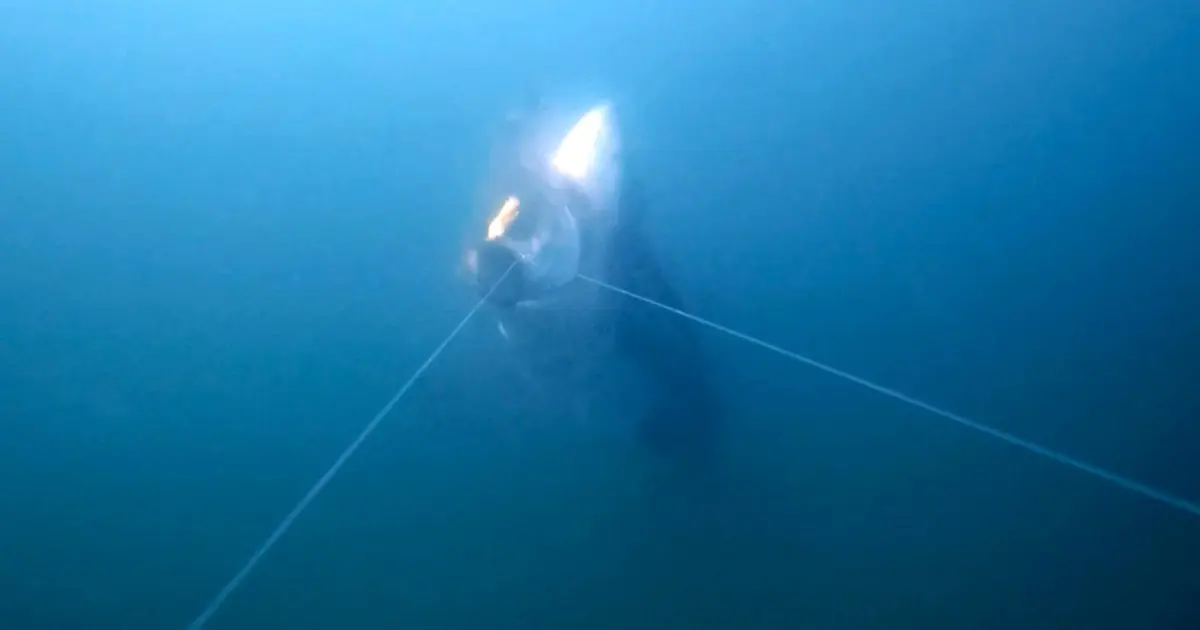
An experienced National Geographic photographer has successfully captured what is widely believed to be the first-ever underwater footage of a great white shark snatching a hooked fish directly off a fishing line.
The rare and remarkable behavior was documented off the scenic and historically rich coast of Cape Cod, Massachusetts. To achieve this unprecedented visual milestone, renowned photographer Brian Skerry collaborated closely with local charter boat captains, dedicating several days of filming over the summer to document a phenomenon increasingly known to marine scientists and fishermen as "depredation."
This groundbreaking documentation arrives in the wake of mounting reports from Cape Cod charter and commercial fishermen detailing an escalating frequency of aggressive attacks on their hooked catches. According to accounts published by National Geographic, local anglers are frequently reeling up fish bearing fresh, severe bite marks. In many instances, the fishermen find that only the severed head of the fish remains on the line by the time it is pulled out of the water.
"There have been more and more sharks hitting fish. What we come back with is just the head, and the sharks will come right up to the boat, within four or five feet, chasing what’s left," explains veteran charter boat captain Hap Farrell. According to Farrell, this behavior has escalated noticeably and become a regular occurrence in the waters off the Massachusetts coast over the past three years.
Brian Skerry, a seasoned National Geographic photographer who has logged more than 10,000 hours working underwater across the globe, managed to secure the footage on June 29. Operating in challenging conditions, Skerry filmed a juvenile female great white shark that appeared suddenly and at a remarkable speed through murky, visibility-challenged waters before deftly snatching a hooked fish from the line.
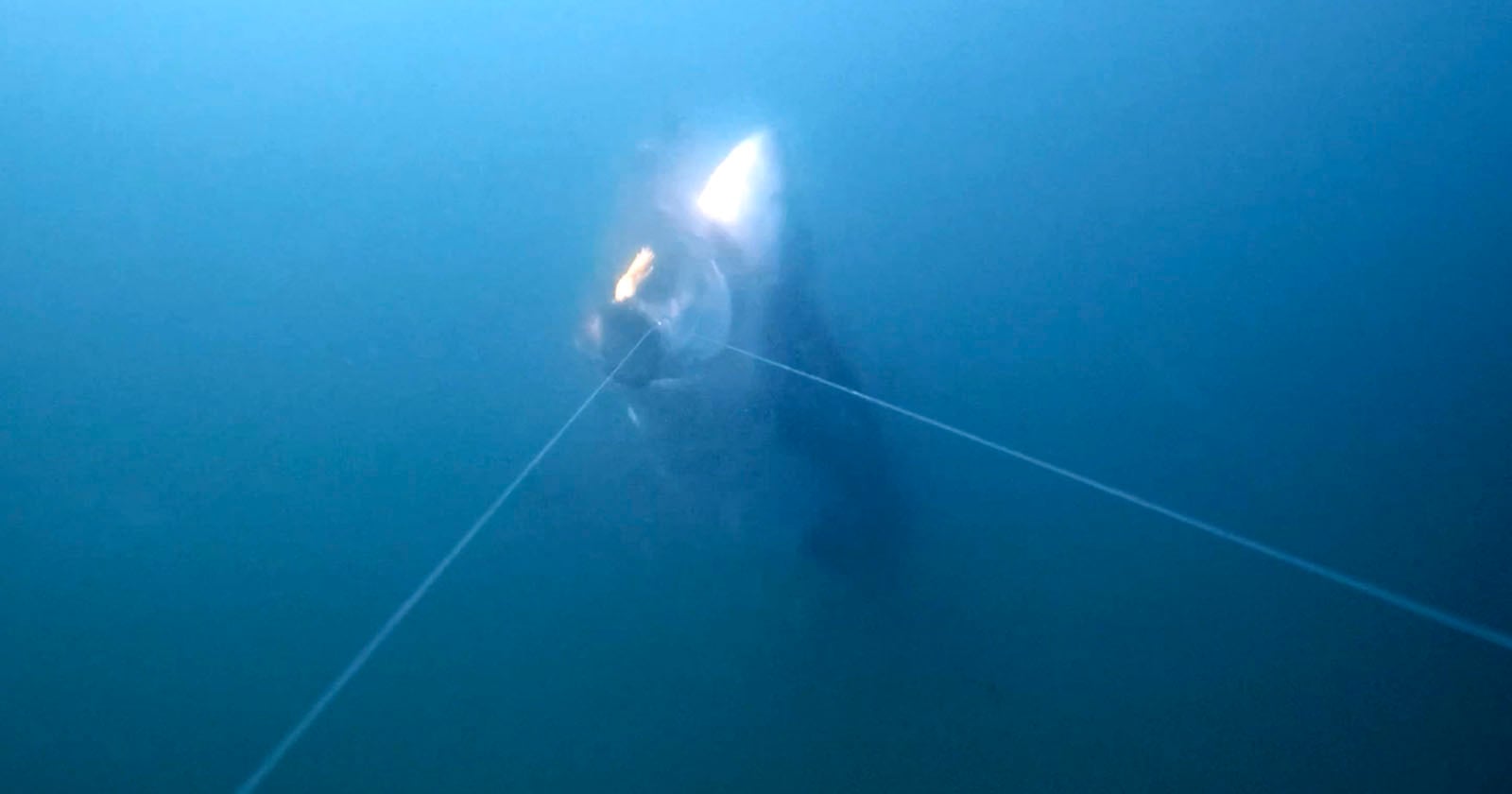
Reflecting on the calculated nature of the encounter during an interview with CBS News, Skerry noted the apparent precision of the predator. "She grabs it from the side, and it almost seems intentional that she’s not grabbing where the lure is. She doesn’t want to get hooked either, you know, or herself," Skerry told CBS News. "Now again, maybe I’m giving them too much credit or reading into it too much, but I do think there’s some decisions being made."
Throughout the project, Skerry relied on real-time updates regarding depredation events from local mariners. However, while depredation is a phenomenon that charter captains and anglers have observed countless times over the years, those previous sightings were almost exclusively viewed from above the surface, looking down into the water. Skerry’s underwater camera work provides an intimate, eye-level perspective of the interaction between apex predator and human enterprise for the very first time.
Beyond capturing a fascinating moment in marine wildlife behavior, Skerry emphasizes that the broader context of the project carries an important ecological message. "My goal was to help people understand that this place, Cape Cod and the Gulf of Maine, has a healthy, recovering population of large predatory sharks, particularly great whites," Skerry says, as reported by Nat Geographic. "While a great concern for beachgoers, it is a good thing for the ocean. It is a good thing for the planet."
Marine biologists and environmental researchers have heavily attributed the surging presence of great white sharks in these New England waters to the dramatic recovery of the local gray seal population. Historically hunted and heavily depleted by commercial sealing operations and bounty programs in centuries past, gray seals are now protected under federal law and currently number in the tens of thousands along the Massachusetts coastline. This booming marine mammal population provides an abundant, reliable source of sustenance, effectively transforming Cape Cod into a major seasonal feeding ground and nursery habitat for great white sharks.
However, the intersection of a recovering apex predator population and human coastal activities is not without its complications. The rising frequency of depredation incidents has become a growing source of anxiety for marine conservationists and local business owners alike. Fisheries experts fret that as great whites become increasingly habituated to targeting hooked fish near vessels, the resulting economic friction could intensify, potentially fueling conflicts between local fishermen and the protected wildlife populations sharing the coastal waters.