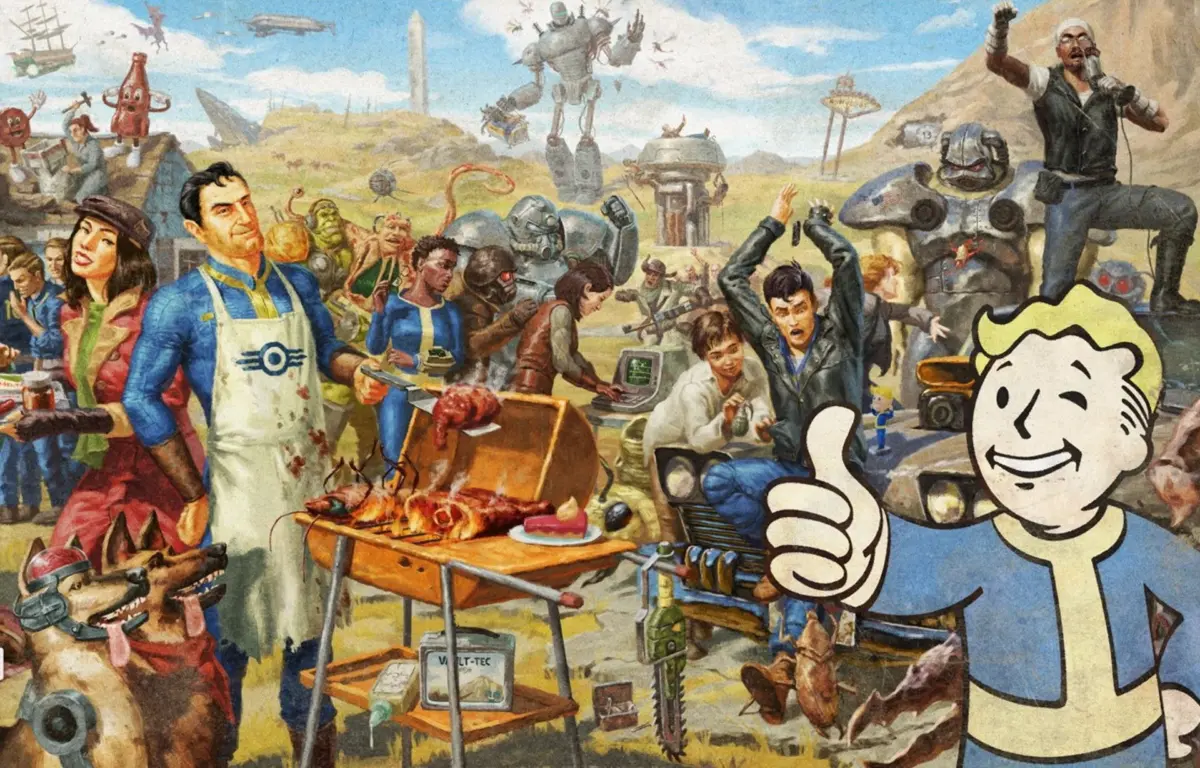
As the gaming community looks toward the horizon for the next mainline installment in the Fallout series, industry observers and fans alike are bracing for a remarkably protracted wait. Fallout 4, the last single-player mainline entry in the post-apocalyptic role-playing franchise, was released nearly a decade ago in 2015. While Microsoft and Bethesda Softworks continue to manage the intellectual property through projects like Fallout 76 and external collaborations such as Obsidian Entertainment’s beloved contributions, a theoretical Fallout 5 remains firmly out of reach.
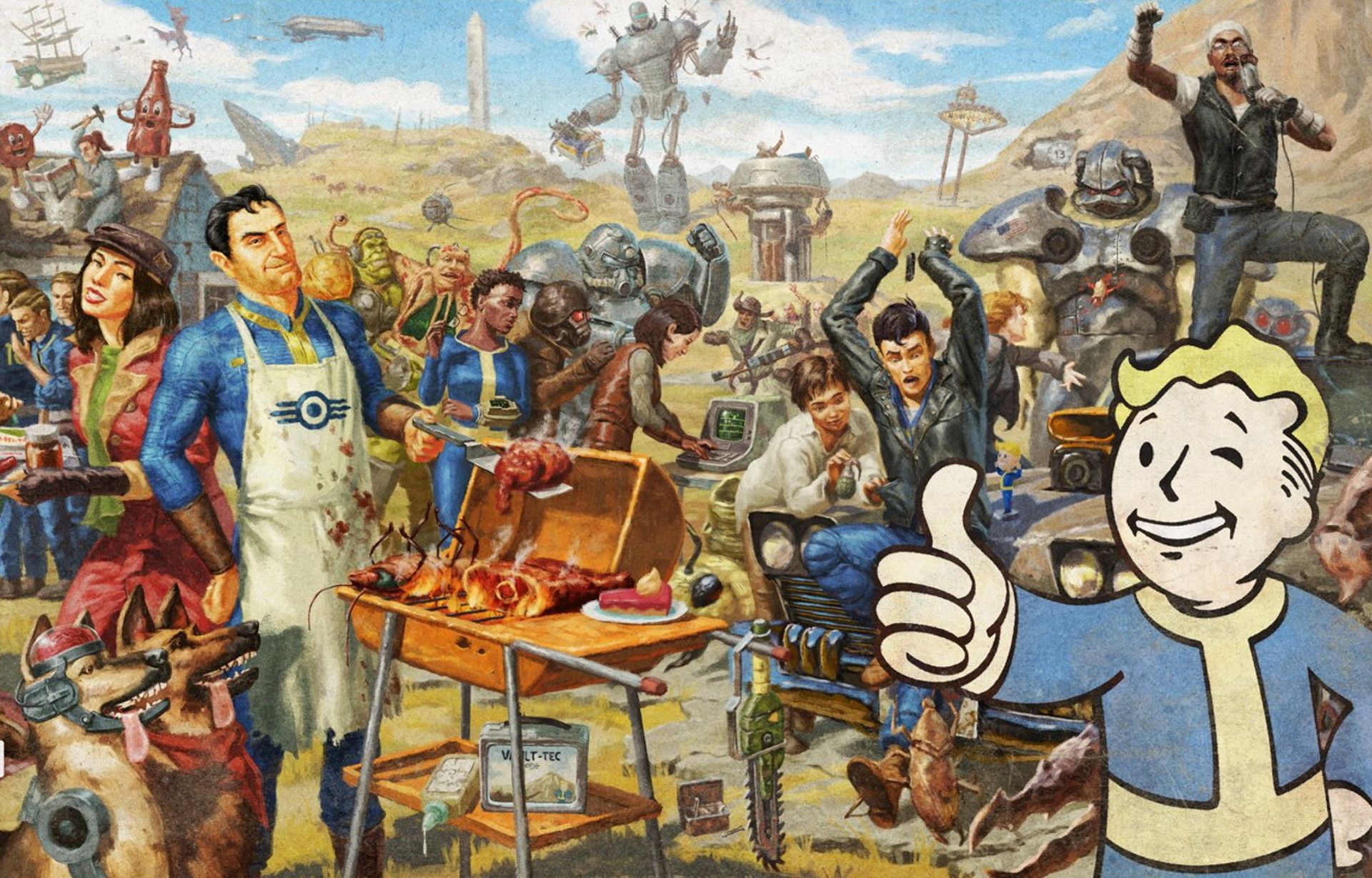
Current development timelines suggest that Fallout 5 is easily half a decade away, if not significantly longer. Bethesda Game Studios must first complete and release The Elder Scrolls VI, a massive undertaking that itself remains several years from completion. With the possibility of a fifteen to twenty-year gap between mainline single-player titles, the PC Gamer editorial team recently gathered to unpack their evolving thoughts on the franchise, questioning established norms, examining classic titles, and considering what the future of the wasteland could—and perhaps should—look like.
If You’re Gonna Remaster Any Fallout Games, It Should Be the First Two
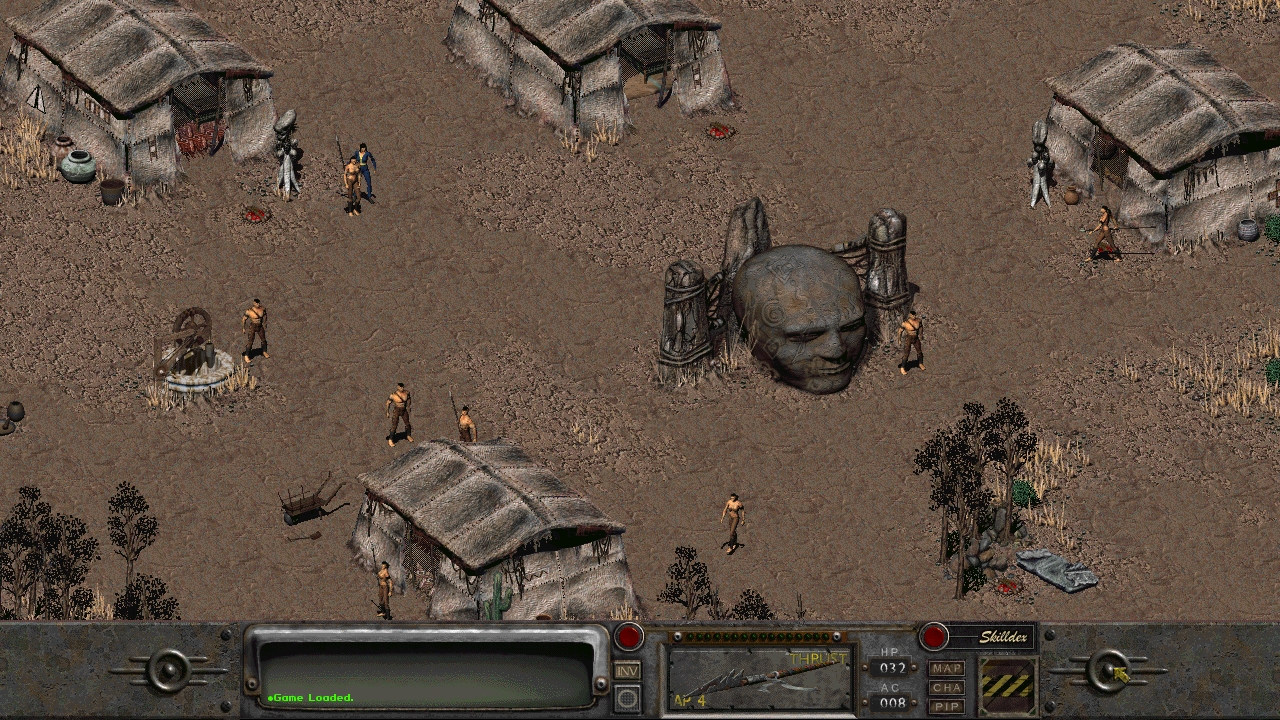
For players who entered the franchise later through Bethesda’s first-person adaptations, engaging with the original top-down isometric titles developed by Interplay can present a daunting barrier to entry. While classic entries like Fallout and Fallout 2 remain readily accessible on digital storefronts like Steam, their interface design, mechanical complexity, and aged presentation can feel distinctly archaic to modern sensibilities.

Recent industry developments have confirmed that modern remasters of Fallout 3 and Fallout New Vegas are on the horizon, largely seen by observers as strategic moves by Microsoft. However, critics argue that the titles most deserving of a modern polish are the original two games. Rather than requiring a radical reimagining or a complete structural overhaul, a streamlined update focusing on modern operating system compatibility, intuitive user interfaces, and flawless, native Steam Deck performance could open the doors for an entirely new generation of players to experience the foundations of the wasteland without wrestling with clunky legacy controls.
Hardcore Mode is the Best Way to Play New Vegas
For years, optional survival features categorized under demanding difficulty settings often appealed to a very specific, niche demographic of hardcore players. However, revisiting titles like Fallout: New Vegas with its built-in Hardcore mode enabled reveals a drastically different and far more rewarding gameplay experience.
Unlike punishing permadeath mechanics that wipe save files upon a single mistake, Hardcore mode introduces a survival layer reminiscent of gritty post-apocalyptic shooters. The system slows down instantaneous healing and makes regular eating, drinking, and sleeping mandatory components of daily survival. By introducing weight constraints to ammunition and imposing strict penalties for consuming raw provisions, the game elevates underutilized mechanics like cooking and foraging. Furthermore, it forces players to reconsider previously overlooked perks, companion management strategies, and inventory distribution, proving that when every resource carries physical weight, player decisions carry significantly more narrative and tactical gravity.
Fallout 4 is More Interesting Than Fallout 3
When comparing Bethesda’s modern single-player entries, Fallout 3 and Fallout 4 represent distinctly different philosophies in game design. Fallout 3 succeeded brilliantly in its core ambitions, effectively translating Bethesda’s open-world formula into a ruined Washington, D.C., complete with iconic 1940s and 50s radio hits. Yet, beneath its atmospheric exploration, it ultimately functioned as a relatively safe, conservative template—often described colloquially as Oblivion with guns.

Conversely, Fallout 4 functioned as a massive sandbox of ambitious experiments, many of which yielded mixed results. Systems like intricate settlement-building often leaned closer to a source of friction than immersive engagement, a fully voiced protagonist drew varied reactions, and the overarching narrative struggled to match the narrative nuance found in New Vegas. Despite these stumbles, the willingness to embrace ambitious, messy design choices makes Fallout 4 a far more compelling subject of study than its safer, more conventional predecessor.
The Fallout Show Should Feel More Free to Stomp on Established Lore
The expansion of the Fallout universe into television via Amazon Studios’ live-action series has naturally sparked intense discussions regarding canon and continuity. Longtime fans frequently scrutinize adaptations for minor deviations from terminal entries, lore books, and historical facts established across decades of video game releases.
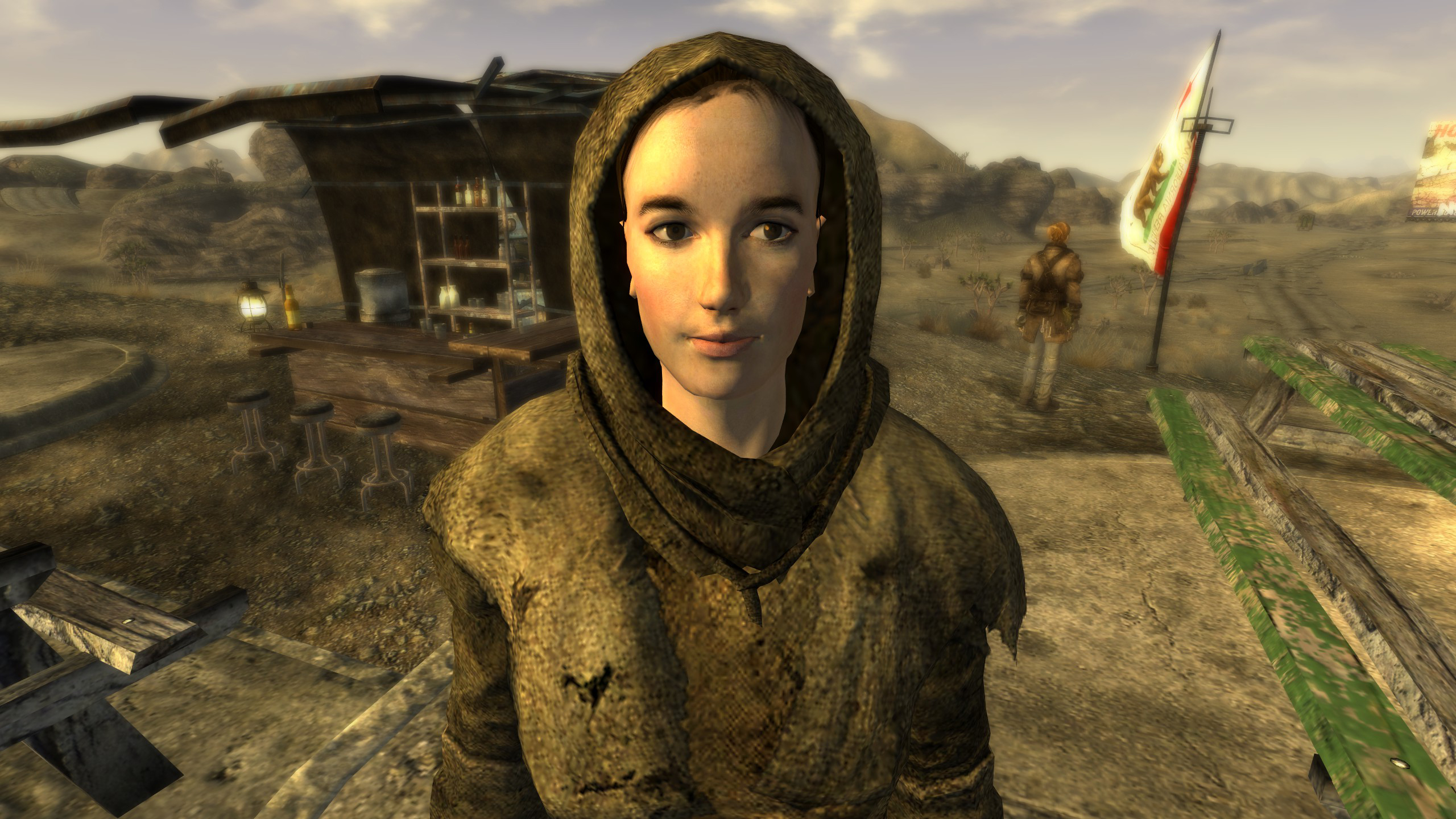
However, historical records—both in the real world and within complex fictional universes—are rarely entirely monolithic or objective. Drawing parallels to in-universe historical texts like George R.R. Martin’s Fire & Blood, historical accounts are frequently shaped, misremembered, or fabricated by unreliable narrators, biased scribes, and political actors. Embracing this narrative philosophy suggests that television and film adaptations should feel entirely liberated to rewrite, reinterpret, or outright challenge established lore, allowing for a more dynamic and organic storytelling medium that mirrors the imperfections of real history.
Fallout Doesn’t Have to Be About a Vault Dweller
Across nearly every major installment in the franchise—from the designated vault residents of the mainline entries to the tribal protagonist of Fallout 2 and the courier of New Vegas—narrative conventions almost invariably funnel the player back into a standardized blue Vault-Tec jumpsuit equipped with a Pip-Boy.

While fantasy role-playing franchises readily embrace vast species variety and diverse origin stories, the Fallout series has traditionally maintained a rigid template for its protagonists. While online multiplayer titles like Fallout 76 eventually introduced transformation mechanics, future single-player installments would benefit immensely from breaking away from the standard vault prologue entirely. Allowing players to step into the wasteland as a ghoul, super mutant, synth, or native survivor from the outset would instantly revitalize the narrative entry point and offer fresh perspectives on a familiar world.
Fallout Doesn’t Have to Be About Fallout
Decades of iteration have transformed Fallout into a recognizable cultural formula defined by recurring tropes: super mutants, ghouls, the Brotherhood of Steel, deathclaws, retro-futuristic Vaults, and ramshackle desert settlements. While these elements were revolutionary during their original conception, the repetition risks wearing thin.
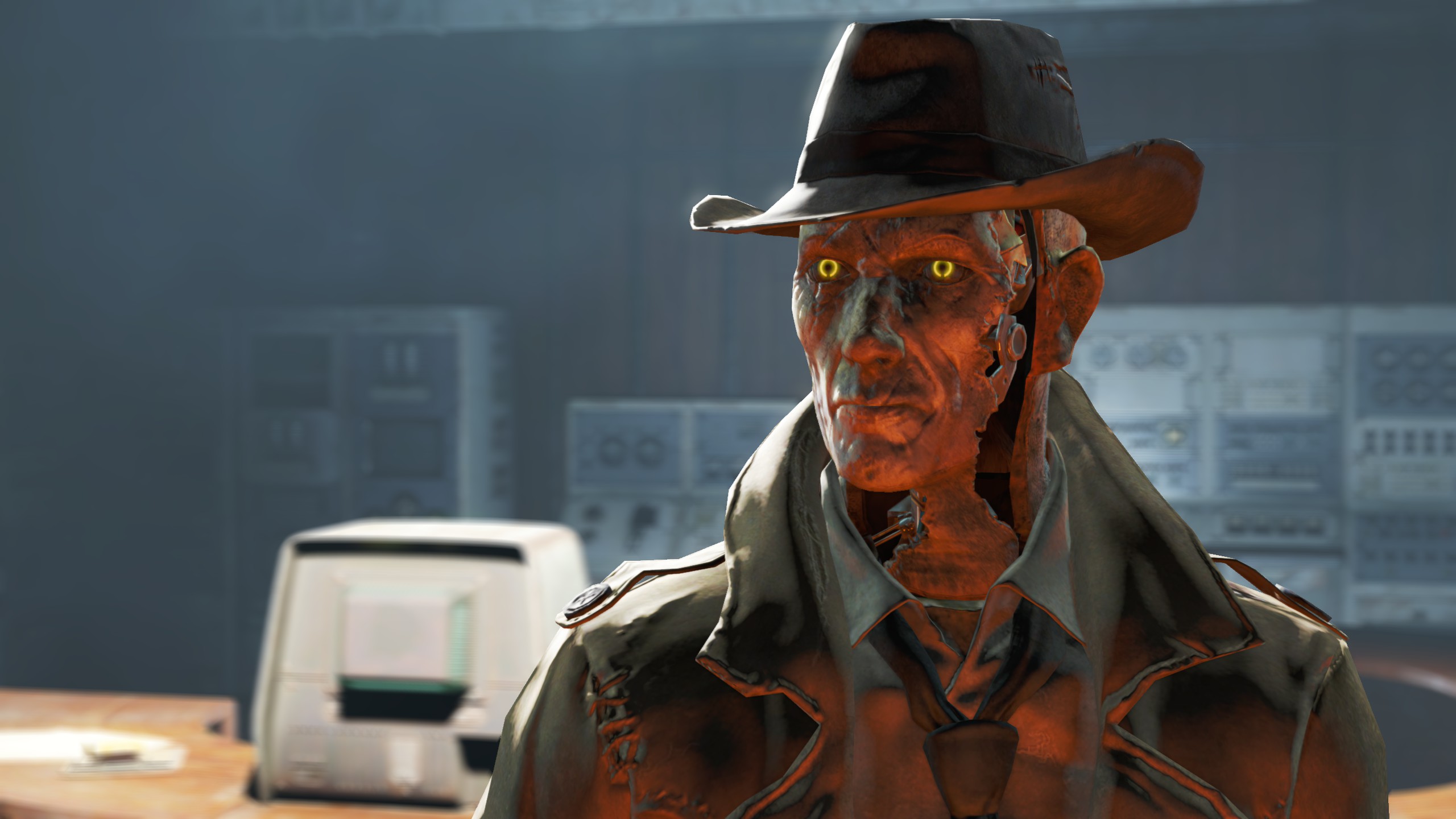
Expanding the geographic scope far beyond traditional desert landscapes—perhaps exploring deep regional cultures in locations entirely detached from corporate Vault-Tec infrastructure, such as the Deep South or Alaska—could fundamentally alter how human societies survived and evolved after the bombs fell. Shifting away from established canon allows the franchise to escape its own creative boundaries and deliver genuinely novel settings.
Fallout Shelter is Great and We Need More Spinoffs
The enduring success of Fallout Shelter highlights the fact that the franchise’s appeal extends far beyond traditional first-person role-playing games. For many fans, the true draw is the distinct atmospheric setting, retro-aesthetic, and dark corporate satire rather than any specific gameplay genre.

The broader Fallout intellectual property holds immense, largely untapped potential for diverse spinoff media. Whether through complex grand-strategy titles, traditional city-builders, narrative management games, or dark literary expansions penned by accomplished authors, exploring alternative genres could maintain audience engagement and expand the cultural footprint of the wasteland while the industry waits for the eventual arrival of Fallout 5.
Fallout 2 is Over-Rated
While the original Fallout introduced players to a grim, oppressive wasteland where player choice and strategic dialogue shaped a bleak future, the internet consensus often elevates its sequel, Fallout 2, as the pinnacle of the franchise. However, subsequent re-evaluations suggest that Fallout 2 marked a turning point toward zany pop-culture references, heavy-handed humor, and theme-park world design.
By trading the oppressive, tense survival atmosphere of the original game for sprawling content density and whimsical side quests—ranging from kung-fu enclaves to porn-industry questlines—Fallout 2 leaned heavily into a philosophy of scale over tone. For some veterans of the series, this shift represented an early blueprint for the unfocused open-world design patterns that would eventually dominate the RPG landscape for decades to come.