The White House’s decision to muzzle the voices of certain news channels has once again shone a stark light on the profound importance of traditional media for the general public—and, paradoxically, for the executive branch itself. In a political environment defined by deep partisan divides and shifting communication paradigms, a recent confrontation between the current administration and the press corps has produced an unexpected alignment across the American news industry.
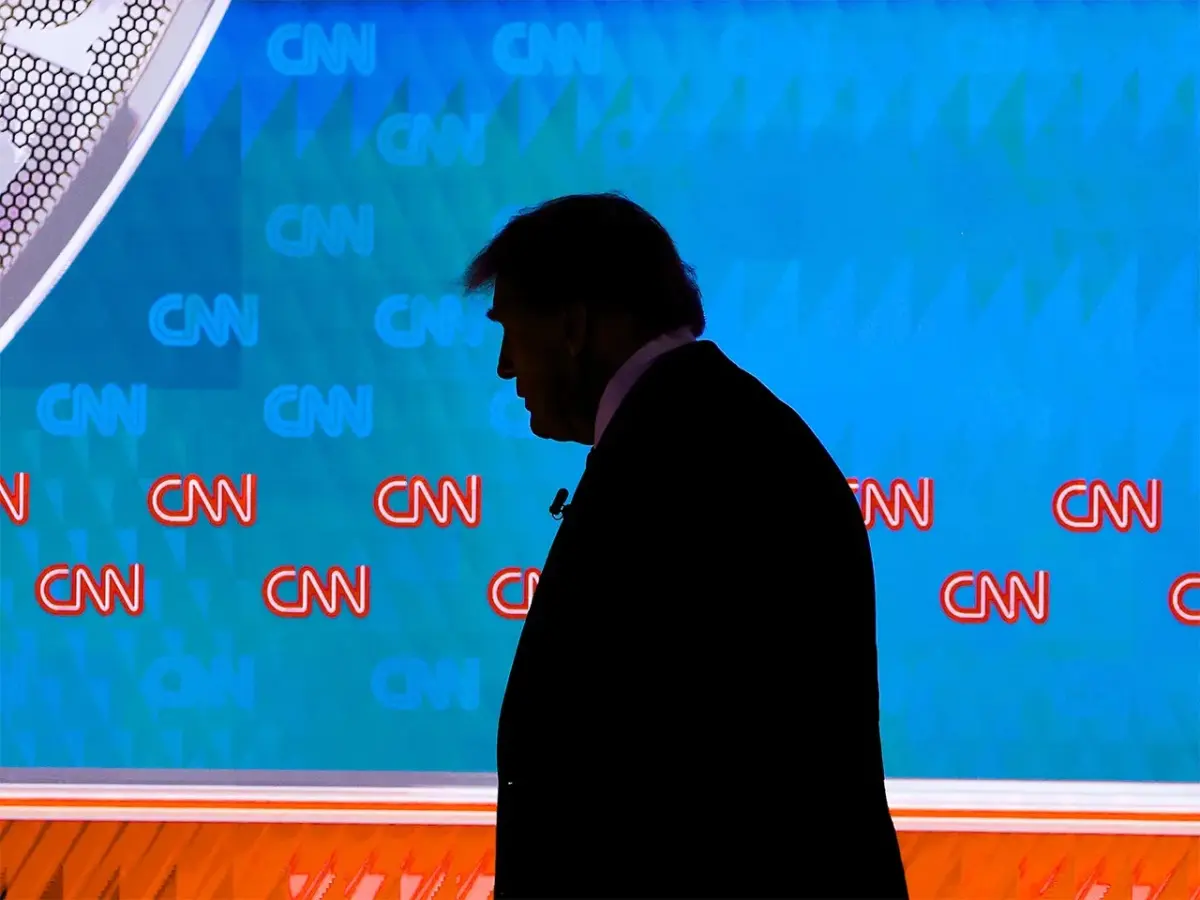
The normally hyper-competitive United States news landscape briefly sounded less like a collection of fierce corporate rivals and more like a united trade union this week. This sudden solidarity was forged in the wake of the Trump administration’s decision to bar several prominent news organizations—namely CNN, MS Now (formerly known as MSNBC), and the digital, Washington-insider news outlet Politico—from accessing the White House grounds. Explaining the move on his preferred social-media platform, the president asserted that these two left-leaning cable news channels and the prominent digital outlet "shouldn’t be able to constantly write or report FICTION and LIES." Even though some of the affected reporters were eventually permitted to re-enter the White House complex shortly after the initial ban, the broader debacle should spark a renewed sense of confidence and appreciation for traditional, rigorous news-gathering institutions.
Interestingly, no single, specific recent incident served as the immediate catalyst for this latest eviction. In response to the administration’s actions, the United States’ five major television news networks—ABC, CBS, CNN, NBC, and Fox—collectively agreed to take a dramatic and unified stand: they suspended pool coverage of White House events. The ripple effects of this unprecedented display of industry solidarity quickly extended beyond cable and network television. When listeners tuned into National Public Radio’s coverage of the United Nations General Assembly, anchor Mary Louise Kelly pointedly informed her audience that they would not be hearing the president’s remarks, explicitly framing the omission as being done "in solidarity with our fellow journalists."
While rival networks standing shoulder to shoulder might seem startling at first glance—particularly given the conservative outlet Fox News’s decision not to cross the picket line—a clear historical precedent was established over a decade ago during the 2009 financial crisis. At that time, the Obama administration sought to exclude Fox News from a series of exclusive interviews with the senior White House official who was overseeing the massive federal bailout program. Rather than exploiting their competitor’s exclusion for a ratings advantage, ABC, CBS, CNN, and NBC closed ranks, declining to air those high-profile segments until Fox was granted equal access around the microphone.
Back in 2009, the social-media ecosystem was still very much in its infancy, offering far fewer alternative avenues for direct communication. Today, however, the White House operates under the assumption that it can easily shrug off a traditional press boycott by leaning heavily into digital-first distribution. Demonstrating this strategy, a new digital broadcast initiative dubbed Trump TV debuted on YouTube, promising round-the-clock coverage of Oval Office comings and goings. Yet, the initial digital metrics underscored the stark reality of audience reach: as of Wednesday, viewership for the newly minted channel had peaked at about 8,500 concurrent viewers—a figure just a few zeros shy of the millions of households that tune in to legacy cable news networks on any given day.
It might be tempting for some observers to write off major television networks, legacy daily newspapers, and nationally syndicated radio stations, especially amid a nimbler, modern media landscape dominated by digital streamers and independent creators. However, doing so completely ignores the vast, capital-intensive infrastructure that underpins professional journalism. This hidden machinery includes physical studios, global news bureaux, dedicated broadcast booths, professional-grade cameras, complex audio equipment, and the vast army of people who run it all—from sharp on-air anchors and bold-faced columnists to behind-the-scenes technicians, producers, and shift workers operating heavy printing presses. These dedicated professionals provide the essential raw material, verified facts, and primary reporting that the broader online commentariat, independent podcasters, and social media influencers rely upon for their own commentary.
While a handful of outlets belonging to the so-called "new media" sphere managed to secure coveted White House press credentials last year, livestreaming from the official briefing room using a jury-rigged smartphone is still a very long way from sustained, on-the-ground reportage or the deep geopolitical foresight provided by global correspondent networks. Furthermore, when the presidential debates roll around in two years’ time, it is practically guaranteed that tens of millions of American voters will tune in to a traditional legacy network rather than niche digital alternatives like Real America’s Voice or The Young Turks.
Spending time channel-surfing between major cable networks reveals the distinct, complementary nature of their reporting, even when driven by competing editorial angles. In one instance, a major network was heavily fixated on a Russian oligarch who had reportedly bankrolled Donald Trump Jr.’s wedding in the Bahamas, framing the financial connection as symptomatic of broader administration corruption. Simultaneously, a conservative rival network was enthusiastically trumpeting a federal fraud investigation into a major Los Angeles housing scheme, using the story to challenge Gavin Newsom’s executive record ahead of his widely expected presidential bid.
While breathless television coverage focusing heavily on political opponents’ foibles—frequently featuring commentators speaking remotely from their home offices rather than professional studios—may not always endear viewers to every facet of on-screen punditry, it frequently serves a higher purpose by compelling audiences to dig deeper. Both of those televised stories were thoroughly factual, yet neither had appeared prominently in the daily newspaper delivered that morning. Consequently, the viewer finished consuming the news as a more informed citizen, driven by the broad scope of traditional media offerings to seek out comprehensive understanding.
Gregory Scruggs is Monocle’s Seattle correspondent.