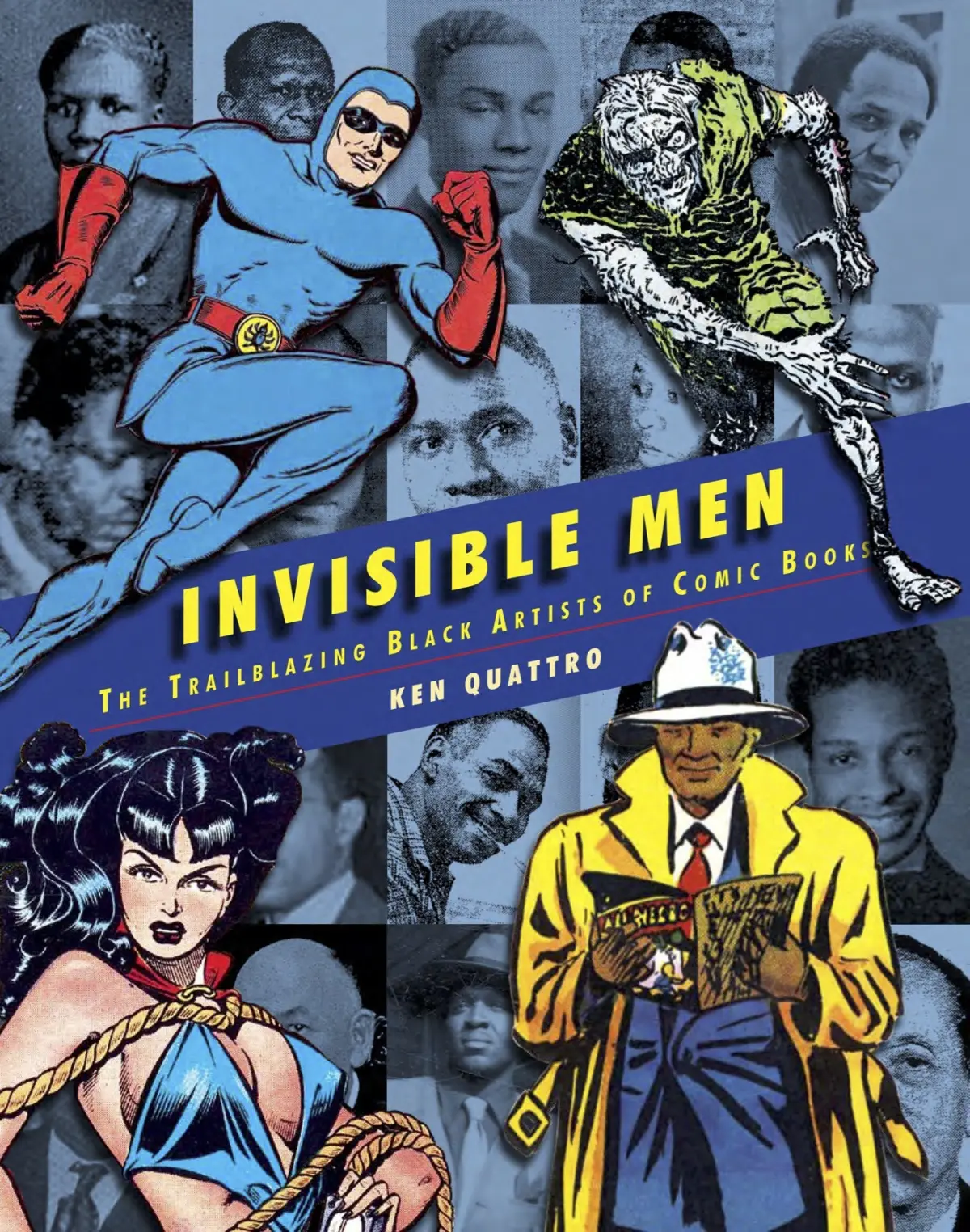
The Golden Age of comic books, spanning approximately from 1938 to 1956, is widely celebrated by historians and enthusiasts as an early pinnacle of the comic art form. During this era, many famous characters that still fight crime and capture imaginations today were brought to life by a diverse group of accomplished illustrators. While the history, art, and narratives of this foundational period have been exhaustively documented by journalists, researchers, and comic book aficionados, a significant group of creators has remained largely overlooked. Author and researcher Ken Quattro has set out to correct this historical omission, dubbing these pioneering creators the "Invisible Men."

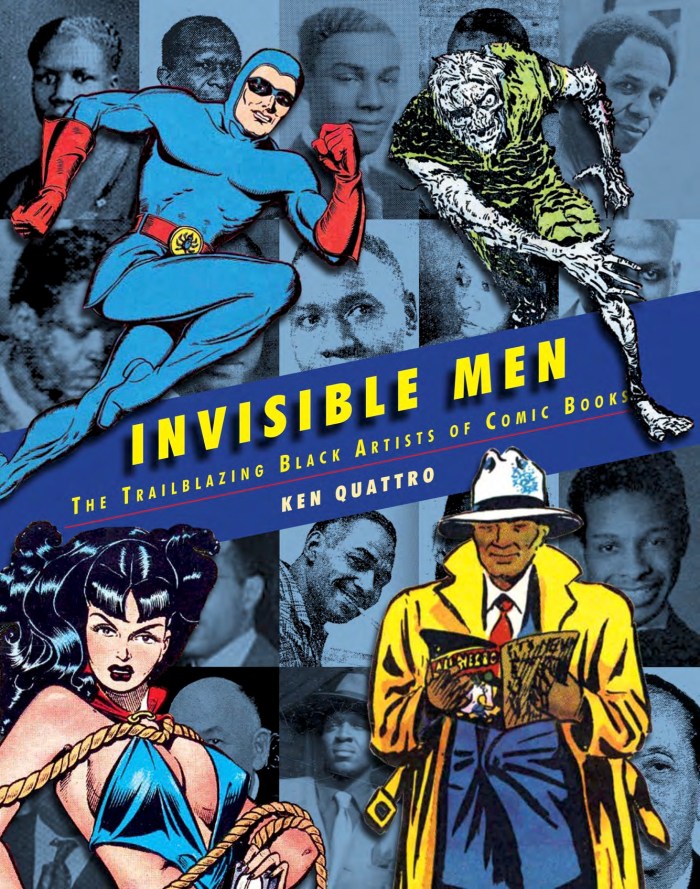
Borrowing thematic elements and adapting the title from Ralph Ellison’s iconic 1952 novel about race, class, and identity, Quattro has spent more than a decade uncovering the extraordinary stories and contributions of 18 important Black comic book artists from the Golden Age. Published by Yoe Books, an imprint of IDW, Quattro’s debut book, Invisible Men: The Trailblazing Black Artists of Comic Books, brings to light the incredible narratives of these creators, many of whom went unrecognized, uncredited, or entirely forgotten for nearly a century.
Quattro’s journey into this hidden history began more than 15 years ago following a brief conversation with the notable Black comic artist Matt Baker. That initial exchange sparked a deep investigative path into the inner workings of the mid-20th-century comic book industry, revealing a complex landscape of production practices, racial barriers, and institutional hurdles that shaped the careers of minority artists during the height of the medium’s popularity.
During the Golden Age, the demand for comic books was soaring, leading publishers to adopt high-pressure production methods often referred to as "comic shops." These establishments functioned much like factories or assembly lines, hiring numerous artists to rapidly illustrate stories for publishers under tight deadlines. Quattro explains that because comics were selling at an unprecedented pace, publishers relied heavily on these content mills to supply a steady stream of pages. These shops would routinely gather artists in rooms equipped with drawing tables, tasking them with turning out complete 64-page comic books in a matter of just two days.
However, the operational structure of these comic shops created a stark division along racial lines. While Black artists were able to secure work through these intermediary shops, they were typically barred from working alongside white artists in the central studios. Instead, they were required to take their assignments home. Quattro notes that while these Black artists could not walk directly into a publisher’s office and independently secure a commission, they could obtain work through the comic shops, take the assignments back to their home workspaces, and complete them there before returning the finished art.
This barrier-laden environment meant that many of these creators remained anonymous to the broader public, their signatures often omitted or obscured. Furthermore, the background of these artists often defied contemporary industry assumptions. While some were self-taught talents who honed their craft through sheer dedication and natural ability, a surprising number of them were classically trained fine artists. Quattro points out that this created a profound societal irony: these men were highly accomplished, formally educated artists in one sphere of society, yet they were treated as practically inconsequential in another.
A prominent example of this dichotomy is Elton Fox, who was born in Baltimore in 1909 and earned a fine arts degree from Syracuse University in 1931. Similarly, E.C. Stoner, who famously illustrated the Blue Beetle, received classical training at the prestigious Académie Julian in Paris, France. Another shining example highlighted in Quattro’s research is Alvin Hollingsworth, whose illustrations and fine art paintings have become highly sought-after treasures in both the comic book collecting community and the broader fine art world.
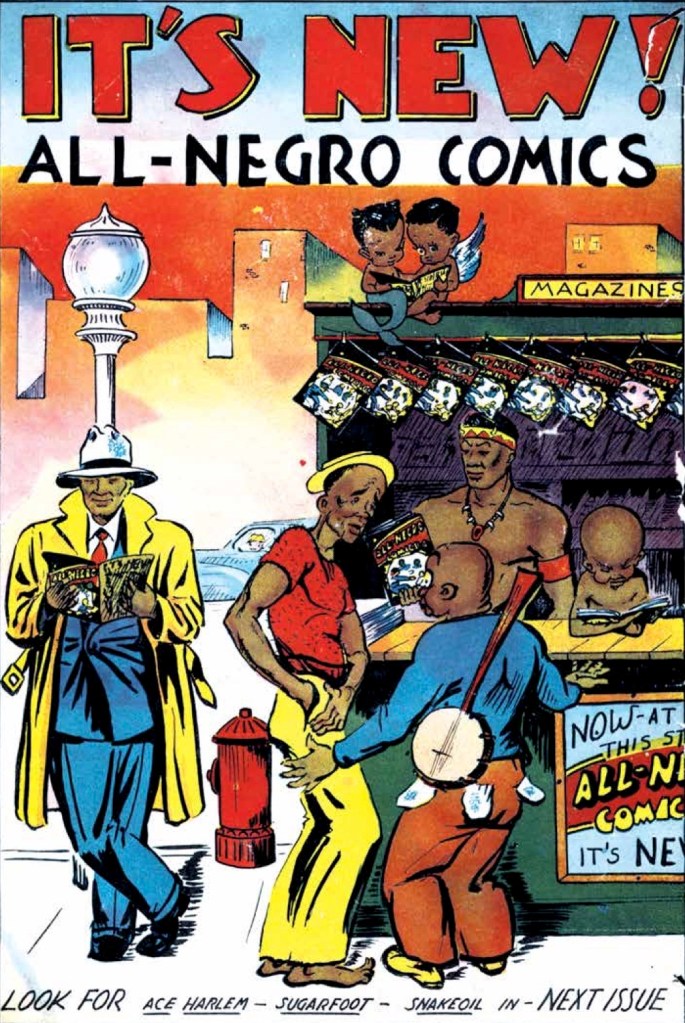
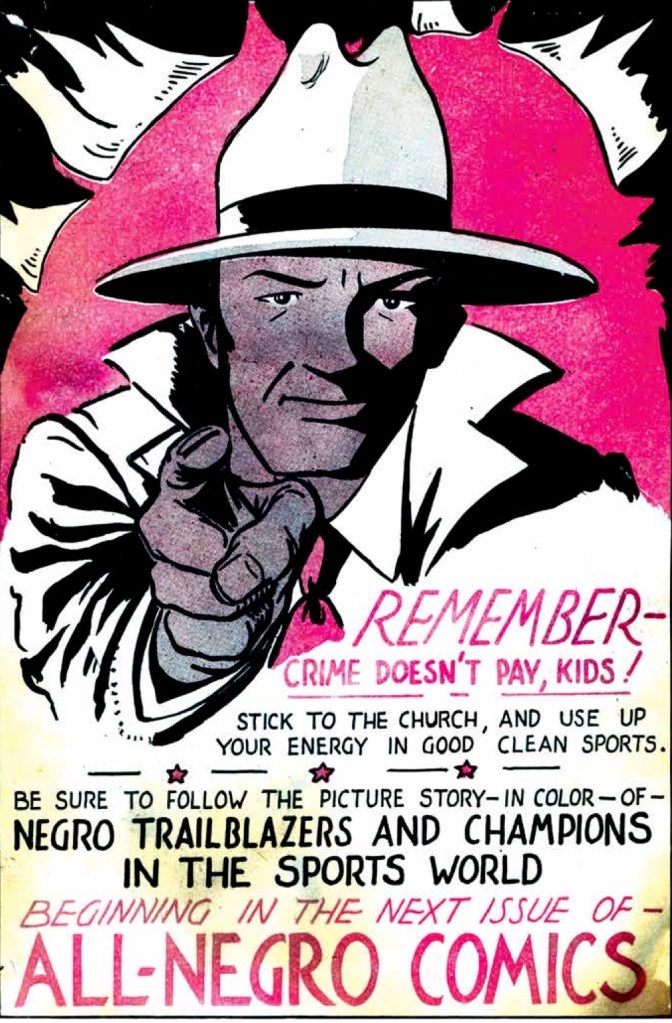
The publishing side of the industry was almost entirely owned and operated by white individuals during this period, creating immense hurdles for minority entrepreneurs who sought to carve out independent spaces. One notable exception was All-Negro Comics, an ambitious publication launched in 1947 by journalist and artist Orrin Cromwell Evans. Designed to showcase Black characters and stories created by Black artists, the publication faced severe systemic obstacles that cut its lifespan short. As Quattro details, when Evans attempted to produce the second issue, white paper suppliers simply refused to sell him the necessary newsprint. Today, an original copy of the first and only issue of All-Negro Comics is considered an extraordinary rarity, valued at tens of thousands of dollars regardless of its condition.
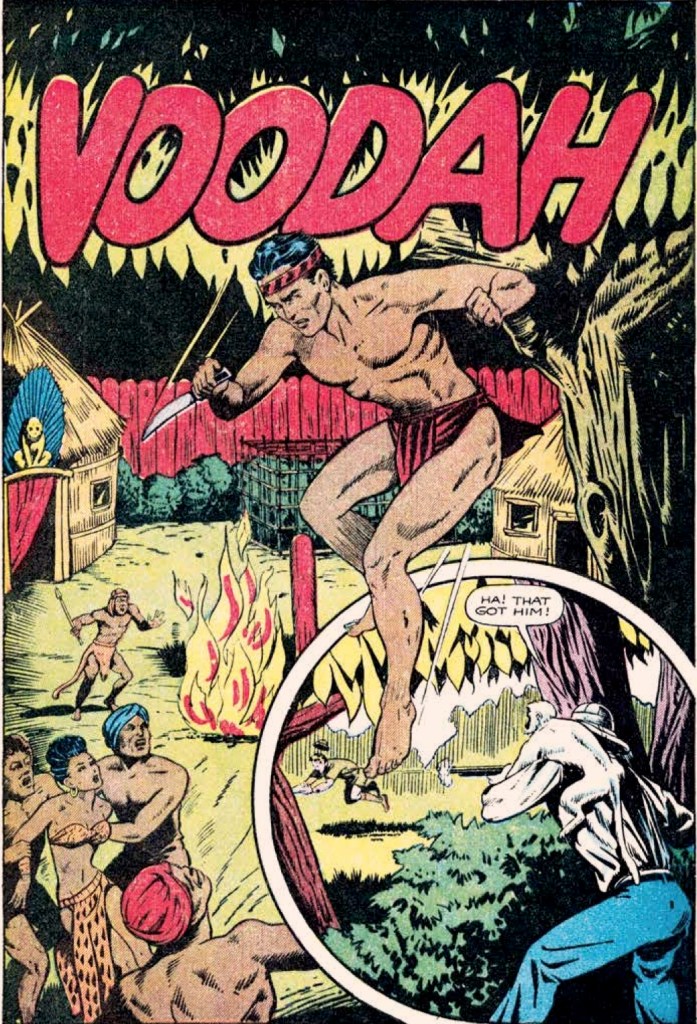
Historical misconceptions have also obscured the true timeline of representation within the medium. Many casual readers assume that the first Black comic book superhero was Marvel’s Black Panther, who debuted in 1969. However, Quattro’s research reexamines this common belief by highlighting the emergence of "Voodah," a character created by Matt Baker for Crown Comics in 1945. Voodah was depicted as a Black character within the interior pages of the book, but marketing realities of the Jim Crow era dictated how the product was presented to the public. On the covers, the character was colored white. Quattro explains that the modification was made because newsstands in the American South would refuse to stock or display any comic book that portrayed a Black character in a positive or heroic light.
While the creators documented in Invisible Men may never become household names, their contributions place them firmly within the pantheon of legendary Golden Age artists. Their ranks include Ezra Clyde Jackson, whose daughter later served as a U.S. Congressperson; Owen Middleton, who rebuilt his life and pursued a career in comics after being released from a life sentence in prison; Orrin C. Evans, the visionary behind the first Black-owned comic book venture; and E.C. Stoner, a central figure of the Harlem Renaissance who brought his artistic sophistication to the pages of the patriotic, Nazi-punching Blue Beetle.
Invisible Men: The Trailblazing Black Artists of Comic Books is available through major retailers, including Amazon, though Quattro encourages readers to support independent retailers by purchasing the book at local comic book shops, where readers can also explore works by Black artists. Additional information regarding Ken Quattro and his ongoing historical investigations can be found on his official website, comicsdetective.com.