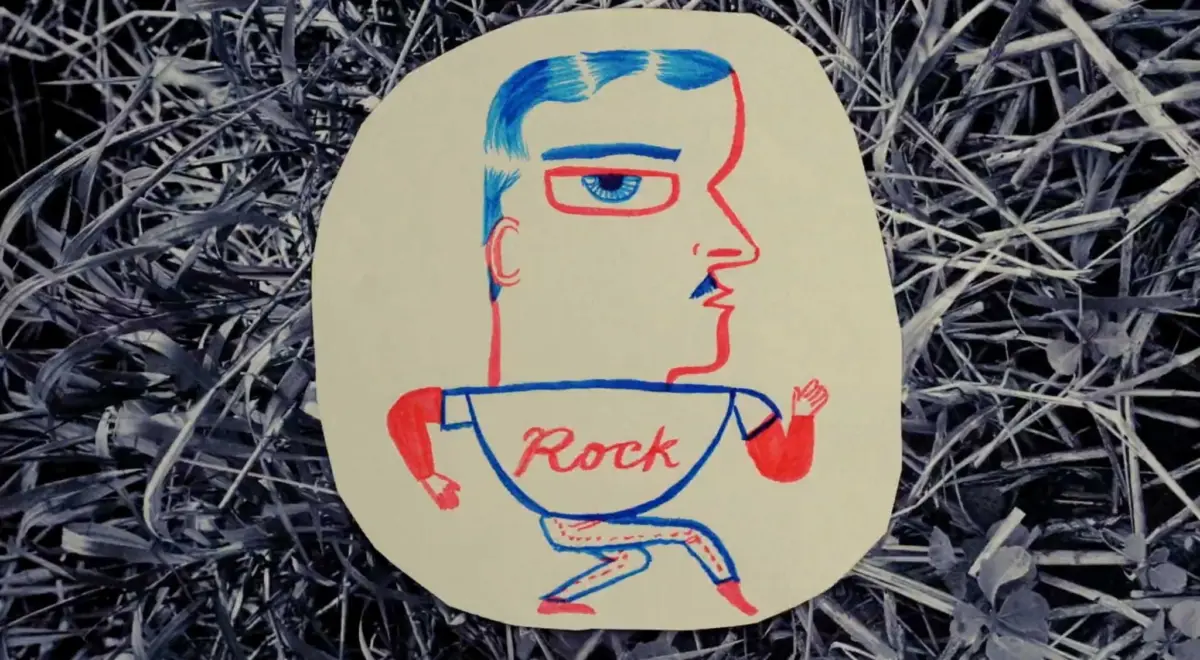
In an era increasingly saturated by the rapid proliferation of fully artificial intelligence-generated video submissions—a trend that creative professionals and curators frequently find dispiriting—the emergence of a tactile, raw, and entirely handmade work offers a breath of fresh air. This is precisely the sentiment greeting the release of "Dancing on Osees," a vibrant, music-driven animated short film created by acclaimed Montreal-based artist, illustrator, author, and animator Catherine Lepage.
Drawn entirely by hand on paper and set to the propulsive, high-energy track "Together Tomorrow" by the prolific Los Angeles psych-punk band Osees, the self-initiated project assembles a mesmerizing sequence of rhythmic dance cycles. The film brings together a fabulously eccentric cast of characters, surreal caricatures, and playfully distorted human forms that move in time with the driving rhythm of the music.
The project stands as a testament to the enduring power of traditional, analog animation techniques in contemporary media. While digital tools and algorithmic generation continue to alter the landscape of motion design and illustration, Lepage’s latest endeavor demonstrates the unique warmth, imperfection, and expressive vitality that can only be achieved through physical media like paper, markers, and traditional drawing instruments.
The Analog Vision of Catherine Lepage
Catherine Lepage is a deeply established figure in the Canadian creative community, renowned for her distinct visual style that bridges contemporary illustration, children’s literature, and independent animation. Based
in Montreal, she has built a diverse and celebrated career across multiple artistic disciplines. Beyond her solo artistic pursuits, Lepage co-founded the creative studio Ping Pong Ping alongside her partner, Simon Rivest, serving as a hub for innovative design and animation projects.
Lepage’s formidable portfolio also includes notable institutional collaborations. She has previously directed acclaimed short films for the National Film Board of Canada (NFB), a premier institution globally recognized for supporting visionary animators and filmmakers. Her notable NFB credits include the poignant and widely discussed animated short "The Great Malaise," released in 2019, as well as her more recent work, "Ultra Strong," slated for release in 2026.
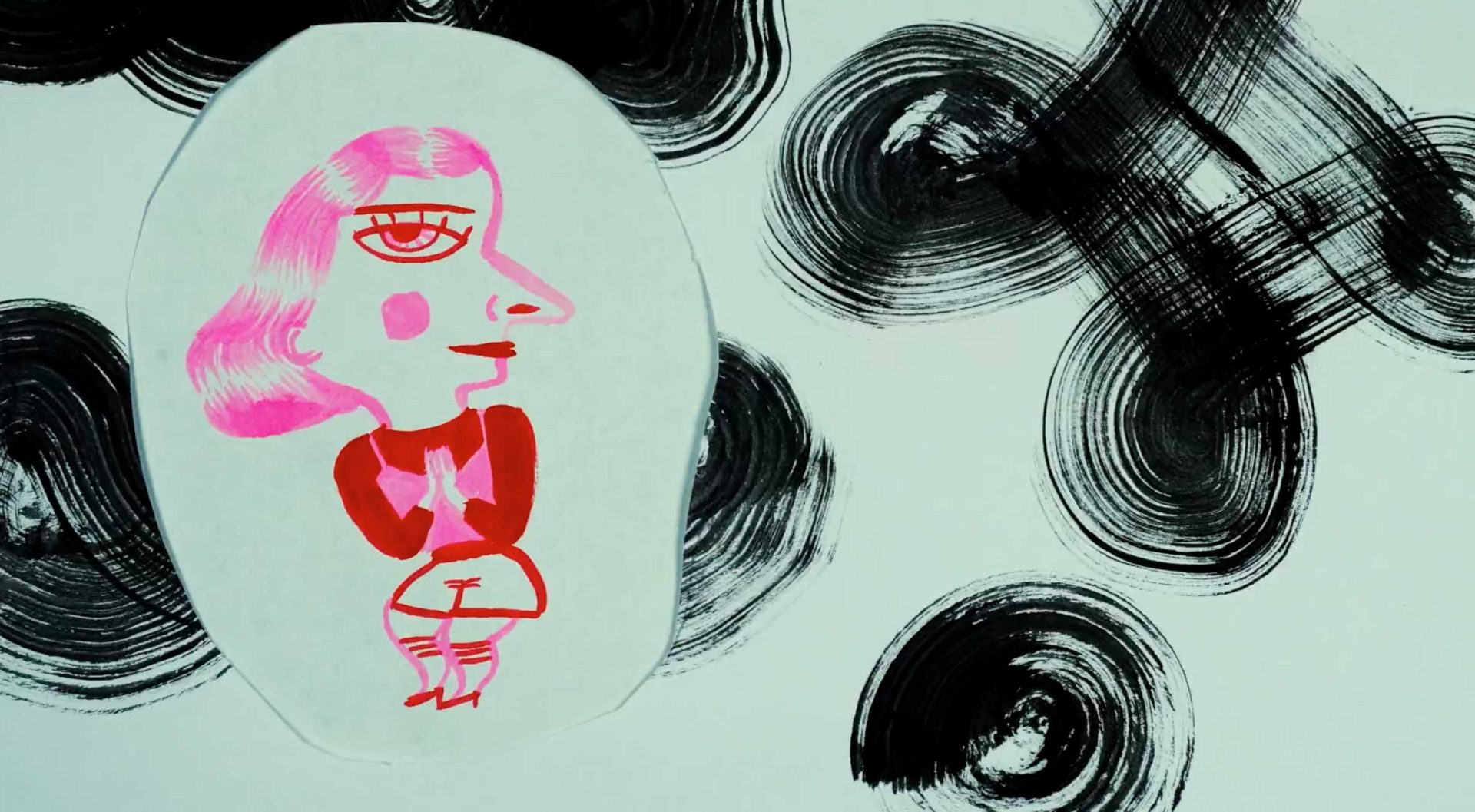
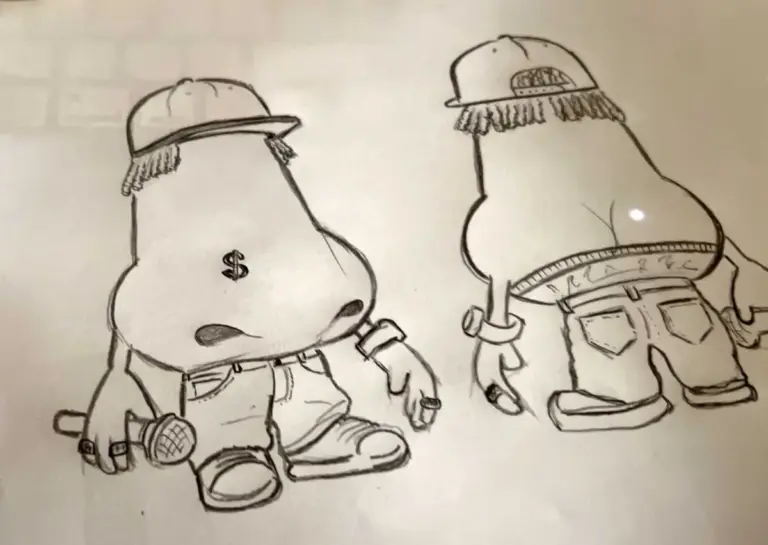
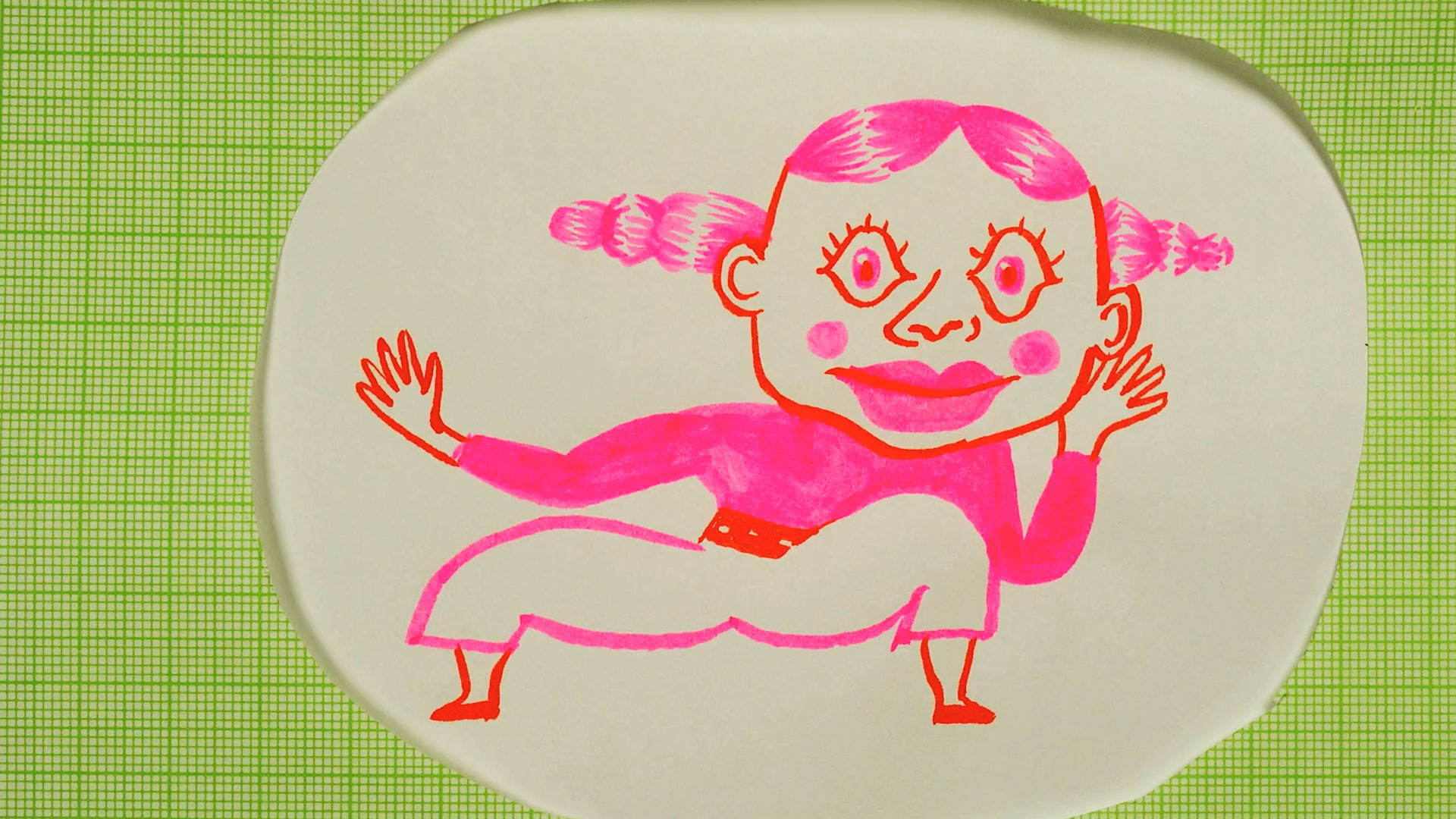
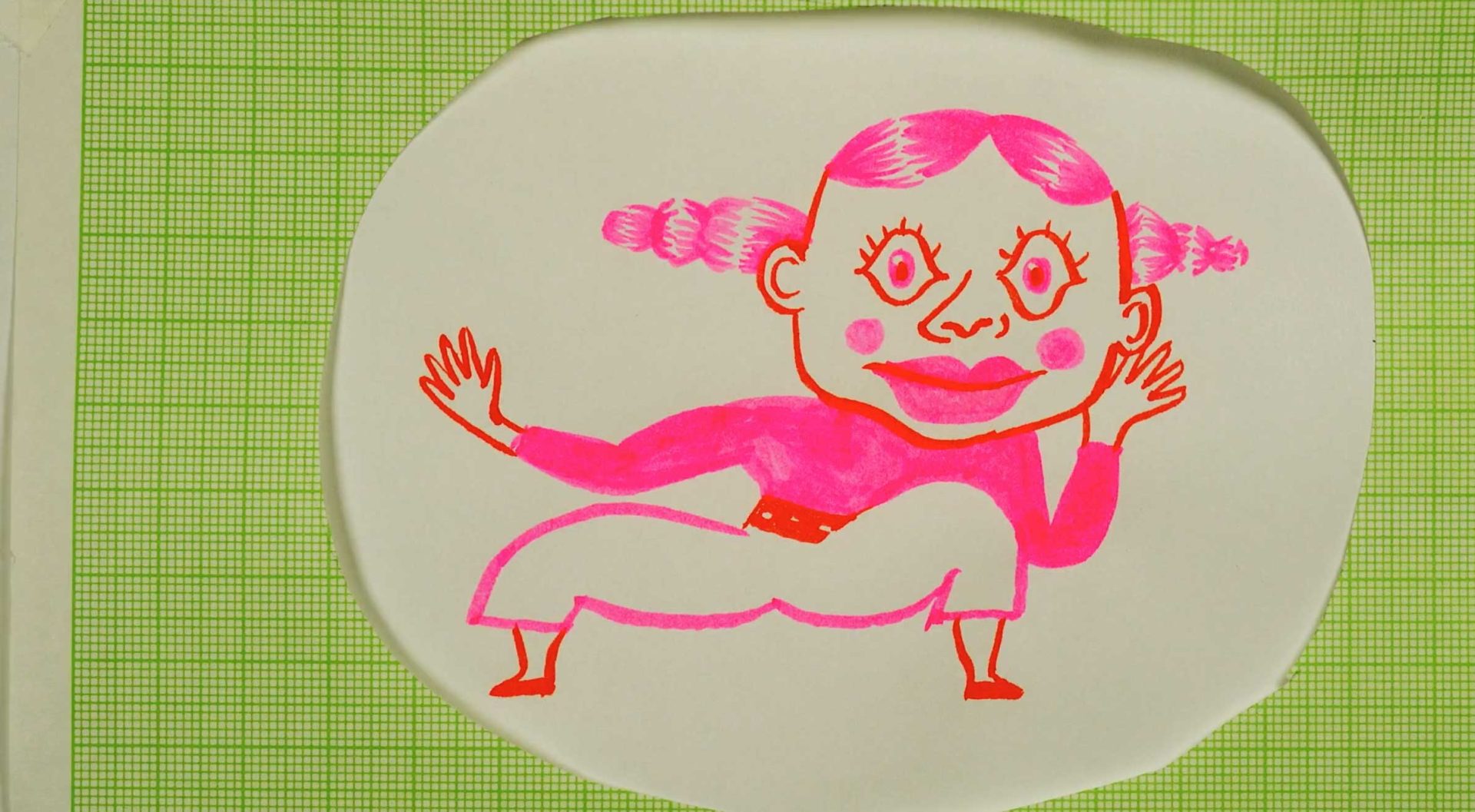
With "Dancing on Osees," Lepage turns her considerable talents toward a more personal, music-centric endeavor. Rather than adhering to a rigid narrative structure, the film functions as a kinetic visual gallery. It showcases her signature character design—characterized by bold marker outlines, expressive facial expressions, surreal bodily proportions, and dynamic framing—all moving in frantic synchronization with the psych-punk stylings of the Osees.
Collaborating with the Osees
The choice of musical accompaniment is vital to the short film’s impact. Los Angeles-based psych-punk outfit Osees, led by frontman John Dwyer, are celebrated for their relentless work ethic, explosive live performances, and expansive discography that blends garage rock, punk, and psychedelic experimentation. Their track "Together Tomorrow" provides an ideal sonic canvas for Lepage’s jittery, high-energy animation style.
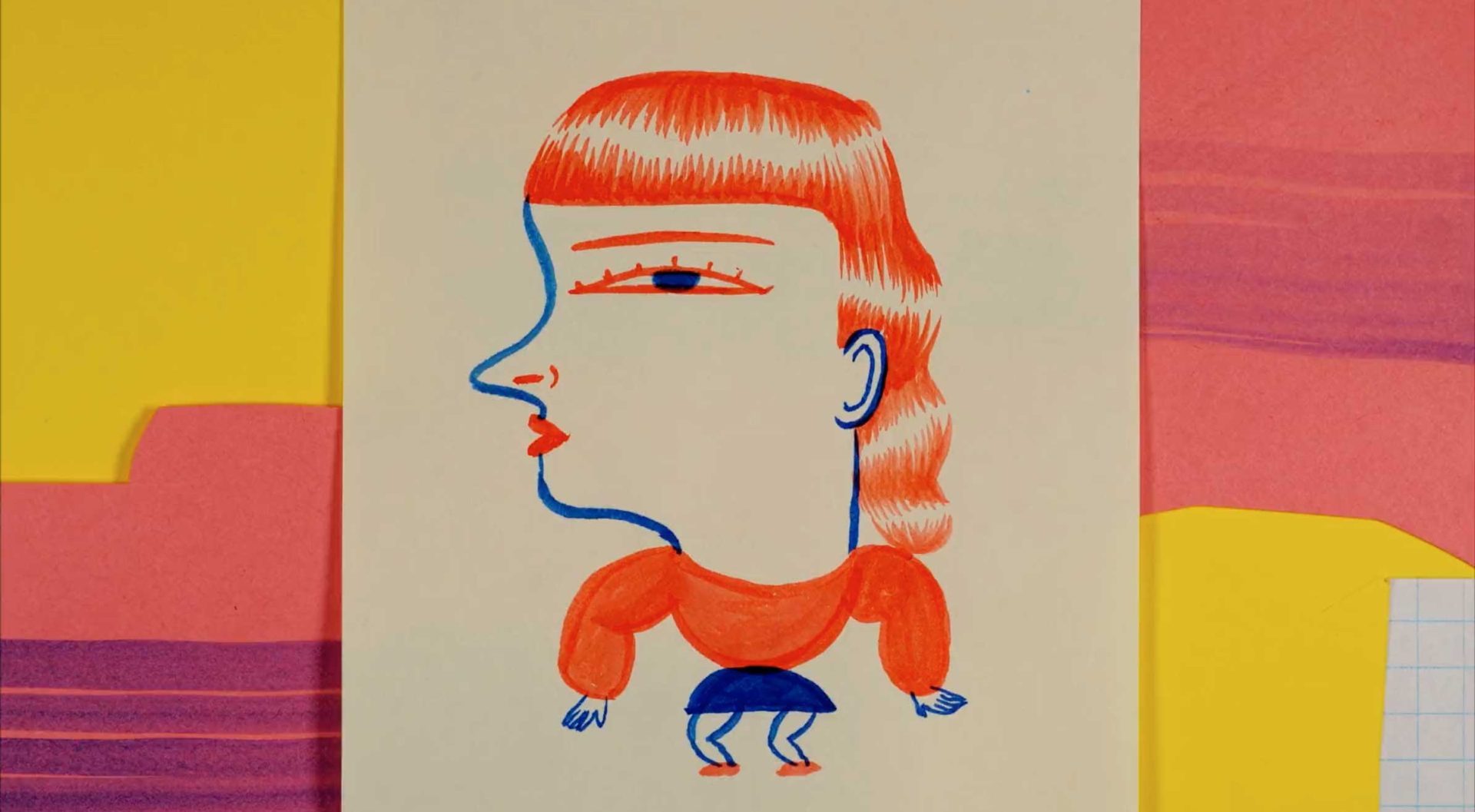
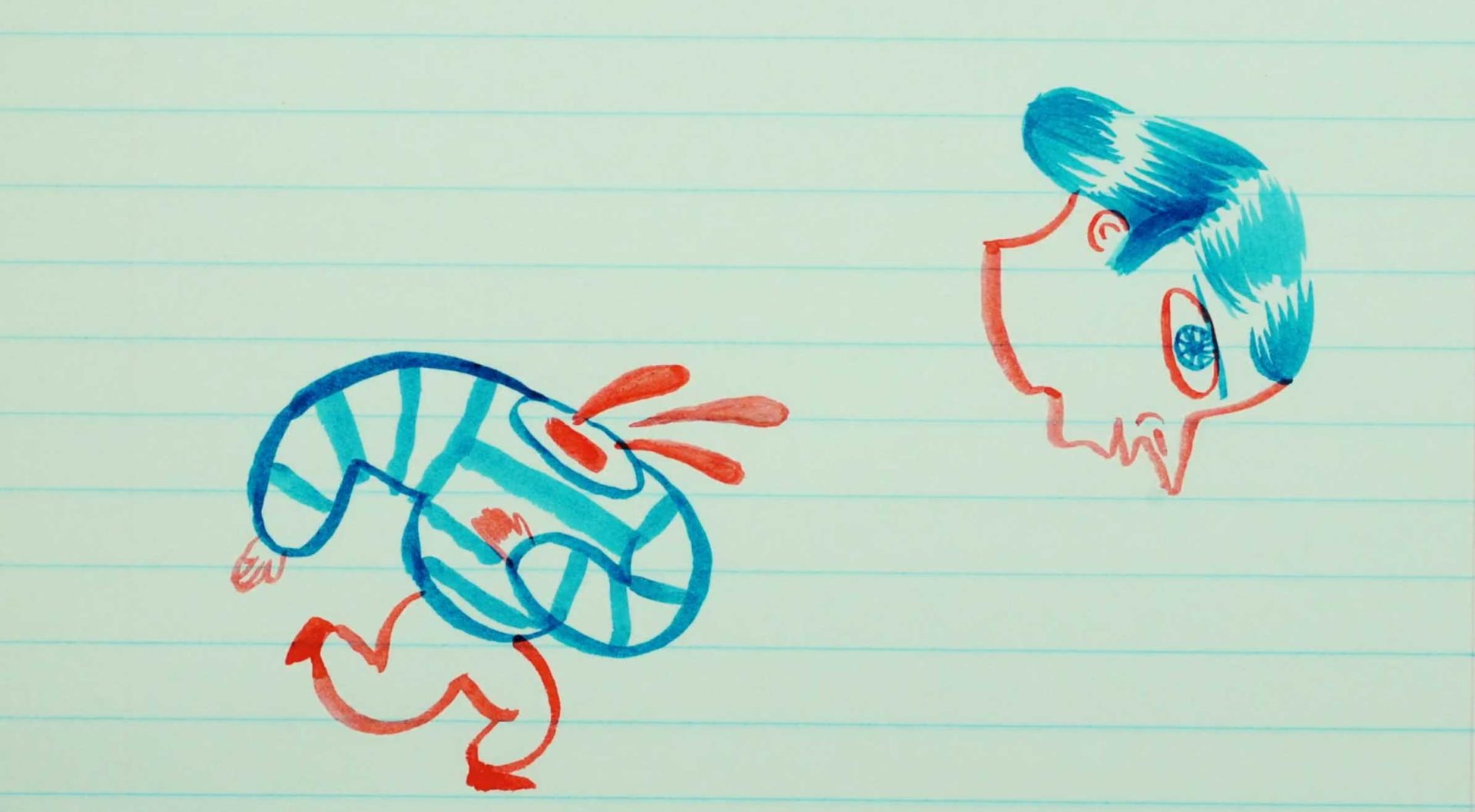
The intersection of indie rock music and independent animation has a rich history, but Lepage’s approach avoids literal interpretations of the song’s lyrics, opting instead to mirror the physical intensity and raw urgency of the music. The resulting dance cycles feature figures bouncing, swaying, running, and contorting across various paper backgrounds, including lined notebook pages, geometric grids, and vibrant splashes of marker ink.
The contrast between the frantic, pounding rhythms of the Osees and the meticulous, hand-drawn nature of the animation creates a compelling tension. Each frame reflects the physical touch of the artist’s hand, offering viewers a tangible connection to the creative process that automated generation simply cannot replicate.
As digital platforms continue to grapple with the influx of synthetic media, works like "Dancing on Osees" serve as a timely reminder of the irreplaceable value of human artistry, idiosyncratic vision, and traditional craftsmanship in the modern animation landscape.