National Geographic photographers captured more than a million images around the globe over the course of 2026, documenting everything from remote wildlife habitats to human communities living in some of the most isolated corners of the planet. Now, the renowned publication has officially unveiled its highly anticipated "Pictures of the Year 2026" collection, offering twenty-five exclusive insights into our world and delivering what the brand describes as the extraordinary moments we almost never see.
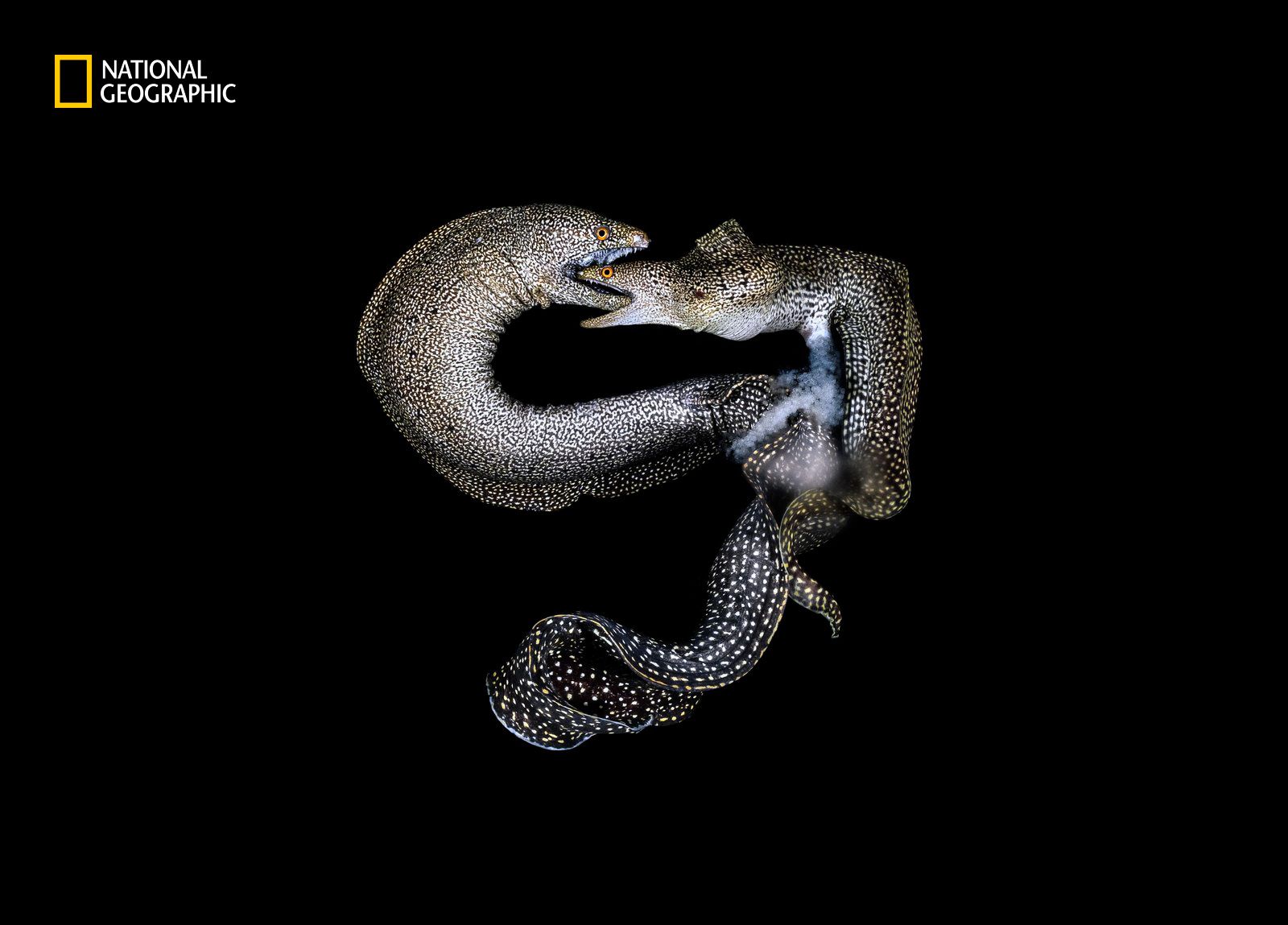
Making the collection even more significant and culturally impactful is the fact that it includes a number of true world-first images. Among the most remarkable contributions are those captured by photographer Tony Wu, who spent nine months stationed in Japan to document a biological mystery that had long confounded scientists, marine biologists, and researchers. His patience and persistence ultimately yielded something that no human is known to have ever photographed in the wild before, with one of his extraordinary frames earning the coveted cover position on National Geographic‘s new December issue.
Wu successfully photographed a pair of Abbott’s moray eels (Gymnothorax eurostus) reaching the absolute peak of their synchronized spawning run, capturing the precise action just three-tenths of a second after the creatures emerged from the protective cover of the coral reef. In the striking image, the male—positioned on the left—is captured in the fleeting moment of releasing the female’s jaw, while both eels simultaneously release their gametes into the surrounding water column. The historic underwater photograph was captured in the pristine marine environments of Kagoshima Prefecture, Japan, representing a monumental achievement in behavioral marine photography.
The significance of these rare visual achievements was highlighted by Nathan Lump, the editor-in-chief of National Geographic, who emphasized the vital role that documentary photography continues to play in modern society.
"The power of photography is that it makes visible and understandable things many of us would never otherwise see, and that it can help us view something familiar in an entirely new way," said Lump. "This year’s Pictures of the Year collection is a testament to the boundless curiosity and relentless persistence of our photographers in their quest to help us better understand our world."
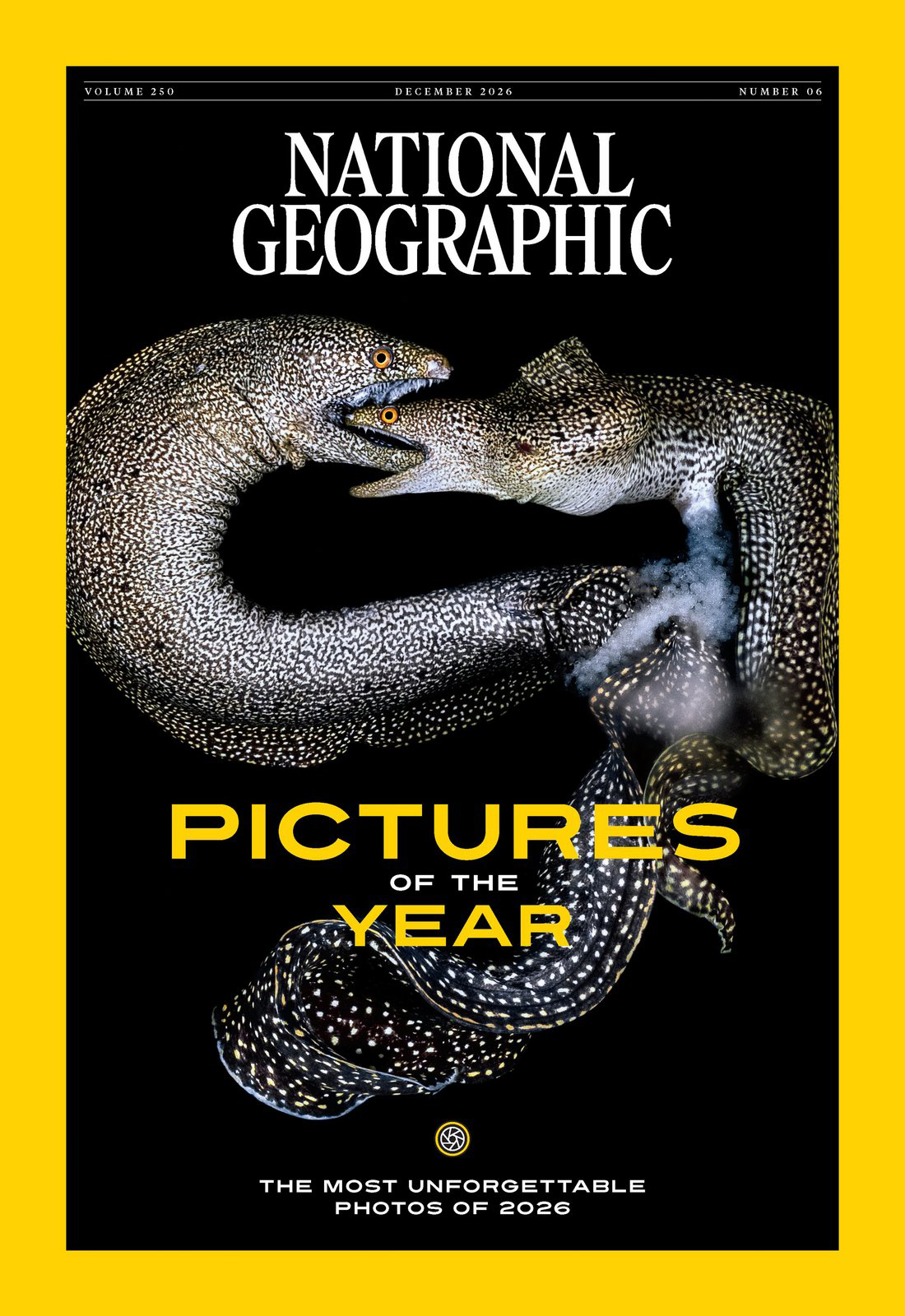
Lump further noted that these collective visuals serve as a powerful reminder of how much there is still left to discover and understand about our planet. In an era saturated with digital manipulation and synthetic media, he stressed that the deeply human, rigorous work of documenting what is genuinely real has become more valuable than ever before. The complete gallery for the Pictures of the Year 2026 collection is now accessible on the official National Geographic website, where enthusiasts and researchers alike can explore the in-depth stories, field notes, and technical challenges behind each featured photograph.
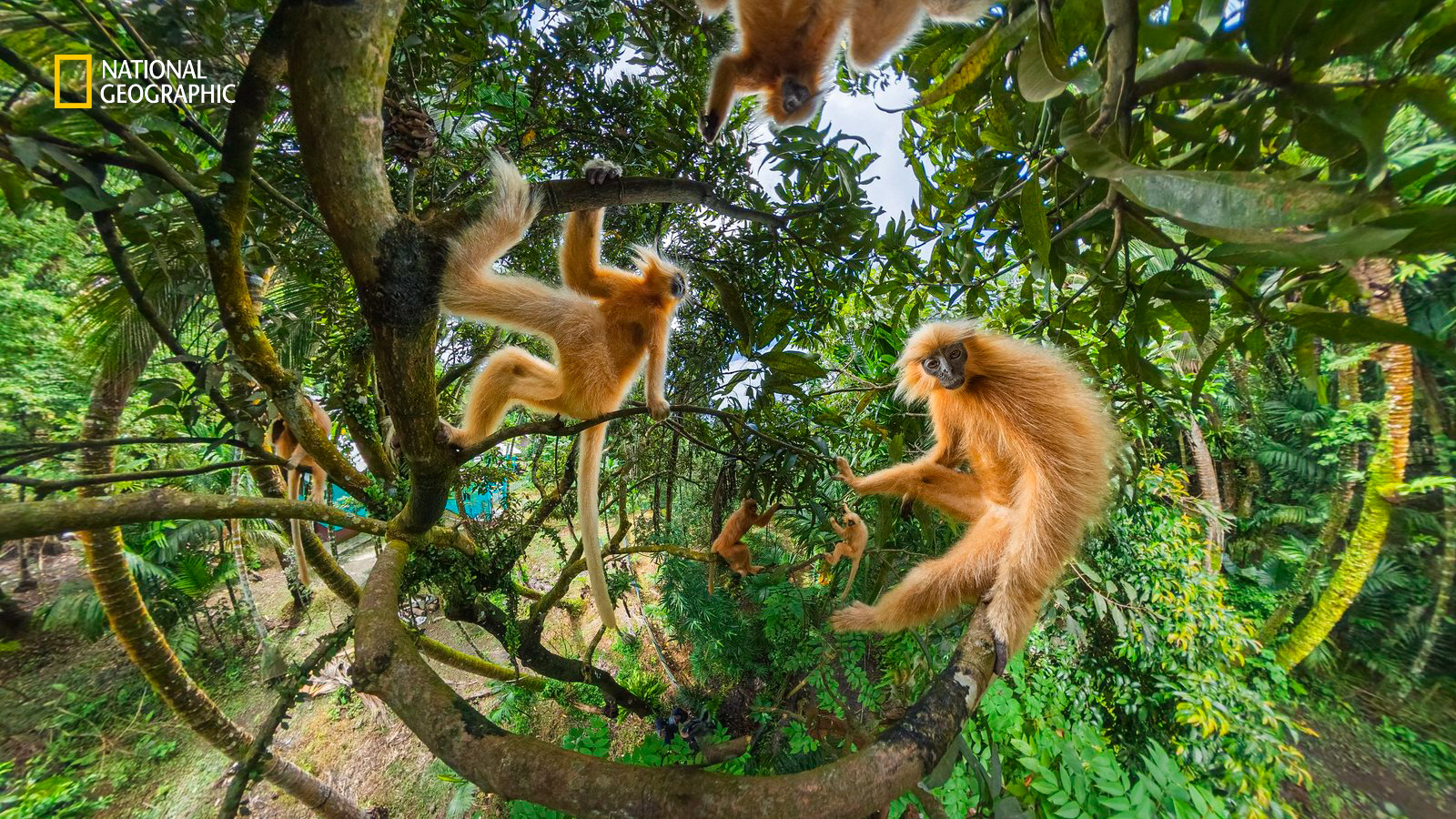
Beyond the aquatic depths of Japan, the curated collection spans continents and ecosystems, capturing unique interactions between humanity, culture, and wildlife. In the dense, green forest canopy of Bongaigaon in Assam, India, photographer Prakash Matada captured a lively and engaging moment titled Monkey Business. A curious troop of Gee’s golden langurs—an endangered species named after the naturalist who initially documented them during the 1950s—can be seen peering directly into a specialized fisheye lens. Matada affixed the lens to a telescoping pole to bring the camera into the animals’ immediate environment. The canopy dwellers, which have developed a rare and peaceful coexistence with local human populations, proved to be completely uninhibited by the equipment, gazing intently at their own distorted reflections in the glass.
Shifting from the forests of India to the coastal plains of Morocco, photographer Chantal Pinzi captured the dynamic intensity of a traditional equestrian display. Titled Fiery Advance, Pinzi’s photograph immortalizes the climax of a tbourida performance in El Jadida, within the Casablanca-Settat region. Tbourida is an ancient Moroccan equestrian tradition where carefully coordinated teams of riders execute a synchronized cavalry charge, culminating in a simultaneous, thunderous crack of antique rifles. While the centuries-old sport has historically been dominated by men, women are gradually carving out a permanent foothold in the tradition. At the specific festival documented by Pinzi, all-female brigades proudly represented two out of the one hundred and forty competing troupes, charging through billowing smoke, glowing sparks, and a dense nighttime crowd.
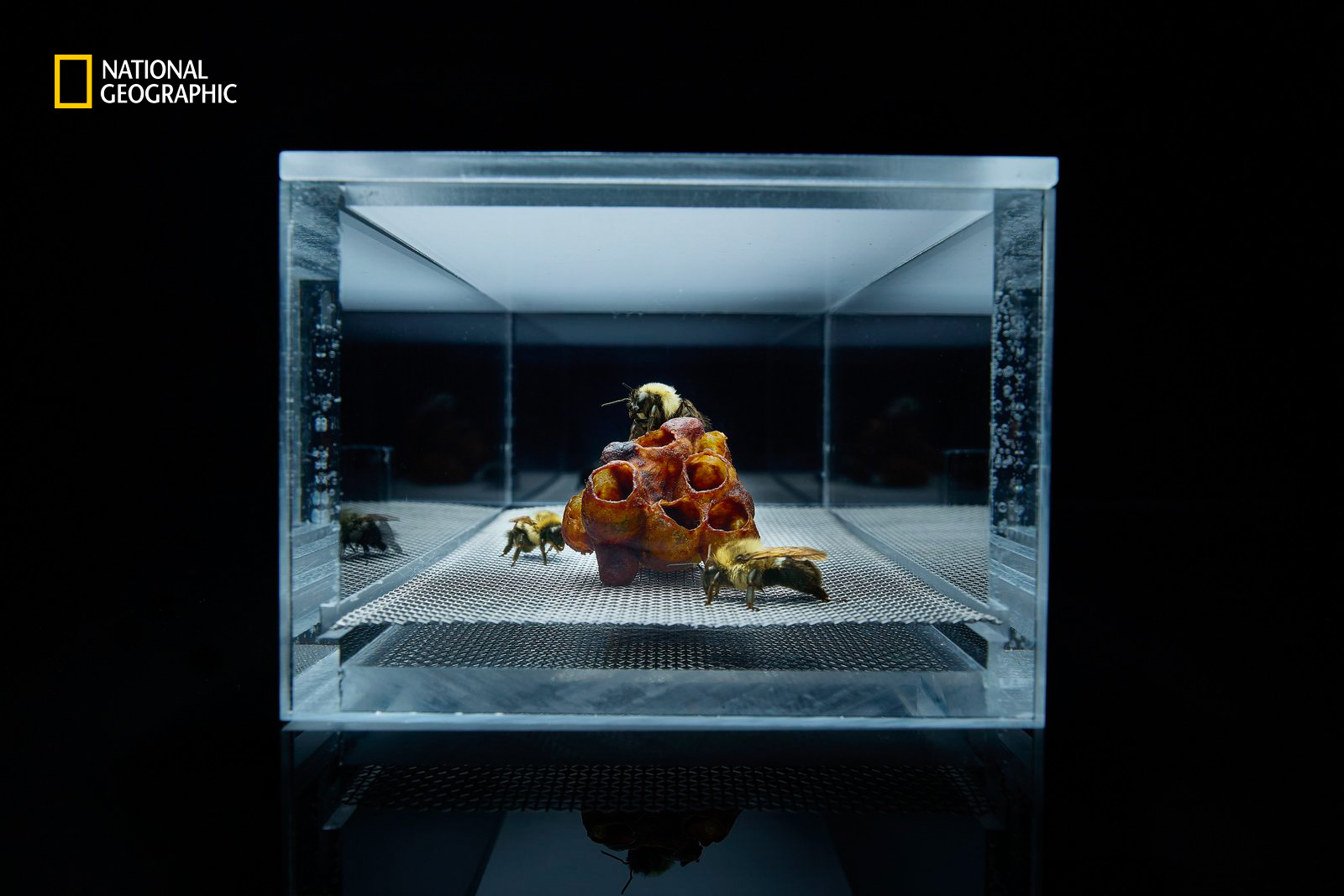
The intricate and hidden behaviors of the insect world also found a prominent place in the 2026 collection. In Berkeley, California, photographer Anand Varma collaborated closely with National Geographic Explorer and researcher Dr. Felicity Muth to document the subterranean architecture of common eastern bumblebees. Muth designed a specialized, transparent acrylic enclosure to study the precise mechanics of how bumblebee colonies construct their nests and raise their young. Varma’s photograph, titled Busy Bees, captures three workers crawling across irregular beeswax cells, providing a rare, unobstructed look at the architectural foundation of a developing colony.

Venturing into the extreme environments of the Earth’s polar regions, photographer Kiliii Yüyan journeyed to the Ammassalik Fjord near the remote village of Kulusuk in East Greenland. The resulting image, titled Realm of the Zombie Sharks, offers a chilling glimpse into the frigid depths of Arctic waters. Accompanied by diver Philipp Oppermann, Yüyan photographed a massive Greenland shark—widely recognized as the longest-living vertebrate species on Earth—swimming serenely beneath a meter-thick sheet of solid sea ice.
The ancient predator had ascended from the deep ocean trenches into the coastal shallows under the cover of night, drawn by the scent of traditional bait left by a local Greenlander hunting ringed seals. The photograph was captured on March 17, 2026, during the early spring season. At this time of year, the sea ice remains structurally sound while the glacial water achieves breathtaking clarity, allowing for visibility that stretches well beyond 164 feet, or 50 meters, into the azure abyss.
Closer to the roof of the world, photographer Matthieu Paley returned to a landscape that has captivated him for decades: the rugged and isolated Wakhan Corridor in the Badakhshan province of Afghanistan. Paley first visited the narrow strip of territory—which shares borders with Pakistan, Tajikistan, and China—twenty-six years ago and instantly felt a profound connection to the dramatic terrain and its resilient inhabitants. Repeated expeditions over the intervening decades have only deepened his relationship with the local Wakhi people, who eke out a subsistence living in the high-altitude mountain passes. In an intimate portrait titled A Hard Day’s Rest, a local resident named Hazal-u Din is shown resting quietly by the warm glow of a hearth fire inside a dim stone dwelling, recovering after a grueling day spent tending to herds of resilient mountain yaks.
As the photography community reflects on the milestones achieved throughout the year, professionals and enthusiasts looking to refine their own craft or explore new horizons continue to draw inspiration from these world-class visual narratives. The stories behind the Pictures of the Year 2026 demonstrate the enduring importance of field journalism, patience, and technical mastery in bringing the hidden realities of our natural world to light.