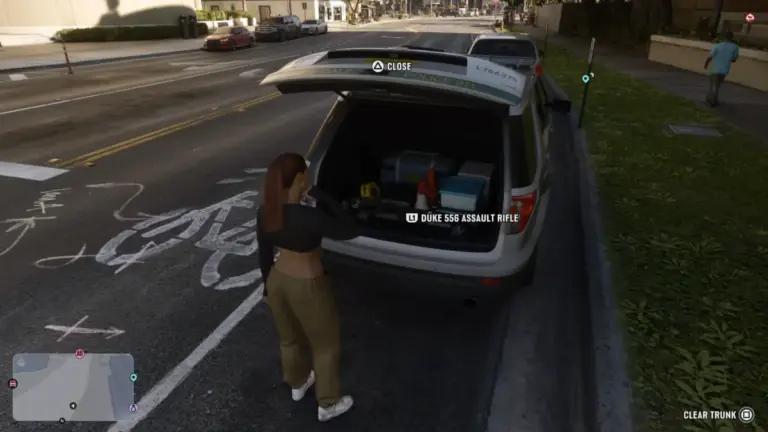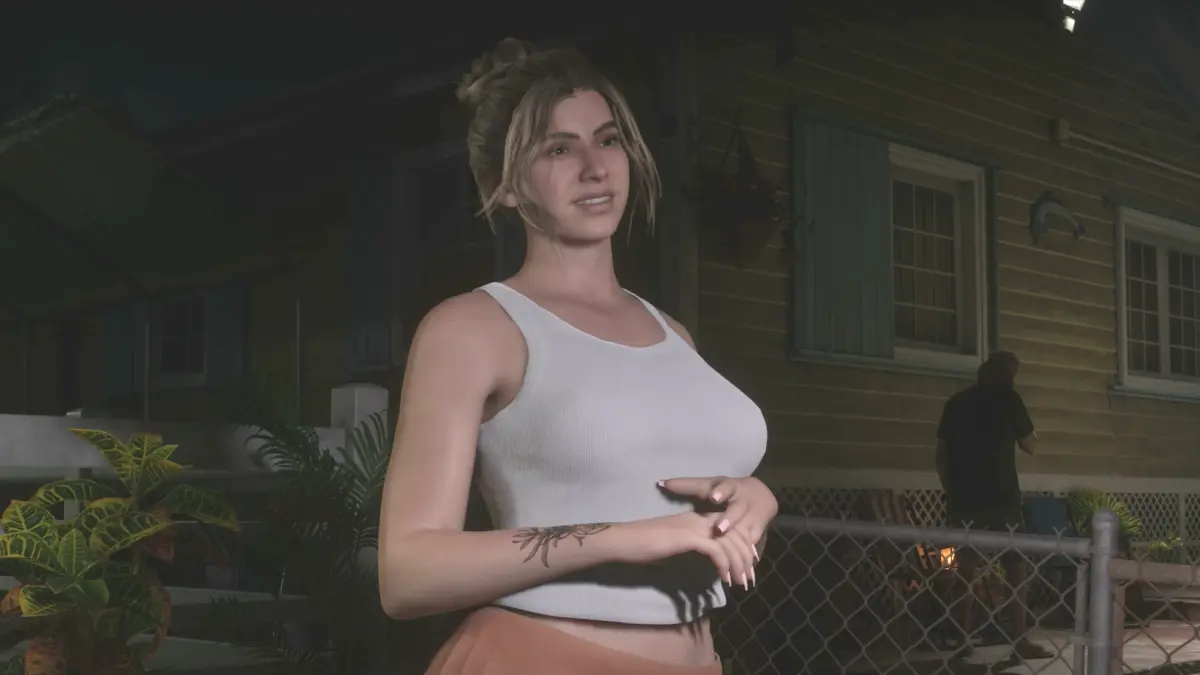
The release of Grand Theft Auto 6 has once again proved that the arrival of a generational blockbuster is invariably accompanied by a very familiar cycle of player reactions and internet discourse. Within hours of the game becoming available to the public, social media platforms and gaming forums were flooded with discussions, complaints, and predictable expressions of outrage over various design choices made by developer Rockstar Games. Writing about the phenomenon, observers noted that an "angry players bingo card" could easily have been filled before the game had even been live for a full 24 hours. Among the predictable talking points occupying player forums are familiar grumbles regarding performance caps, such as frustration over a 30 frames-per-second limit, alongside traditional complaints concerning the game’s law enforcement response mechanics.
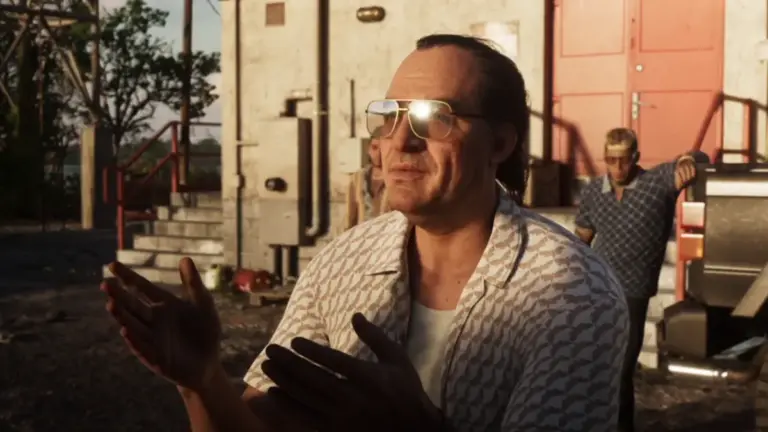
However, a distinct and more novel strand of discourse has emerged surrounding the romantic and narrative constraints placed upon the game’s protagonists, Jason and Lucia. A specific faction of players
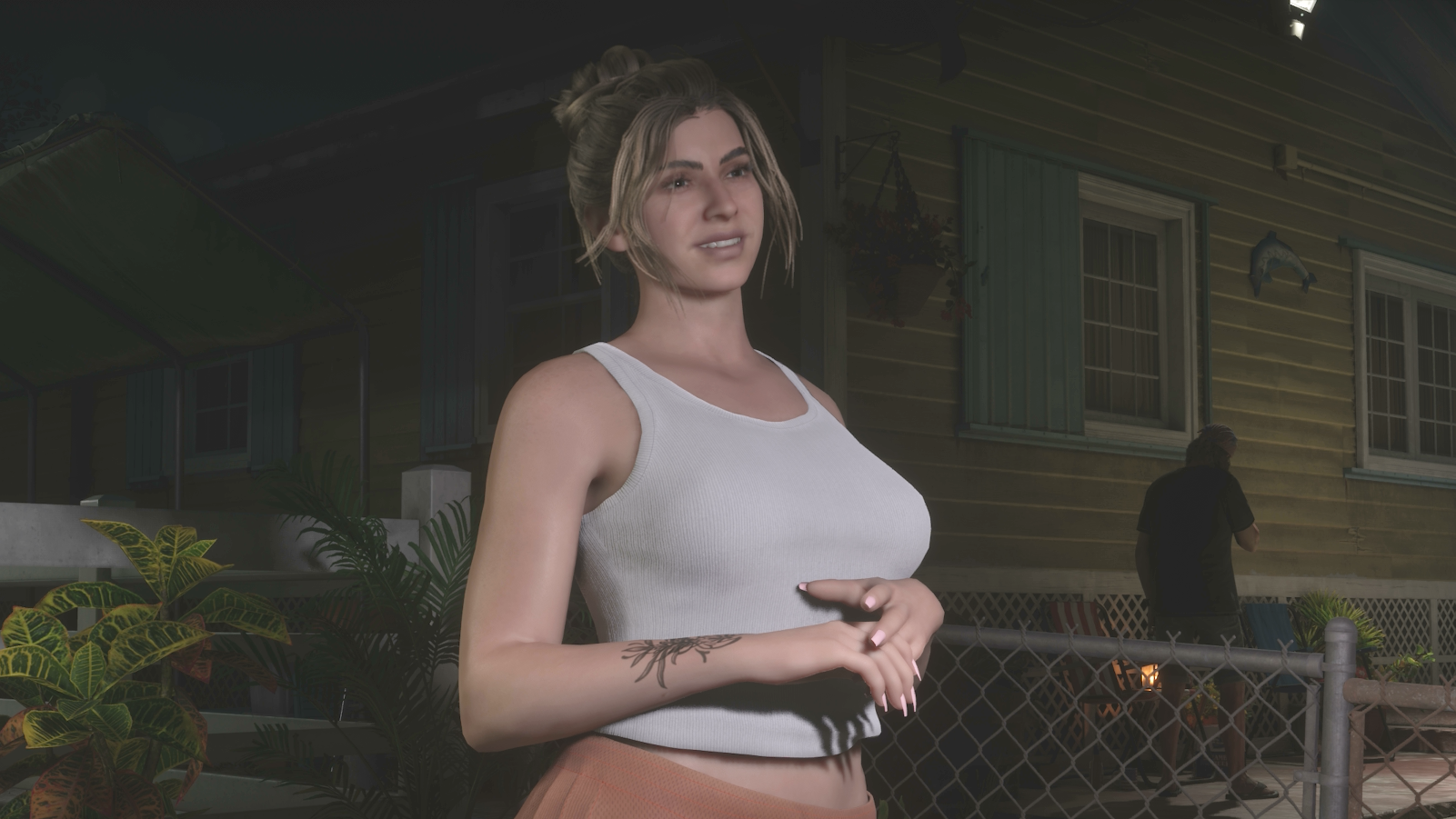
has taken vocal issue with the fact that Grand Theft Auto 6’s central narrative is firmly anchored to the committed relationship between the two main characters. Unlike previous entries in Rockstar’s acclaimed open-world franchise, where players could freely pursue various casual romantic encounters or engage with side characters and sex workers across the map, GTA 6 restricts these traditional sandbox freedoms to serve its specific storytelling goals. Players have pointed out that you cannot freely pick up side characters or encounter minor NPCs like Mandy, an early game character who has generated considerable discussion online, in the same casual manner permitted in Grand Theft Auto 5 or San Andreas. Interestingly, this line of player critique appears primarily focused on Jason’s limitations, with little widespread public discussion regarding whether Lucia can pursue other romantic interests during the campaign.
Despite these narrative limitations, the open-world sandbox retains many classic franchise activities. Players can still visit strip clubs, and the game even accommodates visiting these venues as a couple—a contemporary touch that reflects the shared criminal lifestyle of the protagonists. Yet, Rockstar has intentionally omitted the deeper romantic or transactional interactions found in past games because expanding those systems would fundamentally conflict with the emotional core and narrative momentum of the story being told.
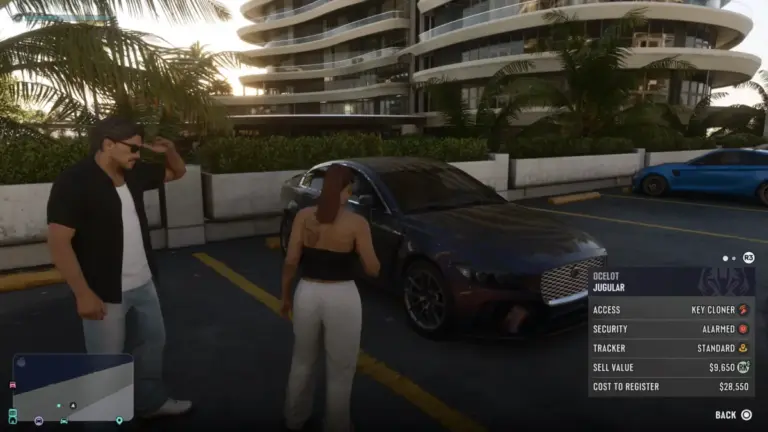
Addressing these design choices and the broader conversation surrounding player freedom, Rockstar Games released a statement providing clear context on their development philosophy for the highly anticipated title. Developers explained that Grand Theft Auto 6 is fundamentally a story about a couple caught in difficult circumstances, functioning as a modern narrative of lovers on the run. While the studio carried forward numerous elements and foundational systems from previous Grand Theft Auto installments, every feature implemented in the new title was meticulously evaluated to ensure it directly supports the spirit of the narrative and the specific gameplay systems the team wanted to expand upon. These prioritized systems include the revamped wanted level mechanics, an immersive radio experience, dynamic robberies, and advanced car theft features.
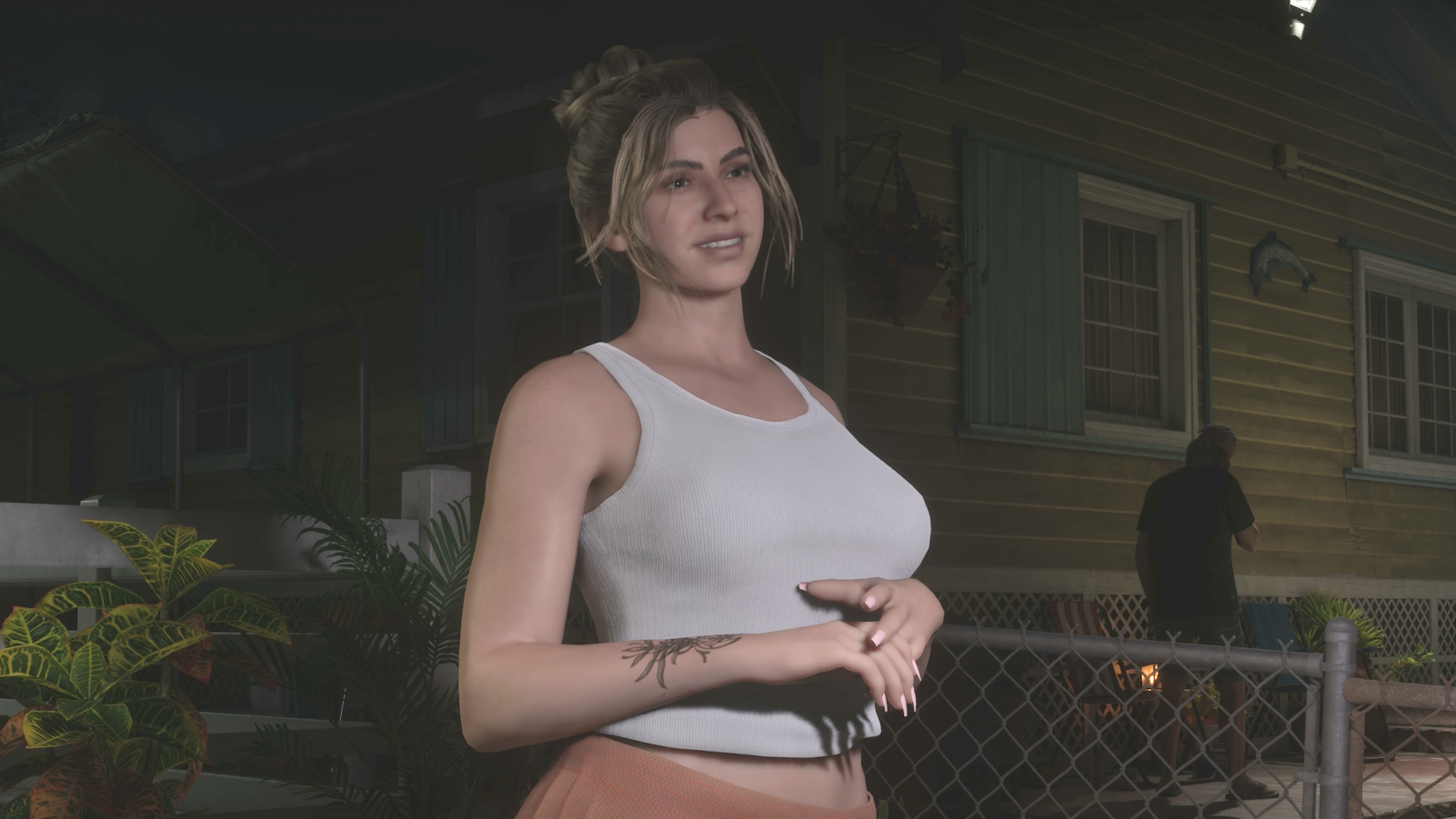
Rockstar acknowledged that many aspects and peripheral activities present in previous titles are deliberately absent from Grand Theft Auto 6. However, the studio emphasized that the elements included in the final release are precisely the ones deemed necessary and complementary to the specific emotional tone, atmosphere, and character motivations intended to drive players through Jason and Lucia’s journey.
This design decision offers a logical narrative cohesion. Because the entire campaign is structured around the intertwined fates of Jason and Lucia, introducing mechanics that allowed players to actively break up the central couple or pursue external romantic relationships would create severe narrative friction. The emotional weight of the campaign relies heavily on their mutual reliance and partnership as they navigate high-stakes criminal enterprises. Navigating the stress of a bank heist with an AI partner who is also your romantic partner is already a dramatic undertaking; introducing relationship infidelity or casual hookups into the narrative framework would fundamentally undermine the high-stakes, Bonnie-and-Clyde dynamic that Rockstar has chosen to spotlight.
While single-player purists must currently navigate the emotional confines of a dedicated relationship—a constraint that has humorously drawn mock sympathy from commentators—the broader ecosystem of the franchise is expected to evolve. Industry analysts and longtime fans anticipate that once the eventual online multiplayer component of Grand Theft Auto 6 launches, players will likely regain the vast array of customizable freedoms, chaotic sandbox activities, and social flexibility that characterized the online modes of its predecessor. Until that time, however, players stepping into the sprawling world of Vice City must experience the narrative strictly within the boundaries established by Jason and Lucia’s story, committing fully to a gaming experience where being part of a devoted criminal partnership is non-negotiable.