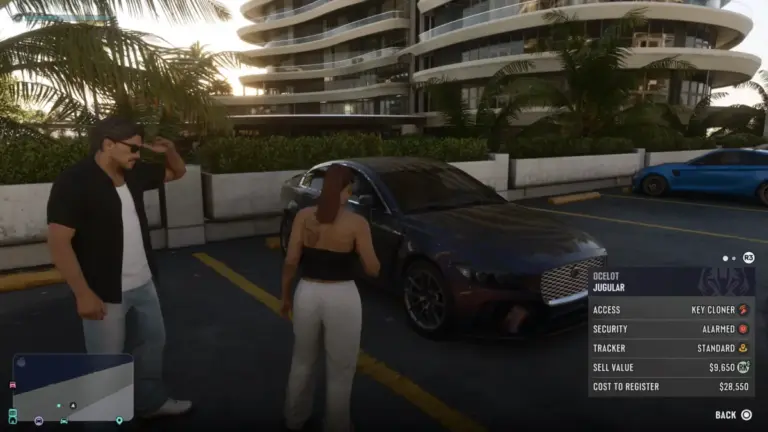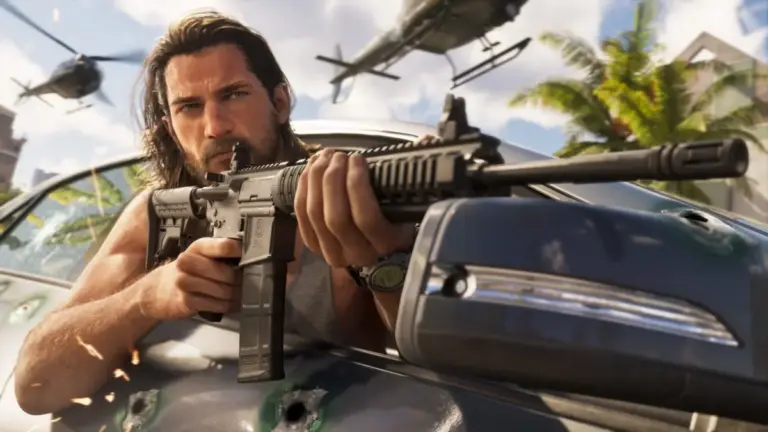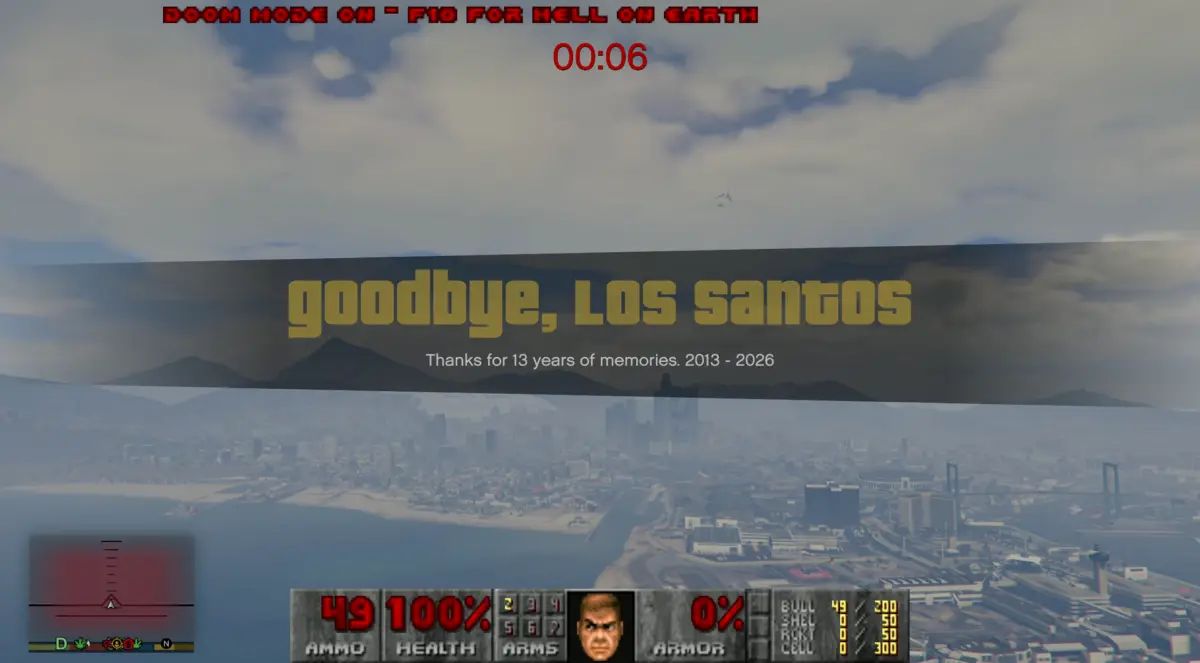
For weeks, the PC gaming community has watched a unique digital transformation unfold in real time: the systematic, chaotic, and thoroughly entertaining modification of Grand Theft Auto 5. What began as a bold quest to drag Rockstar Games’ 2013 open-world epic kicking and screaming into the modern era—or break it past the point of recognition—is finally reaching its logical and emotional conclusion. The catalyst, of course, is the looming cultural and technological monolith that is Grand Theft Auto 6, which is currently making its official debut across console platforms worldwide.
While millions of console players dive headfirst into the sun-drenched chaos of Vice City, building virtual lives, committing high-stakes crimes, and exploring what a new generation of Rockstar design looks like, the PC modding scene has taken a completely different path. For those tethered to computers, the arrival of GTA 6 on consoles marks the end of an era for GTA 5, prompting a reflective yet profoundly ridiculous goodbye to Los Santos.
The driving force behind this daily exercise in digital destruction has argued, perhaps with tongue firmly in cheek, that their hyper-modded version of GTA 5 easily outclasses whatever adventures Rockstar has prepared in GTA 6. After all, the standard console release of the new sequel lacks certain critical lifestyle enhancements that PC modders have deemed essential over the years. Does Vice City feature the chaotic, arcade-style thrills of Crazy Taxi cleanly injected into the engine? Does it suffer from roving bands of millions of furious, heavily armed cougars hunting down players across the map? Most importantly, does Vice City offer the sheer, unadulterated excitement of hard and soft credit checks alongside realistic personal finance simulations?
The answer, naturally, is no. While Rockstar’s official sequel offers a sprawling, next-generation campaign that will undoubtedly keep players occupied for hundreds of hours, it cannot compete with the bespoke absurdity of a GTA 5 installation that has been continuously altered, stressed, and Frankensteined on a daily basis.
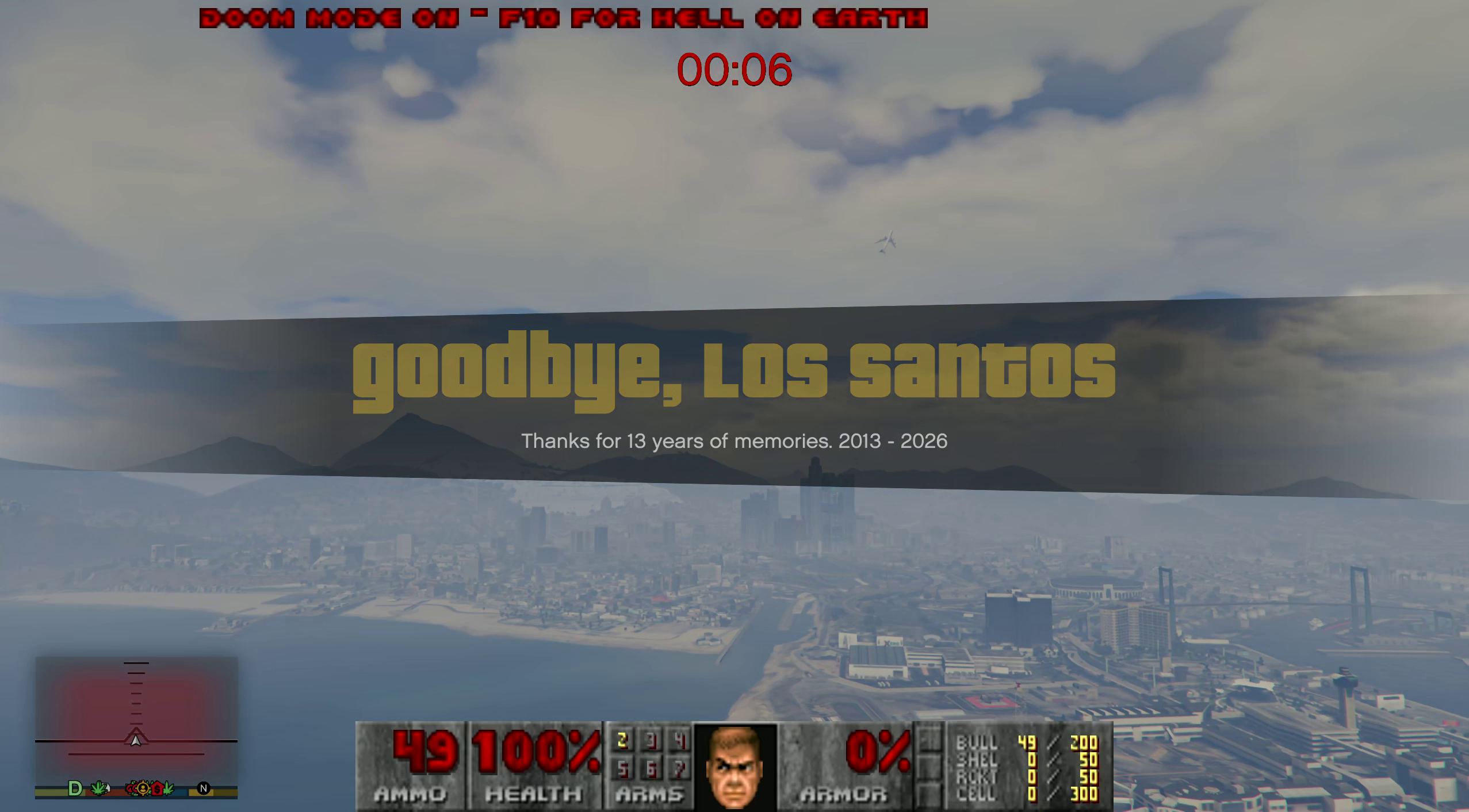
With the unofficial race to transform GTA 5 into a makeshift PC version of GTA 6—or simply reduce it to a smoking pile of asset errors—now coming to a close, the time has come to bid farewell. To mark the occasion, the modding project has turned to a fittingly titled community creation: Farewell Journey – A Goodbye to GTA 5.
Promoted as a final day in Los Santos before moving forward, the custom script is designed to provide a cinematic send-off. In theory, the mod features a series of emotional goodbyes between Franklin Clinton and his longtime associates, culminating in a sequence where he boards a commercial flight bound for Vice City. It represents a poignant, narrative-driven bookend to a game that has defined a decade of open-world gaming, serving millions of players across multiple hardware generations.
However, theory and practice rarely align when dealing with a heavily modded PC installation. Given the staggering volume of total conversions, physics overhauls, gameplay tweaks, and bizarre assets loaded into the game over the course of the project, executing a smooth, narrative-driven farewell is easier said than done. Instead of a seamless cinematic transition, the final journey through Los Santos tends to dissolve into the kind of unpredictable, glitch-filled chaos that has characterized the entire experiment from the start. Parsing what is actually happening on screen becomes a comedic challenge when the game’s core files are buckling under the weight of years of community experimentation.
This unique chapter of PC gaming culture may be wrapping up, but the impact of GTA 5 and its enduring modding community remains unmatched. As console players settle into their new lives in Vice City, the PC ecosystem prepares to close the book on Los Santos in its own chaotic, unforgettable style. The final, proper farewell to this extraordinary modding journey is set to take place tomorrow, capturing the end of an era for one of the most resilient sandboxes in video game history.