A drone’s camera can look remarkably impressive on paper while still losing the ultimate argument over backpack space. The appeal of better imaging is undeniable, but when higher quality means hauling a larger aircraft alongside a dedicated controller, a surplus of heavy batteries, and the rest of your travel luggage, it quickly transforms from a creative tool into a logistical hassle. Most travelers would rather leave a cumbersome kit behind than endure an elaborate packing ceremony just to capture a few minutes of aerial footage. The fundamental engineering challenge, therefore, is making a capable, high-end aerial camera small enough that bringing it along is a complete no-brainer, eliminating the friction of transit entirely.
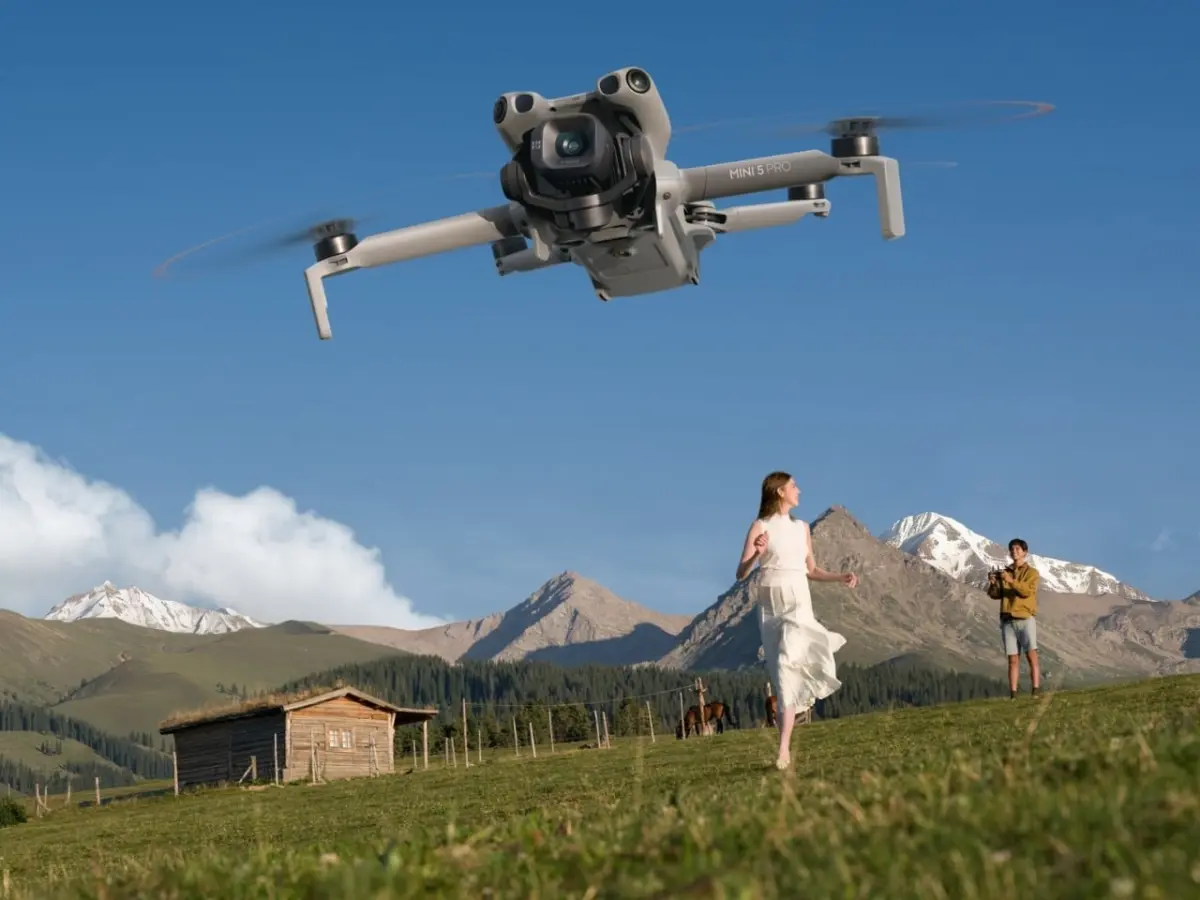
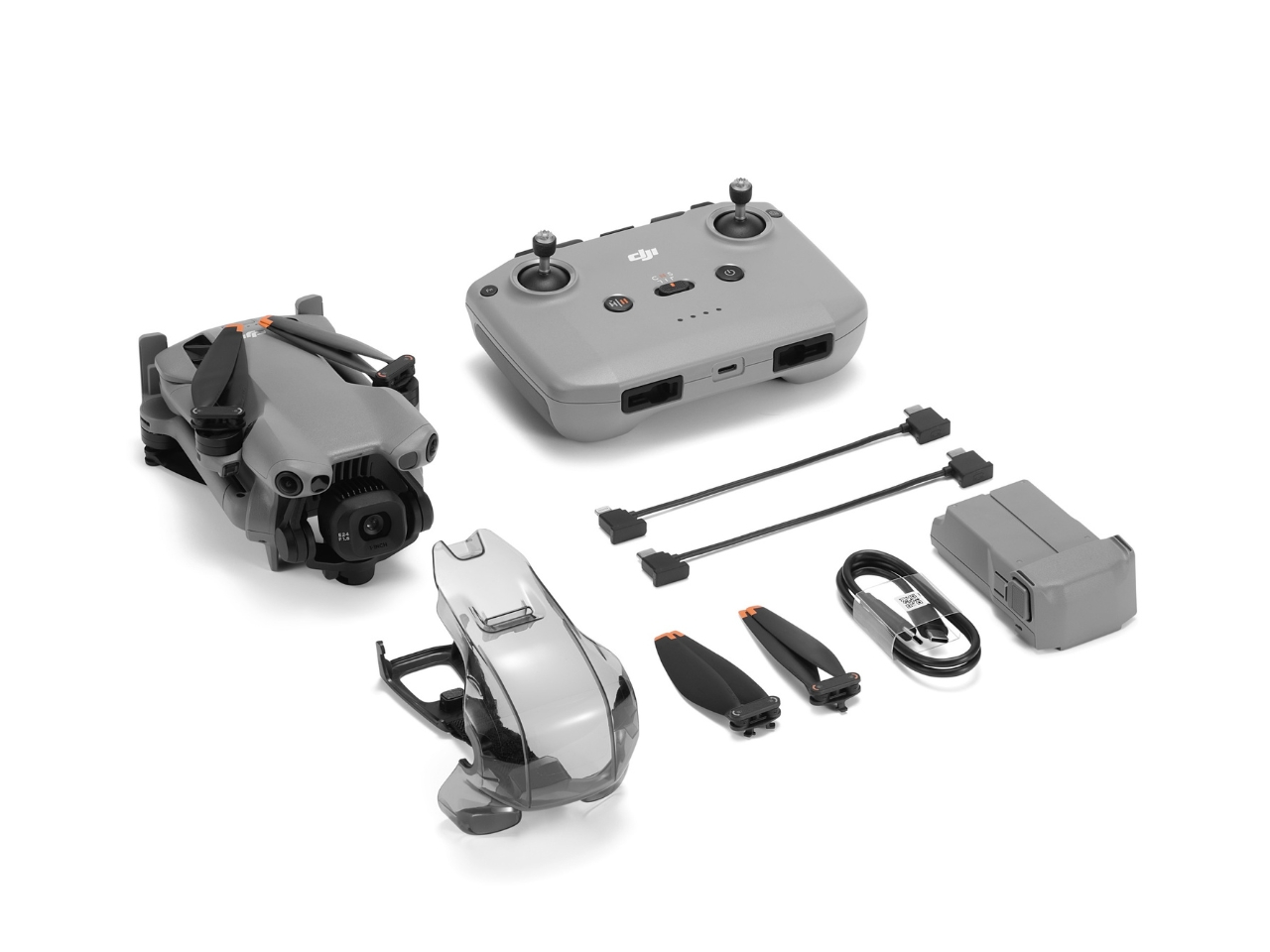
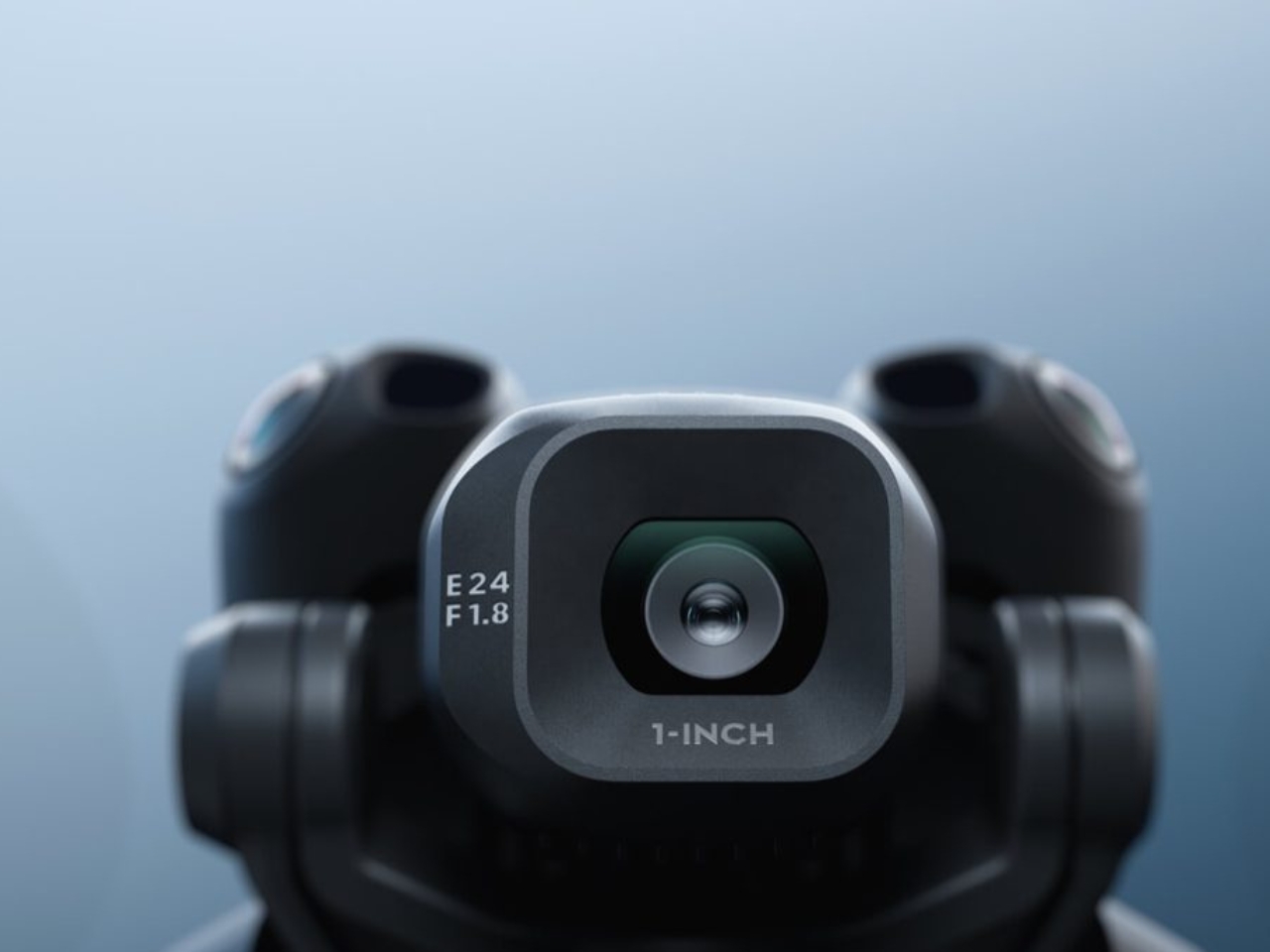
DJI approaches this persistent dilemma with the introduction of the Mini 5 Pro, a drone that manages to pair a folding, palm-sized body measuring roughly 6.2 inches long with a substantial 1-inch-type camera sensor. Rather than relying solely on a high megapixel count—though it does boast 50MP resolution capabilities—the aircraft pairs its large sensor with a bright f/1.8 lens and 4K/60fps HDR video recording. This combination proves far more critical for real-world shooting, promising significantly greater photographic and videographic flexibility, particularly as daylight fades, all without forcing creators to step up to a much bulkier and heavier enterprise or consumer drone class.
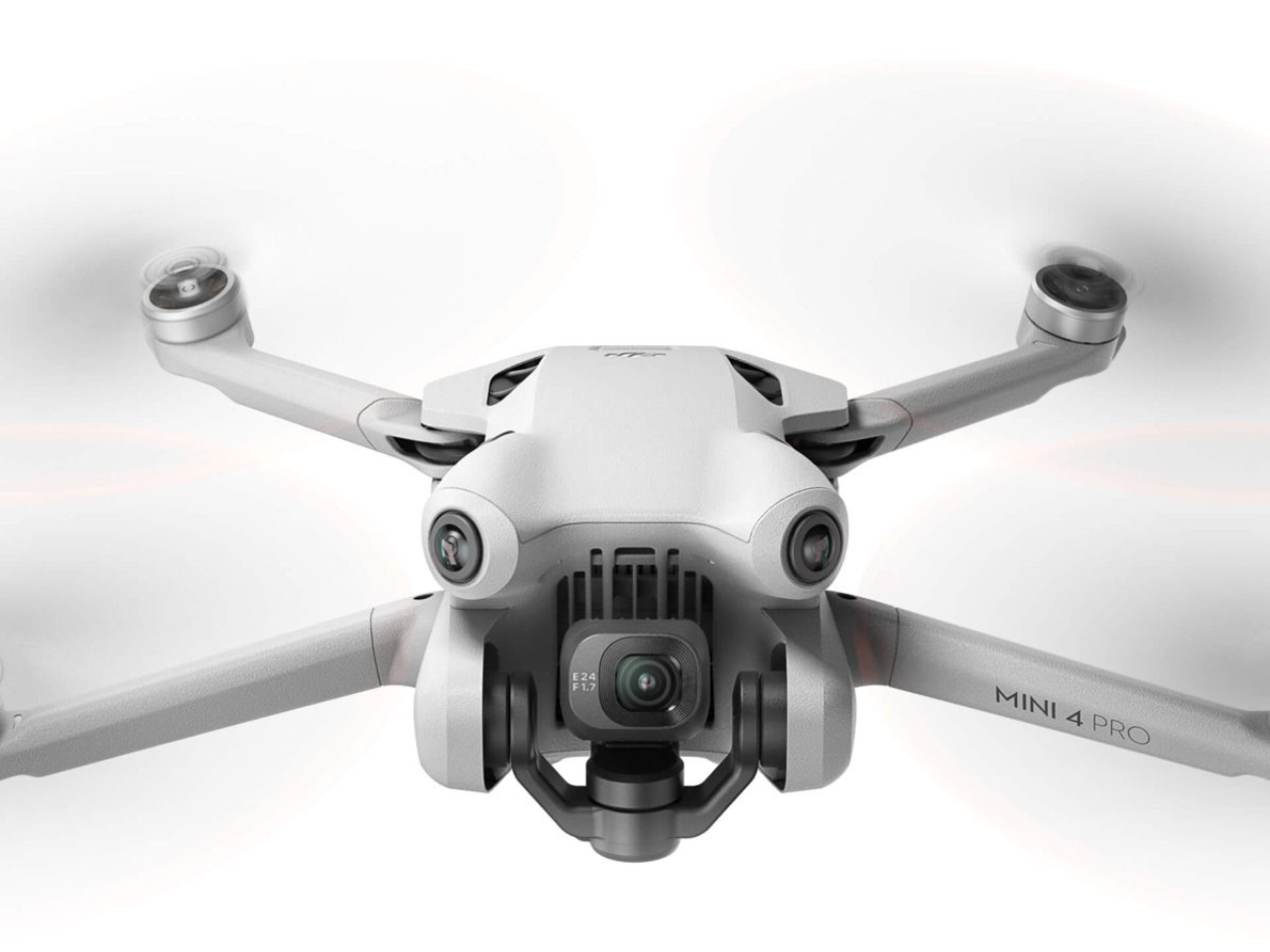
Positioned by DJI as an essential asset for preserving dynamic range, the 1-inch sensor is designed to tackle high-contrast scenarios like vibrant sunsets and intricate nighttime landscapes. Imagine framing a shot featuring a brilliant, glowing evening sky hovering above a much darker waterfront or urban street: the ideal capture demands that both zones remain distinct and recognizable, rather than forcing the photographer to sacrifice shadow detail to properly expose the highlights, or vice versa. While this practical capability does not inherently guarantee that every single dusk photograph will turn out looking spectacular—since fundamental rules of exposure and digital processing still apply—it represents a far more useful and ambitious engineering goal than simply inflating file sizes for the sake of marketing numbers.
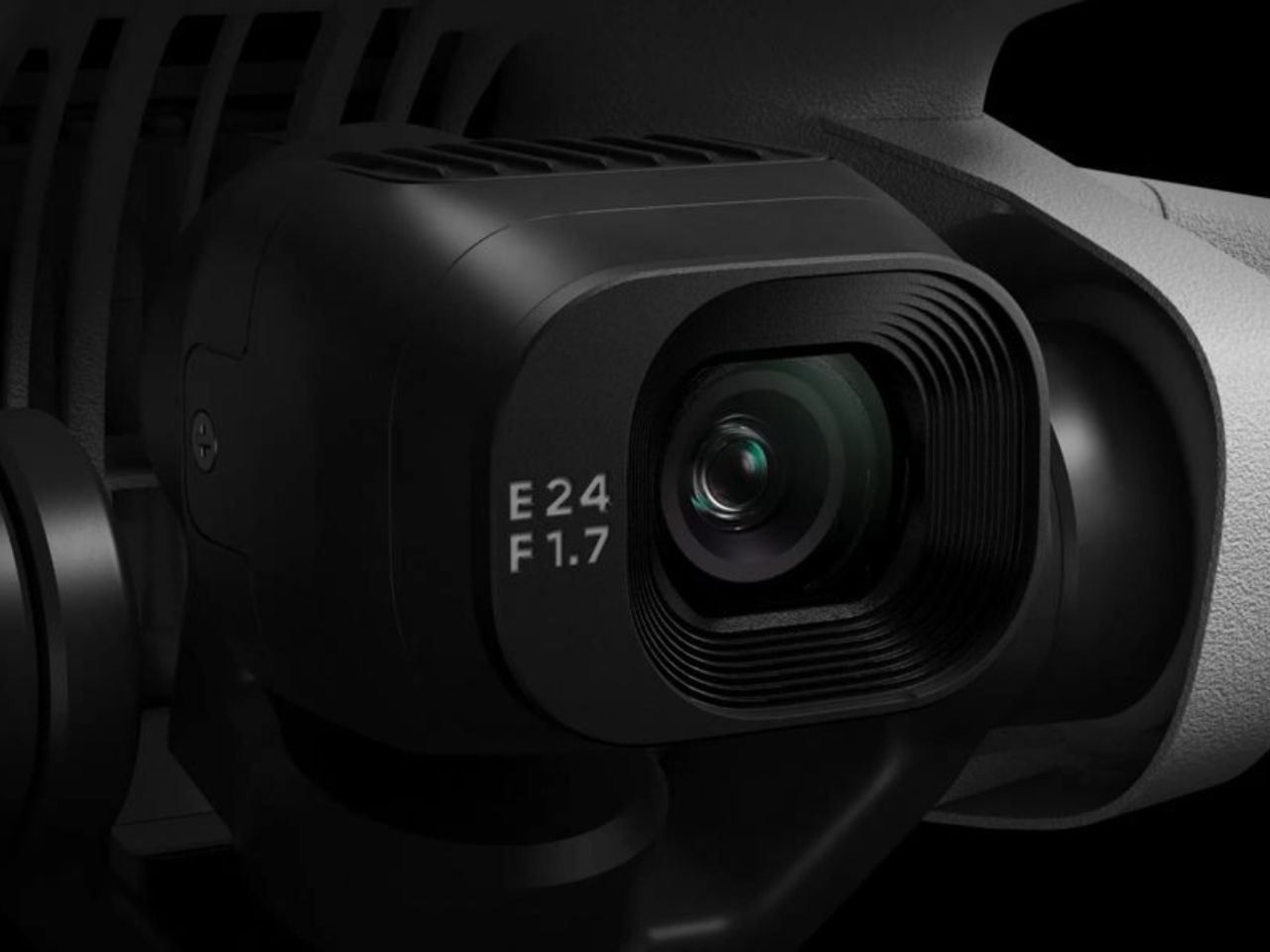
The mechanical movement of the camera system proves to be equally compelling. A three-axis mechanical gimbal works continuously to steady the image against wind and movement, while an innovative 225-degree controllable roll range allows for deliberate, sweeping rotating shots that add a cinematic flair to standard sequences. Furthermore, true vertical shooting physically reorients the camera mechanism itself to achieve native portrait framing. When framing a towering skyscraper or a rushing waterfall, this mechanical adjustment means composing the shot vertically at the exact moment of capture, rather than settling for a narrow, cropped vertical slice carved out of a standard horizontal video file later in post-production. This approach addresses composition directly at the hardware level, long before the editing process even begins.
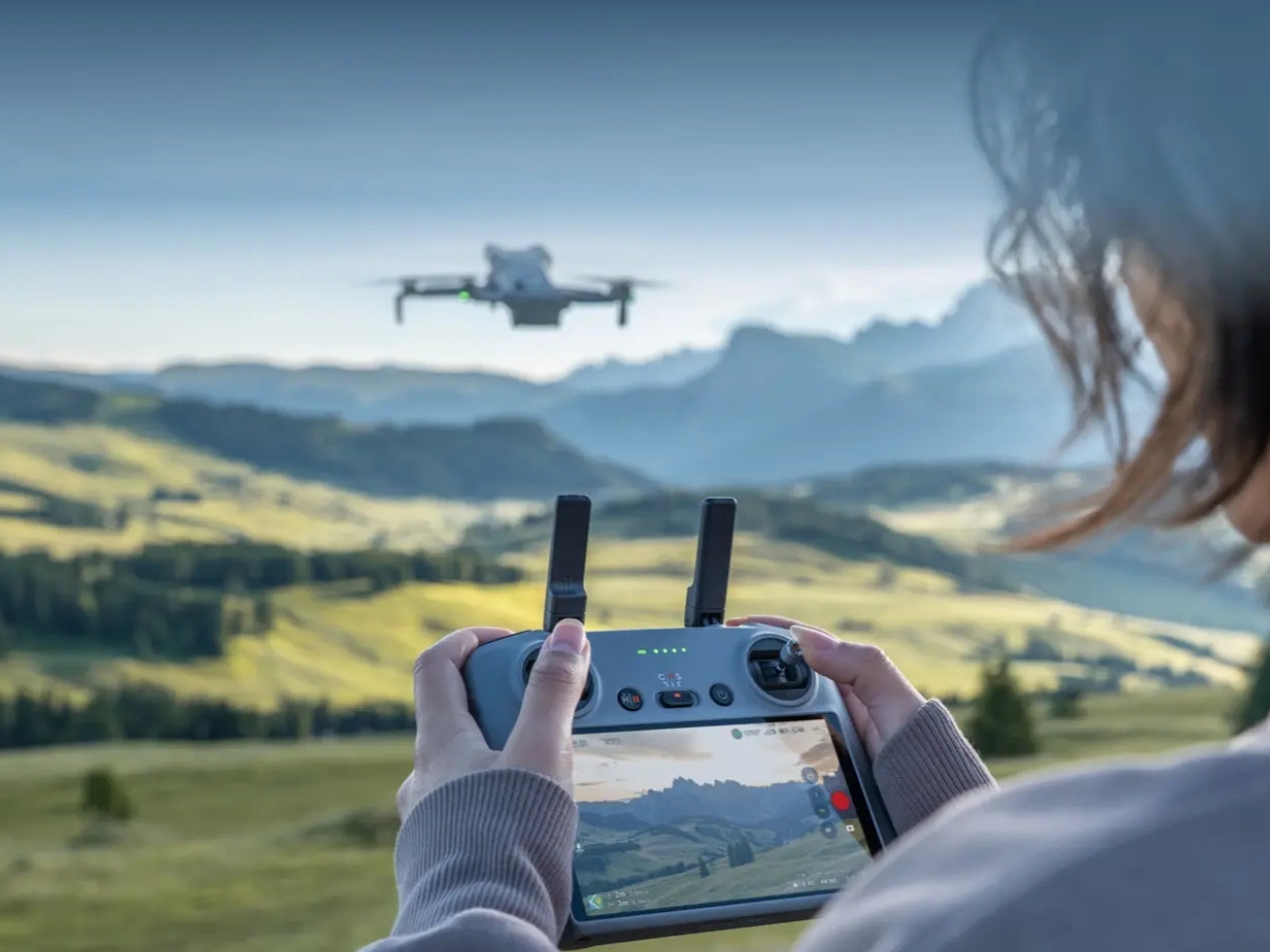
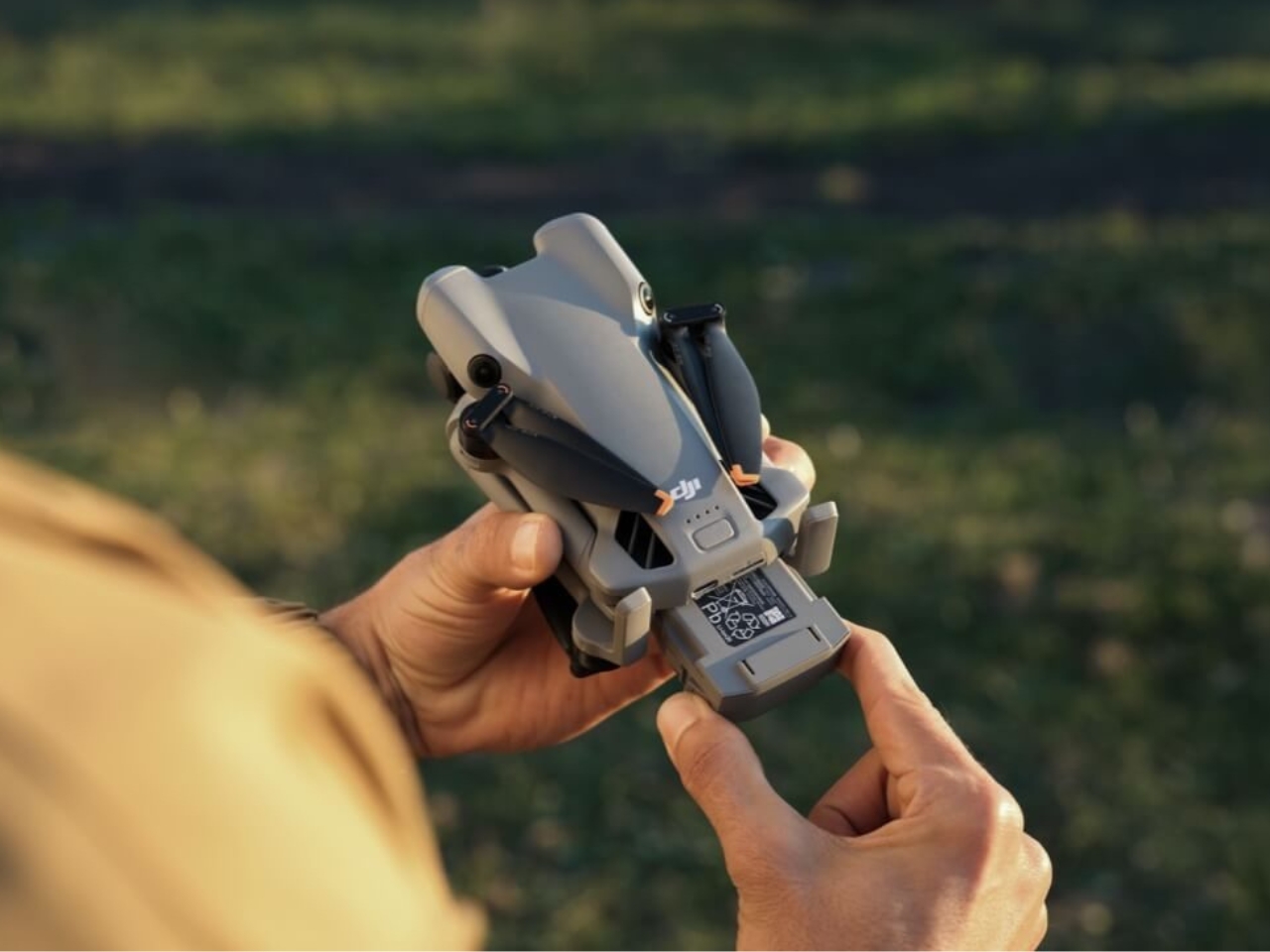
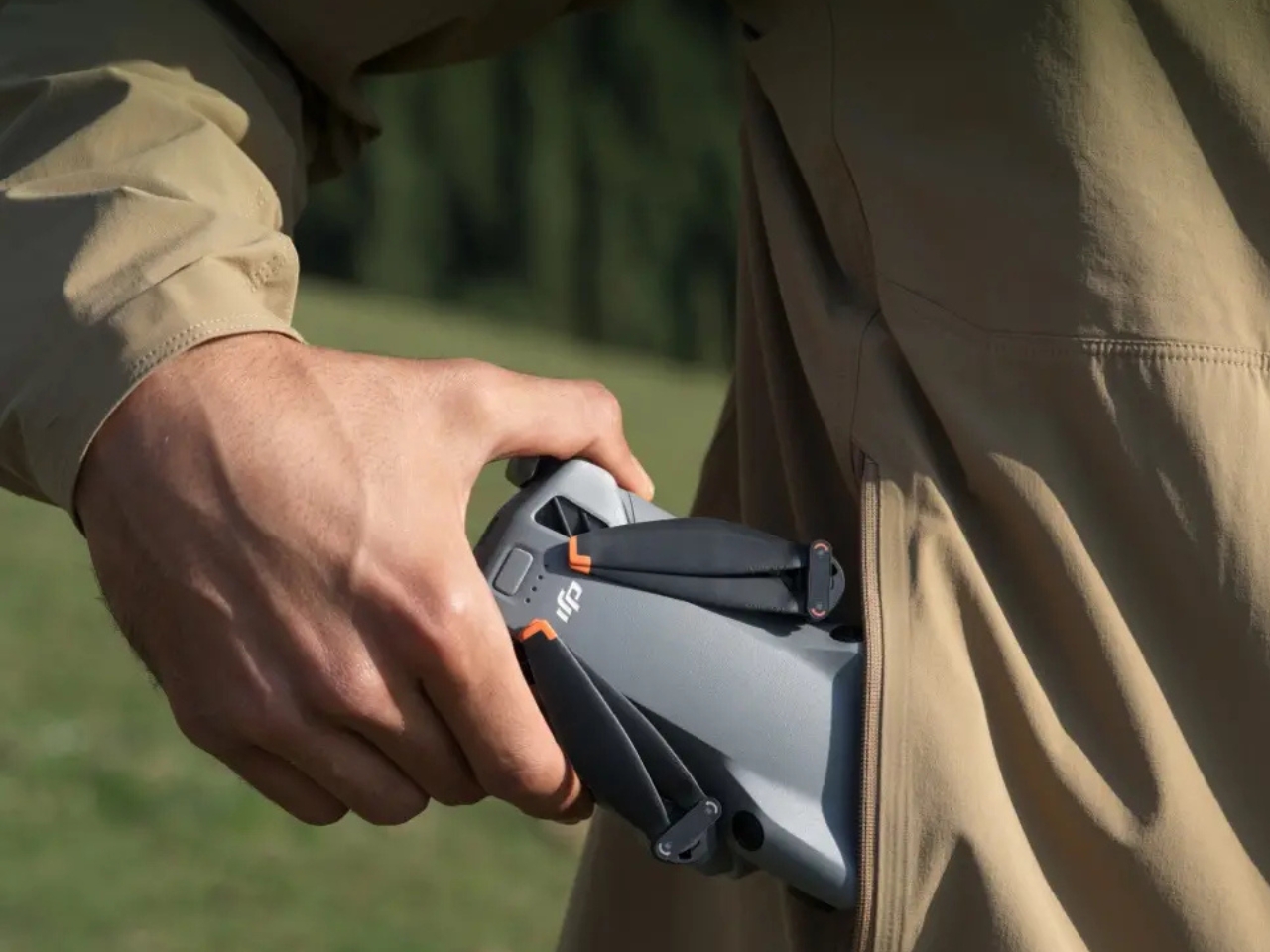
The physical footprint of the folding body is equally vital to the aircraft’s identity, featuring a compact, pocket-friendly design with folding arms that tuck tightly into a streamlined transport configuration. For anyone already burdened by carrying a primary ground camera, a water bottle, and an unreasonable tangle of charging cables, introducing a smaller, lighter object to that daily carry is a major consideration. Even so, the aircraft’s folded dimensions do not tell the entire story of the travel kit. Photographers must still remember to leave adequate room in their packing strategy for the accompanying controller and whatever specialized charging equipment they choose to bring along.
Then there is a feature that often sounds mundane on a spec sheet until the exact moment you desperately need it: 42GB of internal storage. This built-in capacity serves as a critical safety net for those frustrating occasions when you arrive at a remote location only to realize you forgot your extra micro SD card in a different bag. Additionally, the inclusion of Off-State QuickTransfer allows the DJI Fly app to wake the aircraft via Bluetooth when it is within range, enabling seamless wireless downloads directly to a mobile device. Neither of these features will ever dominate a dramatic, high-octane product launch video, but both directly solve the minor, nagging interruptions that occur between the desire to capture a photograph and the actual realization of getting that file onto your phone for sharing or editing.
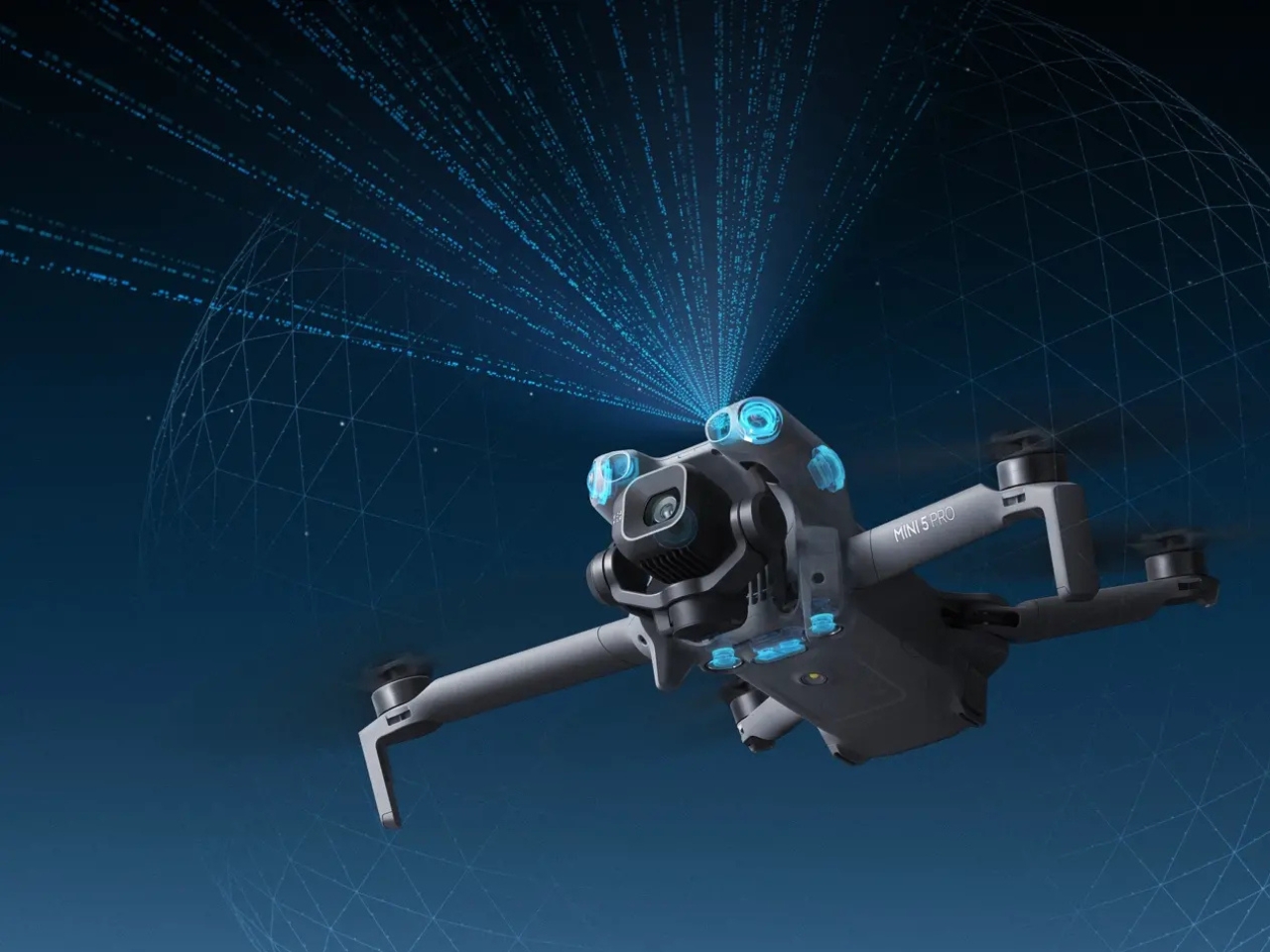
Flight safety and obstacle sensing have also been thoughtfully upgraded, combining an omnidirectional vision system with forward-facing LiDAR and a downward-facing infrared sensor. DJI notes that the integrated LiDAR can actively assist with forward obstacle detection in low-light environments where traditional vision cameras are severely limited by darkness. While this serves as exceptionally useful support for navigating the flight path home at the end of a shoot, it is by no means permission for pilots to stop paying attention. Forward-facing LiDAR does not provide active laser coverage in every single direction, and the core vision system still fundamentally relies on suitable ambient light and surface detail to function correctly.
Battery performance metrics require a similarly grounded, realistic reading. While DJI’s maximum marketing specifications advertise up to 36 minutes of flight time using the standard battery configuration, the manufacturer’s separate, typical-flight testing outlines a more conservative 21-minute duration, which accounts for active recording, maneuvering, and a standard return-to-home landing sequence. Experienced operators know to plan their excursions around this more conservative figure. A short, purposeful flight with a clear, pre-visualized photographic goal in mind is vastly more satisfying than discovering out in the field that a headline endurance number failed to match the realities of an afternoon shoot.
The aircraft’s weight specifications also come with fine print that is well worth reading closely. DJI lists the weight at approximately 249.9 grams, though with a manufacturing variation of plus or minus 4 grams. Because this hovers right on the edge, it crosses the familiar 250-gram regulatory boundary, meaning that labeling the device as universally "registration-free" is an overly broad promise. Regulatory exemptions, such as those from the FAA, typically apply only to qualifying recreational flights conducted with aircraft strictly staying below that threshold, rather than covering every conceivable flight involving a Mini model. Pilots are encouraged to verify the actual flight-ready weight of their specific configuration and review the precise aviation rules that apply to their intended location and purpose.
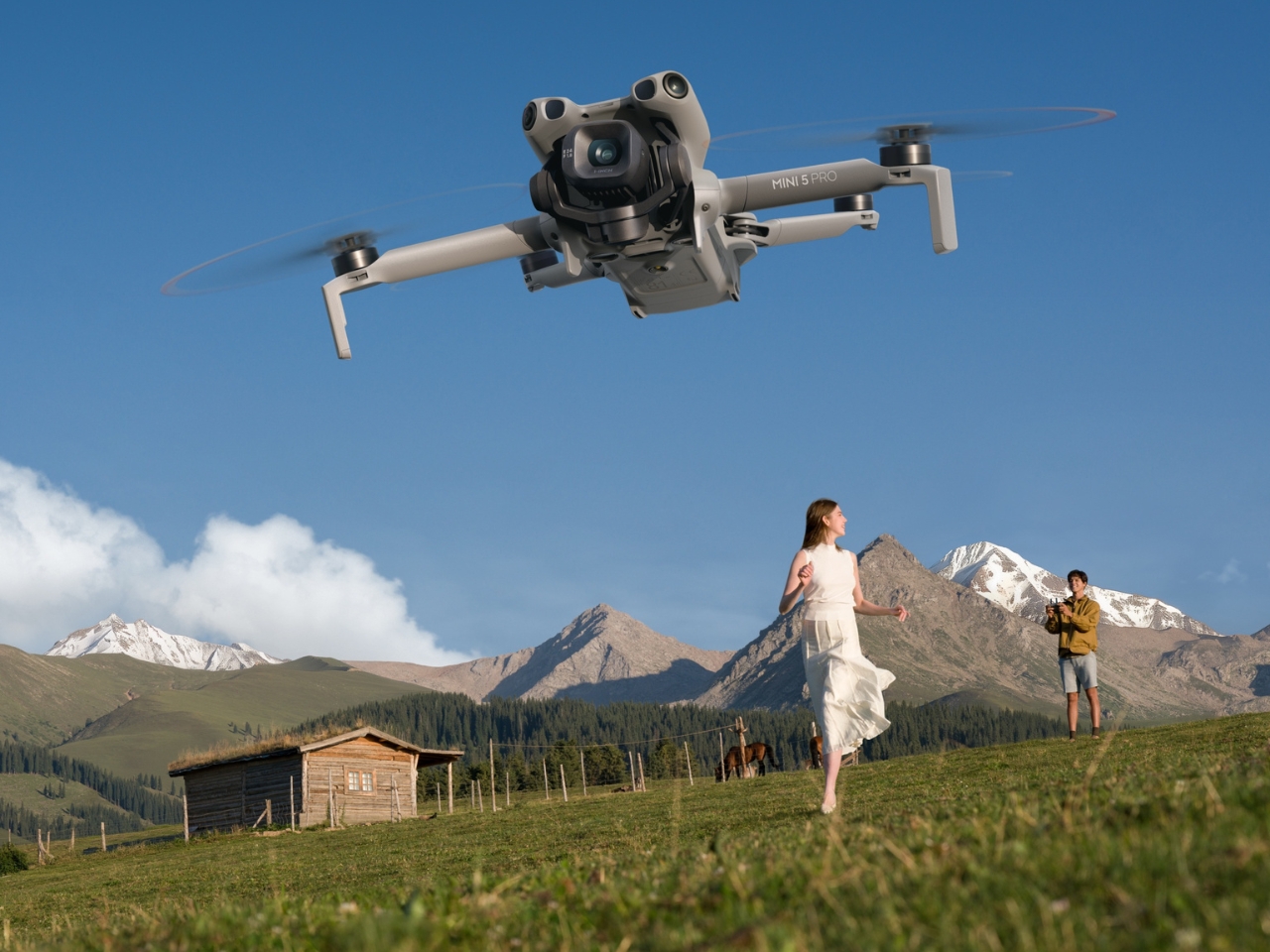
For many creators, the ultimate appeal of the Mini 5 Pro comes down to enduring significantly fewer compromises before pressing the record button. Thoughtful hardware inclusions like the physically rotating camera and substantial internal storage directly target and resolve ordinary, everyday frustrations of mobile content creation. By lowering the physical and logistical barrier to entry, the Mini 5 Pro builds a persuasive case for carrying an aerial camera much more frequently on everyday travels, while rightfully leaving the pilot entirely responsible for the execution of the flight.